Have you ever wondered why your bathroom smells a bit off during those cold winter months? Or perhaps you’ve noticed that your drains aren’t working as they should when temperatures drop.
It might be your sewer vent that’s causing the problem. Freezing weather can wreak havoc on your plumbing system, especially if your sewer vent freezes over. But don’t worry! Keeping your sewer vent from freezing is easier than you might think.
You’ll discover simple, effective strategies to ensure your plumbing runs smoothly, even in the coldest months. Stick with us, and you’ll save yourself the hassle and expense of dealing with frozen pipes, all while keeping your home smelling fresh and clean. Ready to dive in? Let’s get started!
Credit: www.jlconline.com
Causes Of Sewer Vent Freezing
Understanding why your sewer vent freezes is key to preventing blockages and costly repairs. Sewer vents allow gases to escape from your plumbing system, but in cold weather, these vents can freeze and stop working properly. Let’s look at what causes this to happen and why it matters for your home’s plumbing.
Role Of Sewer Vents
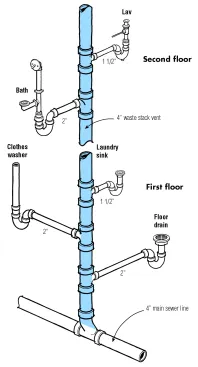
Sewer vents are pipes that extend from your plumbing system up through the roof. They let sewer gases exit safely and help maintain proper air pressure inside the pipes. Without these vents, your drains can become slow or even stop working because air cannot flow freely.
Imagine your drains as a straw. If the top of the straw is blocked, it’s hard to suck liquid through it. Sewer vents prevent this by letting air in and gases out. If the vent freezes, it’s like the top of the straw is covered, causing drainage problems.
Common Freezing Factors
- Cold Temperatures:When outside temperatures drop sharply, the vent pipes can get so cold that any moisture inside them freezes, blocking airflow.
- Poor Insulation:Vents located in unheated or poorly insulated areas, such as attics or crawl spaces, are more vulnerable to freezing.
- Moisture Build-Up:Excess moisture from rain, snow, or condensation can collect in the vent pipe and freeze during cold spells.
- Low Usage:If you’re away or use less water, the vent doesn’t get warmed by flowing air or water vapor, making it easier to freeze.
- Blockages:Debris, bird nests, or leaves at the vent’s roof opening can trap moisture and contribute to ice formation.
Have you noticed slow drains or strange smells during cold snaps? These might be signs your sewer vent is freezing. Identifying these causes early can save you from plumbing headaches when winter hits hard.

Credit: www.reddit.com
Signs Of A Frozen Sewer Vent
Frozen sewer vents can cause serious plumbing problems. Knowing the signs helps catch issues early. Early detection prevents costly repairs and keeps your home safe.
Unusual Drainage Sounds
Listen closely when using sinks or toilets. Gurgling or bubbling sounds often mean air cannot escape. Frozen vents block airflow, causing these strange noises.
Slow Draining Fixtures
Water may drain slowly in sinks, tubs, or toilets. Blocked vents create pressure problems in pipes. This pressure slows water flow and causes backups.
Sewer Odors Indoors
Bad smells inside your home signal vent issues. Frozen vents stop sewer gases from escaping outside. These gases then enter your living space, causing unpleasant odors.
Preventing Sewer Vent Freezing
Preventing sewer vent freezing is essential to avoid blockages and plumbing issues during cold weather. Sewer vents allow gases to escape and air to enter the plumbing system, which keeps water flowing smoothly. When these vents freeze, you might face slow drains, bad odors, or even pipe damage.
Insulation Techniques
Insulating your sewer vent pipe is one of the simplest ways to keep it from freezing. Use foam pipe insulation sleeves that fit snugly around the vent pipe to trap heat. Adding insulation tape over the foam creates an extra barrier against cold air.
If your vent is exposed, consider building a small insulated box around it. Make sure the box has ventilation holes so airflow isn’t blocked. This method keeps the vent warm without trapping moisture, which can cause other problems.
Using Heat Tape
Heat tape is a practical tool you can wrap around your sewer vent pipe to prevent freezing. It works by generating a small amount of heat when plugged in, keeping the pipe warm even in freezing temperatures.
Choose heat tape with an automatic thermostat for safety and efficiency. Be sure to follow the manufacturer’s instructions carefully to avoid fire hazards. If you’ve never used heat tape before, consulting a professional can save you time and trouble.
Maintaining Proper Airflow
Proper airflow through the sewer vent is critical to prevent freezing. Blockages from leaves, debris, or bird nests can stop air from moving freely, increasing the chance of ice buildup.
Regularly inspect and clear your vent pipe’s opening, especially before and during winter. You might be surprised how often simple blockages cause major issues. Could a quick inspection today save you from costly repairs later?

Credit: www.amazon.com
Winter Maintenance Tips
Winter brings cold temperatures that can freeze your sewer vent. Frozen vents cause drainage problems and bad smells. Proper winter maintenance helps keep vents clear and working well. Follow simple tips to protect your sewer vent from freezing damage.
Clearing Snow And Ice
Snow and ice can block your sewer vent. Remove buildup regularly to keep air flowing. Use a broom or soft brush for gentle clearing. Avoid sharp tools that might damage the vent pipe. Keep the area around the vent free from heavy snow.
Regular Inspection
Check your sewer vent often during winter. Look for cracks, blockages, or ice formation. Early detection helps prevent bigger problems. Inspect after storms or heavy snowfall. Use a flashlight to see inside the vent pipe if needed.
Prompt Repairs
Fix any damage quickly to avoid freezing issues. Small cracks can turn into big leaks. Hire a professional plumber if unsure about repairs. Timely action saves money and prevents vent blockages. Keep your home safe and your plumbing working smoothly.
Diy Solutions Vs. Professional Help
Deciding between DIY solutions and professional help for preventing sewer vent freezing depends on several factors. Simple tasks can be done safely at home. Complex issues require expert skills to avoid damage and costly repairs.
Knowing when to handle the problem yourself and when to call a plumber saves time and money. It also keeps your home’s plumbing working smoothly through winter.
When To Diy
DIY fixes work well for minor issues and basic maintenance. You can:
- Wrap the vent pipe with foam insulation or heat tape
- Clear debris or snow around the vent opening
- Check for cracks or gaps and seal them with weatherproof tape
These tasks need simple tools and little plumbing knowledge. Always turn off any electrical heating devices before installation. Stay safe and avoid working on pipes during freezing rain or snow.
Hiring A Plumber
Call a plumber if the vent pipe is damaged or hidden. Professionals can:
- Inspect and repair broken or cracked pipes
- Install permanent heating solutions like heat cables
- Ensure proper vent placement and clearance
- Diagnose underlying plumbing issues causing freeze-ups
Experts have the right tools and experience for safe repairs. Their work helps prevent future problems and protects your home’s plumbing system.
Frequently Asked Questions
How Can I Prevent My Sewer Vent From Freezing?
Insulate the vent pipe with foam or fiberglass sleeves. Keep warm air flowing by sealing gaps around the pipe. Install a vent pipe cover to block snow and ice buildup.
Why Does A Sewer Vent Freeze In Winter?
Sewer vents freeze when cold air meets moist air inside the pipe. This causes condensation to freeze and block airflow. Poor insulation and exposure to harsh weather increase freezing risks.
What Materials Help Insulate Sewer Vent Pipes?
Use foam pipe insulation or fiberglass sleeves to keep vents warm. These materials reduce heat loss and prevent ice formation. Choose weather-resistant insulation for durability and effectiveness.
Can Heating Tape Prevent Sewer Vent Freezing?
Yes, heating tape provides consistent warmth to vent pipes. It prevents ice buildup by maintaining pipe temperature above freezing. Use waterproof and UL-listed heating tape for safety.
Conclusion
Preventing your sewer vent from freezing keeps your home safe and odor-free. Wrap pipes with insulation to keep cold air out. Use heat tape or vent covers for extra protection. Clear snow and ice around vents regularly. Small steps now can save big problems later.
Stay proactive and keep your plumbing working smoothly all winter long. Easy to do, and worth the effort. Don’t let freezing vents cause costly damage or bad smells. Simple care helps your home stay warm and dry.