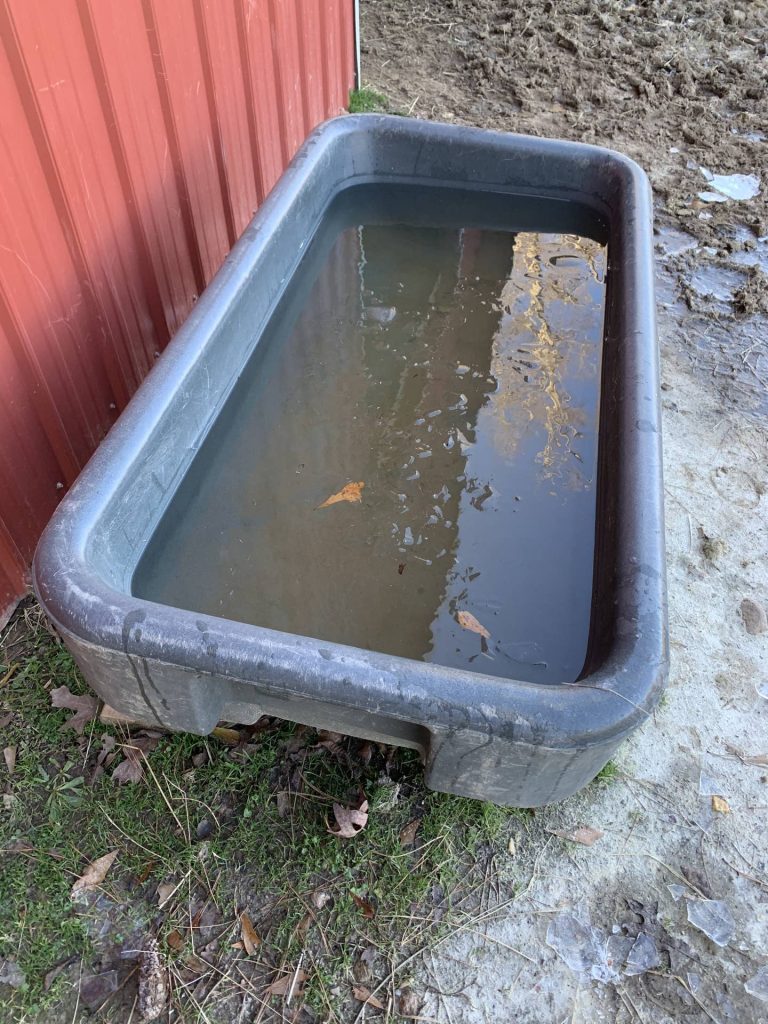
Picture this: A crisp winter morning, the ground glistening with frost, and your animals eagerly awaiting their daily drink. But there’s a problem—their water trough has turned into an ice block overnight.
You know the struggle all too well: keeping water from freezing without relying on electricity is a challenge. But what if I told you there’s a way to solve this problem using simple, effective methods? Imagine the peace of mind knowing your animals have access to fresh water, no matter how low the temperature drops.
This isn’t just about convenience; it’s about ensuring their health and well-being. You’ll discover practical, electricity-free solutions to prevent your water troughs from freezing. These tips are not only budget-friendly but also easy to implement. Ready to learn how you can make this winter season a little less frosty for your farm or homestead? Keep reading to uncover these game-changing strategies!
Choose The Right Location
Choosing the right location for your water trough helps keep it from freezing. A good spot can reduce ice formation naturally. It saves effort and keeps water available for animals all winter. Consider factors like wind, shade, and sunlight before placing the trough. These can affect water temperature and freezing speed.
Sheltered Spots
Place the trough in a spot protected from strong winds. Wind increases heat loss and speeds up freezing. Near buildings, fences, or trees works well. These act as natural windbreaks. Avoid open fields or exposed areas with no cover. The shelter slows down cold air movement around the water.
Sun Exposure
Choose a location that gets sunlight during the day. Sunlight warms the water and delays freezing. South-facing spots usually receive more sun in winter. Avoid deep shade or areas blocked by large trees or buildings. Even a few hours of direct sun helps keep water liquid longer.

Credit: www.youtube.com
Use Insulation Techniques
Using insulation techniques is a smart way to keep your water trough from freezing without relying on electricity. Insulation slows down heat loss and helps maintain the water temperature above freezing for longer periods. You can use simple, natural materials or specially designed insulation products to protect your trough effectively.
Straw And Hay Bedding
Straw and hay are excellent natural insulators. Placing a thick layer around your water trough creates a barrier that traps heat from the ground and reduces cold air exposure.
Make sure to pack the straw or hay tightly around the base and sides. This not only insulates but also helps block wind, which can speed up freezing. I’ve found that adding at least 6 inches of straw around the trough can make a noticeable difference on chilly mornings.
However, avoid using wet hay as it can freeze and lose its insulating properties. Regularly check and replace the bedding to keep it dry and effective.
Foam Insulation Wraps
Foam insulation wraps are another effective tool for keeping water troughs ice-free. These wraps are easy to apply and can fit snugly around the trough, providing continuous insulation.
You can find foam wraps designed specifically for outdoor use, which resist moisture and UV damage. Applying a foam wrap can reduce heat loss drastically, helping water stay liquid even in below-freezing temperatures.
Consider combining foam wraps with straw bedding for double protection. Have you tried foam insulation on your trough before? It’s surprising how much difference a simple wrap can make in harsh winter conditions.
Add Natural Heat Sources
Adding natural heat sources to a water trough helps stop freezing without using electricity. These methods use simple materials and natural heat to keep water liquid during cold weather. They work by either raising the water temperature slightly or preventing heat loss. Both ideas are easy to apply and cost-effective for outdoor use.
Warm Water Refills
Pouring warm water into the trough several times a day raises the overall temperature. This keeps ice from forming quickly. Use water that is warm but not hot, around 80°F (27°C). Warm water mixes with cold water, slowing down freezing. Refill during the warmest part of the day for best results. This method needs regular attention but uses no power.
Use Of Thermal Mass Materials
Thermal mass materials store heat and release it slowly over time. Stones, bricks, or large containers filled with water can act as thermal mass. Place these materials around or inside the trough. They absorb heat from the sun during the day. Then, they release heat during cold nights to keep water warm. Choose materials that hold heat well and are safe for animals.
Prevent Wind Chill
Preventing wind chill is a smart way to keep your water trough from freezing without relying on electricity. Wind speeds can drastically lower the temperature of the water’s surface, speeding up freezing. By blocking or reducing wind around your trough, you can maintain warmer water longer and reduce ice formation.
Windbreak Barriers
Windbreak barriers act like shields against cold gusts. You can use natural options like dense shrubs or trees planted around the trough. These plants not only block wind but also add some insulation by trapping warmer air near the water.
If planting isn’t an option, consider installing solid barriers made from wood, metal, or heavy fabric. Position these barriers on the side where the strongest winds blow. Even a simple plywood board placed a few feet from the trough can reduce wind chill significantly.
Think about the height and length of your barrier too. It should be tall enough to block wind at water level and wide enough to cover the most exposed sides. Have you noticed how some farmers use old pallets or tarps in winter? It’s a low-cost, effective solution that you might want to try.
Fence Placement
The location of fences around your water trough plays a crucial role in controlling wind exposure. Place fences strategically to act as additional windbreaks, especially if natural barriers aren’t available.
Try positioning fences perpendicular to prevailing winds. This setup forces the wind to slow down or change direction before it hits the trough. Even a partial fence can create a calmer microclimate that helps keep the water from freezing.
Consider the material of the fence as well. Solid fences block more wind than open or chain-link types. However, a semi-permeable fence can reduce wind force without creating turbulence, which sometimes causes more rapid cooling.
Have you checked which direction the coldest winds usually come from on your property? Align your fences and barriers accordingly for the best effect.
Keep Water Moving
Keeping water moving in your trough is a simple yet effective way to prevent freezing without relying on electricity. When water stays still, it freezes more quickly. But by creating motion, you can slow down ice formation and keep your animals hydrated.
Manual Stirring
Stirring the water regularly breaks up any forming ice. You don’t need special tools—just a long stick or paddle works well. Even a quick swirl a few times a day can make a big difference.
Think about how often you can realistically check and stir the water. If you’re busy, setting reminders might help you stay consistent. The key is interrupting the freezing process before solid ice forms.
Floating Objects
Adding floating objects like balls or old plastic bottles keeps the water surface moving when animals nudge them. This constant, gentle motion helps prevent ice from settling.
Choose objects that are safe and won’t harm your animals or the water quality. You might be surprised how simple items can reduce freezing without any extra effort on your part.
Use Salt Or Other Additives Safely
Using salt or other additives can help prevent water troughs from freezing without electricity. Salt lowers the freezing point of water, keeping it liquid longer. It is important to use salt carefully to protect animals and the environment. Overuse can harm plants and animals. Choose safe amounts and place salt correctly. Natural additives offer safer alternatives that also reduce freezing.
Salt Placement Strategies
Place salt where animals cannot eat it directly. Too much salt can upset their stomachs. Use a small container or salt block beside the trough. Avoid putting salt directly into the water. This keeps salt levels safe for drinking. Check salt amounts often and refill as needed. Keep salt away from soil and plants to prevent damage. Monitor water for high salt levels.
Alternative Natural Additives
Use natural additives like apple cider vinegar or vegetable oil in small amounts. These can help reduce ice formation. Vinegar lowers freezing point without harming animals. A thin layer of vegetable oil can slow ice from forming on the surface. Additives must be safe and non-toxic. Always research and test any additive before use. Natural options reduce environmental impact and keep water safe.
Regular Maintenance Checks
Keeping your water trough from freezing without electricity takes more than just setup—it demands regular attention. Regular maintenance checks help catch problems early before your animals go thirsty. These checks also save you time and effort on cold mornings, preventing thick ice buildup that’s harder to manage.
Ice Removal Techniques
Removing ice doesn’t have to be a chore that drains your energy. Use a sturdy, non-metallic tool like a plastic scraper or wooden paddle to chip away thin ice layers gently. Avoid metal tools, as they can damage the trough and cause leaks.
If the ice is thick, try pouring warm (not hot) water on the surface to soften it before scraping. This method speeds up removal and reduces the risk of cracking your trough. Make sure to remove all ice chunks—leftover pieces can refreeze and cause thicker ice the next day.
Water Level Monitoring
Keeping an eye on water levels is crucial during freezing weather. As water freezes, it expands, potentially damaging your trough if it’s too full. Check your trough multiple times a day, especially during extreme cold snaps.
Refill with fresh water regularly to keep animals hydrated and to prevent the remaining water from freezing solid. Have you noticed how a half-full trough can freeze faster? Keeping it topped off slows ice formation because moving water freezes less quickly.

Credit: www.youtube.com

Credit: www.youtube.com
Frequently Asked Questions
How Can I Prevent Water Trough Freezing Naturally?
Use insulation like straw or foam around the trough. Position it in a sunny spot. Add floating objects to reduce ice formation. These methods slow freezing without electricity.
What Materials Help Keep Water Troughs Warm?
Materials like straw, hay, or foam boards provide good insulation. They trap heat and block cold wind. Use them to cover or surround the trough for warmth.
Can Sunlight Prevent Water Troughs From Freezing?
Yes, sunlight naturally warms the water. Place the trough where it gets maximum sun. This reduces ice buildup during cold days.
Are Floating Objects Effective Against Trough Freezing?
Yes, floating balls or bottles break ice formation. They keep water moving slightly, which helps prevent freezing. This is a simple, electricity-free solution.
Conclusion
Keeping your water trough from freezing without electricity is possible. Use simple methods like insulation or floating objects. Regularly check the water to keep it fresh and unfrozen. These easy tips help animals stay hydrated in cold weather. Save energy and money by avoiding electric heaters.
Small steps can make a big difference during winter. Stay prepared and keep water flowing all season long.