Imagine waking up to a chilly morning, only to find that your well water has frozen. It’s a frustrating situation that can disrupt your daily routine and potentially lead to costly repairs.
You rely on your well water for everything from drinking to showering, and keeping it flowing freely during the cold months is crucial. But how can you prevent this icy inconvenience? In this guide, you’ll discover straightforward strategies to protect your well water from freezing.
We’ll walk you through easy and effective methods to keep your water supply intact, so you can enjoy peace of mind no matter how low the temperatures dip. Curious to learn how? Keep reading to arm yourself with essential tips and tricks that will make a real difference this winter.
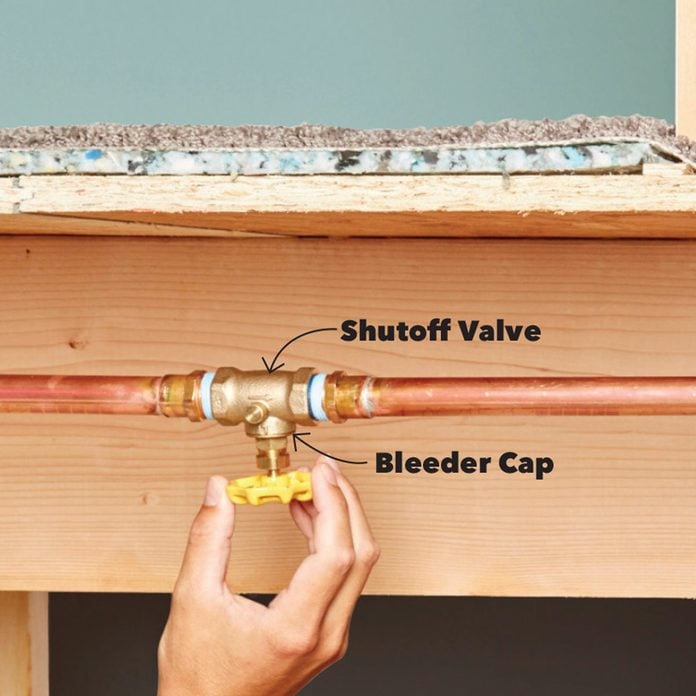
Credit: www.familyhandyman.com
Causes Of Well Water Freezing
Well water freezing can cause serious problems. Pipes may burst, and water supply can stop. Knowing the causes helps to prevent these issues. Several factors lead to well water freezing. Understanding these can keep your water flowing even in winter.
Cold Weather Impact
Freezing temperatures cause water to turn into ice. The colder the air, the faster water freezes. Prolonged cold spells increase the risk of frozen wells. Frost can penetrate the ground and affect the water pipes.
Poor Insulation
Insufficient insulation lets cold air reach the pipes. Exposed pipes lose heat quickly. Old or damaged insulation fails to protect well components. Proper covering is essential to keep pipes warm.
Water Flow Issues
Standing water freezes faster than moving water. Low water usage allows water to become still. Slow flow inside pipes gives ice a chance to form. Keeping water flowing can reduce freezing risk.
Preventing Freezing With Insulation
Insulating well water pipes and components is essential to prevent freezing. Proper insulation keeps the temperature around the pipes above freezing. It creates a barrier that stops cold air from reaching the water supply. This simple step can save costly repairs and water loss during winter.
Pipe Insulation Techniques
Use foam pipe sleeves or fiberglass wrap to cover exposed pipes. These materials trap heat and block cold air. Secure insulation with tape or zip ties to prevent slipping. Focus on pipes in unheated areas like basements, crawl spaces, or outdoors. Check insulation regularly for damage or gaps. Replace worn-out insulation before winter starts.
Using Heat Tape
Heat tape is a flexible electric cable that warms pipes. Wrap the tape evenly along the pipe’s length. Follow the manufacturer’s instructions for safe use. Plug heat tape into a ground-fault circuit interrupter (GFCI) outlet. Heat tape turns on automatically when temperatures drop. It is ideal for pipes in very cold or exposed locations.
Insulating The Well Casing
Protect the well casing with insulation to keep the water warm. Wrap foam board or rigid foam around the casing. Seal gaps with weatherproof tape or spray foam. Add a protective cover or insulated well house for extra warmth. This prevents cold air from freezing the water inside the casing. Inspect insulation yearly and fix any damage.
Maintaining Proper Water Flow
Maintaining proper water flow is essential to prevent well water from freezing. Moving water resists freezing better than still water. Keeping water flowing through pipes and pumps helps maintain a steady temperature above freezing. This section covers practical ways to keep water moving and safe during cold weather.
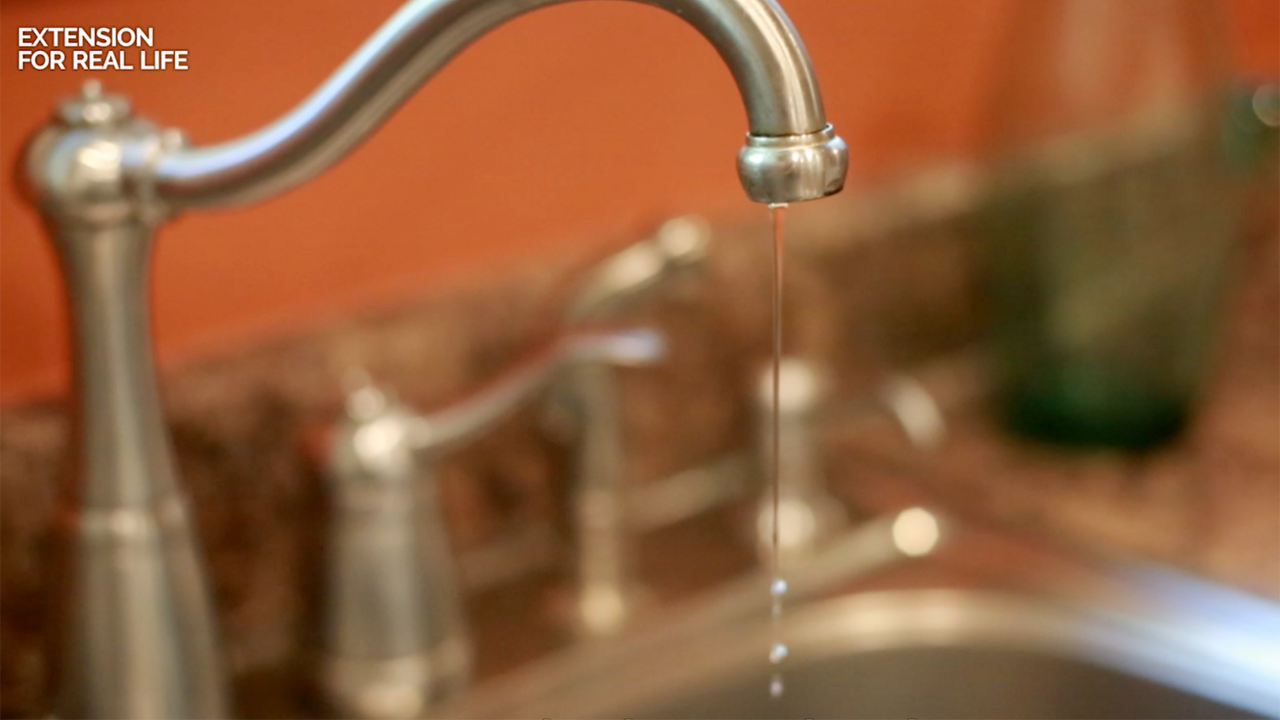
Trickling Water Method
Allow a small stream of water to flow continuously. This movement stops water from settling and freezing. The water flow does not need to be strong—just a steady trickle works well. Use faucets inside or outside to create this gentle flow. It also helps to open faucets slightly during freezing nights.
Avoiding Stagnant Water
Stagnant water freezes faster than moving water. Regularly check pipes and tanks for areas where water might sit still. Drain unused sections or keep them insulated. Remove debris and ice buildup that block water flow. Maintaining clear paths ensures water can circulate freely.
Pump Operation Tips
Run the pump periodically to keep water moving. Do not let the pump stop for long periods during freezing weather. Set timers for pump operation if needed. Make sure the pump is properly maintained and protected from cold. This reduces the risk of frozen pipes and damage.
Heating Solutions For Wells
Keeping your well water from freezing is crucial during harsh winter months. Heating solutions provide a reliable way to maintain water flow and protect your well system. These methods range from simple to technical, but all focus on maintaining warmth where it counts.
Installing Submersible Heaters
Submersible heaters are designed to sit inside the well casing or water tank. They keep the water temperature above freezing by directly warming the liquid. This method is effective because it prevents ice formation within the water column itself.
These heaters are often thermostatically controlled, so they only activate when temperatures drop too low. Installation requires some technical know-how, but many find the peace of mind worth the effort. Have you checked if your well system can accommodate a submersible heater?
Using Heat Lamps
Heat lamps offer an easy, external way to keep wells warm. Positioning a heat lamp near exposed parts of the well can prevent freezing by radiating heat onto the surface. This works best in areas where the well head or pipes are above ground or only slightly buried.
It’s important to use lamps rated for outdoor use and to protect them from moisture. Also, ensure they are safely mounted away from flammable materials. Have you considered how heat lamps might fit into your current setup?
Electric Heating Pads
Electric heating pads can be wrapped around well pipes or placed under the well cap. They deliver consistent warmth and can be powered by standard electrical outlets. These pads are flexible, making them easy to install and remove as needed.
Many heating pads come with built-in thermostats to prevent overheating. They’re a great choice if you want a low-maintenance solution without modifying the well itself. Could a heating pad be the simple fix your well needs this winter?
Protecting External Components
Protecting the external parts of your well is vital to stop freezing. Cold weather can cause damage to pipes and caps. Taking simple steps can keep your water flowing. Focus on sealing, covering, and blocking wind to shield these parts.
Sealing Well Caps
Well caps keep dirt and cold air out. Check the cap for cracks or holes. Use waterproof sealant to close any gaps. A tight seal stops cold air from entering the well. This helps keep water warmer inside.
Covering Exposed Pipes
Exposed pipes are very vulnerable to freezing. Wrap pipes with foam insulation sleeves or heat tape. Use weatherproof materials to shield pipes from snow and ice. Make sure covers are snug but allow for easy access. This prevents pipes from cracking or bursting.
Using Windbreaks
Wind makes freezing worse by cooling pipes faster. Build barriers like fences or walls near your well. Use materials like wood, plastic, or shrubs. Place windbreaks where the wind hits the well first. These block cold winds and reduce heat loss.
Credit: extension.msstate.edu
Seasonal Maintenance Tips
Keeping your well water from freezing requires more than just setting up insulation or heat tape. It demands ongoing attention throughout the colder months. Seasonal maintenance helps you spot issues early and avoid costly repairs or water shortages.
Pre-winter Inspection
Before the cold hits, walk around your well area and check everything carefully. Look for cracks or gaps in your well casing and pipes where cold air could sneak in. Sealing these openings with weatherproof caulk or foam can block freezing drafts.
Don’t forget to inspect your insulation. Is it still thick and dry? Replace any wet or compressed insulation to keep the cold at bay. Also, test your heat tape or cable to ensure it works properly; a malfunctioning system won’t protect your pipes.
Regular Monitoring
Checking your well regularly during winter can prevent small problems from turning into emergencies. Visit your well at least once a week to feel the pipes and casing for signs of freezing or cracking.
Keep an eye on water flow and pressure. If you notice a drop, it could mean partial freezing or a blockage forming. Early detection lets you act quickly before the situation worsens.
Emergency Preparedness
Have a plan ready in case your well does freeze. Keep supplies like a portable heater, heat lamps, or extra insulation materials nearby. Knowing how to safely thaw frozen pipes without causing damage can save you stress and money.
Consider storing bottled water as a backup during severe freezes. Would you be ready if your well suddenly stopped working? Preparing now can keep your household running smoothly even during harsh winter conditions.

Credit: www.youtube.com
Frequently Asked Questions
How Can I Prevent My Well Water From Freezing In Winter?
Insulate exposed pipes and use heat tape for protection. Maintain a steady water flow to avoid freezing. Consider installing a well house or burying pipes below frost level for added safety.
What Materials Are Best For Insulating Well Water Pipes?
Use foam pipe insulation or fiberglass sleeves for effective protection. These materials retain heat and prevent cold air exposure. Choose UV-resistant insulation if pipes are outdoors to ensure durability.
Is Running Water Continuously Effective Against Freezing?
Yes, a slow, continuous drip keeps water moving and reduces freezing risk. Moving water freezes less easily than still water. This method is simple and energy-efficient for winter protection.
Can I Use A Well House Heater To Stop Freezing?
Yes, well house heaters maintain temperature around the well components. They prevent freezing by providing consistent warmth. Choose energy-efficient models to lower operational costs.
Conclusion
Protecting your well water from freezing is key during cold months. Use insulation and heat sources wisely. Check pipes regularly for any signs of cold damage. Small steps can prevent costly repairs later. Stay safe and keep water flowing all winter long.
Simple care makes a big difference. Keep your well water warm and ready whenever you need it.