Using a breast pump can help many mothers feed their babies. But to pump well, the right flange size matters a lot. The flange is the part that touches your breast. If it does not fit well, it can hurt or reduce milk flow. This guide will help you learn how to find the right flange size for your breast pump.
What Is a Breast Pump Flange?
A flange is the funnel-shaped part of a breast pump. It fits over your nipple and the area around it. When the pump works, it pulls milk through the flange. The size of the flange must match your nipple size. This helps you pump comfortably and get more milk.
Why Is Flange Size Important?
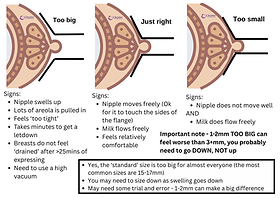
Using the wrong flange size can cause problems. If the flange is too small, it will pinch your nipple. This can cause pain and even damage the skin. If the flange is too big, the nipple moves too much. This can cause soreness and less milk flow. The right size helps you feel comfortable and pump well.
How to Measure Your Nipple for Flange Size
You need to measure your nipple to find the right flange size. Here is how you can do it at home:
- Use a ruler with millimeters or a measuring tape.
- Make sure your nipple is clean and dry.
- Measure the diameter of your nipple at the base.
- Do not include the areola (the darker skin around the nipple).
- Measure while standing or sitting comfortably.
The number you get is your nipple diameter. This number helps you pick the flange size.
Common Flange Sizes and What They Mean
Flanges come in many sizes. The size is usually in millimeters (mm). Here is a simple table to understand common sizes:
| Flange Size (mm) | Who It Fits |
|---|---|
| 17 mm | Small nipples, usually less than 17 mm diameter |
| 21 mm | Average size nipples, about 17-21 mm diameter |
| 24 mm | Larger nipples, about 21-24 mm diameter |
| 27 mm | Very large nipples, over 24 mm diameter |
Steps to Choose the Right Flange Size
Follow these steps to pick the right size:
- Measure your nipple diameter carefully.
- Compare your measurement to the flange size chart.
- Choose the flange size closest to your nipple diameter.
- If between sizes, pick the larger flange for comfort.
- Try the flange and check for comfort and milk flow.
If the flange hurts or your nipple looks white or red after pumping, try a different size.
Signs You Need a Different Flange Size
How do you know if your flange size is wrong? Watch for these signs:
- Pain or discomfort during pumping.
- Nipple looks very red, white, or bruised after use.
- Milk flow is less than usual.
- You feel suction only on the nipple, not the breast.
- Nipple moves very far into the tunnel of the flange.
If you see any of these, try a different flange size. Comfort is key to good pumping.
.png)
Credit: www.cherishedparenting.com.au

Credit: pupsik.sg
How to Test a Flange Size at Home
After choosing a flange size, test it. Here is how:
- Put the flange on your breast as the pump starts.
- Feel if the suction pulls your nipple easily and gently.
- Check if the nipple moves freely without pain.
- Look in a mirror to see if your nipple is centered.
- Stop if you feel pain or discomfort.
The right flange will feel snug but not tight. Your nipple should not rub on the sides.
Different Brands and Flange Sizes
Many breast pump brands sell flanges. Sizes may vary a little by brand. Some brands offer many sizes. Others have only one or two. Check the brand website or store for size guides.
You can buy flanges separately for some pumps. This helps you find the perfect size without buying a new pump.
What If You Can’t Find Your Size?
Sometimes, your size is not easy to find. Here are some tips:
- Try a size slightly bigger for comfort.
- Use soft flange cushions if available.
- Ask your lactation consultant for help.
- Check online stores for more size options.
Remember, comfort and good milk flow are most important.
Extra Tips for Comfortable Pumping
Besides flange size, a few more tips help:
- Relax before pumping to help milk flow.
- Massage your breasts gently before pumping.
- Try warm compresses to help letdown.
- Keep your pump parts clean for better suction.
- Use a good pump with adjustable suction levels.
Summary
Finding the right flange size is important. It helps you pump without pain. It also helps you get more milk for your baby. Measure your nipple diameter first. Use the size chart to pick your flange. Try it to check comfort and milk flow. If it hurts, try a different size. Remember, comfort comes first. Your baby will thank you!
Frequently Asked Questions
What Is A Breast Pump Flange Size?
A flange size is the diameter of the part that fits over the nipple during pumping.
How Do I Measure My Breast Pump Flange?
Use a ruler to measure nipple diameter at the base, not including the areola.
Why Is Flange Size Important For Pumping?
Correct flange size helps comfort and better milk flow during pumping sessions.
Can Wrong Flange Size Affect Milk Supply?
Yes, a wrong size can cause pain and reduce milk output.