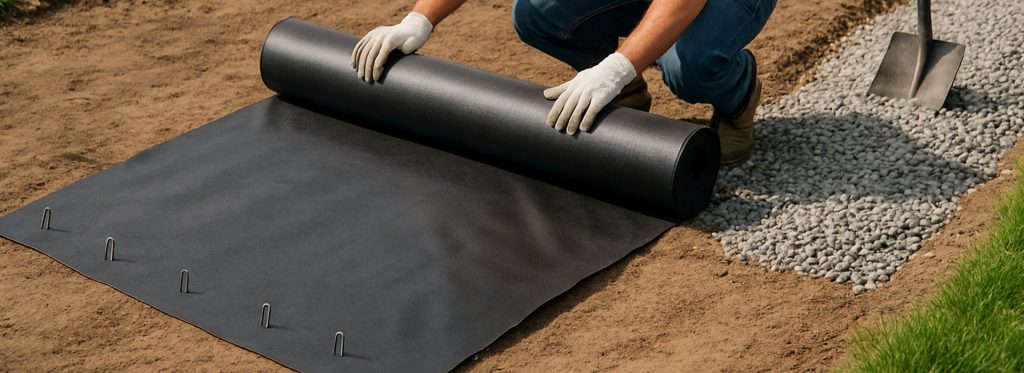
Are you tired of weeds taking over your garden and making your hard work go to waste? Laying landscape fabric could be the simple solution you need to keep your outdoor space neat and beautiful.
But how do you do it right? In this guide, you’ll discover easy, step-by-step tips to lay landscape fabric like a pro—saving you time, effort, and frustration. Ready to transform your garden and enjoy a weed-free yard? Keep reading, because the answers you’re looking for are just ahead.

Credit: www.leisurelandscapes.com
Benefits Of Landscape Fabric
Landscape fabric is a useful tool for gardeners and landscapers. It helps improve garden care by reducing problems.
This fabric is easy to lay and offers many benefits. It helps plants grow better and keeps the garden tidy.
Weed Control
One of the main benefits of landscape fabric is stopping weeds. The fabric blocks sunlight from reaching weed seeds.
Without light, weeds cannot grow well. This reduces the need to pull weeds by hand or use chemicals.
Soil Moisture Retention
Landscape fabric helps keep water in the soil. It stops water from evaporating too fast on hot days.
By holding moisture, plants get water longer. This means less watering is needed and plants stay healthy.
Improved Soil Temperature
The fabric helps keep soil temperature steady. It protects roots from getting too hot or too cold.
Stable soil temperature helps plants grow strong. It also helps beneficial soil organisms to live well.
Choosing The Right Fabric
Landscape fabric helps control weeds and protect soil. Choosing the right fabric ensures it works well in your garden.
Different fabrics suit different needs. Look at the type, durability, and breathability before buying.
Types Of Landscape Fabric
There are woven, non-woven, and plastic landscape fabrics. Each type works in different ways.
Woven fabrics are made by weaving threads tightly. Non-woven fabrics are made by bonding fibers. Plastic fabrics are thin sheets that block all light.
- Woven:Strong and allows water flow
- Non-woven:Softer and good for soil protection
- Plastic:Blocks weeds but may stop water
Material Durability
Durability means how long the fabric lasts outside. Strong materials resist tears and sun damage.
Look for UV protection on the label. Durable fabrics save money because you replace them less often.
- Polypropylene fabrics last longer in sun
- Polyester fabrics resist stretching
- Plastic fabrics may crack or break easily
Permeability And Breathability
Permeability lets water and air pass through fabric. Good breathability helps plants grow better.
Choose fabric that stops weeds but lets water reach roots. Some fabrics block water and can harm plants.
- Woven fabrics have high permeability
- Non-woven fabrics allow moderate water flow
- Plastic fabrics block water and air
Tools And Materials Needed
Laying landscape fabric helps control weeds and keeps soil healthy. Using the right tools and materials makes the job easier.
This guide covers the basic tools, extra supplies, and safety gear you need to lay landscape fabric properly.
Essential Tools
You need a few basic tools to prepare and secure the landscape fabric. These tools help you cut, place, and hold the fabric in place.
- Utility knife or scissors for cutting fabric
- Garden rake to smooth soil
- Shovel for digging and leveling ground
- Hammer or mallet to drive stakes
- Landscape fabric staples or pins to secure fabric
Additional Supplies
Besides tools, some extra supplies make the fabric last longer and look neat. These items help protect and cover the fabric.
- Landscape fabric roll, sized for your project
- Mulch or gravel to cover fabric and improve appearance
- Measuring tape to measure your area accurately
- Spray paint or marking flags to outline the area
Safety Gear
Wearing safety gear protects you from injuries while working. It is important to stay safe during the project.
- Work gloves to protect your hands from cuts and dirt
- Safety glasses to shield your eyes from debris
- Knee pads for comfort while kneeling
- Closed-toe shoes to protect your feet
Preparing The Garden Bed
Preparing the garden bed is important before laying landscape fabric. Good preparation helps the fabric work well. It stops weeds and lets water pass through.
Start by clearing the area, then level the soil. Finally, add soil amendments to help plants grow better under the fabric.
Clearing Existing Weeds
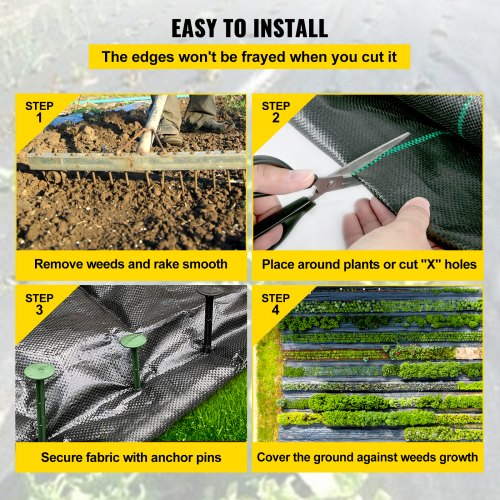
Remove all weeds from the garden bed. Pull out roots to stop weeds from growing back. Use a hoe or hand tools for better results.
- Pull weeds by hand or use a hoe.
- Dig out roots and underground stems.
- Dispose of weeds in a compost bin or trash.
- Check the area again for small weed sprouts.
Leveling The Soil
Even soil helps the landscape fabric lie flat. Remove rocks, sticks, and debris. Use a rake to smooth the surface evenly.
- Clear large stones and roots.
- Use a rake to spread soil evenly.
- Fill low spots with extra soil.
- Press soil lightly to firm it.
Adding Soil Amendments
Soil amendments improve soil health and plant growth under the fabric. Use compost, peat moss, or other natural materials.
| Amendment | Purpose | How to Apply |
|---|---|---|
| Compost | Adds nutrients and improves soil texture | Spread 2-3 inches, then mix into topsoil |
| Peat Moss | Improves moisture retention | Spread 1-2 inches evenly over soil |
| Sand | Improves drainage in heavy soils | Mix 1 part sand with 2 parts soil |
Measuring And Cutting Fabric
Landscape fabric helps prevent weeds and keeps your garden neat. To use it effectively, proper measuring and cutting are crucial.
This guide will show you how to measure and cut landscape fabric correctly. We’ll focus on ensuring accurate measurements and cutting techniques.
Accurate Measurement Tips
Measuring your garden space accurately is the first step. This ensures you have enough fabric to cover the area.
Use a tape measure to find the length and width of your space. Write down these numbers to keep track.
- Measure twice to avoid mistakes
- Consider overlaps when measuring
- Account for any irregular shapes
Cutting Techniques
Cutting landscape fabric properly ensures a snug fit. Use sharp scissors or a utility knife for clean edges.
Lay the fabric on a flat surface before cutting. Follow your measurements to guide your cuts.
- Keep cuts straight and even
- Use a ruler for guidance
- Cut in a well-lit area
Handling Overlaps
Overlapping fabric helps prevent weeds from sneaking through gaps. Proper handling of overlaps is key.
Overlap fabric edges by a few inches. Secure overlaps with garden staples or pins.
- Overlap by at least 3 inches
- Use staples every foot
- Check overlaps for gaps
Laying The Fabric
Laying landscape fabric helps control weeds and keep soil healthy. It creates a barrier that stops weeds from growing up.
Properly laying the fabric makes your garden look neat and lasts longer. Follow these tips to place it well.
Positioning The Fabric
Start by clearing the area of rocks and weeds. Smooth the soil so the fabric lies flat.
Roll out the fabric over the soil. Place it where you want to stop weed growth.
- Overlap edges by 6 inches to block weeds between sheets.
- Make sure the fabric covers all planting beds and paths.
- Cut holes for plants before laying the fabric down.
Securing Edges And Seams
Hold down the fabric edges with landscape staples or pins. This stops it from moving in the wind.
Staple seams where two pieces of fabric meet. This keeps weeds from growing through gaps.
- Place staples every 12 inches along edges and seams.
- Use extra staples at corners and curves for better hold.
- Press the fabric firmly into soil after stapling.
Avoiding Wrinkles And Gaps
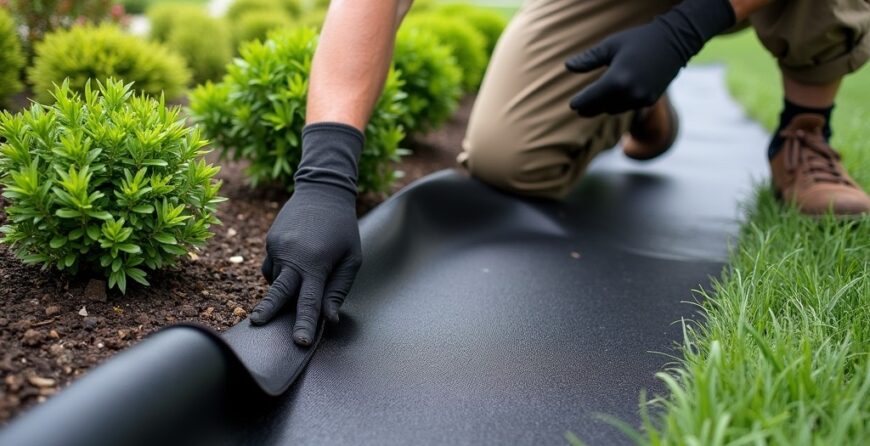
Smooth out wrinkles as you lay the fabric. Wrinkles can create spots for weeds to grow.
Check for gaps between fabric sheets. Overlap and staple to close these spaces.
- Pull fabric tight but do not stretch it too much.
- Use your hands or a flat tool to flatten wrinkles.
- Fix any holes or tears quickly to keep fabric effective.
Finishing Touches
After laying landscape fabric, the finishing touches help protect and improve your garden bed. These steps keep the fabric in place and support healthy plant growth.
Use the right materials and care to make your landscape fabric last longer and look neat.
Adding Mulch Or Gravel
Cover the fabric with mulch or gravel to hold it down and block sunlight. This prevents weeds from growing through the fabric.
- Spread 2 to 3 inches of mulch or gravel evenly over the fabric.
- Keep the layer thick enough to protect the fabric from sun damage.
- Use organic mulch for added nutrients or gravel for low maintenance.
- Check the layer yearly and add more as needed.
Planting Through Fabric
Cut holes or slits in the fabric to plant flowers or shrubs. This lets roots grow while stopping weeds around the plants.
| Plant Type | Cut Shape | Tip |
|---|---|---|
| Small Flowers | Small X-shaped slit | Make the hole just big enough for the plant base |
| Shrubs | Circle cut | Leave extra space for root growth |
| Ground Cover | Multiple small slits | Plant close together for full coverage |
Regular Maintenance
Keep your landscape fabric working well by checking it regularly. Fix any tears and clear debris from the surface.
- Remove leaves, sticks, and dirt from the fabric surface.
- Inspect for holes or rips and patch them with landscape tape.
- Replenish mulch or gravel as it thins out over time.
- Pull out any weeds that start growing on top.
- Water plants carefully to avoid washing away the covering.
Credit: www.vevor.ca
Common Mistakes To Avoid
Laying landscape fabric helps control weeds and improve garden care. Avoiding common errors makes the fabric work better and last longer.
These common mistakes can ruin your effort. Learn what to watch out for when installing landscape fabric.
Improper Fabric Selection
Choosing the wrong fabric can cause poor weed control or quick wear. Some fabrics let weeds grow through or break down fast.
Pick fabric made for landscaping with good strength and water flow. Avoid cheap fabrics that tear easily or block water.
- Use woven fabric for strong weed control
- Choose permeable fabric to allow water and air
- Avoid thin fabrics that break under mulch
- Check fabric quality before buying
Poor Installation Practices
Bad installation causes fabric to shift or tear. This lets weeds grow through gaps or holes.
Lay fabric flat without wrinkles. Overlap edges enough and secure fabric well with stakes or pins.
- Remove weeds and rocks before laying fabric
- Stretch fabric tight to avoid folds
- Overlap edges by at least 6 inches
- Use enough pins or staples to hold fabric
- Cut fabric carefully around plants
Neglecting Fabric Maintenance
Ignoring fabric after installation leads to damage. Mulch may thin out, or fabric may tear over time.
Check fabric regularly and fix any tears or loose edges. Add mulch on top to protect the fabric from sunlight and wear.
- Inspect fabric every few months
- Fix holes or tears quickly
- Add fresh mulch to cover fabric
- Remove debris that can damage fabric
Credit: www.leisurelandscapes.com
Frequently Asked Questions
What Is The Purpose Of Landscape Fabric?
Landscape fabric blocks weeds while allowing water and nutrients to pass through. It helps maintain healthy soil and reduces garden maintenance.
How Do You Prepare Soil Before Laying Landscape Fabric?
Clear debris and weeds from the area. Level the soil and water it lightly to settle the surface before placing the fabric.
Can Landscape Fabric Be Used Under Rocks Or Mulch?
Yes, landscape fabric works well under rocks and mulch. It prevents weed growth and stabilizes the ground, improving garden appearance.
How Do You Secure Landscape Fabric In Place?
Use landscape staples or pins to anchor the fabric. Secure edges and seams tightly to prevent movement and weed intrusion.
Conclusion
Laying landscape fabric helps keep weeds away and saves time. It creates a clean base for plants and mulch. Make sure to place the fabric tightly and cover it well. This stops sunlight from reaching weed seeds. Regular checks help fix any tears or gaps.
Your garden will look neat and stay healthy longer. Using fabric is a simple step for better gardening results. Give it a try and enjoy easier garden care.