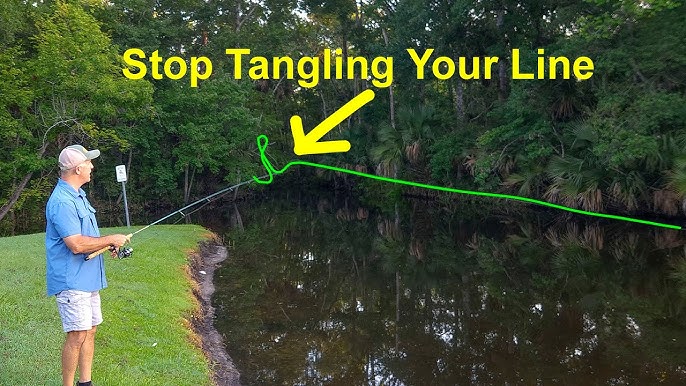
Are you struggling with tangled fishing lines or weak casts? Knowing how to properly line your fishing rod can make all the difference in your fishing experience.
When your line is set up right, you’ll catch more fish, enjoy smoother casts, and avoid frustrating breaks. In this guide, you’ll learn simple, step-by-step tips to line your fishing rod like a pro. Keep reading, and soon you’ll feel confident every time you head out to fish.

Credit: fishgenix.com
Choosing The Right Line
Choosing the right fishing line is important for a good fishing experience. The line affects how well you can cast and catch fish.
This guide will help you understand the types of fishing lines, their strength, and materials to pick the best one.
Types Of Fishing Lines
There are several types of fishing lines. Each type suits different fishing styles and conditions.
- Monofilament: A single strand, good for beginners, flexible and affordable.
- Fluorocarbon: Nearly invisible in water, strong and resistant to abrasion.
- Braid: Made of woven fibers, very strong and thin, good for heavy cover.
Line Strength And Test
Line strength is measured by its test, which is the maximum weight it can hold before breaking.
| Line Test (lbs) | Best Use |
|---|---|
| 2-6 | Small fish, light tackle |
| 8-12 | Medium fish, general freshwater fishing |
| 15-30 | Large fish, saltwater fishing |
Material Considerations
Material affects the line’s strength, stretch, and visibility in water. Choose based on fishing conditions and target fish.
Material pros and cons:
- Monofilament:Stretchy, good shock absorption, but can weaken in sunlight.
- Fluorocarbon:Low visibility, stiff, sinks faster, more abrasion-resistant.
- Braid:Very strong, low stretch, floats, but more visible in water.
Preparing Your Rod
Before you start fishing, you need to prepare your rod properly. This makes your fishing easier and more fun.
Follow the steps carefully to set up your rod the right way. Each part helps you catch fish better.
Attaching The Reel
First, attach the reel to the rod’s reel seat. Make sure it fits tightly and does not move.
Turn the locking ring on the reel seat clockwise until the reel is secure. This keeps the reel stable while fishing.
Threading The Line
Next, thread the fishing line through the guides on the rod. Start from the bottom and move to the tip.
- Pull the line from the reel spool.
- Push the line through each guide ring.
- Keep the line tight to avoid tangles.
- Stop when the line reaches the rod tip.
Securing The Line
| Action | Details |
|---|---|
| Tie the Line | Use a strong knot like the improved clinch knot. |
| Trim Excess | Cut off extra line close to the knot for neatness. |
| Check Tension | Pull the line gently to make sure it is secure. |
Step-by-step Line Spooling
Spooling fishing line correctly is important for a smooth fishing experience. It helps avoid problems like tangles and line breakage.
This guide will show you how to spool your fishing rod step by step. Follow each part carefully to get the best results.
Setting The Drag
The drag controls how much resistance a fish feels when it pulls the line. Setting it right protects your rod and line from damage.
To set the drag, turn the drag knob or lever until you feel firm resistance. Test it by pulling the line by hand. It should allow some give but not too much.
Winding The Line
Winding the line properly keeps it tight and prevents slack on the reel. Follow these steps to spool evenly:
- Attach the line to the spool using an arbor knot.
- Hold the line taut between your fingers.
- Turn the reel handle slowly to wind the line.
- Keep the line tight and guide it evenly across the spool.
- Fill the spool until it is about 1/8 inch below the rim.
Avoiding Twists And Tangles
Line twists and tangles cause problems while fishing. Use these tips to prevent them:
- Let the line flow freely from the spool when casting.
- Check the reel for any loose or twisted line before spooling.
- Use a swivel to reduce line twisting with spinning lures.
- Do not let the line go slack on the reel.
- Inspect the line regularly for damage or knots.
Common Mistakes To Avoid
Using a fishing rod properly helps catch more fish and keeps your gear safe.
Many anglers make simple mistakes when lining their fishing rods. Avoiding these errors saves time and improves fishing.
Overfilling The Spool
Putting too much line on the spool causes tangles and casting problems.
- Overfilled spools create more friction and reduce casting distance.
- Too much line can spill out and cause knots during the cast.
- Leave a small gap under the spool edge for smooth line release.
- Check the spool’s line capacity and fill accordingly.
Loose Line Issues
Loose line on the spool leads to tangles and poor control.
| Problem | Cause | Solution |
|---|---|---|
| Line slips off spool | Line too loose or not wound tightly | Keep tension when winding line |
| Tangles during cast | Slack line or uneven winding | Wind line evenly and tightly |
| Line damage | Line rubbing on spool edges | Fill spool properly and check for damage |
Ignoring Line Maintenance
Skipping line care shortens line life and reduces fishing success.
- Rinse line with fresh water after use to remove dirt and salt.
- Check the line for cuts or wear before every fishing trip.
- Replace old or damaged line to avoid breakage.
- Store your rod and line in a cool, dry place.
Tips For Line Maintenance
Keeping your fishing line in good shape helps you catch fish better. Regular care can stop breaks and tangles. It also makes your gear last longer.
This guide covers how to check your line, when to replace it, and how to store it right.
Checking For Wear And Tear
Look over your fishing line before each trip. Check for cracks, nicks, or frays. These weak spots can cause the line to snap. Also, feel for rough areas that might catch on guides.
- Run your fingers slowly along the line
- Look for discoloration or spots that seem thin
- Check areas near knots carefully
- Inspect the line after every big catch
Replacing Old Line
Old line loses strength and can break easily. Replace your fishing line after several uses or if you see damage. Using fresh line helps prevent losing fish and gear.
- Remove the old line from the reel
- Check the reel for dirt and clean it if needed
- Choose the right type and strength of new line
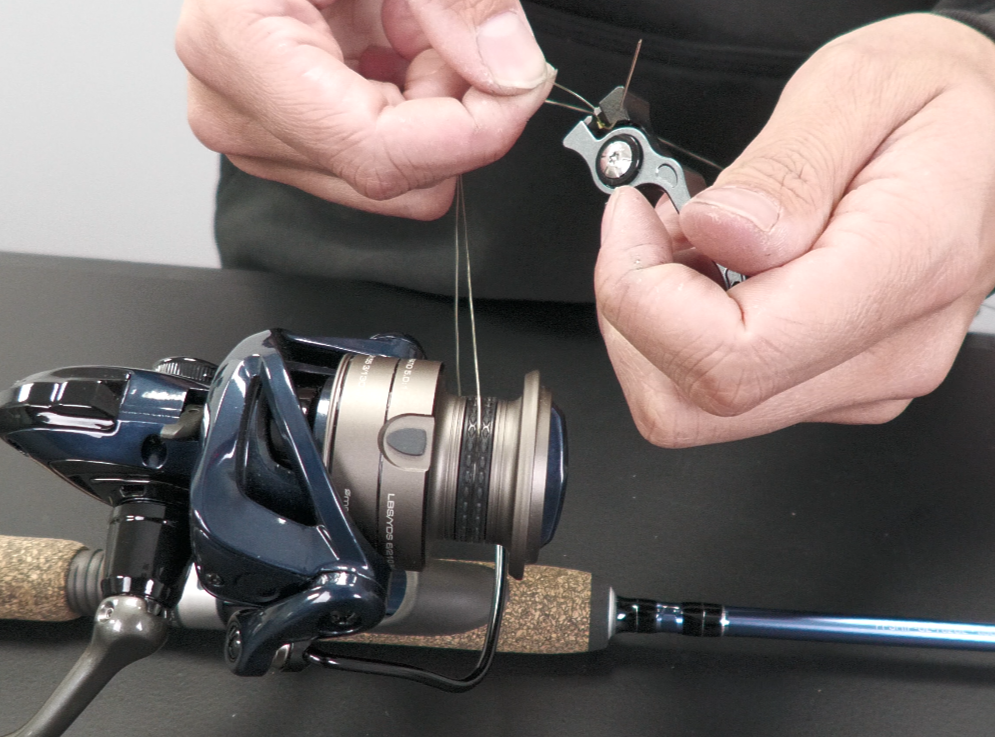
- Spool the new line evenly on the reel
- Test the line tension before fishing
Storage Best Practices
Store your fishing line in a cool, dark place. Avoid heat and sunlight that weaken the line. Keep the line dry to stop mold and mildew growth.
| Storage Tip | Why It Helps |
| Keep line on the reel | Prevents tangling and keeps tension |
| Store in sealed container | Keeps out dust and moisture |
| Use line caps or covers | Protects line ends from damage |
| Avoid direct sunlight | Prevents UV damage and weakening |
Credit: www.fishusa.com

Credit: mossyoakgamekeeper.com
Frequently Asked Questions
How Do I Choose The Right Fishing Line For My Rod?
Select a fishing line based on your rod’s strength and target fish. Match line weight with rod rating for best performance and durability.
What Is The Best Way To Tie A Fishing Line To A Rod?
Use strong knots like the Improved Clinch or Palomar knot. These knots ensure a secure, reliable connection between line and rod.
How Often Should I Replace My Fishing Line?
Replace your fishing line after every few fishing trips or if it shows signs of wear. Frequent replacement prevents line breakage.
Can I Use Any Fishing Line On Any Rod?
No, rods are rated for specific line weights. Using the correct line prevents damage and improves casting and control.
Conclusion
Properly lining your fishing rod helps catch more fish. It also keeps your gear safe and working well. Take your time to tie knots tightly and check the line for any damage. Practice these steps often to get comfortable. Remember, patience and care make fishing more fun and successful.
Enjoy your time by the water with confidence and ease. Keep learning and trying new tips to improve every trip.