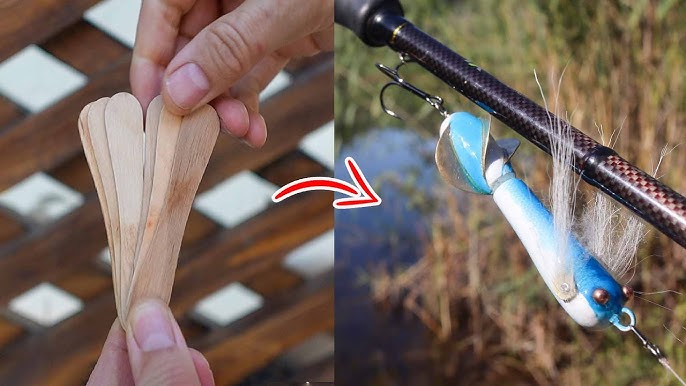
Have you ever dreamed of catching a fish with your own handmade fishing rod? Imagine the satisfaction of turning a simple stick into a tool that reels in your next big catch.
It’s easier than you think, and you don’t need fancy gear or expensive materials. In this guide, you’ll discover step-by-step how to make a fishing rod from a stick using things you can find around you. By the end, you’ll be ready to try your hand at fishing with a rod you built yourself.
Ready to get started? Let’s dive in!
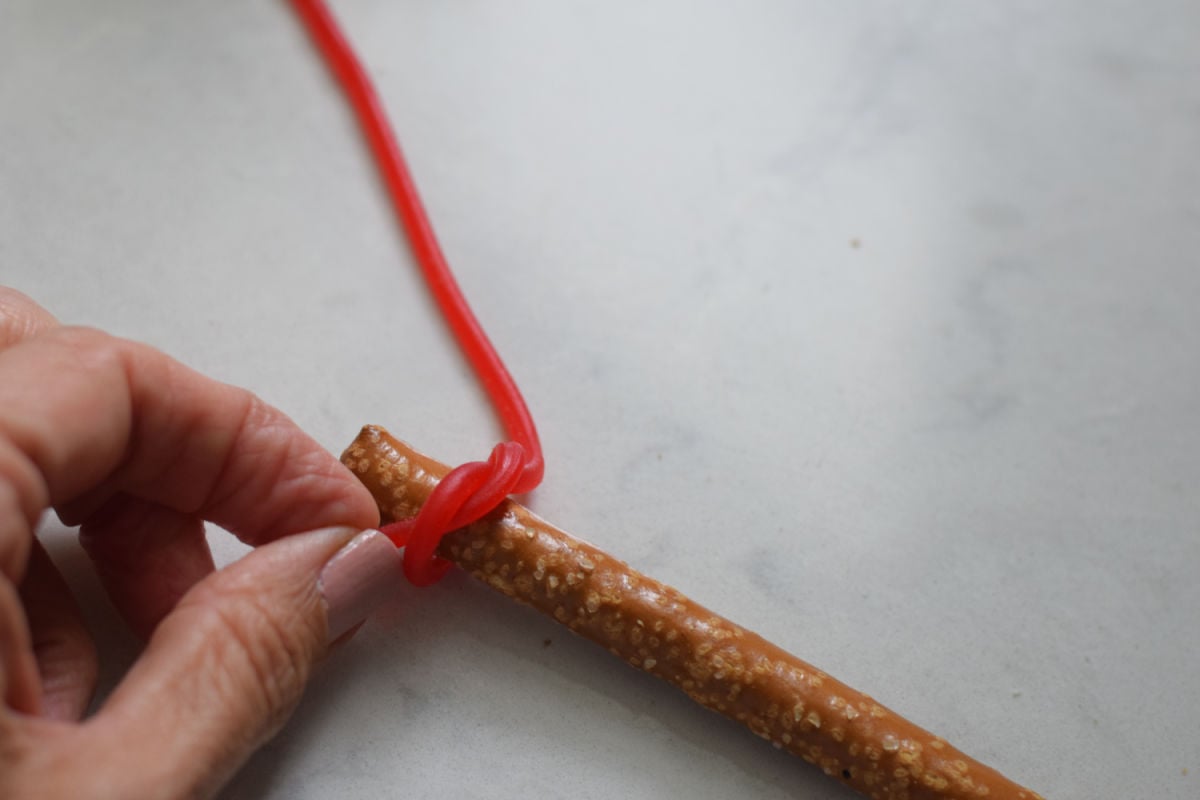
Credit: kidfriendlythingstodo.com
Choosing The Right Stick
Picking the right stick is key to making a good fishing rod. The stick must be strong and flexible.
Not all sticks work well. You need to find one that fits the size and strength needed for fishing.
Ideal Wood Types
Some types of wood work better for fishing rods. They are strong but still bend without breaking.
- Hickory – very tough and flexible
- Bamboo – light and bends easily
- Maple – strong with some flexibility
- Oak – sturdy but can be stiff
Stick Length And Thickness
The stick should be the right length for your fishing style. Usually, 5 to 7 feet works well.
Thickness matters too. A stick about as thick as your thumb is easy to hold and strong enough.
- Longer sticks reach farther but can be harder to control
- Thicker sticks are stronger but less flexible
- Choose a balance that feels comfortable in your hands
Checking For Strength And Flexibility
Test the stick by bending it gently. It should bend without cracking or breaking.
Look for any cracks, knots, or weak spots. These can cause the stick to break while fishing.
- Hold the stick with both hands and bend slowly
- Listen for snapping sounds
- Inspect the stick surface for damage or soft spots
Gathering Essential Materials
Making a fishing rod from a stick is a fun and simple project. You need to gather the right materials before you start. This guide will help you find the basic items for your DIY fishing rod.
Collecting the proper materials ensures your rod works well and lasts longer. Let’s look at what you need to make a basic fishing rod from a stick.
Fishing Line Options
Choose a fishing line that is strong and flexible. The line should hold up when you catch fish but still be easy to handle. There are several types to consider.
- Nylon monofilament: Affordable and easy to use.
- Fluorocarbon: Less visible in water and strong.
- Braided line: Very strong and thin but may be harder to handle.
Selecting Hooks And Bait
Picking the right hooks and bait is important for catching fish. Hooks come in many sizes, so choose one that fits your fishing target. Bait attracts fish to your hook.
| Hook Size | Recommended Bait |
| Small (8-12) | Worms, small insects |
| Medium (4-6) | Crickets, small minnows |
| Large (1-2) | Large worms, artificial lures |
Tools You’ll Need
Having the right tools makes building your fishing rod easier. These tools help you cut, tie, and prepare the materials correctly.
- Sharp knife or scissors for cutting line and trimming the stick.
- Pliers to help tie knots and attach hooks.
- Sandpaper to smooth the stick and remove rough spots.
- Measuring tape or ruler to measure the stick and line.
Preparing The Stick
To make a fishing rod from a stick, you must first prepare the stick well.
Good preparation ensures the rod is strong and easy to use.
Removing Bark And Smoothening
Remove the bark from the stick to prevent it from peeling later. Use a sharp knife or a peeler tool for this task.
- Hold the stick firmly.
- Cut small strips of bark carefully.
- Remove all rough spots and knots.
- Use sandpaper to smooth the surface.
- Check for splinters and sand them down.
Shaping The Tip
Shape the tip of the stick to hold the fishing line. It should be thin but strong.
| Tool | Purpose |
| Knife | Carve the tip to a point |
| Sandpaper | Smooth the tip edges |
| File | Refine the shape for a fine point |
Creating Attachment Points
Make places to attach the fishing line and reel. These points keep the line secure.
- Use a small knife to carve shallow notches near the tip.
- Make another notch at the bottom for the reel or handle.
- Check that the notches hold the line firmly without cutting it.
- Wrap strong thread or twine around the notches for extra grip.
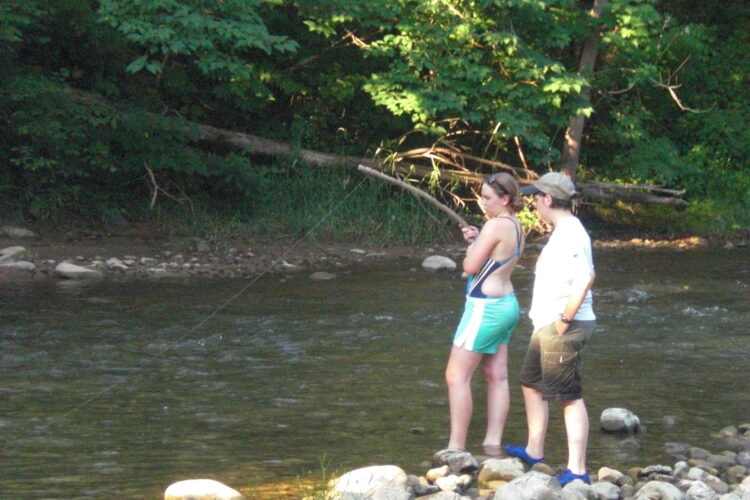
Credit: www.motherearthnews.com
Attaching The Fishing Line
Attaching the fishing line properly is important for a good fishing experience. It helps keep the hook and bait steady.
This guide explains how to tie knots, fix the hook, and add floaters or weights to your fishing line.
Tying Secure Knots
Tying strong knots holds the fishing line firmly to the stick and hook. Weak knots can break easily.
Use simple knots like the improved clinch knot or the loop knot for best results.
- Pass the line through the hook eye twice
- Wrap the tag end around the main line five times
- Thread the tag end through the loop near the hook
- Pull tight and trim the excess line
Fixing The Hook
Attach the hook securely to the fishing line with the knot. Make sure it does not slip off.
Check that the hook points away from the line for better bait placement and catching fish.
- Choose a sharp hook suitable for the fish
- Tie the knot tightly around the hook eye
- Test the hook by pulling gently on the line
Adding Floaters Or Weights
Floaters help keep the bait near the surface, while weights make it sink deeper.
Attach floaters or weights depending on where you want the bait to stay in the water.
- Slide a small floater above the hook to keep bait floating
- Add a small weight below the float or above the hook to sink the bait
- Use light weights for shallow water and heavier ones for deep water
Testing Your Diy Rod
After making your fishing rod from a stick, testing it is important. This helps you know if it works well and is safe to use.
Testing shows if the rod can hold the fish and if you can cast your line correctly. Let’s look at some key tests.
Checking Line Tension
Line tension means how tight the fishing line feels when you pull it. Proper tension keeps the line from breaking or loosening.
Pull on the line gently to check if it stretches too much or feels loose. Adjust the knot or reel if needed.
- Pull the line slowly to test strength
- Make sure the line does not slip on the stick
- Tighten knots if the line feels loose
Adjusting For Balance
Balance means how the rod feels in your hand. A balanced rod is easier to hold and use for a long time.
Hold the rod and check if it feels heavy on one side. Move the handle or add weight to balance it better.
- Hold the rod in your hand
- Check if it leans forward or back
- Add weight near the handle if needed
- Shift the line position for better balance
Casting Techniques
Casting means throwing the bait and line into the water. Good casting helps you catch fish easier.
Practice casting in an open area. Use smooth motions and avoid jerky moves to prevent line tangling or breaking.
- Hold the rod firmly but not too tight
- Use a smooth back and forward motion
- Release the line at the right time
- Practice casting short and long distances
Tips For Successful Fishing
Making a fishing rod from a stick can be fun and rewarding. To catch fish, you need more than just a rod.
Knowing where to fish, the best times, and how to handle fish helps you have a better experience.
Choosing The Right Spot
Look for places where fish like to stay. These include near rocks, plants, or shaded areas.
Slow or still water often holds more fish than fast-moving water.
- Check for underwater structures like logs or weeds
- Fish like cool, shaded water on hot days
- Try spots near the shore where small fish gather
Best Times To Fish
Fish are more active at certain times of the day. Early morning and late afternoon are good times.
Avoid fishing when the sun is high. Fish tend to hide during hot midday hours.
- Fish early after sunrise
- Try late afternoon before sunset
- Overcast days can also be good for fishing
Handling Caught Fish
Handle fish gently to keep them alive if you want to release them. Wet your hands before touching fish.
Use pliers or fingers to remove the hook carefully. Avoid squeezing the fish too hard.
- Keep fish in water when possible
- Remove the hook slowly and carefully
- Release fish quickly if not keeping them
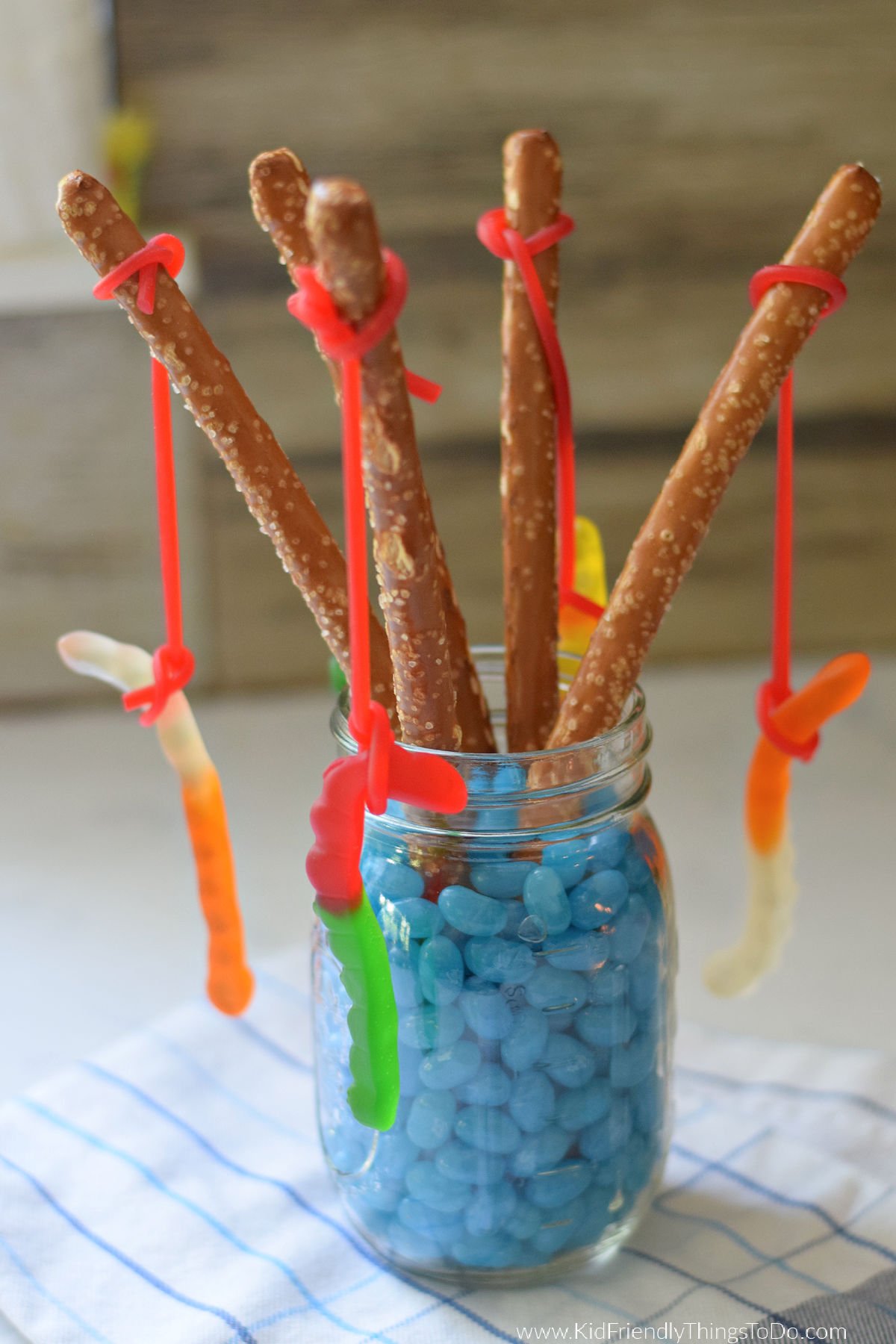
Credit: kidfriendlythingstodo.com
Frequently Asked Questions
How Do You Choose The Right Stick For Fishing?
Select a straight, sturdy stick approximately 6-7 feet long. Ensure it’s strong enough to handle a fish’s weight. Avoid brittle or rotten wood, as it may snap easily. A stick with a slight taper is ideal for flexibility. Test the stick’s strength by applying pressure to ensure durability.
What Materials Do You Need For A Diy Fishing Rod?
Gather a strong stick, fishing line, a hook, and bait. You’ll also need a knife to shape the stick and secure the line. Optional materials include a float or bobber for better visibility and sinkers for casting distance. Ensure all materials are in good condition.
How Do You Attach The Fishing Line To The Stick?
Tie the fishing line securely around the thicker end of the stick. Use a knot that won’t slip, such as a clove hitch or arbor knot. Wrap the line down the stick for added stability. Ensure the line is taut and free of tangles for effective casting and retrieval.
How To Make A Hook For A Stick Fishing Rod?
Fashion a hook from a safety pin or sturdy wire. Bend it into a hook shape, ensuring the tip is sharp. Secure it firmly to the fishing line with a reliable knot, like an improved clinch knot. Ensure the hook is strong enough to hold a fish without bending.
Conclusion
Making a fishing rod from a stick is simple and fun. You only need a few basic things and some patience. This skill helps you enjoy nature and catch fish without buying gear. Try it on your next outdoor trip.
Practice makes perfect. Soon, you will feel proud of your homemade fishing rod. Give it a try and enjoy fishing the old-fashioned way.