
Are you tired of dealing with a refrigerator that just can’t handle the temperature swings in your garage? Imagine having a perfectly chilled beverage waiting for you, no matter how hot or cold it gets outside.
Making your refrigerator garage ready isn’t just a dream—it’s a simple process that you can tackle with ease. In this guide, you’ll discover straightforward steps to ensure your fridge operates efficiently, even in less-than-ideal conditions. By the time you finish reading, you’ll have the knowledge to transform your garage refrigerator into a reliable appliance, ready to meet your needs year-round.
Let’s dive in and make your garage fridge the envy of every home!
Credit: www.familyhandyman.com
Assessing Your Garage Space
Before you move your refrigerator into the garage, it’s important to carefully assess the space where it will sit. This helps avoid common issues like poor ventilation, insufficient power supply, or temperature problems that can damage the appliance. Taking the time to evaluate your garage ensures your fridge works efficiently and lasts longer.
Measuring Available Area
Start by measuring the exact spot where you want the refrigerator. Don’t just note the width and height—check the depth too. Some garages have tight spaces or obstacles like shelves and workbenches that can block the door from opening fully.
Remember to leave some clearance around the fridge for air circulation. A good rule of thumb is to have at least 2 inches of space on the sides and 1 inch at the back. This prevents overheating and helps your fridge run smoothly.
Checking Electrical Outlets
Next, look at the electrical outlets near your chosen spot. Refrigerators need a dedicated outlet with the right voltage and amperage. Plugging your fridge into an overloaded circuit can cause frequent trips or even damage the appliance.
If your garage only has older or limited outlets, consider installing a new one. You want to avoid using extension cords, which are unsafe and may void the warranty. Ask yourself: does the outlet have a ground fault circuit interrupter (GFCI)? Many garages require GFCI outlets for safety.
Evaluating Temperature Fluctuations
Garages often experience wide temperature swings throughout the year. This can affect your refrigerator’s performance and energy efficiency. If your garage gets too cold in winter or too hot in summer, the fridge may struggle to maintain the right internal temperature.
Think about how extreme your garage temperatures get. Do you need to add insulation or a heater? Some fridge models are specifically designed for garage use and handle temperature changes better. Knowing this upfront saves you from costly repairs or spoilage later on.

Credit: www.searshomeservices.com
Choosing The Right Refrigerator
Choosing the right refrigerator is key to making your garage ready. Not all fridges perform well in garage conditions. It is important to pick one that suits the garage environment. Factors like energy efficiency, size, and durability matter a lot. These ensure your refrigerator works well and lasts longer in the garage.
Energy Efficiency Ratings
Energy efficiency ratings show how much power a refrigerator uses. A higher rating means less electricity consumption. This lowers your energy bills and helps the environment. Look for refrigerators with Energy Star certification. These models use advanced technology to save energy without losing performance.
Size And Capacity Considerations
Measure your garage space before buying a fridge. The refrigerator should fit comfortably without blocking pathways. Consider the capacity based on your storage needs. A small fridge suits minimal storage, while larger families need bigger capacity. Think about door openings and ventilation space too. This prevents overheating and improves efficiency.
Durability For Garage Conditions
Garages face extreme temperatures and humidity. Choose a refrigerator built to withstand these conditions. Look for models with reinforced insulation and durable materials. Some fridges come with special garage-ready features. These include stronger compressors and weather-resistant exteriors. Such features keep the fridge running smoothly in tough environments.
Preparing The Garage Environment
Getting your garage ready for a refrigerator isn’t just about finding the right spot. The environment plays a huge role in how well your fridge will work and how long it will last. Preparing the garage means making sure the space around your fridge is just right—neither too hot, too cold, nor too damp.
Insulating The Space
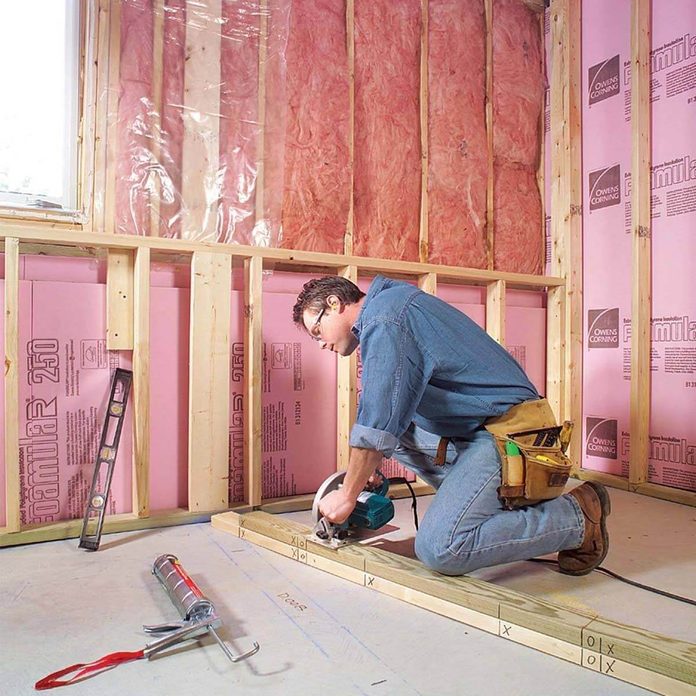
Insulation helps keep the garage temperature stable, which is crucial for your refrigerator. Without proper insulation, your fridge has to work harder to maintain its temperature, increasing energy use and wear.
You can add insulation to walls and ceilings using foam boards or fiberglass batts. Don’t forget to seal gaps around windows and doors to stop drafts. This small effort can save you money and extend your fridge’s life.
Improving Ventilation
Good airflow prevents heat buildup around your refrigerator. Poor ventilation makes the compressor work overtime, which can cause breakdowns.
Install vents or use a fan to keep air moving. Even leaving a few inches of space behind and on the sides of your fridge helps air circulate better. Have you checked if your garage door or windows provide natural airflow?
Controlling Humidity Levels
Excess moisture in the garage can cause rust and damage to your fridge’s components. High humidity also encourages mold growth, which is unhealthy and can affect your food.
Use a dehumidifier or moisture absorbers to keep humidity in check. Monitoring with a hygrometer will tell you if the air is too damp. Keeping humidity below 60% protects both your fridge and what’s inside it.
Protecting Your Refrigerator
Protecting your refrigerator is essential when preparing it for a garage environment. Garages often expose appliances to dust, moisture, and temperature changes. Taking simple steps can extend your refrigerator’s life and keep it working well. Protecting it helps avoid damage and costly repairs.
Using Protective Covers
Protective covers shield the refrigerator from dust and scratches. Choose covers made of waterproof material to prevent moisture damage. Ensure the cover fits snugly to avoid gaps where dirt can enter. Covers also help maintain a clean surface, reducing cleaning time.
Elevating To Avoid Moisture
Raising your refrigerator off the garage floor stops moisture from reaching it. Use sturdy blocks or a platform to lift it several inches. Elevation prevents rust and electrical damage caused by water. This simple step keeps the appliance dry and safe.
Securing Against Dust And Debris
Garage dust can clog vents and filters, reducing efficiency. Seal gaps around the fridge with weather stripping or foam tape. Clean the area regularly to minimize dust buildup. Keeping debris away ensures smooth operation and better cooling.
Adjusting Refrigerator Settings
Adjusting refrigerator settings is key to making it garage ready. Changes in temperature and environment affect its performance. Proper settings help the fridge run efficiently and keep food fresh despite fluctuating garage temperatures.
Setting The Right Temperature
Keep the fridge temperature between 37°F and 40°F (3°C to 4°C). The freezer should stay at 0°F (-18°C). These temperatures prevent food spoilage and maintain energy efficiency. Avoid setting temperatures too low or too high to protect your appliance.
Activating Garage Mode Features
Many refrigerators have a garage mode or similar setting. This mode adjusts the compressor to work well in colder or hotter spaces. Check your user manual to find and activate this feature. It helps the fridge run smoothly in the garage environment.
Regular Maintenance Checks
Perform routine checks to keep your fridge running well. Clean the coils and vents to prevent dust build-up. Inspect door seals for cracks or gaps. Replace filters as recommended. These steps improve efficiency and extend the fridge’s life in the garage.
Troubleshooting Common Issues
Troubleshooting common issues is key to making your refrigerator garage ready. Even with careful preparation, problems like temperature swings, condensation, and power hiccups can pop up. Knowing how to handle these challenges keeps your fridge running smoothly and your food safe.
Handling Temperature Fluctuations
Temperature changes can stress your refrigerator and spoil food. If your garage gets too hot during the day and cools down at night, your fridge might struggle to maintain a steady temperature.
Check if your refrigerator has a built-in temperature control for warmer environments. If not, consider adding insulation around the fridge or using a small fan to circulate air. Have you noticed your fridge running more often or less consistently? That’s a sign to inspect the thermostat and door seals for leaks.
Dealing With Condensation
Condensation inside or around your fridge can cause mold and rust. Garages often have higher humidity, especially in rainy or humid climates.
Make sure your garage floor is dry and the fridge sits on a raised platform to avoid moisture contact. Use a dehumidifier or silica gel packs nearby to reduce humidity. Also, regularly check and clean the door gasket to keep it sealing tightly and preventing moist air from sneaking in.
Addressing Power Supply Problems
Power issues can cause your refrigerator to malfunction or stop working entirely. Garages might have less stable power sources or shared circuits that trip easily.
Use a dedicated outlet with surge protection for your fridge. Test the outlet with another appliance to ensure consistent power flow. If you experience frequent outages or flickering, consider installing a backup power supply or consulting an electrician to upgrade your garage’s wiring.

Credit: www.gladiatorgarageworks.com
Frequently Asked Questions
How To Prepare A Refrigerator For Garage Installation?
Clean the fridge thoroughly, check seals, and ensure proper ventilation. Adjust the thermostat for garage temperature fluctuations. Use a garage-ready refrigerator if possible for better performance in extreme temperatures.
Can Regular Refrigerators Work Well In A Garage?
Standard refrigerators may struggle in garages due to temperature extremes. They can overheat or freeze, affecting efficiency and lifespan. Garage-rated models are designed to handle these conditions better.
What Temperature Range Is Ideal For Garage Refrigerators?
Garage refrigerators work best between 50°F and 110°F. Extreme cold or heat can cause compressor issues or food spoilage. Monitor garage temperature and adjust settings accordingly.
Should I Insulate My Garage For A Fridge?
Insulating the garage helps maintain stable temperatures, improving refrigerator efficiency. It reduces temperature swings that can harm the appliance. Proper insulation extends the fridge’s life and saves energy.
Conclusion
Making your refrigerator garage ready is easier than you think. Simple steps like improving ventilation and adding insulation help a lot. Keep the fridge away from direct sunlight and moisture. Check the temperature regularly to avoid damage. A small investment in care can extend your appliance’s life.
Your garage fridge will stay cool and work well. This way, you save money and avoid repairs. Try these tips and enjoy a reliable fridge in your garage.