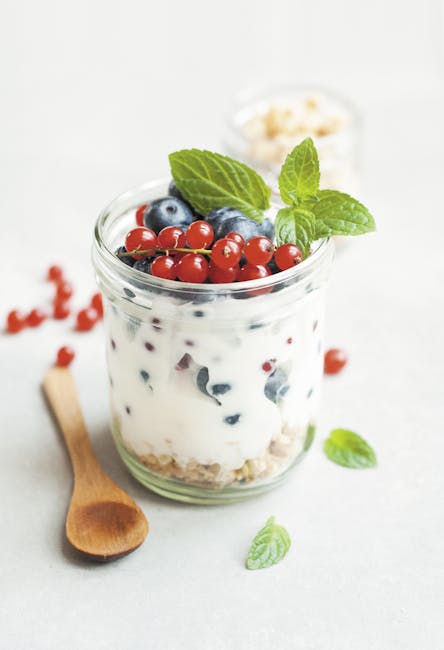
Have you ever wondered how to make ice cream that’s fresh, creamy, and bursting with natural flavor? Using raw milk can take your homemade ice cream to the next level, giving it a rich taste you won’t find in store-bought brands.
In this guide, you’ll discover simple steps to create delicious ice cream right in your kitchen. Whether you’re a beginner or looking to try something new, this recipe will make your ice cream dreams come true. Keep reading, and get ready to impress yourself and your loved ones with a treat that’s truly special.
Choosing Raw Milk
Choosing the right raw milk is key to making delicious, fresh ice cream. Quality milk affects taste, texture, and safety. Understanding where to find good raw milk and how to handle it keeps your ice cream safe and tasty.
Benefits Of Raw Milk
Raw milk has natural enzymes that improve flavor and creaminess. It contains healthy fats and probiotics that support digestion. Many people prefer raw milk for its fresh, rich taste. It keeps more nutrients intact than pasteurized milk.
Where To Source Raw Milk
Look for local farms that follow strict hygiene rules. Farmers’ markets often sell fresh raw milk directly from producers. Some farms allow you to visit and see their milking process. Always choose sources with good reviews and clear practices.
Safety Tips For Raw Milk
- Buy only from trusted farms with clean milking routines.
- Keep raw milk refrigerated at all times.
- Use raw milk quickly or freeze it to prevent spoilage.
- Check milk for unusual smell or color before use.
- Clean all utensils and containers thoroughly before making ice cream.
Essential Ingredients
Making ice cream with raw milk requires a few simple yet important ingredients. These ingredients create the perfect base and flavor for your homemade treat. Choosing quality ingredients ensures a rich and creamy texture.
Raw milk offers natural creaminess and freshness. Pair it with the right sweeteners and flavors to balance the taste. You can also customize your ice cream with fun add-ins and toppings for extra delight.
Cream And Sweeteners
- Use fresh raw milk as the main ingredient.
- Heavy cream adds richness and smooth texture.
- Sugar is the most common sweetener for ice cream.
- Honey or maple syrup work well as natural alternatives.
- Adjust sweetness to your taste preference.
Flavor Options
- Vanilla extract gives a classic and mild flavor.
- Cocoa powder adds a deep chocolate taste.
- Fruit purees like strawberry or mango create fresh flavors.
- Spices such as cinnamon or nutmeg add warmth.
- Experiment with coffee or mint for unique twists.
Add-ins And Toppings
- Chopped nuts add crunch and texture.
- Chocolate chips or chunks bring sweetness and bite.
- Fresh fruit pieces make the ice cream refreshing.
- Sprinkles or crushed cookies add fun and color.
- Caramel or fudge sauce provide extra richness.
Equipment Needed
Making ice cream with raw milk is an exciting culinary adventure that requires the right equipment to achieve creamy perfection. Whether you’re a novice or a seasoned ice cream enthusiast, selecting the appropriate tools can significantly impact your end result. Let’s dive into the essential equipment you’ll need to churn out delicious homemade ice cream.
Ice Cream Maker Types
Choosing the right ice cream maker is crucial. You might wonder if an electric or manual model suits your needs better. Electric ice cream makers offer convenience and speed, perfect for those who want a hassle-free experience. Brands like Cuisinart and Breville are popular for their user-friendly designs and consistent results.
On the other hand, manual ice cream makers, such as the traditional hand-cranked models, provide a more hands-on approach. They might take a little elbow grease, but many swear by the unique texture and flavor profile they produce. Which type aligns with your ice cream-making goals?
Alternative Tools
If you don’t have an ice cream maker, don’t worry. There are alternative methods to explore. A simple zip-lock bag method can yield surprisingly good results. By using ice and salt, you can create a makeshift churn that mimics the action of a traditional ice cream maker.
Another option is using a food processor. Blend your ingredients, freeze them, and then re-blend for a creamy consistency. It’s a nifty trick that can save you time and money.
Cleaning And Preparation
Before you start, ensure all your tools are clean and ready. This includes not only the ice cream maker but also mixing bowls, spoons, and any additional utensils. Clean equipment ensures the purest flavor and prevents contamination.
Preparation is key. Gather all your ingredients and tools in one place to streamline the process. This way, once you start, you can focus solely on crafting your delightful ice cream without unnecessary interruptions. How do you prepare for a seamless ice cream-making session?

Credit: missyshomestead.com
Basic Ice Cream Recipe
Making ice cream with raw milk is a delightful way to enjoy a fresh and creamy treat right from your kitchen. This basic ice cream recipe uses simple ingredients and straightforward steps, making it perfect even if you’re new to homemade ice cream. You’ll find that raw milk brings a rich, natural flavor that’s hard to beat.
Mixing Ingredients
Start by gathering your ingredients: raw milk, heavy cream, sugar, and vanilla extract. Use about 2 cups of raw milk, 1 cup of heavy cream, ¾ cup of sugar, and 1 teaspoon of vanilla extract for a standard batch.
Pour the raw milk and cream into a large mixing bowl. Add the sugar and vanilla extract. Stir gently but thoroughly until the sugar dissolves completely. Have you noticed how the sugar melts faster in cold milk when you stir continuously?
Chilling The Mixture
Once your ingredients are mixed, cover the bowl with plastic wrap or a lid. Place it in the refrigerator to chill for at least 2 hours. Chilling helps the mixture thicken and improves the texture of the final ice cream.
This step is crucial because it lets the flavors meld and the fat in the cream to solidify slightly. Have you ever tried skipping this step? The ice cream usually turns out icier and less creamy.
Freezing Process
After chilling, pour the mixture into your ice cream maker. Follow your machine’s instructions for freezing. If you don’t have an ice cream maker, you can pour the mixture into a shallow dish and freeze it, stirring every 30 minutes to break up ice crystals.
The goal is to freeze the mixture evenly while incorporating air, which makes your ice cream light and smooth. How often you stir makes a big difference when you’re freezing it without a machine. Don’t rush this step—it’s where your homemade ice cream really comes to life.
Tips For Creamy Texture
Getting that perfect creamy texture in your homemade ice cream made with raw milk can be a game-changer. It’s not just about taste but how smooth and enjoyable each spoonful feels. Paying attention to a few key factors can help you achieve that luscious creaminess every time.
Balancing Fat Content
Fat is your ice cream’s best friend when it comes to creaminess. Raw milk naturally varies in fat, so you might need to add heavy cream or whole milk to reach the right balance.
A good target is around 10-14% fat content. Too little fat makes ice cream icy and thin, while too much can make it heavy and greasy.
Have you tried mixing raw milk with cream in different ratios? You’ll notice how even small tweaks affect the final texture.
Avoiding Ice Crystals
Large ice crystals ruin the smoothness of ice cream. To keep crystals tiny, freeze your mixture quickly and avoid fluctuations in temperature.
Adding a bit of sugar or natural stabilizers like gelatin or guar gum can help control crystal size. These ingredients interfere with ice formation, keeping the texture soft.
Do you have a freezer that chills unevenly? Try placing your container in the coldest spot or using an ice cream maker that churns while freezing.
Churning Techniques
Churning is where magic happens—it incorporates air and prevents large ice crystals from forming. Use a slow and steady churn to achieve a smooth texture.
Over-churning can create a grainy texture, so watch your ice cream closely. Stop churning when it thickens but before it becomes too stiff.
Have you experimented with hand-crank versus electric churners? Each method offers different control and texture results worth exploring.
Flavor Variations
Flavor variations can transform your homemade ice cream from simple to spectacular. Using raw milk as a base gives you a rich, creamy texture that pairs well with many tastes. You can easily customize your ice cream to suit your mood or impress your guests with a unique twist.
Classic Vanilla
Vanilla is a timeless choice that highlights the natural creaminess of raw milk. Use real vanilla beans or pure vanilla extract to get a deep, authentic flavor. A tip I learned is to let the vanilla seeds infuse in the warm milk before chilling—it makes a noticeable difference.
Fruit Infusions
Adding fresh or frozen fruit can brighten your ice cream with natural sweetness and vibrant colors. Think strawberries, blueberries, or even mango chunks mixed in after churning. Have you tried cooking fruit slightly with a bit of sugar before adding? It enhances the flavor and softens the texture perfectly.
Chocolate And Nuts
Chocolate and nuts bring a crunchy, indulgent contrast to creamy ice cream. Melt good-quality chocolate into the base or stir in chocolate chips for texture. Toasted nuts like almonds or pecans add a toasty depth—try sprinkling them in just before the final freeze to keep them crunchy.
Storing And Serving
Storing and serving homemade ice cream made with raw milk needs care. Proper storage keeps the ice cream creamy and fresh. Serving it right makes every bite delicious. Follow these tips to enjoy your treat perfectly.
Proper Freezing Methods
Use an airtight container to freeze your ice cream. This stops ice crystals from forming and keeps texture smooth. Place a piece of plastic wrap directly on the ice cream’s surface before sealing. Freeze at a steady temperature below 0°F (-18°C).
Avoid frequent opening of the freezer. This causes temperature changes and affects quality. For best results, freeze your ice cream for at least 4 hours before serving.
Serving Suggestions
Let ice cream sit at room temperature for 5 minutes before scooping. This softens it slightly, making scooping easier. Serve in bowls or cones with toppings like fresh fruit or nuts.
- Drizzle with honey or chocolate sauce
- Add crushed cookies or sprinkles
- Pair with warm desserts like pie or brownies
Enjoy your ice cream plain to taste the fresh raw milk flavor.
Shelf Life And Freshness
Store ice cream in the coldest part of your freezer. Homemade ice cream lasts about 1 to 2 weeks for best taste. After this, it may lose flavor and become icy.
Check for any off smells or freezer burn before eating. Always use a clean spoon to prevent contamination. Keep your raw milk ice cream fresh and safe with these simple steps.

Credit: www.farmhouseonboone.com
Common Issues And Fixes
Making ice cream with raw milk can be a rewarding experience, but it often comes with a few common challenges. Understanding these issues and knowing how to fix them can save you time and disappointment. Let’s dive into some typical problems you might face and the simple solutions to keep your homemade ice cream smooth, tasty, and perfectly chilled.
Grainy Texture Solutions
If your ice cream turns out grainy, it’s usually because the fat and water aren’t blending well during freezing. Raw milk’s natural fat can sometimes separate, causing that unpleasant texture.
Try these fixes:
- Warm the mixture gently:Heat your ice cream base to about 160°F (71°C) and then cool it quickly. This helps the fat emulsify better.
- Use an emulsifier:Adding a small amount of lecithin or even a bit of egg yolk can improve texture by binding fat and water.
- Churn properly:Make sure your ice cream maker is cold and churning consistently to prevent ice crystals from forming.
Over-freezing Problems
Does your ice cream get too hard and rock-solid after freezing? This happens when too much water freezes into ice crystals.
You can prevent this by:
- Adding sugar or alcohol:Both lower the freezing point, keeping ice cream softer. A tablespoon of vodka or extra sugar can help.
- Don’t store too long:Ice cream is best enjoyed within two weeks. Longer storage means more crystal growth.
- Use proper containers:Store your ice cream in shallow, airtight containers to freeze quickly and evenly.
Taste Adjustments
Sometimes raw milk ice cream tastes different than what you expect—maybe too strong or a bit “milky.” You can tweak flavors easily.
Here’s how to balance taste:
- Sweeten carefully:Adjust sugar levels to mask strong milk flavors without overpowering the ice cream.
- Add flavor boosters:Vanilla extract, cocoa powder, or fresh fruit purees can brighten the taste and add complexity.
- Try blending milks:Mixing raw milk with cream or even pasteurized milk can soften the flavor if it’s too intense.
Have you ever noticed how subtle changes in preparation can transform your ice cream? Sometimes a small tweak makes all the difference between a so-so batch and one you want to serve again and again.

Credit: thedomesticlifestylist.com
Frequently Asked Questions
What Is The Best Raw Milk For Homemade Ice Cream?
The best raw milk for ice cream is fresh, high-quality, and sourced from healthy cows. It should be full-fat to ensure a creamy texture and rich flavor in your ice cream.
How Do You Safely Use Raw Milk In Ice Cream?
To safely use raw milk, ensure it is fresh and stored properly. Use a reliable recipe with proper freezing techniques to maintain safety and quality.
Can Raw Milk Ice Cream Be Made Without An Ice Cream Maker?
Yes, raw milk ice cream can be made without a machine. Use the freeze-and-stir method to achieve a creamy texture manually.
How Long Does Homemade Ice Cream With Raw Milk Last?
Homemade ice cream with raw milk lasts about 1-2 weeks in the freezer. Store it in an airtight container to maintain freshness and prevent ice crystals.
Conclusion
Making ice cream with raw milk is simple and fun. You only need a few ingredients and some patience. This method keeps the ice cream creamy and fresh. Try different flavors to find your favorite taste. Homemade ice cream brings joy to any day.
Enjoy the process and the delicious results. This recipe lets you share a tasty treat with friends and family. Give it a try and savor every bite!