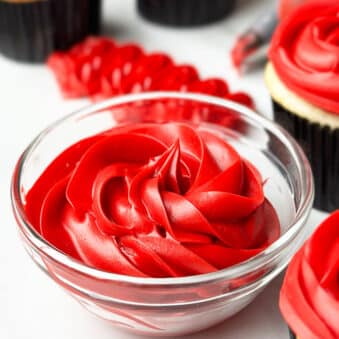
Are you craving that perfect bright red icing but don’t have red food coloring on hand? You’re not alone.
Many bakers face this challenge and worry their treats won’t look as vibrant or festive. The good news? You can make beautiful red icing using simple, natural ingredients you probably already have in your kitchen. You’ll discover easy, safe, and effective ways to get that stunning red shade without relying on artificial colors.
Keep reading, and you’ll never worry about running out of red food coloring again!
Natural Ingredients For Red Icing
Creating red icing without red food coloring is easier than you might think. Natural ingredients can give your icing vibrant hues while adding unique flavors. These alternatives are perfect if you want to avoid artificial dyes and still impress with stunning red icing.
Beetroot Powder
Beetroot powder offers a deep, rich red color that works beautifully in icing. Its earthy flavor is subtle and often disappears when mixed with sweet frosting. You can start by adding a small amount and increase until you get the perfect shade.
One tip is to mix beetroot powder with a bit of water before adding it to the icing. This prevents clumps and helps you control the color intensity better. Have you tried beetroot powder in your baking yet?
Pomegranate Juice
Pomegranate juice adds a bright, natural red tint along with a slight fruity tang. It’s liquid, so adjust the consistency of your icing by reducing other liquids slightly. The juice also brings a fresh flavor that works great with cream cheese or buttercream frostings.
Try simmering the juice to concentrate the color and flavor before adding it. This can make your icing look more vibrant without watering it down.
Strawberry Puree
Fresh or frozen strawberries blended into a puree give your icing a soft pink to red tone. The natural sweetness enhances the flavor, making your icing taste as good as it looks. You might want to strain the puree to keep your icing smooth and creamy.
Have you noticed how strawberry puree can sometimes make your icing slightly thinner? Adding a bit of powdered sugar can help balance the texture.
Raspberry Juice
Raspberry juice provides a bright, bold red color with a tangy twist. Like pomegranate juice, it’s liquid, so monitor your icing’s texture carefully. The juice’s natural acidity can brighten the taste of your frosting.
For a stronger color, simmer the juice to reduce it before adding. This trick also intensifies the raspberry flavor, giving your icing a fresh berry punch.
Hibiscus Powder
Hibiscus powder creates a beautiful ruby-red color with a slightly tart flavor. It’s a great option if you want a unique twist on your icing. Steeping the powder in a small amount of hot water and then using the liquid can help you get a smooth, even color.
Have you ever tasted the floral notes hibiscus adds to your baked goods? It can turn simple icing into something unexpectedly delightful.
Preparing Base Icing
Preparing the base icing is a crucial step when making red icing without red food coloring. The right base sets the stage for the color and texture you want to achieve. It also affects how the natural ingredients will blend and show through in the final product.
Choosing The Right Icing
Pick an icing that complements your color goals. Buttercream is a popular choice because it’s smooth and easy to tint with natural ingredients like beet juice or strawberry puree. If you want something lighter, royal icing works well but can be less forgiving with added liquids.
Think about your icing’s sweetness and texture. A cream cheese base adds tanginess, which can balance out earthy flavors from natural colorants. Have you tried mixing different icing types to get a unique flavor and texture? It’s worth experimenting to find what suits your taste and recipe.
Adjusting Consistency
Consistency is key when adding natural colors to your icing. Too runny, and your decorations won’t hold shape. Too thick, and the color might not spread evenly.
Add liquids like beet juice or pomegranate syrup slowly. Stir well and check the texture before adding more. You might need to balance with extra powdered sugar if it becomes too thin.
Test the icing’s consistency by spreading a small amount on a plate. Does it hold its form or spread too quickly? This simple test helps avoid surprises when you decorate your cake or cookies.
Using Beetroot For Vibrant Red
Creating red icing without artificial colors can be simple. Beetroot offers a natural, vibrant red. It’s a healthy alternative with a slightly earthy taste. Plus, it’s easy to use in your icing recipe. Let’s explore how beetroot can give your icing a beautiful red hue.
Extracting Beetroot Juice
Start with fresh beetroots. Wash them thoroughly. Peel the skin to remove any dirt. Chop the beetroot into small pieces. This helps in easy blending.
Place the chopped beetroot in a blender. Blend until smooth. Strain the mixture using a fine mesh sieve or cheesecloth. This separates the juice from the pulp. Collect the juice in a bowl. Your beetroot juice is ready for use.
Mixing Beetroot With Icing
Begin with your favorite icing recipe. Prepare the icing base as usual. Add a few teaspoons of beetroot juice. Stir well to combine.
Check the color. If needed, add more juice for a deeper red. Mix until you achieve the desired shade. Taste your icing. Adjust the sweetness if necessary.
Ensure the icing is smooth and evenly colored. Use immediately on your baked goods. This natural red icing not only looks good but also adds a unique flavor. Enjoy your colorful creation!

Credit: chelsweets.com
Fruit Juices For Natural Red Hue
Using fruit juices to achieve a natural red hue in your icing is a smart and tasty alternative to artificial food coloring. These juices not only add a beautiful color but also infuse subtle fruity flavors that enhance your baked treats. The key is choosing the right juice and balancing the amount to keep your icing smooth and vibrant.
Strawberry And Raspberry Options
Strawberry and raspberry juices are excellent choices for a soft, natural red tint. You can crush fresh berries and strain the juice, or use store-bought berry juice concentrates. Keep in mind that these juices are quite watery, so you might need to reduce the liquid in your icing recipe slightly to maintain the right consistency.
Adding just a teaspoon or two can give your icing a lovely pinkish-red shade. For a deeper red, increase the amount gradually, but watch out for a runny texture. Have you tried blending fresh berries with powdered sugar to create a naturally sweet and colorful icing?
Pomegranate Concentrate Tips
Pomegranate concentrate is a powerful option for a rich, dark red color. Its intense flavor and deep hue can transform plain icing into something visually stunning. Since pomegranate concentrate is thick and tangy, start with a small amount and mix well to avoid overpowering your icing’s taste.
To keep the texture smooth, add the concentrate in tiny increments and taste as you go. It pairs wonderfully with cream cheese or buttercream icing, adding a subtle tartness. Would you consider using pomegranate concentrate for a unique twist on your classic red icing?
Flower Powders And Their Uses
Flower powders offer a natural and vibrant way to color red icing without artificial dyes. These powders come from dried petals, ground into fine textures. They provide both color and subtle flavors to your frosting.
Using flower powders can enhance your icing with natural antioxidants and gentle floral notes. They blend well with buttercream, cream cheese, and royal icing. Flower powders also create beautiful, earthy tones that brighten your baked goods.
Hibiscus Powder Benefits
Hibiscus powder has a deep red color perfect for icing. It adds a tart, fruity flavor that balances sweetness. This powder is rich in antioxidants, supporting health while decorating. Hibiscus powder dissolves easily, giving smooth, even color. It also helps your icing stay fresh longer.
Incorporating Flower Powders
Start by sifting flower powder to avoid lumps in icing. Mix small amounts into your frosting and stir well. Adjust the quantity for desired color intensity. Use a spoon or spatula to blend thoroughly. Flower powders work best in creamy, thick icings. Test color on a small batch before full mixing.

Credit: chelsweets.com
Adjusting Color Intensity
Adjusting the color intensity of red icing without using artificial food coloring takes patience and care. The right shade depends on how much natural dye you use. Small changes can make a big difference in color depth and vibrancy.
It is important to build the color slowly. This avoids ending up with a shade that is too dark or uneven. Natural dyes can vary in strength, so tasting and watching the color as you go helps achieve the perfect red.
Layering Natural Dyes
Start by adding a small amount of natural dye to the icing. Mix well and check the color. Gradually add more in layers to deepen the red shade.
- Use beet juice or powder for a strong red base.
- Add pomegranate or cherry juice for brightness.
- Mix small amounts of hibiscus tea for a pinkish tone.
Layering allows better control over color intensity. Each layer adds depth without overpowering the icing. Stir gently to keep the texture smooth.
Balancing Flavor And Color
Natural dyes affect flavor. Too much beet juice can make the icing taste earthy. Fruit juices add sweetness but may thin the icing.
Balance color with taste by:
- Using concentrated juices to minimize liquid volume.
- Adding powdered natural dyes instead of liquids.
- Tasting after each addition to avoid strong flavors.
Adjust sweetness or thickness as needed. This keeps the icing smooth and delicious while achieving the right red tone.
Tips For Storing Red Icing
Storing red icing made without red food coloring can be a bit tricky, but with the right approach, you can keep its vibrant color and delicious texture intact. Proper storage not only preserves the hue but also maintains the icing’s smoothness for your next use. Let’s dive into some practical tips that will help you get the best out of your homemade red icing.
Maintaining Color Over Time
Natural ingredients used to color red icing, like beet juice or strawberry puree, may fade or change color if not stored correctly. To keep the red shade fresh, store the icing in an airtight container to prevent exposure to air, which can dull the color.
Keep the icing away from direct sunlight or strong artificial light, as light speeds up color breakdown. Have you noticed your icing turning pink or orange after a day? That’s a sign it’s time to adjust your storage strategy.
Best Storage Practices
- Use airtight containers:Glass or plastic containers with tight seals work best to lock in moisture and color.
- Refrigerate promptly:Store the icing in the fridge if you don’t plan to use it within a few hours. This slows down any color fading and keeps the icing fresh.
- Bring to room temperature before use:Cold icing can be hard to spread. Let it sit out for 15-20 minutes, then stir gently to restore smoothness.
- Label your containers:Note the date you made the icing. Homemade icing typically lasts about a week in the fridge.
Have you ever tried freezing red icing? It’s possible, but the texture might change slightly after thawing. If you do freeze it, let it thaw in the fridge overnight and stir well before using.
Common Mistakes To Avoid
Creating red icing without red food coloring can be rewarding, but it’s easy to slip up. Avoiding common mistakes will save you time and frustration. Let’s look at key pitfalls that could affect your icing’s color and taste.
Overusing Natural Ingredients
Natural color sources like beet juice or raspberry puree are powerful. Using too much can turn your icing watery or change its texture. I once added extra beet juice to get a deeper red but ended up with runny icing that wouldn’t set properly.
Start with small amounts and add gradually. This helps you control both color intensity and consistency. Ask yourself: Is the color worth risking the icing’s structure?
Ignoring Flavor Changes
Natural colorants often bring strong flavors. Beets add earthiness, while berries introduce tartness. Ignoring these changes can lead to surprising taste results that clash with your dessert.
Balance is key. Taste your icing as you go and adjust sugar or vanilla to mask unexpected flavors. Have you considered how your color choice might change the overall flavor profile?

Credit: www.amodernhomestead.com
Frequently Asked Questions
How Can I Make Red Icing Naturally?
You can use natural ingredients like beet juice, pomegranate juice, or raspberry puree. These add vibrant red color without artificial dyes. They also provide subtle flavor enhancements to your icing, making it both colorful and tasty.
What Substitutes Work For Red Food Coloring?
Beetroot powder, freeze-dried strawberries, or cherry juice are great substitutes. They offer natural red hues and are healthier alternatives. These ingredients blend well in icing, giving a beautiful red tint without synthetic chemicals.
Will Natural Red Ingredients Affect Icing Taste?
Yes, natural colorants like beet juice may add slight earthy or fruity notes. The taste is usually mild and can complement sweet icing. Adjust sugar or flavorings to balance any subtle changes in flavor.
Can I Use Beetroot Powder For Red Icing?
Absolutely! Beetroot powder is a popular natural dye for red icing. It dissolves well and provides a rich red color. Use small amounts to avoid overpowering the taste, and mix thoroughly for even coloring.
Conclusion
Making red icing without food coloring is simple and fun. Use natural ingredients like beet juice or raspberry juice for color. These options give a lovely red shade without chemicals. You can still enjoy bright, tasty icing for cakes and cookies.
Try different amounts to find your perfect shade. Natural red icing adds a fresh touch to your baking. Give it a try next time you decorate!