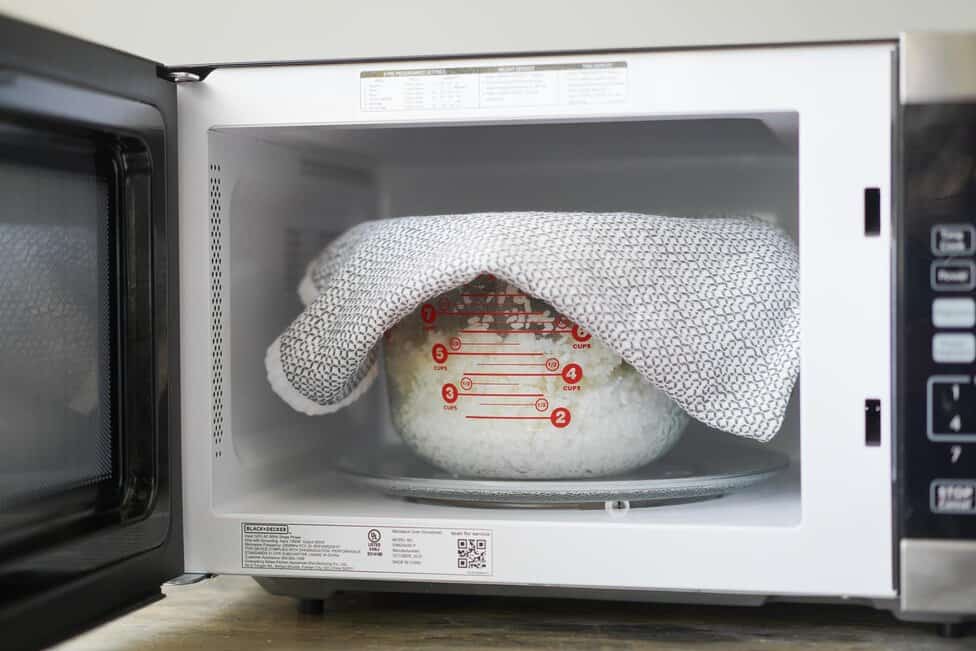
Are you tired of the hassle that comes with cooking rice on the stove? What if you could make perfectly fluffy rice using just your microwave oven?
You’re about to discover a simple, fast, and foolproof way to cook rice without standing over a pot or worrying about burning it. Whether you’re a busy student, a working professional, or just want an easy meal hack, this method will save you time and effort.
Keep reading, and you’ll learn exactly how to make delicious rice in your microwave—every single time.
Choosing The Right Rice
Choosing the right rice is key to a perfect microwave-cooked meal. Not all rice types cook the same in a microwave. Some need more water, some less. Picking the correct rice affects texture and taste. It also helps avoid undercooked or mushy rice.
Types Of Rice Suitable For Microwaving
Long-grain rice like basmati and jasmine work well in microwaves. They stay fluffy and separate. Medium-grain rice is good too. It tends to be a bit stickier.
Short-grain rice is usually sticky and may clump. It needs careful water control. Brown rice takes longer to cook. It requires more water and time.
- Basmati Rice
- Jasmine Rice
- Medium-Grain Rice
- Short-Grain Rice
- Brown Rice
Rice-to-water Ratios
The right water amount is crucial for microwave rice. Too little water means hard rice. Too much water makes it mushy.
Use this simple guide for common rice types:
| Rice Type | Rice-to-Water Ratio |
|---|---|
| Long-Grain White Rice | 1 cup rice : 2 cups water |
| Medium-Grain White Rice | 1 cup rice : 1.75 cups water |
| Short-Grain Rice | 1 cup rice : 1.5 cups water |
| Brown Rice | 1 cup rice : 2.5 cups water |
Adjust water slightly based on your microwave power. Use a microwave-safe container with a lid. Stir rice halfway through cooking for even results.
:max_bytes(150000):strip_icc()/The-Best-Way-to-Cook-Rice-FT-BLOG0725-hero-10466fb4879249938db0fba9f1672072.jpg)
Credit: www.foodandwine.com
Preparing Rice For The Microwave
Preparing rice for the microwave is a simple process that sets the stage for fluffy, well-cooked rice. Proper preparation helps rice cook evenly and improves its texture. It starts with cleaning the rice and choosing the right container to use in the microwave. Both steps are important to get the best results every time.
Rinsing And Soaking Tips
Rinse the rice under cold water until the water runs clear. This removes extra starch and prevents the rice from becoming sticky.
Soaking rice for 10-15 minutes softens the grains. This helps rice cook faster and more evenly in the microwave.
Drain the soaked rice well before cooking. Excess water can make the rice mushy.
Selecting Microwave-safe Containers
Use containers labeled microwave-safe to avoid harmful chemicals. Glass and ceramic bowls work best.
A container with a tight-fitting lid keeps steam inside, cooking rice evenly. If the lid is not tight, cover the bowl with microwave-safe plastic wrap.
Choose a container large enough to hold rice and water with room for expansion. This prevents spills during cooking.
Microwave Cooking Steps
Cooking rice in a microwave is quick, but mastering the right steps makes all the difference. Knowing how to set the power and time correctly, plus when to stir and check, helps you avoid undercooked or mushy rice. Let’s break down the essential microwave cooking steps to get fluffy, perfectly cooked rice every time.
Setting Power Levels And Time
Microwave power levels control how fast your rice cooks. Using high power can cook rice quickly, but it might also dry out the top layer. Try setting your microwave to medium-high power (around 70-80%) for a balanced cook.
Timing depends on the amount of rice and water. Typically, cooking white rice takes about 10-12 minutes on medium-high power. Brown rice needs more time, around 15-18 minutes.
Do you usually guess cooking times? Try this: start with the recommended time and adjust based on your microwave’s strength and the rice type. Keep a note for next time—it saves guessing and wasted rice.
Stirring And Checking During Cooking
Stopping the microwave halfway lets you stir the rice and check how it’s cooking. Stirring redistributes heat and prevents rice grains from sticking to the bottom or clumping together.
Check the water level at this point. If it looks too low, add a tablespoon of water to keep rice moist. If it’s too wet, let it cook a little longer uncovered to evaporate excess water.
Have you noticed uneven cooking or hot spots in your microwave before? Stirring helps avoid cold spots where rice stays hard. It’s a simple trick that can improve texture dramatically.

Credit: www.hungryhuy.com
Post-cooking Techniques
After the microwave beeps and your rice looks cooked, the work isn’t quite over yet. Post-cooking techniques can make a big difference in the texture and overall enjoyment of your rice. Taking just a few extra minutes can turn your rice from clumpy or sticky into fluffy and light.
Letting Rice Rest
Once the microwave stops, resist the urge to dig in immediately. Let the rice sit, covered, for about 5 to 10 minutes. This resting time allows the steam to evenly distribute inside the container, finishing the cooking process gently.
I once skipped this step in a rush, and my rice came out unevenly cooked—some grains were mushy, others hard. Giving rice this brief pause helps balance moisture and prevents a gummy texture. Do you usually wait before serving your rice, or do you rush straight to the plate?
Fluffing For Perfect Texture
After resting, it’s time to fluff your rice. Use a fork rather than a spoon to gently separate the grains without smashing them. Fluffing breaks up any clumps and lets excess steam escape, keeping the rice light and airy.
Try lifting the rice from the bottom and turning it over softly. This simple step can transform your rice from dense and sticky to perfectly fluffy. If you haven’t tried fluffing, give it a go next time—you might be surprised by the difference it makes!
Troubleshooting Common Issues
Cooking rice in a microwave can save time, but it sometimes leads to issues that disrupt your meal plans. Understanding how to fix these common problems quickly helps you get perfect rice every time. Let’s look at solutions that work without wasting more ingredients or effort.
Fixing Undercooked Rice
If your rice turns out hard or crunchy, it means it needs more cooking time or water. Add a few tablespoons of water to the rice and cover it tightly with a microwave-safe lid or plastic wrap.
Microwave it on high for an additional 1 to 3 minutes, checking every minute to avoid overcooking. You’ll notice the grains soften as they absorb the added moisture.
Have you tried stirring the rice midway through cooking? This can help distribute heat evenly and prevent some parts from being undercooked.
Avoiding Overflows And Spills
Rice often bubbles over in the microwave, creating a mess. To prevent this, use a large, deep microwave-safe bowl to give the rice enough space to expand.
Cover the bowl loosely with a vented lid or microwave-safe wrap to allow steam to escape. This reduces pressure buildup and stops water from boiling over.
Try reducing the microwave power to 70–80% and cooking for a longer time. Slower boiling means less chance of spills.
- Use a bigger bowl than you think you need.
- Leave a small gap for steam to escape.
- Lower power settings help control bubbling.
Enhancing Flavor And Texture
Making rice in the microwave is quick and convenient, but enhancing its flavor and texture can turn a simple side dish into something memorable. Small tweaks can make your rice taste richer and feel more satisfying. You don’t need fancy ingredients—just a few smart additions can make all the difference.
Adding Seasonings And Broth
Instead of plain water, try cooking your rice in chicken, vegetable, or beef broth. This instantly boosts the flavor without extra effort. You can also add a pinch of salt, garlic powder, or a bay leaf before microwaving for subtle seasoning.
Think about spices you already enjoy. A little turmeric adds color and warmth, while a sprinkle of cumin brings earthiness. Have you ever tried a dash of soy sauce or a squeeze of lemon juice after cooking? These simple touches can brighten up your rice dramatically.
Mix-ins And Garnishes
Mix-ins add texture and interest. Toss in frozen peas, corn, or chopped herbs like cilantro or parsley once the rice is cooked. These fresh flavors and pops of color can make your dish more exciting.
For a crunch, sprinkle toasted nuts or seeds on top. A spoonful of sautéed onions or mushrooms can also deepen the taste and add a satisfying bite. What’s your favorite way to customize rice? Try combining a few ideas to find your perfect mix.
Tips For Different Rice Varieties
Different types of rice absorb water and cook at varying speeds. Adjusting your microwave cooking method to fit the rice variety can make a huge difference in texture and taste. Let’s look at how to tweak your approach for some common rice types.
Brown Rice Adjustments
Brown rice has a tough outer bran layer, so it needs more time and water to cook properly. If you use the same water ratio as white rice, your brown rice may turn out hard or chewy.
- Use about 2 ½ cups of water for every cup of brown rice.
- Cook on high power for 10 minutes, then reduce to medium and cook for another 15 minutes.
- Let it rest covered for 5 minutes after cooking to allow steam to finish the process.
Have you noticed how brown rice often sticks to the bottom of the bowl? Try rinsing it thoroughly before cooking to reduce excess starch and prevent sticking.
Basmati And Jasmine Tips
Basmati and Jasmine rice are aromatic varieties with delicate grains that can easily overcook or become mushy. Managing water and time carefully is key to preserving their texture and flavor.
- Use 1 ¾ cups of water per cup of rice for these types.
- Cook on high for 8 minutes, then medium for 8 minutes.
- Fluff with a fork immediately after resting for 5 minutes to separate the grains.
Ever wonder why your Basmati sometimes clumps together? Try soaking the rice for 15-20 minutes before cooking. It helps the grains expand evenly and reduces breakage.

Credit: www.saengskitchen.com
Cleaning And Maintenance
Cleaning and maintenance keep your microwave and cookware in good shape. Proper care stops smells and stains. It also helps your microwave work well for a long time.
Handling Residue And Spills
Clean spills quickly to avoid stains and bad smells. Use a soft cloth or sponge with warm water. Mild soap helps remove sticky food bits. Avoid harsh chemicals that can damage the microwave’s surface.
For tough residue, heat a bowl of water with lemon slices inside the microwave. Steam loosens stuck food, making it easier to wipe away. Dry the microwave interior with a clean towel after cleaning.
Care For Microwave-safe Cookware
Use only microwave-safe bowls and containers. Check the label before cooking. Avoid metal or containers with metal parts, which cause sparks.
Wash cookware with warm, soapy water after each use. Avoid abrasive scrubbers that can scratch or damage the surface. Let cookware dry completely before storing.
Inspect containers regularly for cracks or damage. Replace any damaged cookware to keep cooking safe and efficient.
Frequently Asked Questions
How Long Does It Take To Cook Rice In A Microwave?
Cooking rice in a microwave usually takes 10 to 15 minutes. The time varies based on rice type and microwave power. Use a microwave-safe container with a lid for even cooking. Stir halfway to prevent sticking and ensure softness.
What Is The Water To Rice Ratio For Microwave Cooking?
The ideal water to rice ratio is generally 2:1. Use two cups of water for every cup of rice. This ratio helps rice cook evenly without drying out or becoming mushy. Adjust slightly for different rice varieties.
Can I Cook All Types Of Rice In A Microwave?
Yes, you can cook most rice types in a microwave. White, brown, jasmine, and basmati rice cook well using microwave methods. Cooking times and water ratios may vary slightly depending on the rice variety used.
How Do I Prevent Rice From Drying Out In The Microwave?
Cover rice with a microwave-safe lid or plastic wrap during cooking. This traps steam and keeps rice moist. Stir rice halfway through to redistribute moisture. Avoid lifting the lid too often to maintain heat and moisture.
Conclusion
Making rice in the microwave is simple and quick. Just follow the steps outlined to achieve perfect rice every time. No need for a stove or fancy gadgets. Just a bowl, water, and rice. Easy, right? This method saves time and effort.
Ideal for busy days or quick meals. Now, enjoy your delicious, fluffy rice with any dish. Perfect for beginners and experts alike. Try it today and see the convenience yourself. Happy cooking!