Have you ever found yourself stuck trying to measure 5/8 cup for a recipe? It’s a tricky amount that doesn’t fit neatly into standard measuring cups.
But don’t worry—getting this measurement right can make a big difference in your cooking or baking. You’ll discover simple, practical ways to measure 5/8 cup accurately using tools you already have. Keep reading, and you’ll never have to guess again.
Your next recipe will turn out just the way you want it.
Credit: www.walmart.com
Tools For Measuring 5/8 Cup
Measuring 5/8 cup can be tricky since it is not a common measurement on most tools. Choosing the right tool helps you get an accurate amount for your recipe.
This guide explains how to measure 5/8 cup using different tools. You can use standard cups, spoons, or digital scales to get the right quantity.
Using Standard Measuring Cups
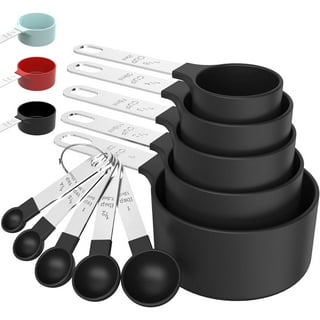
Standard measuring cups usually come in sizes like 1/4, 1/3, 1/2, and 1 cup. You can combine them to measure 5/8 cup.
For example, use a 1/2 cup plus a 1/8 cup measure. If you do not have a 1/8 cup, use a tablespoon to make that amount.
- 1/2 cup plus 1/8 cup equals 5/8 cup
- 1/8 cup equals 2 tablespoons
- Combine measurements carefully for accuracy
Measuring Spoons As Alternatives
Measuring spoons are useful for small amounts. You can use them to measure 5/8 cup by adding spoonfuls together.
Since 1 cup equals 16 tablespoons, multiply to find 5/8 cup in tablespoons. This helps you use spoons correctly.
- 5/8 cup equals 10 tablespoons
- Use a tablespoon spoon ten times
- Level off each spoon for exact measure
Digital Scales For Precision
Digital kitchen scales give exact measurements by weight. This method works well for dry and liquid ingredients.
You need to know the weight of 5/8 cup for the ingredient you measure. Then use the scale to get the correct amount.
| Ingredient | Weight for 5/8 Cup (grams) |
|---|---|
| All-purpose flour | 75 grams |
| Sugar | 125 grams |
| Butter | 140 grams |

Credit: www.youtube.com
Step-by-step Measuring Guide
Measuring ingredients correctly is important in cooking and baking. Using the right amount keeps your recipe balanced and tasty.
This guide shows how to measure 5/8 cup with dry and liquid ingredients. It also explains how to get accurate results.
Measuring Dry Ingredients
For dry ingredients like flour or sugar, use a dry measuring cup. Follow these steps to measure 5/8 cup:
- Scoop the ingredient into the measuring cup until it is heaping full.
- Use a straight edge, like the back of a knife, to level off the excess.
- Check that the ingredient reaches the 5/8 cup mark or measure 1/2 cup plus 1/8 cup.
Measuring Liquid Ingredients
Use a clear liquid measuring cup for liquids such as water or oil. Follow these steps:
- Place the measuring cup on a flat surface.
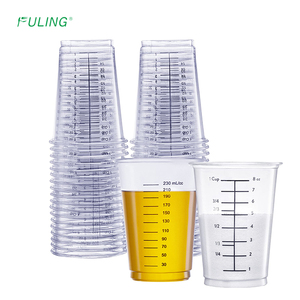
- Pour the liquid slowly until it reaches the 5/8 cup line.
- Check the level by bending down to eye level for accuracy.
Leveling Techniques For Accuracy
Leveling ingredients ensures you use the right amount. Here are simple tools and tips to help:
| Tool | Use |
| Flat knife or spatula | Scrape off extra dry ingredients |
| Eye level checking | Check liquid levels accurately |
| Flat surface | Place measuring cup for stable measuring |
Converting 5/8 Cup To Other Units
Measuring 5/8 cup can be tricky if you do not have the right tools. It helps to know how to change this amount into other units. This makes cooking and baking easier.
This guide shows how to convert 5/8 cup into tablespoons, teaspoons, milliliters, and grams. These units are often used in recipes.
Cups To Tablespoons And Teaspoons
One cup equals 16 tablespoons or 48 teaspoons. To find how much 5/8 cup is, multiply these numbers by 5/8.
- 5/8 cup = 10 tablespoons
- 5/8 cup = 30 teaspoons
Use these amounts to measure smaller units if you do not have a 5/8 cup measure.
Cups To Milliliters And Grams
One cup is about 237 milliliters. To convert 5/8 cup, multiply 237 by 5/8. This gives the volume in milliliters.
| Unit | Amount |
|---|---|
| Milliliters (ml) | 148 ml |
| Grams (g) for water | 148 g |
Note that grams measure weight, not volume. For water, 1 milliliter equals 1 gram. Other ingredients have different weights.
Common Measuring Mistakes
Measuring 5/8 cup can be tricky if you do not follow the right steps. Small mistakes can change your recipe’s taste and texture.
Knowing common measuring mistakes helps you get better results every time you cook or bake.
Overpacking Ingredients
Overpacking happens when you press ingredients too hard into the measuring cup. This adds more than 5/8 cup, changing the recipe.
Dry ingredients like flour or brown sugar are easy to overpack. It makes the final dish denser or sweeter than expected.
- Do not press down hard when filling the cup
- Fill the cup lightly and level off with a straight edge
- Use a spoon to add flour instead of scooping directly
Ignoring Ingredient Density
Different ingredients have different densities. Measuring 5/8 cup of flour is not the same as 5/8 cup of sugar by weight.
Ignoring this can cause problems, especially in baking where weight matters more than volume.
- Use a kitchen scale for best accuracy
- Check ingredient weight if the recipe provides it
- Remember that scooping can change how dense the ingredient is
Using Inaccurate Tools
Using the wrong measuring cup or tools can cause errors. Some cups are not made to exact sizes or are hard to read.
Plastic cups can warp over time. Metal cups may not have clear markings. This affects how much you measure.
- Use clear, well-marked measuring cups
- Choose cups made for dry or liquid ingredients as needed
- Check your tools regularly for wear or damage
Tips For Consistent Baking Results
Measuring ingredients correctly is key to good baking. Using the right tools and methods helps you get the same results every time.
This guide focuses on measuring 5/8 cup accurately and gives tips to avoid common mistakes.
Calibrating Measuring Tools
Measuring cups and spoons can vary slightly. Check if your tools are accurate to avoid wrong measurements.
| Tool | How to Calibrate | Why It Matters |
| Measuring Cup | Fill with water and weigh on a scale | Ensures volume matches weight |
| Measuring Spoon | Compare with a known standard spoon | Prevents small errors adding up |
| Kitchen Scale | Use a calibration weight or object | Maintains precise measurements |
Adjusting For Ingredient Variations
Ingredients differ in density and moisture. Adjust your measurements based on these factors to keep consistency.
- Flour: Spoon into cup, then level off for accuracy.
- Sugar: Pack firmly for brown sugar; loosely for white sugar.
- Butter: Use weight for exact amounts instead of volume.
- Liquids: Measure at eye level on a flat surface.
Recording Measurements For Future Use
Keep notes on your measurements and adjustments. This helps repeat success and improve recipes.
- Write down the exact amount used for each ingredient.
- Note any changes made to standard measurements.
- Record the outcome and taste after baking.
- Update your notes if you try new measuring tools.
Credit: www.alibaba.com
Frequently Asked Questions
What Is The Best Way To Measure 5/8 Cup?
To measure 5/8 cup accurately, use a 1/2 cup and a 1/8 cup. Fill the 1/2 cup first, then the 1/8 cup. Combine both measurements to get an exact 5/8 cup. This method ensures precision and is easy to follow.
How Do I Measure 5/8 Cup Without A 1/8 Cup?
Use a 1/4 cup twice and fill it halfway the second time. This equals 5/8 cup. Alternatively, fill a 1/2 cup and add half of a 1/4 cup. This method is simple and effective for accurate measurement.
Can I Use Tablespoons To Measure 5/8 Cup?
Yes, 5/8 cup equals 10 tablespoons. Use a tablespoon to fill 10 times for accurate measurement. This method is practical and ensures precision in your recipe. Always level each tablespoon for best results.
Is 5/8 Cup More Than Half A Cup?
Yes, 5/8 cup is slightly more than half a cup. It is 1/8 cup more than 1/2 cup. This small difference can impact your recipe’s outcome. Ensuring accurate measurement is essential for maintaining recipe balance.
Conclusion
Measuring 5/8 cup is easier than you think. Use simple tools like tablespoons or a kitchen scale. Remember, 5/8 cup equals 10 tablespoons. Pour slowly to avoid spills. Practice makes measuring faster and more accurate. This skill helps in cooking and baking every day.
Keep your measurements consistent for better results. Small steps lead to great dishes. Try these tips next time you cook. You will feel more confident in the kitchen.