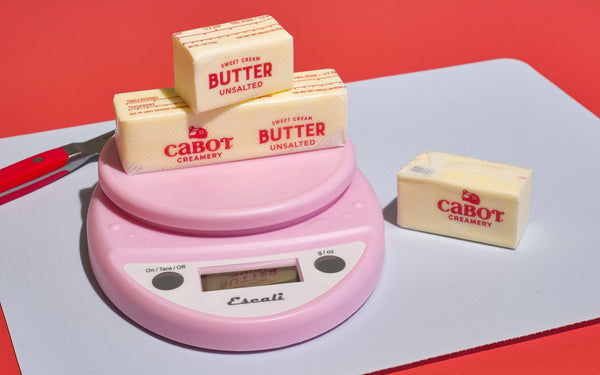
Measuring a cup of butter might seem simple, but if you get it wrong, your recipe can turn out too greasy or dry. You want your baked goods to come out perfect every time, right?
Whether you’re a beginner or just need a quick refresher, knowing the right way to measure butter can save you from kitchen mishaps. Keep reading, and you’ll learn easy tricks that make measuring butter accurate and stress-free—so your cooking and baking always hit the mark.

Credit: www.printables.com
Choosing The Right Butter
Butter is a key ingredient in many baking recipes. Picking the right kind affects flavor and texture. Measuring butter correctly starts with knowing what type to use.
Different recipes call for different kinds of butter. Understanding these types helps you bake better and avoid mistakes.
Types Of Butter For Baking
Butter comes in several forms. Each type has a unique fat content and moisture level. These factors affect how your baked goods turn out.
- Unsalted Butter: Pure butter without salt. Ideal for baking because you control the salt amount.
- Salted Butter: Contains added salt. Good for spreading but less precise for baking.
- Cultured Butter: Made from fermented cream. Has a tangy flavor and richer texture.
- Whipped Butter: Butter with air added. Light and easy to spread but not best for baking.
Salted Vs Unsalted Butter
Choosing between salted and unsalted butter depends on your recipe. Most baking recipes call for unsalted butter for better control over salt content.
| Butter Type | Salt Content | Best Use |
|---|---|---|
| Unsalted Butter | 0% (no salt added) | Baking, cooking, and recipes needing precise salt control |
| Salted Butter | About 1.5% salt | Spreading, flavoring, and some cooking |
Tools For Measuring Butter
Measuring butter correctly helps your recipes turn out just right. Different tools work best depending on the form of butter and the recipe needs.
This guide explains three common tools you can use to measure butter accurately.
Using A Dry Measuring Cup
Dry measuring cups are perfect for solid butter. They come in sets with different sizes, usually from 1/4 cup to 1 cup.
- Cut the butter into small pieces to fit the cup easily.
- Press the butter firmly into the cup without leaving air pockets.
- Use a flat edge, like a knife, to level off the excess butter.
Using A Liquid Measuring Cup
Liquid measuring cups are clear and have measurement marks on the side. They are best for melted butter or softened butter.
Pour the melted butter slowly into the cup. Check the measurement at eye level to get an accurate amount.
| Measurement | Dry Butter (solid) | Liquid Butter (melted) |
| 1/4 cup | 1/4 cup dry measuring cup | 1/4 cup liquid measuring cup |
| 1/2 cup | 1/2 cup dry measuring cup | 1/2 cup liquid measuring cup |
| 1 cup | 1 cup dry measuring cup | 1 cup liquid measuring cup |
Measuring With A Kitchen Scale
A kitchen scale gives the most accurate measurement. It works well for both solid and melted butter.
- Place a bowl on the scale and reset it to zero.
- Add butter until you reach the weight needed, usually in grams or ounces.
- Use the recipe’s weight measurement for best results.
Measuring Butter By Volume
Measuring butter by volume means using cups or tablespoons. It is common in many recipes. Butter comes in sticks with markings for easy measurement.
Sometimes, you need to cut or pack butter to fit your measuring cup. Doing this correctly helps keep your recipe precise.
Cutting Butter To Fit The Cup
Butter sticks often have lines showing tablespoons. Use these marks to cut the right amount. If the butter piece is too large, cut it into smaller parts.
- Look for the tablespoon markings on the butter wrapper.
- Cut along the lines to get the amount you need.
- If your cup is smaller, cut the butter into pieces that fit inside.
- Use a sharp knife for clean cuts.
- Chill the butter if it is too soft to cut easily.
Packing Butter Correctly
After cutting, you may need to pack butter into a measuring cup. Packing means pressing it down to remove air gaps. This ensures an accurate volume.
| Tips for Packing Butter |
|---|
| Use the back of a spoon to press butter firmly. |
| Fill the cup slowly, pressing as you go. |
| Make sure the butter is level with the cup top. |
| Avoid overpacking, which adds extra butter. |
Measuring Butter By Weight
Measuring butter by weight is precise and easy. It helps you follow recipes exactly.
Using a kitchen scale avoids mistakes from uneven packing in cups. Weight measures are more reliable.
Converting Cups To Grams Or Ounces
Butter measurements often use cups. Recipes from different countries may use grams or ounces. Knowing conversions helps you measure right.
| Cups of Butter | Grams (g) | Ounces (oz) |
|---|---|---|
| 1/4 cup | 57 g | 2 oz |
| 1/3 cup | 76 g | 2.7 oz |
| 1/2 cup | 113 g | 4 oz |
| 2/3 cup | 151 g | 5.3 oz |
| 3/4 cup | 170 g | 6 oz |
| 1 cup | 227 g | 8 oz |
Benefits Of Weighing Butter
Weighing butter gives better control over your recipe. It ensures consistent results every time you cook or bake.
- Prevents using too much or too little butter
- Works well with cold or soft butter
- Easy to measure for large or small amounts
- Reduces clean-up by measuring directly on the scale
- Helps adjust recipes between metric and US systems
Tips For Softened And Melted Butter
Measuring butter correctly helps your recipes turn out right. Softened and melted butter require different methods.
Use the right tools and techniques to get the best results with butter in your cooking and baking.
Measuring Softened Butter Accurately
Softened butter is easy to press into a measuring cup. Avoid packing it too hard to keep the right amount.
- Use a dry measuring cup or a kitchen scale for best accuracy.
- Press butter gently into the cup without squeezing out air.
- Level off the top with a flat knife to remove extra butter.
- If butter sticks, lightly grease the measuring cup first.
- Cut butter into pieces to fit the cup more easily.
Handling Melted Butter In Recipes
Melted butter is liquid and needs a liquid measuring cup for accuracy. Temperature affects volume.
| Tip | Details |
| Use a clear liquid measuring cup | Allows you to see the level clearly. |
| Pour slowly | Prevents overfilling and spills. |
| Check measurement at eye level | Ensures accuracy without guessing. |
| Cool slightly before measuring | Butter shrinks when hot, so measuring warm butter can be off. |
| Use immediately | Melted butter hardens quickly when cooled. |

Credit: stressbaking.com
Common Mistakes To Avoid
Measuring a cup of butter might seem simple, but many people make errors. These mistakes can change your recipe’s results.
Knowing what to avoid helps you get the right amount of butter every time.
Overpacking Butter
Pressing butter too hard into the measuring cup makes you use more than needed. This can make your dish greasy or heavy.
Butter should be gently placed or sliced to fill the cup without extra pressure.
- Cut butter into pieces that fit the cup
- Fill the cup lightly without squeezing
- Use a knife to level off the top for an exact measure
Ignoring Temperature Effects
Butter changes size and texture with temperature. Cold butter is hard and takes up less space.
Melted or soft butter can fill the cup differently, causing wrong measurements.
- Measure cold butter by weight or using a stick with markings
- For melted butter, use a liquid measuring cup
- Always note the butter state in the recipe
Quick Hacks For Butter Measurement
Measuring butter can be tricky if you do not have the right tools. There are easy ways to get the right amount fast. These hacks save time and avoid mess.
This guide shows simple tips to measure a cup of butter without stress. Use what you have at home to get accurate results.
Using Butter Wrappers For Measurement
Butter wrappers often have measurement marks printed on them. These marks show tablespoons or cups. You can cut the butter right along the lines.
If your wrapper has no marks, use the standard size. One stick of butter equals half a cup. Cut two sticks for one full cup.
- Look for tablespoon or cup marks on the wrapper
- Cut butter along the marked lines
- One stick = ½ cup, so two sticks = 1 cup
Estimating Butter Without Tools
If you have no measuring cup or wrapper marks, use simple size comparisons. A cup of butter is about the size of a small bar of soap.
You can also use your hands. A cup of butter is close to the size of your palm or about 8 tablespoons.
- A cup of butter is the size of a small bar of soap
- It fits roughly in your palm
- One cup equals about 8 tablespoons

Credit: www.yourlifechoices.com.au
Frequently Asked Questions
How Do You Measure A Cup Of Butter?
To measure a cup of butter, use a standard measuring cup. Ensure the butter is at room temperature for accuracy. Pack it tightly into the cup, leveling off the top with a knife. This method ensures precise measurement, crucial for baking and cooking.
Can I Use A Scale For Butter Measurement?
Yes, a kitchen scale provides precise butter measurements. One cup of butter typically weighs around 227 grams. Simply cut and weigh the needed amount. This method is especially useful for recipes requiring exact measurements, ensuring consistent results.
Is Melted Butter Equivalent To Solid Butter In Cups?
No, melted butter and solid butter differ in volume. One cup of solid butter equals approximately 1 cup when melted. However, melted butter is more compact, so always follow recipe instructions regarding butter state for best results.
How To Soften Butter Quickly For Measuring?
To soften butter quickly, cut it into small cubes. Place them in a microwave-safe bowl and microwave for 10-second intervals. Alternatively, leave the butter out at room temperature for 30 minutes. Softened butter is easier to measure and mix in recipes.
Conclusion
Measuring a cup of butter does not have to be hard. Use a kitchen scale or simple tools for accuracy. Remember to check if the recipe calls for melted or solid butter. Cut the butter carefully along the markings on the wrapper.
These small steps help your baking turn out just right. Now, you can measure butter with confidence every time. Enjoy baking without stress or guesswork. Simple and precise measures make cooking easier and better.