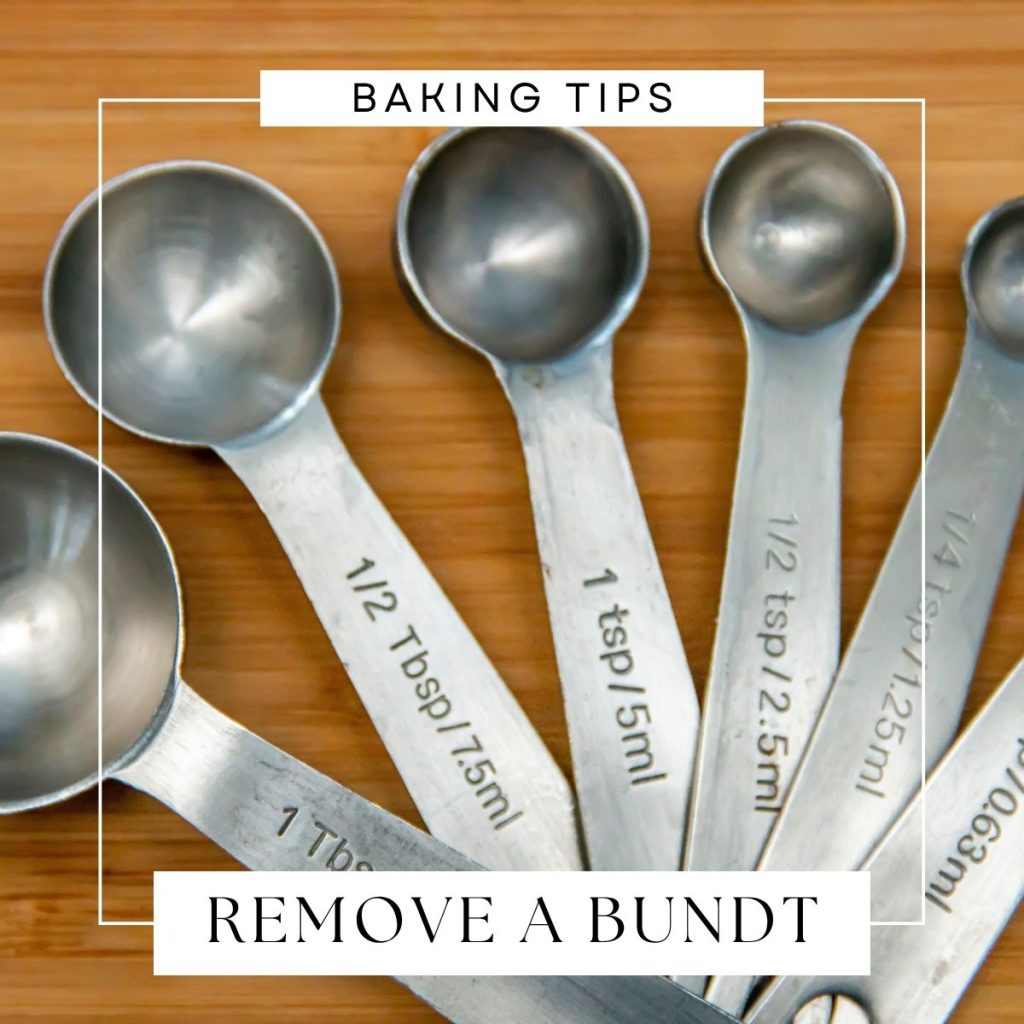
Have you ever started cooking or baking, only to realize you don’t have a measuring cup or spoon nearby? It’s frustrating, right?
But don’t worry—you don’t need special tools to measure a teaspoon (tsp) accurately. Whether you’re in a hurry or missing the right kitchen gadgets, this simple trick will save your recipe and your time. Keep reading, and you’ll learn how to measure a teaspoon using things you already have at home.
You’ll never have to guess or ruin a dish again!
Common Household Items As Measuring Tools
Sometimes you need to measure a teaspoon but don’t have a measuring cup. You can use common items at home to help. These items give a close estimate for cooking or baking.
Using everyday objects saves time and keeps your recipes on track. Here are some easy ways to measure a teaspoon without special tools.
Using Spoons From Cutlery
Regular spoons in your cutlery drawer can measure teaspoons. A standard teaspoon is about the size of a small spoon used for eating desserts or stirring tea.
Use a spoon that looks small and holds a little liquid. Fill it to the top without spilling to get close to one teaspoon.
- A typical teaspoon holds about 5 ml of liquid.
- A tablespoon is three times larger than a teaspoon.
- Spoons vary, so check by comparing with a real teaspoon if possible.
Measuring With Bottle Caps
Bottle caps can work as small measuring cups. Many plastic bottle caps hold about one teaspoon of liquid.
Check the size by filling the cap with water and then pouring it into a real teaspoon or spoon. Adjust your estimate if needed.
- Standard soda bottle caps usually hold 5 ml.
- Water bottle caps may vary but are close to a teaspoon.
- Use a clean cap and avoid caps with ridges to get a better fill.
Utilizing Medicine Droppers
Medicine droppers often have clear markings for small amounts. Many droppers measure in milliliters, making teaspoon measures easy.
Since 1 teaspoon equals 5 ml, fill the dropper to the 5 ml mark to get an accurate teaspoon measure.
- Check the dropper for ml markings.
- Fill slowly to the 5 ml line for one teaspoon.
- Medicine droppers work well for liquid and thick ingredients.
Visual Estimation Techniques
Sometimes you need to measure a teaspoon (tsp) but don’t have a measuring cup. You can use visual tricks to estimate the right amount. These techniques help you guess with good accuracy.
Using objects around you or your fingers can give you a simple way to measure a teaspoon. These methods work well in the kitchen and save time.
Comparing To Everyday Objects
You can compare a teaspoon to small common items. This helps you see how much space a teaspoon holds. Here are some objects that are close to a teaspoon size.
- A standard paperclip holds about 1 teaspoon of liquid.
- A small dice (one side) roughly equals 1 teaspoon.
- A sugar cube is close in size to a teaspoon of dry ingredients.
- A bottle cap from soda bottles often holds near 1 teaspoon.
Using Finger Measurements
Your fingers can be handy tools to estimate a teaspoon. Using finger lengths or joint widths helps you measure without tools.
- The tip of your index finger up to the first knuckle holds about 1 teaspoon.
- A pinch between your thumb and index finger is close to half a teaspoon.
- Two finger joints stacked can roughly equal one teaspoon.
Diy Measuring Tools
Measuring a teaspoon without a proper cup can be tricky. You can use simple DIY tools at home. These tools help you get an accurate measure for cooking or baking.
Two easy methods include marking spoons for accuracy and creating paper or cardboard measures. Both save time and avoid guesswork in the kitchen.
Marking Spoons For Accuracy
Use your regular spoon and mark it to measure one teaspoon. This works well if you do not have measuring spoons. You only need a few tools and patience.
- Fill a real teaspoon with water.
- Pour the water slowly into your regular spoon.
- Mark the water level with a permanent marker or tape.
- Let the mark dry before use.
- Use this spoon to measure teaspoons accurately.
Creating Paper Or Cardboard Measures
You can make simple measuring tools from paper or cardboard. These are useful when you need a quick measure and don’t have spoons.
| Material | Instructions |
| Paper Strip | Fold a strip to hold about 5 ml of water. Mark the fold as 1 tsp. |
| Cardboard Piece | Cut a small box shape that holds one teaspoon volume. Use tape to seal edges. |
| Plastic Sheet | Shape a small cup by folding and taping. Mark the rim for 1 tsp. |
Credit: foodnutters.com
Tips For Dry And Liquid Ingredients
Measuring a teaspoon without a measuring cup can be easy. You just need the right tricks for dry and liquid ingredients.
Using simple tools and careful techniques helps you get the right amount every time.
Leveling Dry Ingredients
Dry ingredients like flour or sugar should be leveled for accuracy. Too much or too little can change your recipe.
Use a flat edge like the back of a knife to level off the ingredient after scooping.
- Spoon the dry ingredient into a small bowl or directly onto a flat surface.
- Use a teaspoon or a small spoon to scoop the ingredient.
- Fill the spoon slightly over the top.
- Drag a flat edge across the spoon to remove the excess.
- This makes sure you have exactly one teaspoon.
Handling Liquids Without Spills
Measuring liquids without a measuring cup needs care to avoid spills. Use steady hands and simple tools.
Try using a small spoon or a clean dropper for control over liquids like oil or vanilla extract.
- Use a small spoon to scoop the liquid from the bottle.
- Hold the spoon close to the bowl to avoid drips.
- Pour slowly and steadily into your mixing bowl.
- If you use a dropper, count the drops carefully.
- Wipe the spoon or dropper after use to keep things clean.
Common Mistakes To Avoid
Measuring a teaspoon without a measuring cup can be tricky. Small errors change the taste and texture of recipes.
Knowing common mistakes helps you get better results. Avoid these errors to measure a teaspoon more accurately.
Using The Wrong Spoon Size
Not all spoons are the same size. A regular kitchen spoon may be bigger or smaller than a teaspoon.
Use a teaspoon from your cutlery set only if you know its size matches a standard teaspoon.
Not Leveling The Ingredient
Heaping spoons give you more than one teaspoon. This adds extra ingredients you might not want.
Always level off the spoon with a flat edge like a knife. This keeps the measurement accurate.
Measuring Sticky Or Powdery Ingredients Incorrectly
Sticky ingredients like honey can stick to the spoon and add too much. Powdery ingredients like flour can pack down.
Use a light touch and scrape off extra for sticky items. For powders, gently scoop without pressing down.
Not Checking Spoon Cleanliness
Old food or residue on the spoon changes the amount you get. It can also affect the taste of your recipe.
Always wash and dry the spoon before measuring your ingredient. This ensures a clean and correct amount.
Ignoring Ingredient Density Differences
Ingredients have different densities. A teaspoon of salt weighs more than a teaspoon of flour.
Understand that volume measures like teaspoons are not always equal in weight. This matters in precise recipes.
Credit: www.recipesandplaces.com
Credit: measures.bottprinti.com
Frequently Asked Questions
How Can I Measure A Teaspoon Without Tools?
To measure a teaspoon without tools, use your hand. A teaspoon is roughly the size of the tip of your index finger. This method isn’t precise but works in a pinch. You can also use the cap from a small bottle, which often holds about a teaspoon.
What Household Items Can Substitute A Teaspoon?
You can use a bottle cap, which often equals a teaspoon. Alternatively, your index finger’s first joint is about a teaspoon. An average drinking straw can also hold approximately a teaspoon when filled. These substitutes are handy when measuring kitchen ingredients without standard tools.
Is A Teaspoon Measurement Important In Recipes?
Yes, precision is crucial, especially in baking. Incorrect measurements can affect texture and taste. While cooking, a slight variation might not matter as much. However, it’s always best to try to be as accurate as possible to achieve the intended results of a recipe.
Can I Use My Fingers To Measure Teaspoons?
Yes, the tip of your index finger is approximately a teaspoon. This is a rough estimate but useful in emergencies. Always consider that this method might not be exact. When precision is needed, it’s better to use a proper measuring tool if available.
Conclusion
Measuring a teaspoon without a cup is simple and fast. Use common items like spoons, bottle caps, or your fingers. These tricks help keep your cooking accurate. No special tools? No problem. Practice a few times to get a good feel.
Cooking stays fun and easy this way. Try these tips next time you cook. You will save time and avoid guesswork. Small measures make a big difference in taste. Keep these methods in mind and enjoy your meals!