
If you’re planning to upgrade your kitchen or replace your existing cooktop, knowing how to measure cooktop size is crucial. The right fit ensures not only a seamless look but also optimal functionality in your kitchen space.
But where do you start? You might feel overwhelmed by the options, sizes, and technical jargon. Don’t worry—you’re not alone. This guide will walk you through the process step-by-step, helping you make an informed decision. By the end, you’ll have all the knowledge you need to confidently choose a cooktop that fits perfectly.
Get ready to transform your kitchen with ease and precision!
Types Of Cooktop Sizes
Choosing the right cooktop size is crucial for both your kitchen’s functionality and style. Different kitchens have different needs, so understanding the types of cooktop sizes will help you find the perfect fit. Let’s look at the common dimensions and variations to guide your decision.
Standard Dimensions
Most cooktops come in a few standard widths, making it easier to plan your kitchen layout. The typical sizes are:
- 30 inches:Ideal for smaller kitchens or apartments. It usually includes 4 burners and fits comfortably in limited counter space.
- 36 inches:The most popular size for family kitchens. Offers more burners (usually 5) and a larger cooking surface.
- 48 inches and above:Designed for those who love to cook and entertain. These cooktops often feature 6 or more burners and additional cooking zones.
Knowing these sizes helps you measure your countertop space accurately and avoid surprises during installation.
Common Variations
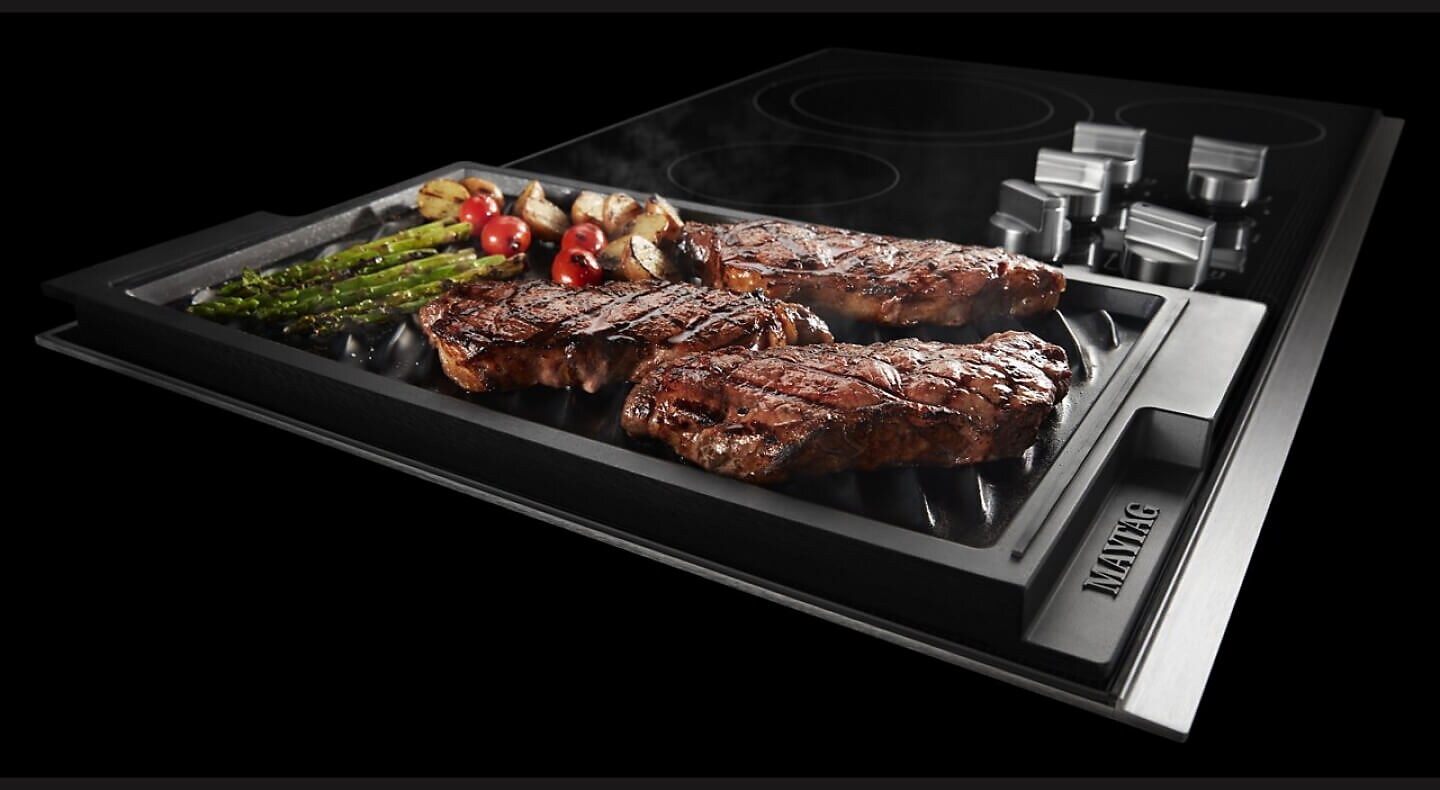
Not all cooktops fit neatly into standard sizes. Some models come with unique dimensions or added features, like griddles or grills, which can affect their size.
- Narrow cooktops:These can be as small as 24 inches and are perfect for tight spaces or secondary cooking areas.
- Modular cooktops:You can combine different modules like a grill, wok burner, or standard burners to customize your cooking area. Their sizes vary widely.
- Built-in downdraft cooktops:Often larger due to integrated ventilation systems, requiring extra space behind the unit.
Have you measured your kitchen space to check if these variations might fit better than standard sizes? Sometimes a slightly different size can make a big difference in usability.
Credit: www.maytag.com
Tools Needed For Measuring
Measuring the size of your cooktop accurately is crucial before making any purchase or installation decisions. Having the right tools at hand simplifies the process and helps you avoid costly mistakes. Let’s look at the essential tools you need to get precise measurements quickly and easily.
Measuring Tape
A measuring tape is your primary tool for capturing the exact dimensions of your cooktop area. Choose a tape measure that is sturdy and easy to read, ideally one with both metric and imperial units. A flexible tape allows you to measure around corners or tight spaces, which often happens in kitchen layouts.
When I first measured my kitchen cooktop space, I underestimated how critical a clear, easy-to-read tape measure was. Having one with large numbers saved me from re-measuring multiple times. Do you have a tape measure that you trust to give you accurate results on the first try?
Notepad And Pen
Don’t rely on memory when recording your measurements. Carry a notepad and pen to jot down every figure immediately after measuring. This simple habit prevents confusion and ensures you have all the details handy when comparing cooktop options or consulting with professionals.
Writing down measurements also helps you track multiple dimensions, such as width, depth, and any irregularities in your countertop space. Keep your notes organized—consider drawing a quick sketch of your kitchen area with the numbers marked. How often have you wished you had written something down instead of guessing later?
Measuring Cooktop Width
Measuring the width of your cooktop is essential for a perfect fit. Knowing the exact width helps avoid buying a cooktop that is too big or too small. This measurement ensures your cooktop fits well within your countertop space and looks balanced.
Measuring The Front Edge
Start by measuring the front edge of the cooktop. Use a tape measure and place it at one end of the front edge. Extend the tape to the opposite end to get the full width.
Make sure the tape is straight and tight for an accurate measurement. Note down the width in inches or centimeters, depending on your preference.
Accounting For Overhang
Some cooktops have a small overhang that extends beyond the cutout. This overhang adds to the visible width but not to the space inside the countertop cut.
Measure the overhang separately on both sides. Add this to the cutout width if you want the total visible width.
Remember, the cutout width is crucial for installation, while the total width affects the look.

Credit: www.homedepot.com
Measuring Cooktop Depth
Measuring the depth of a cooktop is essential for a perfect fit in your kitchen. Depth affects how the cooktop sits on the countertop and how comfortable it is to use. Accurate measurement avoids gaps or overhangs that could cause problems.
From Front To Back
Measure the cooktop’s depth from the front edge to the back edge. Use a tape measure for accuracy. Place the tape at the very front of the cooktop. Extend it straight back to the rear edge. This distance is the cooktop’s depth. Write down this number for reference.
Consider Countertop Space
Check the available countertop space before buying a cooktop. Measure from the front edge of the counter to the wall or backsplash behind it. Ensure the cooktop depth fits inside this space. Leave a small gap for ventilation and heat safety. Proper spacing helps avoid damage and ensures safe cooking.
Measuring Cutout Dimensions
Measuring cutout dimensions is essential before installing a new cooktop. Accurate measurements ensure the cooktop fits securely and functions well. Always measure the space reserved for the cooktop carefully. This prevents costly mistakes and helps find the right size.
Width And Depth Of Cutout
Measure the width of the cutout from one inside edge to the other. Use a tape measure and note the number in inches or centimeters. Next, measure the depth from front to back inside the cutout area. Write down both measurements clearly. Take measurements at different points to confirm consistency. Use the smallest width and depth for safety.
Checking Manufacturer Guidelines
Each cooktop brand has specific cutout size requirements. Find the installation manual or manufacturer’s website. Look for the recommended width, depth, and clearance details. Compare your measurements with these guidelines. Adjust the cutout size if needed before buying the cooktop. Following these instructions avoids fitting problems and keeps the warranty valid.
Credit: www.whirlpool.com
Tips For Accurate Measurement
Getting the size of your cooktop right is crucial before making a purchase or planning a kitchen remodel. Small mistakes in measurement can lead to costly adjustments or a cooktop that doesn’t fit your space properly. Focusing on accurate measurement tips will save you time, money, and frustration.
Double Checking Measurements
After measuring your cooktop space once, don’t stop there. Take your measurements at least twice, ideally on different days or times. This helps catch any errors caused by rushed measuring or distractions.
Use a reliable tape measure and write down your numbers immediately. It’s easy to forget or mix up digits later.
Ask yourself: Is the space perfectly square? If not, measure the width and depth at multiple points to find the smallest dimensions. This ensures your cooktop will fit without problems.
Measuring Existing Cooktop
If you’re replacing an old cooktop, measuring the current one simplifies your task. Measure the entire surface area including any trim or edges that sit on your countertop.
Don’t forget to check the cutout size—the hole in the countertop where the cooktop fits. Sometimes the cooktop size and cutout size differ, and both measurements are important.
Remember to note the thickness of the cooktop as well. It affects how it will sit in your countertop and the clearance needed underneath for ventilation or wiring.
Choosing The Right Cooktop Size
Choosing the right cooktop size can change how you experience your kitchen every day. It’s about fitting your lifestyle and the space you have, not just picking what looks good. Think about how much room you have and what kind of cooking you do regularly to find the perfect match.
Matching Cooktop To Kitchen Space
Measure your available countertop area carefully before shopping. Make sure to leave enough space around the cooktop for safety and ease of movement. A cramped cooktop can make cooking stressful, while one that’s too small might limit your meal options.
Consider the layout of your kitchen too. If you have a compact kitchen, a smaller cooktop with two to three burners might be ideal. In larger kitchens, you can afford a bigger cooktop with multiple burners to prepare several dishes at once.
Have you noticed how some kitchens feel more open simply because the cooktop fits well within the space? Your cooktop size can affect the entire kitchen’s flow and usability.
Considering Cooking Needs
Think about the types of meals you often prepare. Do you cook for one or two people, or do you regularly host family and friends? Your cooking frequency and style should guide your choice of cooktop size.
If you enjoy making complex meals with many pots and pans, a larger cooktop with more burners will save you time and frustration. On the other hand, if you mostly prepare simple dishes or reheats, a smaller cooktop can be more efficient and cost-effective.
Ask yourself: How many burners do you truly use at once? It’s common to overestimate this, but knowing your real needs helps avoid paying for unused features. Your cooktop should serve your cooking habits, not the other way around.
Frequently Asked Questions
How Do I Measure The Width Of A Cooktop?
Measure the cooktop’s width from the left edge to the right edge. Use a tape measure for accuracy. Ensure you include the entire surface area, excluding any knobs or handles.
What Tools Are Needed To Measure Cooktop Size?
You only need a tape measure or a ruler. A notepad and pen help record the measurements. Accuracy is key, so use a reliable measuring tool.
Should I Measure The Cooktop Depth Or Height?
Measure both depth and height for a perfect fit. Depth is front to back, height is from the countertop to the top. These dimensions help ensure compatibility with your kitchen space.
How To Measure Cooktop Cutout Size Correctly?
Measure the cutout width and depth inside the countertop opening. These dimensions differ from the cooktop’s overall size. Accurate cutout measurements prevent installation issues.
Conclusion
Measuring your cooktop size helps you choose the right fit. Start by checking the width, depth, and height carefully. Use a tape measure for accurate results. Knowing these numbers prevents installation issues later. It also ensures your kitchen looks neat and works well.
Take your time to measure twice, cut once. This small step saves money and hassle. Remember, a well-measured cooktop makes cooking easier and safer. Simple, clear measurements lead to better kitchen planning. Keep these tips in mind for your next kitchen project.