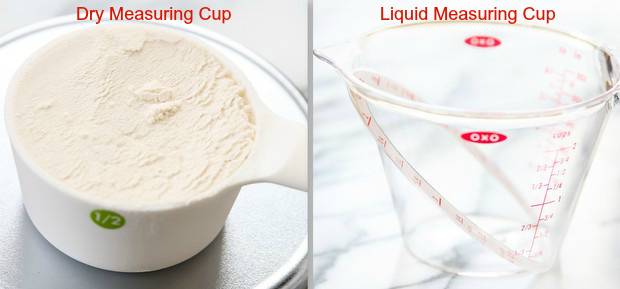
Have you ever found yourself in the middle of cooking or baking, only to realize you don’t have a measuring cup nearby? It can be frustrating when a recipe calls for precise amounts of liquid, and you’re left guessing.
But don’t worry—you don’t need fancy tools to get it right. You’ll discover simple, clever ways to measure liquids accurately using everyday items you already have at home. By the time you finish reading, you’ll feel confident and ready to handle any recipe, no measuring cup required.
Keep reading to unlock these easy tricks that will save you time and stress in the kitchen!
Credit: nymag.com
Common Household Items As Measuring Tools
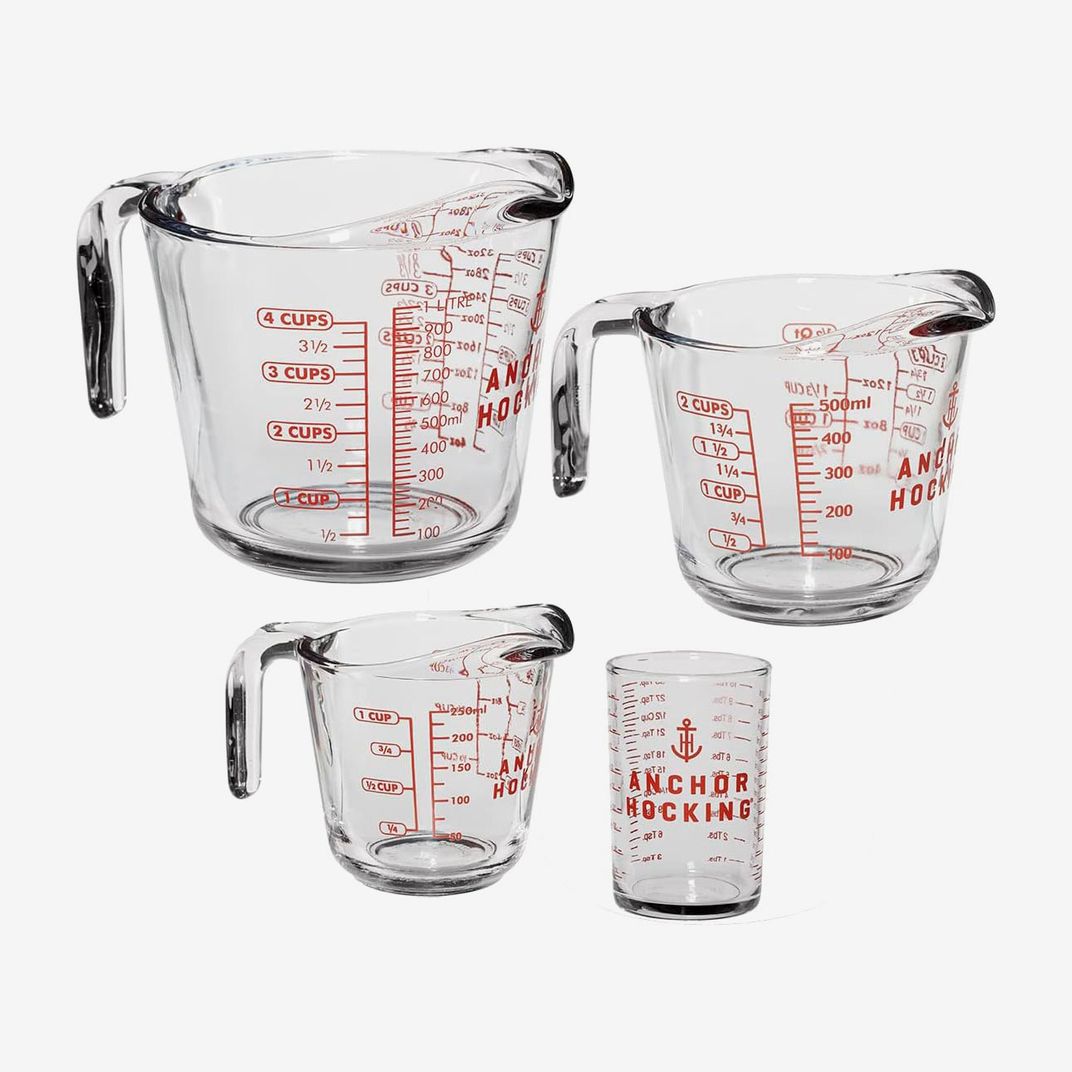
Measuring liquids can be tricky without a measuring cup. Many household items can help you measure liquids accurately. These tools are easy to find and use.
Using common items saves time and avoids extra trips to the store. You can measure liquids well with simple kitchen objects.
Using Spoons For Small Quantities
Spoons are great for measuring small liquid amounts. Tablespoons and teaspoons are common sizes found in most kitchens.
A tablespoon holds about 15 milliliters, and a teaspoon holds about 5 milliliters. These sizes help measure ingredients like vanilla or lemon juice.
- 1 tablespoon = 15 ml
- 1 teaspoon = 5 ml
- Use a level spoon to get accurate amounts
Utilizing Glasses And Mugs
Glasses and mugs can measure larger liquid amounts. Most drinking glasses hold between 200 and 250 milliliters. Mugs usually hold about 350 milliliters.
Fill the glass or mug and estimate the liquid needed. Marking the side with tape or a marker can help measure the same amount again.
- Standard glass: about 200–250 ml
- Regular mug: about 350 ml
- Use markings for repeat measurements
Measuring With Bottles And Jars
Bottles and jars often have volume labels. Use these labels to measure liquid by pouring to the marked level. Small jars can hold between 100 and 250 milliliters.
For unmarked containers, fill a known container first. Then pour into the bottle or jar to estimate the liquid amount needed.
- Check for volume labels on bottles and jars
- Use smaller containers to calibrate unmarked jars
- Pour slowly to avoid spilling
Diy Measuring Techniques
Measuring liquids without a measuring cup is easy with some simple tricks. You can use everyday items to get the right amount. These methods help when you don’t have special kitchen tools.
Try these DIY techniques to measure liquids accurately. They save time and use things you already have at home.
Marking Containers With Water Levels
Use a clean container to mark water levels for different measurements. This way, you can fill the container to the mark instead of measuring each time.
- Fill the container with water to a known volume.
- Mark the water line with a permanent marker or tape.
- Repeat for other volumes if needed.
- Use the marks to pour the right amount later.
Using A Kitchen Scale For Volume
A kitchen scale can measure liquid volume by weight. First, weigh an empty container. Then, weigh the container with the liquid. Subtract the empty weight to get liquid weight.
| Liquid | Density (g/ml) | Example: 100 ml Weight (g) |
| Water | 1.0 | 100 g |
| Milk | 1.03 | 103 g |
| Olive Oil | 0.92 | 92 g |
Measuring By Weight Conversion
You can convert liquid volume to weight using density. Multiply the volume by the liquid’s density to get the weight. Use this weight with your kitchen scale.
- Find the density of the liquid (usually in g/ml).
- Multiply the volume you want by the density.
- Weigh the liquid to match that weight on the scale.
Visual Estimation Tips
Measuring liquid without a cup can be simple with some visual tricks. These tips help you guess amounts quickly and easily.
By using everyday items and your hands, you can estimate liquid volumes without special tools.
Comparing With Known Volumes
Think of liquids you have measured before. Use those amounts as a guide to estimate new amounts.
For example, a small glass usually holds about 250 ml. You can compare your liquid to that size.
- A tablespoon holds about 15 ml
- A cup holds about 240 ml
- A standard soda can holds 355 ml
Using Hand And Finger Measurements
Your hand and fingers can help estimate liquid volume. They act like a rough measuring tool.
For instance, the space between your thumb and index finger can hold about a tablespoon of liquid.
- The tip of your pinky finger holds about 1 teaspoon (5 ml)
- Your cupped palm can hold around 1/4 cup (60 ml)
- The width of your thumb is close to 1 inch, useful for depth guesses
Estimating With Common Objects
Use common objects to help guess liquid amounts. Many objects have known sizes or volumes.
For example, a standard credit card is about 3.4 inches long, which can help judge container size.
- A golf ball volume is about 40 ml
- A tennis ball volume is about 130 ml
- A soda can volume is 355 ml, good for comparing larger amounts
Credit: www.kingarthurbaking.com
Safety And Accuracy Tips
Measuring liquid without a measuring cup needs care. Safety and accuracy help avoid mistakes.
Use the right tools and methods. This keeps spills low and measurements correct.
Avoiding Spills And Overflows
Pour liquids slowly into a container that is larger than needed. This stops overflows and makes cleaning easier.
- Use a funnel to guide liquids into small openings.
- Place the container on a flat surface before pouring.
- Hold the container steady to avoid tipping.
- Stop pouring before reaching the container’s top edge.
Adjusting For Different Liquid Densities
Not all liquids weigh the same. Water weighs more than oil or syrup per cup. Adjust your estimate based on the liquid type.
| Liquid | Approximate Density (g/ml) |
| Water | 1.00 |
| Milk | 1.03 |
| Olive Oil | 0.92 |
| Honey | 1.42 |
Double-checking Measurements
Check your liquid amount by using two different methods. This helps catch errors early.
- Use a marked container and a spoon or ladle to count portions.
- Compare your estimate with common kitchen items, like a tablespoon or cup.
- Weigh the liquid if you have a kitchen scale for best accuracy.
When To Improvise And When To Buy
Measuring liquid is important for cooking and baking. Sometimes, you may not have a measuring cup. You can use other tools to measure liquids carefully.
Knowing when to use what helps save time and money. It also ensures your recipes turn out well.
Situations For Diy Measuring
You can measure liquids without a cup in many cases. This works well when you need a rough amount or are in a hurry.
Use DIY measuring when exact amounts are not critical. Small differences usually do not affect the result much.
- Measuring water for plants or pets
- Adding liquids for a quick meal
- Mixing drinks or simple sauces
- When you have no measuring cup nearby
Choosing The Right Measuring Tools
You can use many household items to measure liquids. Pick tools that show volume or have a known size.
Use clear containers, spoons, or bottles for better accuracy. Avoid tools that are too small or hard to read.
- Tablespoons and teaspoons for small amounts
- Clear jars or glasses with marks
- Plastic bottles with volume labels
- Kitchen scales that measure liquid weight
Budget-friendly Measuring Solutions
Buying a measuring cup is a good idea if you cook often. Look for affordable options that last long.
For tight budgets, use free or low-cost items at home. This saves money and still gives good results.
- Reuse clean food containers with volume marks
- Use plastic spoons from cutlery sets
- Buy simple measuring cups from dollar stores
- Share measuring tools with friends or family
Credit: kirbiecravings.com
Frequently Asked Questions
How Can I Measure Liquid Without A Measuring Cup?
You can use household items like a tablespoon, teaspoon, or a clear glass. A standard tablespoon is about 15 ml, and a teaspoon is about 5 ml. These can help you measure liquids accurately in the absence of a measuring cup.
What Household Items Can Replace A Measuring Cup?
Common items like spoons, glasses, or even empty jars can replace a measuring cup. A tablespoon equals 15 ml, while a glass can hold roughly 250 ml. These items are easy to find in any kitchen and can provide accurate measurements.
How Do I Use Spoons For Liquid Measurement?
Use a tablespoon or teaspoon for liquid measurement. A tablespoon holds approximately 15 ml, and a teaspoon holds about 5 ml. These spoons are perfect for small quantities and easily available in every kitchen.
Can I Use A Glass For Measuring Liquids?
Yes, a standard glass can measure liquids. Most drinking glasses can hold around 250 ml. Ensure the glass has clear markings or use it with known liquid quantities for accuracy. This method is handy when a measuring cup isn’t available.
Conclusion
Measuring liquids without a cup is simple and practical. Use common household items like spoons or bottles. Eyeballing the amount works well for small quantities. Remember, precision matters more in baking than cooking. Practice helps you get better at estimating.
These tricks save time and reduce mess. Keep experimenting to find what works best for you. You don’t always need special tools to measure liquids accurately.