Moving your washer and dryer might seem like a tough job, but it doesn’t have to be stressful or confusing. If you want to save money and avoid hiring movers, this guide is exactly what you need.
You’ll learn simple, step-by-step tips to safely disconnect, move, and set up your laundry machines without damaging your floors or appliances. Keep reading, and you’ll feel confident handling the entire process on your own—making your next move smoother and easier than you ever thought possible.

Credit: www.reddit.com
Prepare The Appliances
Moving a washer and dryer requires careful preparation. This helps avoid damage and keeps you safe.
Before moving, you must unplug, drain, and secure the appliances properly. These steps make the move easier.
Unplug And Disconnect
Always unplug the washer and dryer from the power outlet first. This stops any risk of electric shock.
Next, disconnect the water supply hoses from the washer. Turn off the water valves before removing hoses.
- Unplug power cords
- Turn off water valves
- Remove water hoses
- Disconnect dryer vent hose
Drain Water From Washer
Draining water from the washer stops spills during the move. It also protects floors from water damage.
Find the drain hose and lower it into a bucket or drain. Let all water flow out fully before moving.
- Place bucket under drain hose
- Lower hose to drain water
- Drain water pump if needed
- Wipe up any spills
Secure Doors And Drums
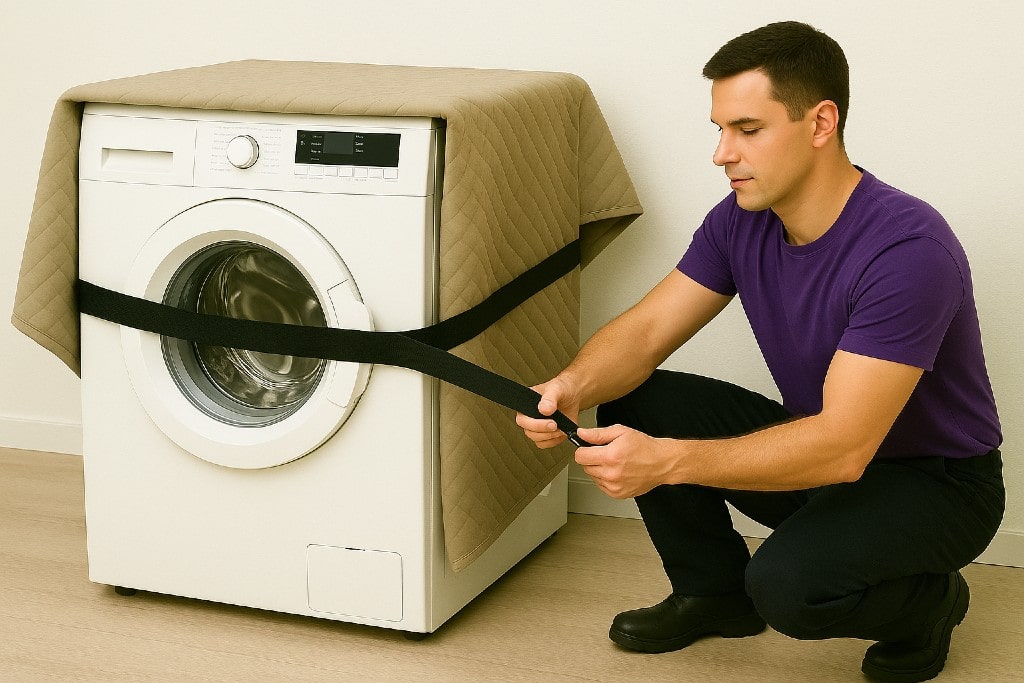
Keep washer and dryer doors closed to prevent damage. Use tape or straps to hold them shut tightly.
For the washer drum, use shipping bolts or padding if possible. This stops the drum from moving inside.
- Close and tape appliance doors
- Use shipping bolts for washer drum
- Pad around drum if bolts are missing
- Check doors are secure before moving
Gather Necessary Tools
Moving a washer and dryer needs the right tools to keep things safe. Prepare these tools before you start the move.
Having the proper equipment makes the process easier and helps protect your appliances and home.
Moving Straps And Dollies
Moving straps help you carry heavy washers and dryers with less effort. They wrap around the appliance to give a good grip.
Dollies are small platforms with wheels. They let you roll the appliances instead of lifting them.
- Use shoulder or hand straps for better control
- Choose a sturdy dolly that can hold heavy weight
- Secure the appliance on the dolly with straps
- Check the dolly wheels work smoothly before moving
Packing Materials
Packing materials protect your washer and dryer during the move. They stop scratches and dents.
Use blankets, bubble wrap, and cardboard to cover the appliances well.
- Thick moving blankets to wrap around the appliances
- Bubble wrap for delicate parts like knobs and displays
- Cardboard pieces to protect corners and edges
- Tape to secure packing materials firmly
Protective Gear
Wear protective gear to keep yourself safe while moving heavy machines. Gloves and good shoes help a lot.
Protective gear reduces risks of injury and improves grip on the appliances.
- Work gloves to protect hands from cuts and scrapes
- Closed-toe shoes with good grip to avoid slipping
- Back support belt if you will lift heavy appliances
- Comfortable clothes that allow easy movement
Plan The Moving Route
Moving a washer and dryer needs careful planning. Choose a route that is clear and wide enough.
Check all areas the machines will pass through. This helps avoid damage and makes moving easier.
Measure Doorways And Hallways
Measure all doorways and hallways on the moving path. Make sure the washer and dryer fit through them.
Check the width and height carefully. Don’t forget to measure corners and turns.
- Measure door width and height
- Measure hallway width and ceiling height
- Note any tight corners or narrow turns
Clear Obstacles
Remove any furniture or items blocking the route. Keep the path free to avoid tripping or damage.
Check for rugs, cords, or low-hanging objects. Move or secure them before you start moving.
- Move furniture out of the way
- Remove rugs that could slip
- Secure loose cords or wires
- Clear low light fixtures or decorations
Check Elevator And Stair Access
If you use an elevator, measure its door and inside space. Make sure it fits the washer and dryer.
For stairs, check the width and height. Plan how to carry the machines safely up or down.
- Measure elevator door width and height
- Measure elevator interior space
- Measure stair width and ceiling height
- Plan for extra help on stairs
Lift And Carry Safely
Moving a washer and dryer takes care and the right method. Lifting and carrying these heavy appliances safely helps avoid injuries.
Use proper techniques and tools to protect your back and hands. Teamwork makes the process easier and safer.
Proper Lifting Techniques
Always bend your knees and keep your back straight when lifting. Avoid twisting your body to prevent strain.
- Stand close to the appliance with feet shoulder-width apart.
- Bend at your knees, not at your waist.
- Grip the appliance firmly on opposite sides.
- Lift using your leg muscles, keeping your back straight.
- Keep the appliance close to your body as you move.
Team Coordination
Work with a partner to share the weight. Clear communication is key to avoid accidents.
| Role | Responsibility |
|---|---|
| Leader | Gives clear directions and plans the path. |
| Lifter 1 | Supports one side of the appliance securely. |
| Lifter 2 | Supports the opposite side and matches movements. |
Using A Dolly Effectively
A dolly makes moving heavy washers and dryers safer and easier. Load the appliance carefully and secure it well.
- Slide the dolly base under the appliance.
- Secure the appliance with straps or bungee cords.
- Keep the appliance balanced on the dolly.
- Push or pull slowly and avoid sudden moves.
- Use ramps for stairs or uneven surfaces.
Loading And Transporting
Moving a washer and dryer can be challenging. Proper loading and transporting ensure safety and efficiency. Follow these tips to make the process smoother.
Securing Appliances In Vehicle
Secure the washer and dryer inside the vehicle. This prevents movement during transport. Use straps to hold them in place.
- Use strong straps to secure appliances
- Place the appliances against the vehicle’s wall
- Check that straps are tight and secure
Preventing Shifts During Transit
Shifts during transit can cause damage. Ensure the appliances do not move. Use padding and cushions to keep them stable.
- Use blankets or foam padding
- Fill gaps with cushions to prevent shifts
- Regularly check appliances during stops
Handling With Care
Handle the washer and dryer with care. They are heavy and can be damaged easily. Use proper tools and techniques.
- Use a dolly to move appliances
- Lift with your legs, not your back
- Have at least two people for heavy lifting
Credit: www.nationalremovalist.com.au
Unloading And Setup
Moving a washer and dryer needs careful unloading and setup. This helps protect the machines and your home.
Follow simple steps to position, reconnect, and test the appliances properly after moving.
Positioning Appliances Correctly
Place your washer and dryer on a flat, stable surface. Avoid uneven floors to prevent shaking.
- Keep space around appliances for airflow
- Leave enough room to open doors fully
- Ensure the washer is close to a water source
- Position the dryer near the vent outlet
Reconnecting Water And Power
Reconnect all hoses and power cords carefully. Use the correct connections to avoid leaks or electrical issues.
| Connection | What to Check | Tip |
| Water Hoses | No leaks or cracks | Tighten with pliers but do not over-tighten |
| Power Cord | Firmly plugged in | Use grounded outlets only |
| Dryer Vent | Clear and attached securely | Remove lint buildup before connecting |
Testing For Proper Function
Run a short test cycle on both machines. Check for leaks, strange noises, or error messages.
- Turn on the water supply valves
- Plug in the washer and dryer
- Run the washer on a rinse cycle
- Check hoses and connections for leaks
- Run the dryer empty for about 10 minutes
- Listen for unusual sounds
- Inspect vent airflow and heat
Troubleshooting Common Issues
Moving a washer and dryer can cause some common issues. Knowing how to troubleshoot them will save you time and effort.
In this guide, we focus on leaks, electrical problems, and noise during operation. Each section provides tips to resolve these issues.
Leaks And Drips
Leaks in your washer can occur from hoses or connections. It’s important to check these areas regularly.
- Inspect water hoses for cracks or tears.
- Tighten loose connections with a wrench.
- Replace worn-out seals to prevent drips.
Electrical Problems
Electrical issues can disrupt the function of your washer and dryer. Ensuring safe and secure connections is crucial.
Make sure the power cord is not frayed. Replace if necessary to avoid hazards.
Noise And Vibration
Unusual noise or vibration can indicate a problem with your washer or dryer. Address these issues promptly.
| Problem | Solution |
| Excessive noise | Balance the load inside the drum. |
| Vibration | Adjust the feet to stabilize the machine. |
| Rattling sounds | Remove any foreign objects from the drum. |

Credit: www.reddit.com
Frequently Asked Questions
How Do I Safely Disconnect A Washer And Dryer?
Turn off power and water supply first. Unplug both appliances. Disconnect hoses carefully to avoid leaks. Drain excess water before moving. Use proper tools for disconnection to prevent damage or injury.
What Equipment Is Needed To Move A Washer And Dryer?
You will need a dolly, moving straps, and gloves. Use furniture blankets to protect appliances. Have a wrench or pliers handy for disconnecting hoses. A helper can make moving easier and safer.
Can I Move My Washer And Dryer Alone?
It is not recommended. Washers and dryers are heavy and bulky. Having at least one helper reduces injury risk. Proper lifting techniques and equipment are essential. Always prioritize safety when moving these appliances.
How Do I Protect Floors When Moving Appliances?
Use furniture sliders or a dolly with rubber wheels. Place blankets or cardboard on the floor. Lift appliances slightly when moving to avoid scratches. Take extra care on hardwood or tiled floors.
Conclusion
Moving a washer and dryer takes careful steps. Turn off water and power first. Disconnect all hoses and cords safely. Use a dolly to carry heavy machines. Take your time to avoid damage. Check all connections after moving. Test the appliances before regular use.
This simple process keeps everything working well. Stay safe and plan ahead for best results.