Your bamboo cutting board is more than just a kitchen tool—it’s an investment in your cooking experience. But without proper care, it can dry out, crack, or even harbor bacteria.
The good news? Oiling your bamboo cutting board is simple, quick, and keeps it looking and working like new. You’ll discover the easy steps to protect your board, extend its life, and make your food prep safer and more enjoyable.
Ready to give your cutting board the care it deserves? Let’s get started!
Choosing The Right Oil
Oiling a bamboo cutting board keeps it strong and clean. The right oil protects the wood from drying and cracking. It also helps keep the board safe for food use.
Not all oils work well on bamboo. Some can spoil or harm the board. Choosing a good, food-safe oil is important for care and safety.
Food-safe Oils To Consider
Oils that are safe for food help keep your bamboo cutting board in top shape. These oils soak into the wood without going rancid. They also create a water-resistant surface.
- Mineral oil: A clear, odorless oil that won’t spoil.
- Fractionated coconut oil: Stays liquid and resists going bad.
- Walnut oil: Natural and good for wood, but watch for nut allergies.
- Beeswax mixes: Often combined with oil for extra protection.
Avoiding Harmful Chemicals
Some oils and finishes can harm your bamboo board or your health. Avoid oils that dry hard or contain toxic ingredients. These can crack the board or leave unsafe residues.
| Oil Type | Safe for Bamboo | Notes |
| Vegetable oil | No | Can spoil and smell bad |
| Olive oil | No | Dries sticky and rancid |
| Mineral oil | Yes | Food-grade and stable |
| Tung oil | No | May contain chemicals, not food safe |
| Beeswax blends | Yes | Good for sealing and protecting |
Preparing The Cutting Board
Oiling a bamboo cutting board helps keep it strong and clean. Before oiling, prepare the board well. This ensures the oil soaks in properly and protects the wood.
Start by cleaning and drying the board. These steps remove dirt and moisture. Clean and dry surfaces absorb oil better and last longer.
Cleaning Before Oiling
Wash the bamboo board with warm water and mild soap. Use a soft sponge or cloth to avoid scratches. Clean both sides to keep the board balanced.
Rinse the board well to remove all soap. Do not soak the board in water. Too much water can cause the bamboo to warp or crack.
- Use warm water and mild soap
- Clean with a soft sponge or cloth
- Wash both sides of the board
- Rinse thoroughly to remove soap
- Avoid soaking the board in water
Drying The Surface
After washing, dry the board right away. Use a clean towel to remove extra water. This helps stop moisture from soaking in.
Let the cutting board air dry completely before oiling. Place it upright or on a rack for even air flow. Drying fully prevents mold and keeps the board safe.
- Dry the board with a clean towel
- Remove all surface moisture
- Air dry the board completely
- Place upright or on a rack
- Ensure no damp spots remain
Applying The Oil
Oiling a bamboo cutting board keeps it strong and safe for food. Applying the oil correctly helps protect the wood from water and stains.
Use food-safe mineral oil or bamboo board oil. Make sure the board is clean and dry before you start.
Amount Of Oil To Use
Use just enough oil to cover the whole surface. Too much oil can make the board sticky or take longer to dry.
Pour a small amount, about a tablespoon, in the center of the board. You can add more if needed.
- Start with one tablespoon of oil
- Add more if the board looks dry
- Avoid pouring oil directly on the edges
Techniques For Even Coverage
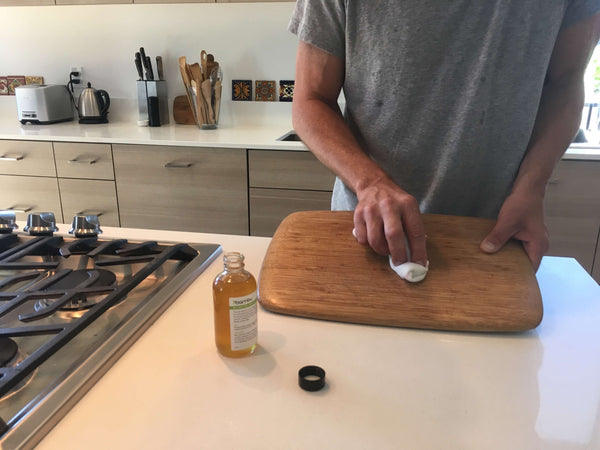
Spread the oil evenly using a clean cloth or paper towel. Rub the oil in small circles to cover all areas.
Make sure to coat the top, sides, and bottom of the board. This protects the whole board from drying out.
- Use a soft cloth to apply oil
- Rub in circular motions for better coverage
- Pay attention to edges and corners
- Let the oil soak for several hours or overnight
- Wipe off any extra oil with a clean cloth
Letting The Board Absorb Oil
Oiling a bamboo cutting board helps protect it and keeps it from drying out. After applying oil, you must let the board soak in the oil. This step is important for deep nourishment and lasting protection.
Patience is key while the board absorbs the oil. Rushing this process can leave the surface sticky or unevenly coated.
Recommended Waiting Time
After you apply oil to your bamboo board, wait at least one hour. This allows the oil to soak into the wood fibers. For the best results, leave the board overnight.
Thicker boards might need longer to absorb oil fully. Make sure to place the board on a protected surface while it rests.
- Minimum wait: 1 hour
- Ideal wait: Overnight (8-12 hours)
- Thicker boards may need longer
Signs The Board Is Fully Absorbed
You can tell the board has absorbed the oil when the surface no longer feels greasy. The wood looks richer and slightly darker.
If the board still feels sticky or wet, it needs more time. A well-oiled board will have a smooth, dry feel but still look nourished.
- Surface is dry to touch, not sticky
- Wood appears darker and rich
- No oily residue left on the surface
- Board feels smooth, not rough
Removing Excess Oil
Oiling a bamboo cutting board keeps it strong and water-resistant. But too much oil can leave it sticky and messy. Removing extra oil is important for a smooth finish.
Learn how to use a clean cloth and avoid sticky residue after oiling your board. These tips keep your bamboo cutting board in top shape.
Using A Clean Cloth
After applying oil, take a soft, clean cloth to wipe off the extra. This step prevents the oil from pooling and keeps the surface even.
- Choose a lint-free cloth to avoid fibers sticking to the board.
- Gently rub the board in the direction of the grain.
- Wipe until the cloth no longer picks up oil.
- Use a dry cloth for a final polish if needed.
Avoiding Sticky Residue
Sticky residue happens if too much oil stays on the surface. It can attract dirt and feel unpleasant to touch.
| Cause | How to Prevent |
| Applying too much oil | Use a small amount and spread evenly |
| Not wiping off excess | Use a clean cloth to remove leftover oil |
| Using the wrong oil | Choose food-safe oils like mineral oil |
| Not letting oil soak in | Allow 20 minutes before wiping |
Credit: cheesegrotto.com
Maintaining Your Bamboo Board
Keeping your bamboo cutting board in good shape helps it last longer. Proper care stops cracks and warping.
Oiling is an important part of maintaining your bamboo board. It protects the wood and keeps it looking fresh.
Frequency Of Oiling
Oil your bamboo board regularly to keep it strong and smooth. How often depends on use and environment.
For most users, oiling every month is good. If you use your board a lot, oil it every two weeks.
- Light use: oil every 4 weeks
- Heavy use: oil every 2 weeks
- Dry climate: oil more often
- Humid climate: oil less often
Additional Care Tips
Clean your bamboo board with mild soap and warm water. Avoid soaking it in water for long.
Dry the board completely after washing. Store it in a dry, cool place away from direct sunlight.
- Do not put the board in the dishwasher
- Use a soft sponge for cleaning
- Apply mineral oil or bamboo-specific oil only
- Sand the surface lightly if it feels rough
Common Mistakes To Avoid
Oiling a bamboo cutting board helps keep it strong and clean. Many people make mistakes that harm the board instead.
Learn what to avoid so your bamboo board lasts longer and stays safe for food.
Over-oiling Issues
Adding too much oil can make the board sticky and soft. The oil may not soak in well if you use too much at once.
Excess oil can trap dirt and germs on the surface. It also takes longer to dry, which can cause bad smells.
- Use a small amount of oil each time
- Wipe off extra oil with a clean cloth
- Let the board dry fully before use
Ignoring Cracks And Splits
Do not oil a board with cracks or splits without fixing them first. Oil can get inside and cause more damage.
Water and oil trapped in cracks can lead to mold and bacteria growth. The board may break faster if cracks are ignored.
- Check the board for cracks before oiling
- Sand small cracks smooth before applying oil
- Replace the board if cracks are deep

Credit: forest-decor.com

Credit: greenerchef.com
Frequently Asked Questions
How Often Should You Oil A Bamboo Cutting Board?
Oil your bamboo cutting board every two to four weeks. This keeps it hydrated and prevents cracks. Regular oiling maintains the board’s durability and appearance. If you use it frequently, consider oiling it more often. Always ensure the board is clean and dry before oiling.
What Type Of Oil Is Best For Bamboo Boards?
Use food-grade mineral oil for bamboo cutting boards. It’s safe, non-toxic, and helps maintain the board’s integrity. Other suitable options include coconut oil or beeswax. Avoid using olive or vegetable oils, as they can go rancid over time. Always choose oils that are specifically designed for cutting boards.
Can I Use Olive Oil On Bamboo Cutting Boards?
Avoid using olive oil on bamboo cutting boards. Olive oil can turn rancid, leaving unpleasant odors. Instead, use food-grade mineral oil, which is safe and long-lasting. Mineral oil penetrates the bamboo, maintaining its smooth surface. Regular maintenance with the right oil prolongs the board’s lifespan.
How Do I Know If My Board Needs Oiling?
Your bamboo board needs oiling if it appears dry or dull. Look for signs of cracking or splitting. Regular oiling prevents these issues. If water no longer beads on the surface, it’s time to oil. Keeping the board well-oiled ensures its longevity and functionality.
Conclusion
Oiling a bamboo cutting board keeps it strong and lasting longer. Regular care stops cracks and warping from water damage. Use food-safe oil and apply it evenly for best results. Let the board absorb the oil before wiping off extra.
Clean and oil your board often to keep it smooth and fresh. Small steps protect your bamboo board and save money. Enjoy cooking with a clean, well-oiled cutting surface every day. Simple care makes a big difference in your kitchen tools.