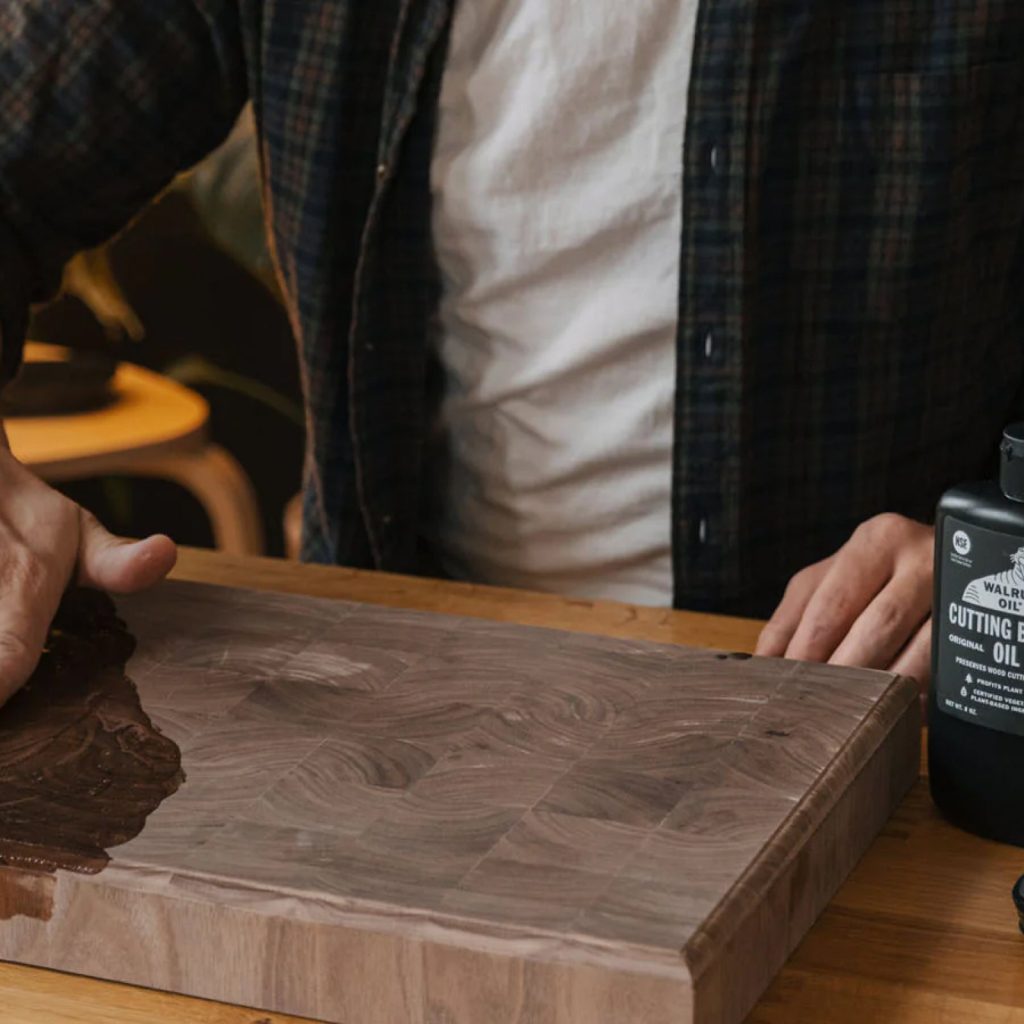
Your wooden cutting board is more than just a kitchen tool—it’s an investment that can last for years with the right care. But are you sure you’re treating it the way it deserves?
Oiling your wooden cutting board is one simple step that can protect it from cracks, stains, and bacteria. If you want to keep your board looking fresh and working perfectly, you need to know how to do it right. Stick with me, and I’ll show you exactly how to oil your wooden cutting board so it stays strong and beautiful for every meal you create.

Credit: www.amazon.ca
Choosing The Right Oil
Oiling a wooden cutting board keeps it strong and prevents cracks. The right oil protects wood without harming food.
Not all oils work well for cutting boards. Some can spoil or make the wood sticky.
Food-safe Oils To Use
Use oils that are safe to eat and soak well into the wood. These oils keep the board smooth and water-resistant.
- Mineral oil: clear, odorless, and easy to find
- Walnut oil: natural and good for food contact
- Fractionated coconut oil: stays liquid and won’t go bad
- Pure beeswax (mixed with oil): adds extra protection
Oils To Avoid
Avoid oils that can spoil or become sticky. These oils may smell bad or harm the wood.
- Vegetable oils like olive, canola, or sunflower oil
- Nut oils that can cause allergies if not fully cured
- Cooking oils that dry out and turn rancid
- Oils with added flavors or chemicals

Credit: homewithgraceandjoy.com
Preparing The Cutting Board
Oiling a wooden cutting board keeps it strong and safe for food. Preparing the board well helps the oil soak in better. Start by cleaning and drying the board properly.
This guide covers cleaning before oiling and the best drying techniques. Follow these steps to keep your board in good shape.
Cleaning Before Oiling
Clean your cutting board to remove food particles and bacteria. Use warm water and mild soap. Avoid soaking the board in water to prevent damage.
- Scrub the surface with a soft sponge or cloth
- Rinse with warm water to remove soap
- Wipe with a clean towel to remove excess water
- Do not use harsh chemicals or bleach
Drying Techniques
Dry the board completely before oiling. Moisture can stop the oil from soaking in properly and cause wood damage.
| Drying Method | Instructions |
| Air Dry | Stand the board upright in a well-ventilated area. |
| Towel Dry | Use a dry towel to wipe all surfaces thoroughly. |
| Sun Dry | Place the board in indirect sunlight for 1–2 hours. |
Applying The Oil
Oiling a wooden cutting board helps keep it strong and clean. It stops the wood from drying out and cracking.
Applying oil is simple if you have the right tools and follow some clear steps. This guide will show you how.
Tools You’ll Need
Using the right tools makes oiling easier and more effective. Get these items ready before you start.
- Food-grade mineral oil or cutting board oil
- Clean, soft cloth or paper towels
- Small bowl or container for the oil
- Rubber gloves (optional, to keep hands clean)
- Dry towel for wiping excess oil
Step-by-step Application
Follow these steps to apply oil evenly and protect your wooden cutting board well.
- Clean the cutting board and let it dry completely.
- Pour a small amount of oil into a bowl or directly on the board.
- Use a soft cloth to spread the oil in a thin, even layer over the surface.
- Rub the oil into the wood using circular motions.
- Apply oil to all sides, including edges and ends.
- Let the board soak in the oil for at least 2 hours or overnight.
- Wipe off any extra oil with a clean, dry towel.
- Repeat the process every few weeks or when the board looks dry.
Allowing Oil To Absorb
Oiling a wooden cutting board protects it from drying out. It also keeps the wood strong and clean. After applying oil, you must let it soak in well.
Giving the oil enough time to absorb helps the wood stay in good shape. It is important to know how long to wait and how to check if the oil has done its job.
Recommended Waiting Time
Let the oil sit on the board for several hours to soak in fully. The usual waiting time is between two and four hours. For best results, leave it overnight.
- Apply oil evenly on all surfaces.
- Allow the board to rest on a flat surface.
- Keep the board away from heat or sunlight.
- Do not wipe off excess oil too soon.
Signs Of Proper Absorption
You can tell the oil has absorbed well by looking for these signs. The wood will look richer and feel smooth but not sticky.
| Sign | What It Means |
| Wood looks darker | Oil has soaked in deeply |
| Surface feels smooth | Wood is well moisturized |
| No oily residue | Oil was absorbed, not left on top |
| Water beads up | Board is protected from moisture |
Removing Excess Oil
After applying oil to your wooden cutting board, some oil may stay on the surface. Removing this extra oil is important. It helps the board dry properly and keeps it from feeling sticky.
Too much oil can attract dust and dirt. It can also make the board slippery. Use the right steps to wipe off the extra oil carefully.
Wiping Techniques
Use a clean, dry cloth to wipe off the extra oil from the board. Soft cotton or microfiber cloths work best. Wipe in the direction of the wood grain for a smooth finish.
Press lightly and remove all visible oil. If needed, use a second cloth to catch any leftover oil. Avoid rubbing too hard to prevent damage.
- Use a soft, dry cloth
- Wipe along the wood grain
- Apply gentle pressure
- Use a second cloth if needed
Preventing Sticky Residue
Sticky residue forms when excess oil stays on the surface too long. Let the board rest for about 20 minutes after wiping. This lets the oil soak in evenly.
If you feel any sticky spots after resting, wipe them again with a clean cloth. Avoid applying too much oil at once to prevent stickiness.
- Let the board rest for 20 minutes
- Wipe sticky spots with a dry cloth
- Use moderate amounts of oil
- Repeat oiling only when needed
Maintenance Tips
Oiling a wooden cutting board keeps it safe and strong. It stops cracks and warping. This guide helps you care for your board well.
Proper care extends the life of your cutting board. Regular oiling is key to maintaining its condition.
How Often To Oil
Oiling frequency depends on how much you use the board. If you use it often, oil it more.
Look for signs that your board needs oil. Dry spots and dull wood show it is time to oil.
- Oil the board once a month if used daily
- If used less, oil every three months
- Oil immediately if the wood looks dry
Avoiding Common Mistakes
Using the wrong oil can harm your board. Choose food-safe oils made for cutting boards.
Do not soak the board in water or oil. This can cause damage and weaken the wood.
- Avoid cooking oils like olive or vegetable oil
- Do not use mineral oil with additives
- Do not apply too much oil at once
- Let the oil soak in fully before wiping
- Never put an oiled board in the dishwasher
Additional Care Advice
Oiling your wooden cutting board keeps it strong and water-resistant. Proper care helps it last longer and stay safe for food.
Besides oiling, other steps help keep your board clean and fresh. Follow these tips for best results.
Handling Stains And Odors
Stains and smells can build up on wood. Clean your board carefully to avoid damage.
- Rub coarse salt on the stain, then scrub with half a lemon.
- Use baking soda paste to remove strong odors gently.
- Rinse with warm water, never soak the board.
- Dry the board fully after cleaning to stop smells from returning.
Storage Best Practices
How you store your wooden cutting board affects its condition. Keep it dry and away from heat.
| Storage Tip | Reason |
| Store upright or on a rack | Air circulates to prevent moisture buildup |
| Avoid placing near stove or sink | Heat and water can warp or crack wood |
| Use a clean cloth to cover | Keeps dust off and limits drying out |
| Oil regularly, at least once a month | Maintains wood moisture and strength |

Credit: woodforchef.com
Frequently Asked Questions
How Often Should I Oil My Wooden Cutting Board?
To keep your wooden cutting board in top condition, oil it every 3-4 weeks. Regular oiling prevents cracking and warping. If you use your board frequently, consider oiling it more often. Always ensure the board is clean and dry before applying oil for the best results.
What Type Of Oil Is Best For Cutting Boards?
Mineral oil is the best choice for wooden cutting boards. It’s food-safe, odorless, and prevents wood from drying out. Avoid cooking oils like olive or vegetable oil, as they can turn rancid. For an eco-friendly option, consider using fractionated coconut oil, which is also effective.
Can I Use Olive Oil On My Cutting Board?
Avoid using olive oil on wooden cutting boards. Olive oil can become rancid over time, affecting your board’s smell and taste. Instead, opt for food-grade mineral oil, which is safe and effective. Regular maintenance with the right oil will extend your cutting board’s lifespan and keep it looking great.
How Do I Apply Oil To My Cutting Board?
To oil your cutting board, pour a small amount of mineral oil onto the surface. Use a clean cloth to spread the oil evenly, covering all areas. Let the oil soak in for a few hours or overnight. Wipe off any excess oil with a dry cloth before using the board.
Conclusion
Oiling your wooden cutting board keeps it strong and safe. It stops the wood from drying and cracking. Regular care helps the board last much longer. Just follow the simple steps, and your board will stay fresh. This small effort makes a big difference in kitchen hygiene.
Keep your cutting board ready for every meal. Healthy cooking starts with a well-maintained board. Easy and quick care saves money and time. Your wooden cutting board deserves this simple treatment.