Packing your backpacking tent the right way can make a huge difference on your trip. Imagine reaching your campsite and finding your tent wet, tangled, or damaged because it wasn’t packed properly.
You don’t want that. You want your tent to stay dry, compact, and easy to carry. In this guide, you’ll discover simple, practical steps to pack your backpacking tent quickly and efficiently. By the end, you’ll feel confident knowing your gear is protected and ready for your next adventure.
Keep reading, and make packing your tent one less thing to worry about.
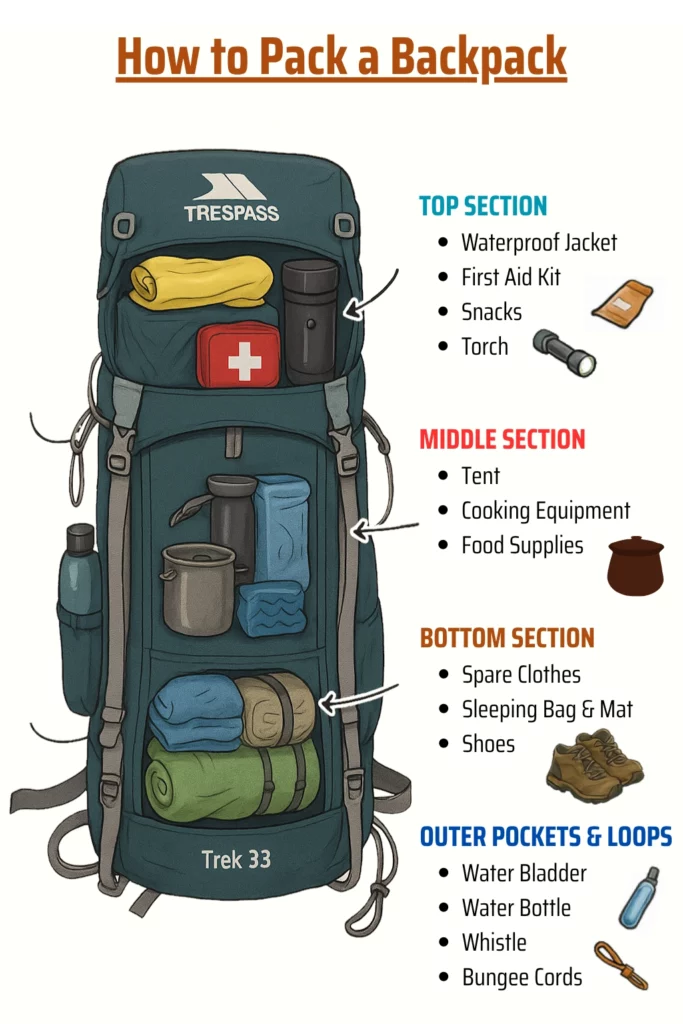
Credit: www.trespass.com
Choosing The Right Tent
Picking the right tent is key for a good backpacking trip. Your tent must be light and easy to carry.
Think about the weather, space, and how long you will stay outside. These things help you choose well.
Types Of Backpacking Tents
There are three main types of tents: dome, tunnel, and cabin. Each has its own shape and use.
Dome tents are good for windy places. Tunnel tents offer more room. Cabin tents are tall and spacious.
- Dome tents:Strong and stable, good for tough weather.
- Tunnel tents:Lightweight and roomy, best for calm conditions.
- Cabin tents:Tall and comfortable, ideal for base camps.
Size And Weight Considerations
Choose a tent size based on how many people will sleep inside. Add space for gear if needed.
Weight is very important. A heavy tent makes your backpack harder to carry.
- Pick a tent that fits your group size.
- Look for tents under 4 pounds for easy carrying.
- Think about extra space for comfort and gear.
Material And Durability
Tents use different materials for fabric and poles. Strong materials last longer and resist bad weather.
Look for waterproof fabrics and sturdy poles. These keep you dry and safe during rain and wind.
- Fabric:Nylon and polyester are common. Nylon is light and strong.
- Waterproofing:Check for coatings like silicone or polyurethane.
- Poles:Aluminum is strong and light. Fiberglass is heavier and less durable.
Preparing Your Tent For Packing
Packing your backpacking tent properly keeps it safe and lasts longer. You should prepare it carefully before storing it away.
This guide explains how to clean, organize, and check your tent before packing it.
Cleaning And Drying
Always clean your tent after each trip. Dirt and moisture can damage the fabric and cause mold.
Dry your tent completely before packing. Wet tents can develop bad smells and weaken the material.
- Shake out dirt and leaves gently
- Use a soft brush to remove stuck debris
- Spot clean stains with mild soap and water
- Hang the tent in a dry, shaded place to dry fully
Organizing Tent Components
Keep all tent parts together to avoid losing anything. Organize poles, stakes, and rain flies neatly.
Use separate bags or compartments inside your backpack to store each item. This helps quick setup next time.
- Fold the tent body carefully to avoid wrinkles
- Bundle poles and secure with elastic bands
- Place stakes in a small pouch or container
- Store rain fly separately but with the tent
Checking For Damages
Inspect your tent for tears, holes, or broken parts before packing. Fix problems early to prevent more damage.
Look at seams, zippers, and pole joints. Replace or repair damaged parts if needed.
- Check fabric for holes or weak spots
- Test zippers to make sure they work smoothly
- Look for cracks or bends in poles
- Examine tent stakes for bends or breaks
Folding Techniques For Compact Packing
Packing a backpacking tent properly saves space and keeps gear organized. Good folding methods make carrying easier.
This guide covers flat folding, rolling, and the use of stuff sacks versus compression sacks.
Flat Folding Method
Flat folding keeps the tent in a neat, thin shape. Spread the tent fabric flat and fold edges toward the center. Fold the tent repeatedly until it fits the bag.
- Lay tent flat on a clean surface
- Fold poles and stakes inside the fabric
- Fold sides in evenly to remove air
- Make long, flat folds to minimize bulk
- Place folded tent in its sack gently
Rolling Method
Rolling helps reduce wrinkles and keeps the tent tight. Start by folding the tent flat, then roll it tightly from one end to the other. Use straps to hold it.
- Lay the tent flat with poles inside
- Fold sides evenly to make a rectangle
- Begin rolling tightly from one short end
- Secure the roll with straps or cords
- Place the rolled tent into the storage sack
Stuff Sack Vs Compression Sack
Stuff sacks and compression sacks store tents differently. Stuff sacks just hold the tent loosely. Compression sacks reduce the tent’s volume by tightening straps.
| Feature | Stuff Sack | Compression Sack |
|---|---|---|
| Space Saving | Minimal | High |
| Weight | Lighter | Slightly Heavier |
| Ease of Use | Simple | Needs Adjustment |
| Protection | Basic | Better |
| Cost | Lower | Higher |
Packing The Tent In Your Backpack
Packing your backpacking tent correctly saves space and protects the gear. A good pack helps you carry it comfortably.
Knowing where and how to place the tent makes your hike easier. It also keeps the tent safe from damage and weather.
Optimal Placement In The Pack
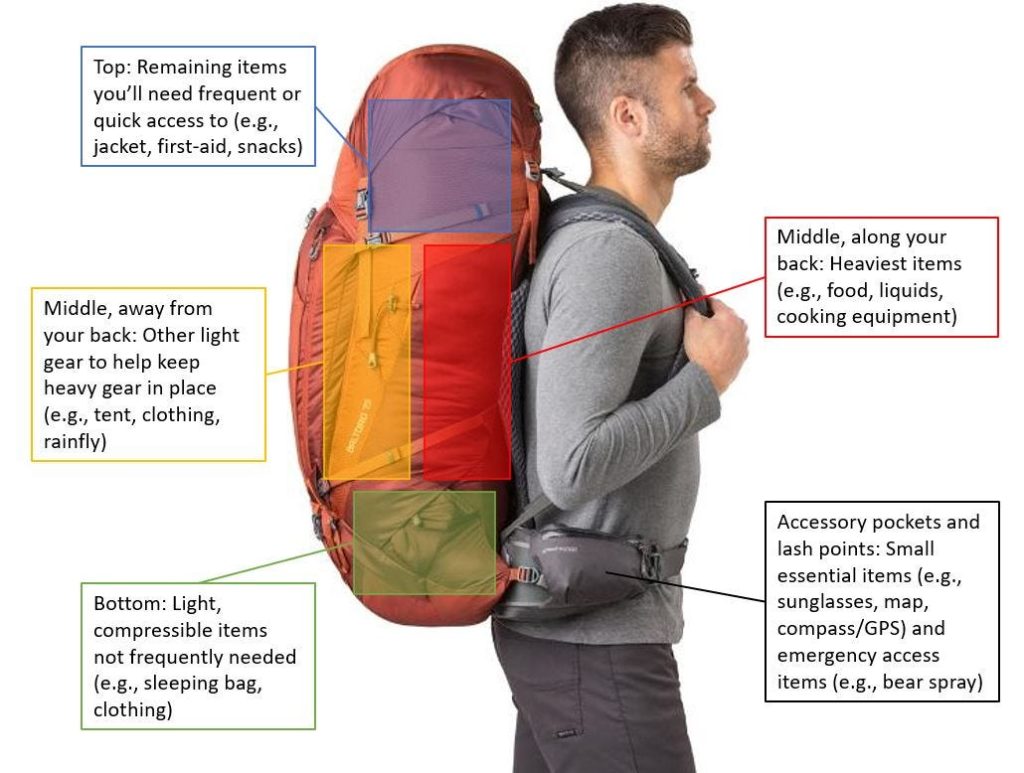
Put the tent in the middle or bottom of your pack. This spot keeps the load steady and easy to carry.
Make sure it is close to your back to help balance the weight. Avoid placing it on the pack’s outside unless it fits tight.
- Place the tent bag in the center or bottom
- Keep it near your back
- Use compression straps to secure it
- Avoid bulky outside placement
Balancing Weight
Balance the tent weight with other gear to keep your pack stable. Uneven weight can cause discomfort or falls.
Try to spread heavy items evenly on both sides. If the tent is heavy, balance it with other heavy gear on the opposite side.
- Keep weight centered close to your back
- Distribute heavy items on both sides
- Place lighter items near the top
- Adjust straps for a snug fit
Protecting The Tent From Moisture
Keep your tent dry to avoid damage and mold. Pack it in a waterproof bag or dry sack before placing it in your backpack.
If the tent is wet, air it out and dry it before packing. If you cannot dry it fully, wrap it in plastic to stop moisture from spreading.
- Use a waterproof or dry bag for the tent
- Air-dry the tent before packing if possible
- Wrap wet tents in plastic bags
- Store away from sharp or wet items
Tips For Maintaining Your Tent On The Trail
Keeping your backpacking tent in good shape helps it last longer. Proper care prevents damage and keeps you dry.
Use simple habits to clean, repair, and store your tent while hiking. These tips will make your gear ready for every trip.
Regular Cleaning
Remove dirt and debris from your tent every day. Use a soft brush or cloth to clean the fabric gently.
- Brush off mud and leaves before packing
- Wipe zippers to keep them working smoothly
- Air out the tent to avoid mold and smells
Quick Repairs
Fix small tears or broken parts as soon as possible. Carry a repair kit with patches, tape, and needle with thread.
| Repair Item | Use |
|---|---|
| Adhesive Patch | Cover small fabric holes |
| Tent Tape | Seal seams and fix poles |
| Needle & Thread | Sew rips and loose stitches |
Proper Storage After Use
Store your tent dry and loosely packed after trips. Avoid tight bags and damp places.
- Set up the tent to dry completely
- Fold gently to avoid creases
- Keep in a cool, dry spot at home
- Use a breathable storage bag instead of plastic

Credit: www.thepackablelife.com
Additional Gear To Pack With Your Tent
Bringing extra gear with your backpacking tent can make camping safer and more comfortable. These items protect your tent and help fix small problems on the trail.
Below are important gear types to consider packing with your tent for a smooth camping experience.
Footprints And Ground Tarps
Footprints or ground tarps go under your tent to protect the floor. They keep moisture and sharp objects from damaging the tent fabric. Using a footprint can also extend your tent’s life.
- Choose a footprint that fits your tent size exactly.
- Use lightweight, durable materials like silnylon or polyester.
- Make sure the footprint does not extend beyond the tent edges to avoid water pooling.
Tent Stakes And Guy Lines
Stakes hold your tent to the ground, while guy lines add stability in wind. Carry extra stakes and strong guy lines for better security.
| Gear | Purpose | Tips |
| Tent Stakes | Secure tent base | Bring a few extras in case some bend or break |
| Guy Lines | Stabilize tent in wind | Use reflective lines for visibility at night |
| Stake Hammer | Drive stakes into hard ground | Small, lightweight versions save space |
Repair Kits And Accessories
Repair kits help fix tears and broken parts fast. They keep your tent usable during long trips.
- Pack patches and strong adhesive tape for fabric repairs.
- Include extra zipper pulls and clips.
- Bring a small sewing kit with needles and thread for stitching.
- Carry a multi-tool to tighten screws or cut lines.

Credit: www.andreaference.com
Frequently Asked Questions
How Do I Pack A Backpacking Tent Efficiently?
Start by cleaning and drying your tent. Fold it neatly to minimize wrinkles. Use the tent bag or a compression sack. Pack poles and stakes separately to avoid damage. Place the tent at the bottom of your backpack for balance.
What Gear Should I Include With My Tent?
Include stakes, poles, rainfly, footprint, and repair kit. Bring a small mallet for stakes. Carry a stuff sack for organization. Always pack a groundsheet to protect your tent floor. Check tent components before packing.
Can I Pack My Tent Wet When Backpacking?
Avoid packing a wet tent to prevent mold and odor. If you must, pack it loosely in a breathable bag. Dry it as soon as possible at camp or home. Use a waterproof bag if rain is expected.
How To Reduce Tent Weight For Backpacking?
Choose a lightweight tent with fewer poles and minimal fabric. Use carbon fiber poles instead of aluminum. Skip heavy stakes and opt for titanium ones. Leave unnecessary accessories behind to save weight. Always balance weight with durability.
Conclusion
Packing a backpacking tent can be simple. Follow these easy steps. Keep your tent clean and dry. Roll it tightly to save space. Use the tent bag for neat storage. Secure it well in your backpack. This helps with balance and comfort.
Always check for missing parts before packing. A well-packed tent makes your trip smoother. Enjoy your outdoor adventure with peace of mind. Safe travels and happy camping!