Packing your sleeping bag the right way can make a huge difference on your backpacking trip. You want it to be as compact and light as possible, so it doesn’t weigh you down.
But at the same time, you need to protect it and keep it ready for a good night’s sleep. If you’ve ever struggled with stuffing your sleeping bag into your pack or worried about it getting damp, this guide is for you.
Keep reading, and you’ll learn simple, practical tips that save space, protect your gear, and make your backpacking experience smoother from start to finish.

Credit: www.reddit.com
Choosing The Right Sleeping Bag
Packing a sleeping bag for backpacking starts with picking the right one. The right sleeping bag keeps you warm and fits your trip well.
Consider the types, materials, and size before buying. This helps you carry less weight and stay comfortable.
Types Of Sleeping Bags
Sleeping bags come in different shapes. The shape affects warmth and weight.
- Mummy bags: Tight fit, very warm, and light.
- Rectangular bags: More room, less warm, heavier.
- Semi-rectangular bags: A mix of warmth and space.
Materials And Insulation
Sleeping bags use two main insulation types: down and synthetic. Each has good and bad points.
| Insulation Type | Advantages | Disadvantages |
| Down | Lightweight, compresses small, very warm | Expensive, loses warmth if wet |
| Synthetic | Less costly, keeps warmth when wet | Heavier, bulkier than down |
Size And Weight Considerations
Choose a size that fits your height and shoulder width. Too big means extra weight and less warmth.
- Pick a bag that fits snugly without squeezing.
- Lighter bags are easier to carry on long hikes.
- Remember to check packed size for your backpack space.
Preparing Your Sleeping Bag
Getting your sleeping bag ready for backpacking is important. Proper preparation ensures comfort and safety during your adventure.
Follow these steps to make sure your sleeping bag is in top condition before you hit the trail.
Cleaning Before Packing
Cleaning your sleeping bag removes dirt and oils. This helps maintain its insulation and extend its life.
- Check the care label for washing instructions.
- Use a gentle detergent specifically for outdoor gear.
- Consider hand washing or using a front-loading machine.
Drying Tips
Proper drying is crucial to prevent mold and odors. Take your time to ensure it’s completely dry before packing.
Here are some drying tips:
- Gently squeeze out excess water; do not wring.
- Lay flat or hang to dry in a shaded area.
- Use a low-heat dryer setting if recommended by the manufacturer.
Repairing Small Damages
Check for small rips or tears before packing. Fixing these issues early can prevent bigger problems on your trip.
| Damage Type | Repair Method |
| Small Tear | Use a patch kit or fabric glue |
| Broken Zipper | Replace with a new zipper slider |
| Loose Seams | Re-sew with a strong thread |
Packing Techniques
Packing a sleeping bag properly helps save space and keeps it clean. Good packing protects your gear and makes your backpack lighter.
Different packing ways work better for different trips. Learn some simple techniques to pack your sleeping bag well.
Rolling Vs Stuffing
Rolling a sleeping bag keeps it neat and easy to carry. Stuffing is faster and saves more space but may compress the bag more.
Rolling keeps the insulation layers nice, while stuffing packs the bag tight. Rolling takes more room but protects the bag better.
- Rolling:Lay flat, fold if needed, roll tightly from the foot end.
- Stuffing:Push the bag into a sack without folding, keeps air inside the fibers.
Using Compression Sacks
Compression sacks help reduce the size of your sleeping bag. They use straps to squeeze out air and make the bag smaller.
These sacks protect the bag and make it easier to fit in tight spaces. Tighten the straps slowly to avoid damaging the insulation.
- Place the sleeping bag inside the sack.
- Close the sack’s opening securely.
- Tighten the straps evenly.
- Check for leaks or damage.
Maximizing Space Efficiency
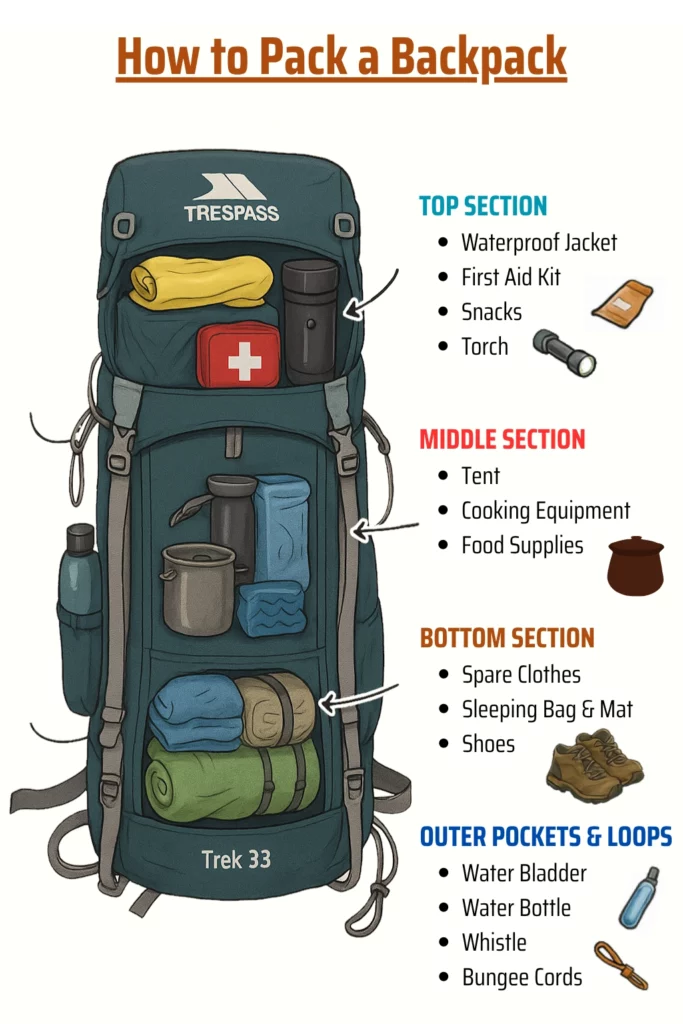
To save space, pack your sleeping bag at the bottom of your backpack. Fill gaps with small items to avoid wasted space.
Compress the bag enough but not too much. Avoid packing wet or dirty bags inside your pack to keep gear clean.
- Use compression sacks for smaller size.
- Stuff the bag instead of rolling to save space.
- Place the sleeping bag in an easy-to-reach spot.
- Keep the bag dry before packing.

Credit: www.reddit.com
Protecting Your Sleeping Bag
Keeping your sleeping bag safe from damage is key for backpacking trips. Proper protection helps it last longer and stay comfortable.
Learn how to waterproof, store, and avoid moisture to keep your sleeping bag in good shape.
Waterproofing Options
Waterproofing your sleeping bag protects it from rain and damp ground. Use a waterproof stuff sack or a dry bag to keep moisture out.
- Waterproof stuff sacks are light and easy to carry.
- Dry bags offer full protection from water and dirt.
- Use a rain cover for your backpack to shield the bag inside.
- Apply a water-repellent spray for extra protection on the outer shell.
Storage Bags Vs Compression Sacks
Choosing the right bag affects your sleeping bag’s shape and insulation. Storage bags keep loft and last longer, while compression sacks save space.
| Bag Type | Purpose | Effect on Sleeping Bag |
| Storage Bag | Long-term storage | Keeps loft, prevents damage |
| Compression Sack | Travel and packing | Reduces size, may compress insulation |
Avoiding Moisture And Mildew
Moisture causes mildew and bad smells. Keep your sleeping bag dry by airing it out after use. Store it in a dry place away from dampness.
- Dry your sleeping bag completely before packing.
- Use a mesh bag for storage to allow air circulation.
- Store in a cool, dry place, not in your tent or damp gear bag.
- Check for damp spots before packing for your next trip.
Packing For Different Conditions
Packing a sleeping bag right helps you stay comfortable on any backpacking trip. Different weather and environments need different packing methods.
Knowing how to prepare your sleeping bag for cold, warm, or wet conditions keeps you warm and dry. This guide shows you how to pack for each condition.
Cold Weather Considerations
In cold weather, keep your sleeping bag dry and insulated. Roll it tightly to save space and avoid air pockets.
- Use a compression sack to reduce size.
- Store your sleeping bag inside a waterproof stuff sack.
- Keep it close to your body while hiking to keep it warm.
- Bring an extra liner for added warmth.
Warm Weather Adjustments
In warm weather, packing your sleeping bag loosely can help air flow. You don’t need heavy insulation, so save space.
| Packing Tip | Reason |
| Loosely roll sleeping bag | Improves ventilation |
| Use a light stuff sack | Reduces weight |
| Skip liners | Prevents overheating |
| Keep bag dry but breathable | Avoids moisture buildup |
Handling Wet Environments
In wet places, protect your sleeping bag from water. Wet bags lose insulation and weight more quickly.
Tips to keep your sleeping bag dry:
- Use a waterproof stuff sack or dry bag.
- Store the bag inside your pack’s rain cover.
- Keep the sleeping bag off wet ground with a groundsheet.
- Air out the bag daily if possible.
Credit: www.trespass.com
Additional Tips And Tricks
Packing a sleeping bag right helps save space in your backpack. It also keeps your bag in good shape for a long time. Use these tips to pack smart and care for your sleeping bag on your trips.
These tricks make your backpack lighter and your sleeping bag fluffier. You will also learn how to keep your bag clean and lasting through many hikes.
Quick Packing Hacks
Rolling your sleeping bag tightly is better than stuffing it. It saves space and stops the bag from getting damaged. Use straps or compression sacks to keep it compact.
- Roll the bag from the foot end to the hood.
- Use a compression sack to reduce size.
- Keep the bag dry before packing to avoid mold.
- Pack your sleeping bag at the bottom for balance.
Maintaining Loft On The Trail
Loft means how fluffy your sleeping bag is. Fluff keeps you warm by trapping air. To keep loft, shake your bag each morning and avoid squashing it under heavy gear.
| Tip | Why It Helps |
| Shake the sleeping bag daily | Restores loft and warmth |
| Keep the bag dry | Prevents clumping of insulation |
| Use a breathable storage sack | Allows air flow and prevents moisture |
| Avoid sitting or stepping on the bag | Protects insulation fibers |
Extending Sleeping Bag Lifespan
Proper care helps your sleeping bag last many seasons. Clean it only when needed and store it loosely at home. Avoid direct sunlight and harsh washing methods.
- Spot clean small stains with mild soap and water.
- Use a front-loading washing machine on gentle cycle if needed.
- Dry the bag on low heat or air dry flat.
- Store the bag in a large cotton sack or hang it to keep loft.
Frequently Asked Questions
How Do I Properly Roll A Sleeping Bag?
Start by laying the bag flat and folding it in half lengthwise. Roll tightly from the foot end to the top. This method removes air and creates a compact shape, making it easier to fit into your backpack.
Should I Use A Compression Sack For My Sleeping Bag?
Yes, a compression sack reduces volume significantly. It helps save space and keeps your bag compact. However, avoid compressing for long periods to maintain insulation quality.
Can I Pack A Sleeping Bag While Damp?
It’s best to pack your sleeping bag dry. Damp packing causes mold and bad odors. Always air dry your bag before storing or packing.
How Do I Keep My Sleeping Bag Clean While Backpacking?
Use a sleeping bag liner to protect the interior. Avoid eating or applying lotions inside the bag. Regularly shake out dirt and spot clean stains promptly.
Conclusion
Packing your sleeping bag right saves space and keeps it dry. Roll it tightly to fit in your backpack easily. Use compression sacks to make it smaller and lighter. Always dry your bag before packing to avoid mold and smell.
Practice packing a few times before your trip. Enjoy your hike with a well-packed sleeping bag. Simple steps can make your backpacking trip better and more comfortable.