Packing your sleeping bag the right way can make a huge difference on your backpacking trip. If you don’t pack it properly, you might end up with a bulky, heavy bag that takes up too much space and slows you down.
But when you know how to pack your sleeping bag efficiently, you save room, stay organized, and carry less weight. In this guide, you’ll discover simple, effective tips that anyone can use to pack their sleeping bag like a pro.
Ready to make your backpack lighter and your nights more comfortable? Keep reading, because your next adventure depends on it.
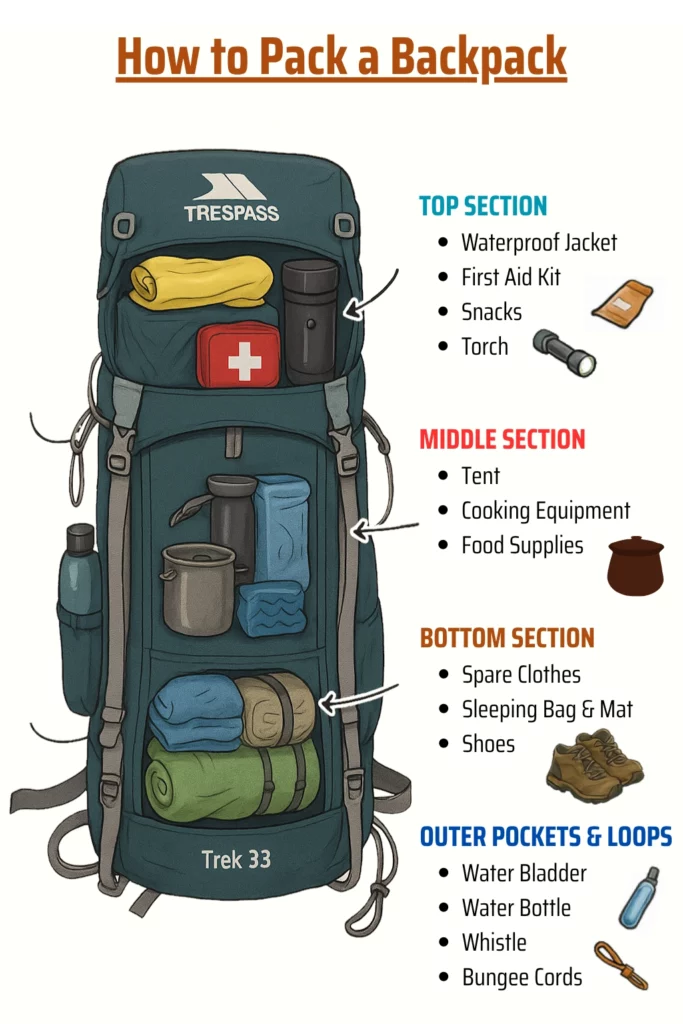
Credit: www.trespass.com
Choose The Right Sleeping Bag
Picking the right sleeping bag is key for a good night outdoors. It keeps you warm and fits your backpack space.
Consider what material, size, and temperature rating suit your trip. These factors help you stay comfortable.
Select Lightweight Materials
Lightweight materials make carrying easier. Look for bags made with synthetic or down insulation. They offer warmth without heavy weight.
- Down insulation is light and compressible
- Synthetic insulation works well when wet
- Nylon or polyester shells resist water and tears
- Choose ripstop fabrics for durability
Pick The Correct Size
Your sleeping bag should fit your body size for warmth and comfort. Too big lets cold air in. Too small feels tight.
| Sleeping Bag Size | Recommended User Height | Fit Description |
|---|---|---|
| Regular | Up to 6 feet (183 cm) | Standard fit for most adults |
| Long | Above 6 feet (183 cm) | Extra length for tall people |
| Short | Under 5 feet 4 inches (163 cm) | Shorter length for smaller users |
Consider Temperature Ratings
Check the temperature rating to match your camping climate. This rating shows the lowest temperature you can stay warm in.
- Summer bags: rated 35°F (2°C) and above
- 3-season bags: rated 20°F to 35°F (-7°C to 2°C)
- Winter bags: rated below 20°F (-7°C)
Prepare Your Sleeping Bag
Packing your sleeping bag correctly helps save space in your backpack. It also keeps your bag clean and ready for your next trip.
Before packing, take time to prepare your sleeping bag well. This makes your backpacking experience easier and more comfortable.
Clean And Dry Thoroughly
Make sure your sleeping bag is clean before packing it. Dirt and moisture can cause bad smells and damage the materials.
Dry your sleeping bag completely. A damp bag can grow mold and lose its warmth.
- Spot clean stains with a gentle detergent
- Air dry in a shaded, ventilated area
- Do not use a dryer unless the label says it is safe
- Check for any damp spots before packing
Remove Stuff Sack
Take your sleeping bag out of its stuff sack before packing. Stuff sacks compress the bag and can damage the insulation over time.
Use a larger storage sack or hang the bag loosely when not in use. This helps keep the filling fluffy and warm.
- Store sleeping bag in a loose cotton or mesh sack
- Avoid long-term storage in tight stuff sacks
- Pack the bag loosely in your backpack to keep loft
Use Compression Techniques
Packing a sleeping bag for backpacking needs smart use of space. Compression techniques help reduce size and save room in your pack.
Using the right method keeps your sleeping bag safe and easy to carry. It also makes your pack lighter and more organized.
Roll Versus Stuff Methods
Rolling your sleeping bag keeps it neat but may take more space. Stuffing is quicker and can save more room.
Rolling helps avoid wrinkles and keeps insulation even. Stuffing compresses the bag tightly for smaller size.
- Roll for easier packing and less wrinkles
- Stuff to compress and save space
- Stuffing works better with compression sacks
Utilize Compression Sacks
Compression sacks reduce your sleeping bag size by squeezing out air. They use straps or cords to tighten the sack.
These sacks protect the bag and keep it dry. Using them lets you fit more gear in your backpack.
- Place sleeping bag inside the sack loosely
- Pull straps to squeeze out air
- Secure straps tightly for smallest size
Layering Inside The Sack
Layering your sleeping bag inside the sack helps control how it compresses. Put thicker parts at the bottom.
Use layers to avoid crushing insulation unevenly. This keeps the bag warm and fluffy after unpacking.
- Place foot section first at the bottom
- Next add the middle body section
- Put the hood or top layer last
- Tighten compression straps evenly

Credit: www.reddit.com
Maximize Space In Your Pack
Packing a sleeping bag properly saves space in your backpack. This helps you carry other important gear.
Using smart packing tricks keeps your pack organized and balanced for easy hiking.
Positioning Sleeping Bag Efficiently
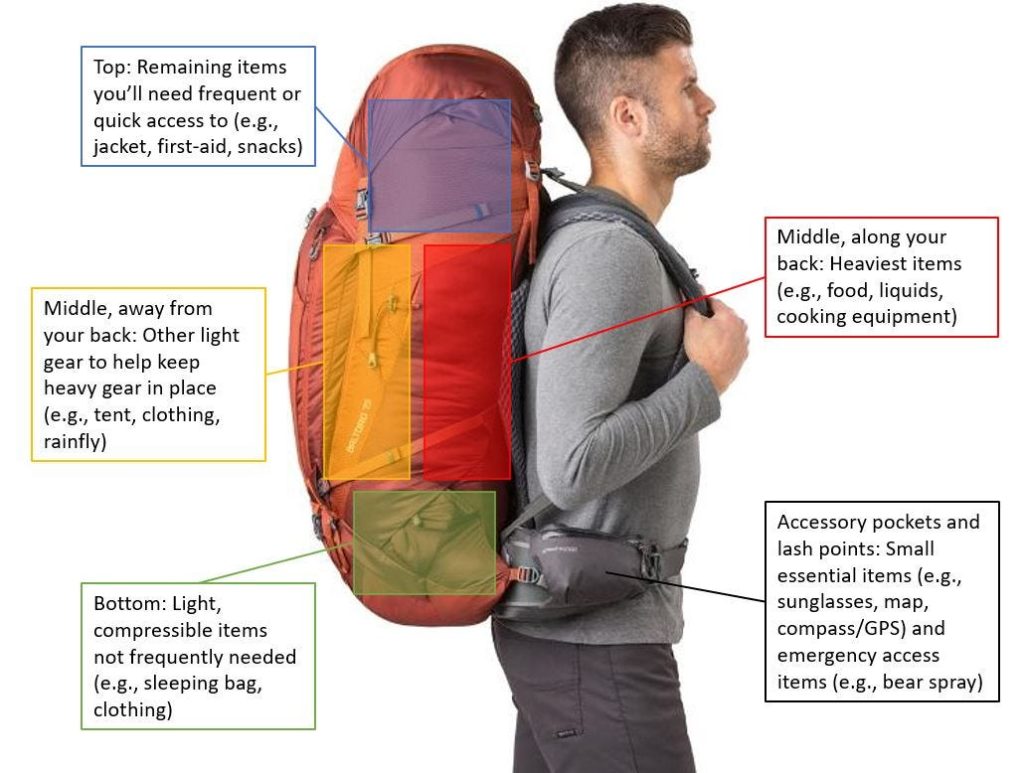
Place your sleeping bag in a spot that keeps your pack stable. The bottom or middle works well.
Rolling your sleeping bag tight reduces its size. Avoid just stuffing it in to save room.
- Roll from the foot end to push out air
- Compress with straps or a compression sack
- Keep it near your back for better weight balance
Combine With Other Gear
Put your sleeping bag with items that fit its shape. This saves gaps and space in your pack.
Try to combine the sleeping bag with bulky but soft gear like clothes or a sleeping pad.
- Stuff clothes inside the sleeping bag to fill space
- Attach the sleeping bag outside the pack if needed
- Use dry bags to group soft items together
Seal To Protect From Moisture
Keep your sleeping bag dry by sealing it in a waterproof bag or sack. Moisture adds weight and damage.
Use ziplock bags or dry sacks that fit your sleeping bag size well for best protection.
- Choose water-resistant compression sacks
- Double bag if rain is heavy
- Check seals before packing
Additional Space-saving Tips
Packing a sleeping bag for backpacking takes up a lot of space. Saving room helps carry other gear.
Use these extra tips to make your sleeping bag smaller and lighter in your pack.
Vacuum Seal Options
Vacuum sealing your sleeping bag removes air and shrinks its size. It fits easier in your backpack.
You can use a vacuum storage bag or a handheld vacuum pump to compress the bag.
- Place the sleeping bag inside the vacuum bag.
- Seal the bag tightly to avoid air leaks.
- Use a vacuum cleaner or pump to suck air out.
- Check for leaks and reseal if needed.
- Store the compressed bag in your pack.
Packing Accessories And Stuff Sacks
Stuff sacks help organize and compress sleeping bags. They come in different sizes and materials.
Compression sacks have straps to tighten the bag and reduce volume more than regular sacks.
- Use a compression sack to push out extra air.
- Choose a stuff sack that fits your sleeping bag size.
- Roll or stuff the sleeping bag tightly before placing it inside.
- Use sack straps to reduce the packed size.
- Separate your sleeping bag from other gear to keep it dry.

Credit: www.reddit.com
Frequently Asked Questions
How Do You Fold A Sleeping Bag?
To fold a sleeping bag, lay it flat and smooth out wrinkles. Fold it in half lengthwise, then roll tightly from the bottom up, pressing out air. Secure with straps or place in its stuff sack for compact storage. This method prevents damage and maintains loft.
Can I Compress My Sleeping Bag Too Much?
Yes, compressing a sleeping bag too much can damage its insulation. Over-compression reduces loft and warmth. Use a stuff sack that allows some expansion. For long-term storage, keep it loosely in a large bag or hang it. This preserves its insulating properties and lifespan.
What Materials Should I Avoid When Packing?
Avoid packing sharp objects or liquids with your sleeping bag. Sharp items can puncture the fabric, while liquids may cause moisture damage. Ensure your backpack’s interior is clean and dry before packing. Keep your sleeping bag in a waterproof stuff sack to prevent exposure to the elements.
Should I Use A Compression Sack For My Sleeping Bag?
Using a compression sack can save space in your backpack. It helps pack your sleeping bag tightly, but don’t over-compress. Over-compression can damage the insulation. For long-term storage, remove the bag from the compression sack to maintain its loft and performance.
Conclusion
Packing your sleeping bag right saves space and keeps it dry. Roll it tightly and use compression sacks to shrink size. Place it at the bottom of your backpack for balance. Keep it clean and dry to protect its warmth.
Practice packing before your trip to pack fast and easy. A well-packed sleeping bag makes your backpack lighter and your hike better. Simple steps can make a big difference on the trail. Ready to hit the outdoors with less hassle?