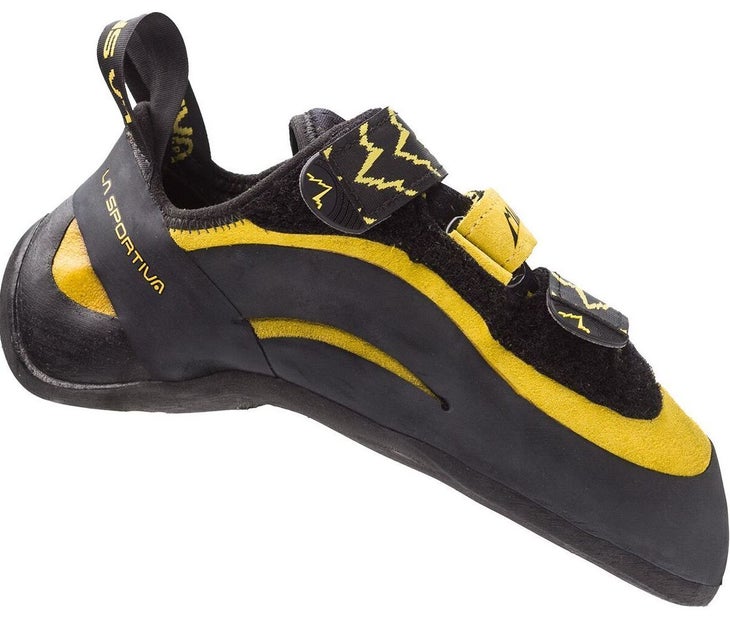
Choosing the right climbing shoes can make all the difference in your climbing experience. If your shoes don’t fit well or match your climbing style, you might struggle more than you need to.
But with so many options out there, how do you pick the perfect pair? This guide will help you understand what to look for, so you feel confident and comfortable every time you hit the wall. Keep reading to discover the simple steps that will take your climbing to the next level.
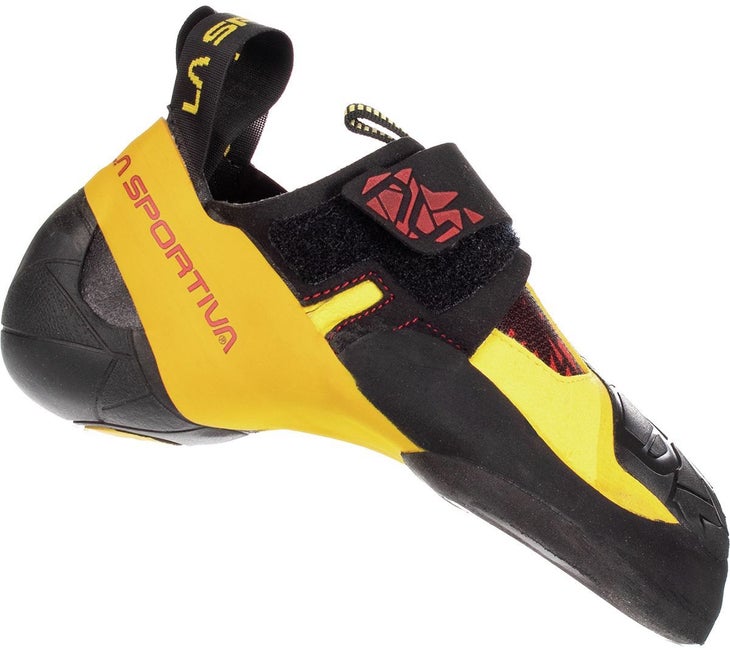
Credit: www.climbing.com
Types Of Climbing Shoes
Climbing shoes come in different styles. Each style fits different needs and climbing types.
Choosing the right shoe improves comfort and performance on the rock or wall.
Neutral Shoes For Comfort
Neutral shoes offer a relaxed fit with less curvature. They are soft and comfortable.
- Good for beginners and long climbs
- Provide comfort during all-day wear
- Ideal for crack climbing and trad routes
Aggressive Shoes For Performance
Aggressive shoes have a downturned shape. This design helps with steep and technical climbs.
| Feature | Benefit |
| Pointed toe | Better edge control |
| Downturned shape | More power on small holds |
| Tight fit | Improved precision |
Moderate Shoes For Versatility
Moderate shoes balance comfort and performance. They suit many climbing styles.
These shoes work well for:
- Sport climbing
- Bouldering
- Indoor climbing

Credit: www.reddit.com
Key Features To Consider
Choosing the right climbing shoes is important for comfort and performance. Consider these key features to make a smart choice.
Different shoes suit different climbing styles and foot shapes. Know what to look for to find the best pair for you.
Shoe Material And Breathability
The material affects how the shoe fits and feels. Leather shoes stretch over time and mold to your foot shape. Synthetic shoes do not stretch much but are often lighter.
Breathability helps keep feet dry and cool. Look for shoes with mesh panels or ventilation holes for better airflow.
- Leather: More comfortable over time
- Synthetic: Lighter and less stretch
- Breathability: Keeps feet dry
Closure Systems Explained
Closure systems affect how easy it is to put on and adjust shoes. Laces allow for a snug fit, but take longer to adjust. Velcro straps are quick to fasten and adjust easily.
Slip-on shoes offer convenience but may not fit as tightly. Choose based on your preference for ease and fit.
- Laces: Best for custom fit
- Velcro: Quick and easy
- Slip-on: Convenient but less secure
Sole Stiffness And Thickness
Sole stiffness affects sensitivity and support. Stiff soles provide more support for long climbs. Soft soles offer better sensitivity for feeling the rock.
Thickness matters for protection and grip. Thicker soles last longer but may reduce sensitivity. Thinner soles provide more feel but wear out faster.
- Stiff soles: More support
- Soft soles: Better sensitivity
- Thick soles: Durable but less feel
- Thin soles: More feel but less durable
Finding The Right Fit
Choosing climbing shoes that fit well is very important for comfort and performance. Shoes that fit poorly can cause pain or reduce your climbing ability.
Here are key points to consider when picking climbing shoes, focusing on fit and comfort.
Measuring Your Foot Size
Start by measuring your foot length and width. This helps you find the correct shoe size. Measure both feet because one foot might be larger.
- Place your foot on a piece of paper.
- Mark the heel and the longest toe.
- Measure the distance between marks in centimeters or inches.
- Measure the widest part of your foot for width.
How Tight Should Shoes Be?
Climbing shoes should feel snug but not painfully tight. A close fit helps with control and precision on small holds.
| Fit Level | Feel |
| Too Loose | Shoes slip or have extra space |
| Ideal Fit | Snug without sharp pain; toes slightly curled |
| Too Tight | Sharp pain or numbness in toes |
Break-in Period And Comfort
New climbing shoes often feel stiff at first. The break-in period lets the shoes mold to your feet for better comfort.
- Wear your shoes for short sessions at home.
- Gradually increase wear time over days.
- Do not ignore sharp pain during break-in.
- Replace shoes if discomfort persists after break-in.

Credit: www.youtube.com
Grip And Performance Factors
Picking the right climbing shoes is key for good grip and performance. Shoes must fit well and match the climbing style. Understanding the shoe parts helps you choose better.
This guide covers three main features: rubber types, sole shape, and heel and toe design. Each affects how the shoe grips and performs on rock surfaces.
Rubber Types And Their Benefits
Climbing shoe rubber comes in different types. Sticky rubber offers excellent grip on smooth surfaces. Harder rubber lasts longer but may grip less on slippery rock.
- Sticky Rubber:Great for smooth or slab climbs.
- Hard Rubber:Durable and good for edging on small holds.
- Mixed Rubber:Balances grip and durability for varied climbs.
Sole Shape And Edge Control
The sole shape affects how you use edges and stand on footholds. A flat sole offers comfort and good support. Curved soles help with precision and power on small edges.
| Sole Shape | Best Use | Performance |
|---|---|---|
| Flat | Long climbs, comfort | Good support, less precision |
| Moderate Curve | All-around climbing | Balanced power and comfort |
| Aggressive Curve | Steep, overhung routes | High precision and power |
Heel And Toe Design
The heel and toe areas add control and help with different moves. A snug heel improves heel-hooking. A pointed toe helps with small holds and cracks.
- Heel Design:Padded for comfort or tight for control.
- Toe Shape:Rounded toes offer comfort, pointed toes add precision.
- Toe Rand:Rubber around the toe helps with toe hooks and edging.
Choosing Shoes By Climbing Style
Picking the right climbing shoes depends on the type of climbing you do. Different styles need different shoe features.
Knowing what to look for helps you climb safer and better. Here are tips for bouldering, sport, and trad climbing shoes.
Bouldering Shoe Choices
Bouldering needs shoes with strong grip and precise fit. Look for shoes that hold your foot tight for quick moves on small holds.
- Choose aggressive shoes with a downturned shape
- Pick shoes with sticky rubber soles
- Look for adjustable closures to tighten fit
- Consider stiff soles for support on edges
Sport Climbing Shoe Tips
Sport climbing shoes should balance comfort and performance. You climb longer routes, so comfort is key.
| Feature | What to Look For |
| Fit | Snug but comfortable for long wear |
| Sole | Moderate stiffness for edging and smearing |
| Shape | Neutral or slightly downturned |
| Closure | Velcro or laces for easy adjustment |
Trad Climbing Shoe Recommendations
Trad climbing shoes need durability and comfort for long climbs and varied terrain. They should protect your feet well.
| Type | Key Features | Best Use |
|---|---|---|
| Durable Leather | Long-lasting, molds to foot | Multi-pitch trad routes |
| Moderate Sole Stiffness | Comfort and support | Cracks and edges |
| Neutral Shape | Comfort over aggressive fit | All-day climbs |
| Lace Closures | Adjustability and secure fit | Varied foot shapes |
Maintenance And Longevity
Climbing shoes need care to last long and perform well. Proper maintenance keeps them comfortable and safe.
Learn simple ways to clean, repair, and know when to replace your climbing shoes.
Cleaning And Care Tips
Keep your climbing shoes fresh and dry after every use. Avoid leaving them in damp or hot places.
- Remove dirt and chalk with a soft brush.
- Air dry shoes away from direct sunlight.
- Use a mild soap and water for cleaning, avoid harsh chemicals.
- Do not machine wash or soak your shoes.
- Store shoes in a cool, dry place with good air circulation.
Resoling And Repairs
Resoling climbing shoes can extend their life. Most shoes can be resoled at a cobbler or specialist.
| Repair Type | When to Consider |
| Resoling | Rubber wears thin or holes appear |
| Stitching Repair | Seams start to come apart |
| Replacing Laces | Laces are frayed or broken |
| Insole Replacement | Loss of cushioning or shape |
When To Replace Your Shoes
Even with good care, climbing shoes wear out. Replace them to keep your feet safe and climbing strong.
- Rubber is very thin and no longer grips well.
- Shoe no longer fits snugly due to stretched material.
- Major tears or damage that repair cannot fix.
- Persistent bad odor or mold despite cleaning.
- Loss of comfort or foot support.
Frequently Asked Questions
How Do I Choose The Right Climbing Shoe Size?
Pick shoes that fit snugly but don’t hurt. Sizes vary by brand, so try multiple pairs. Your toes should be slightly curled, not painfully cramped.
What Type Of Climbing Shoe Fits Beginners Best?
Beginner shoes are generally more comfortable with a flat profile. Look for shoes with moderate stiffness and good padding. This balance helps you learn without foot pain.
Should I Buy Climbing Shoes For Indoor Or Outdoor Use?
Choose shoes based on your main climbing style. Indoor shoes prioritize comfort and durability. Outdoor shoes often have aggressive designs for better grip on rocks.
How Important Is Shoe Material In Climbing Shoes?
Material affects comfort, breathability, and stretch. Leather shoes stretch over time for a custom fit. Synthetic shoes maintain shape but can feel tighter initially.
Conclusion
Choosing the right climbing shoes makes a big difference. Comfort and fit matter most for your feet. Think about the type of climbing you plan to do. Try different shoes to find what feels best. Remember, good shoes help you climb safer and easier.
Take your time picking shoes that match your needs. Happy climbing and enjoy every step on the wall!