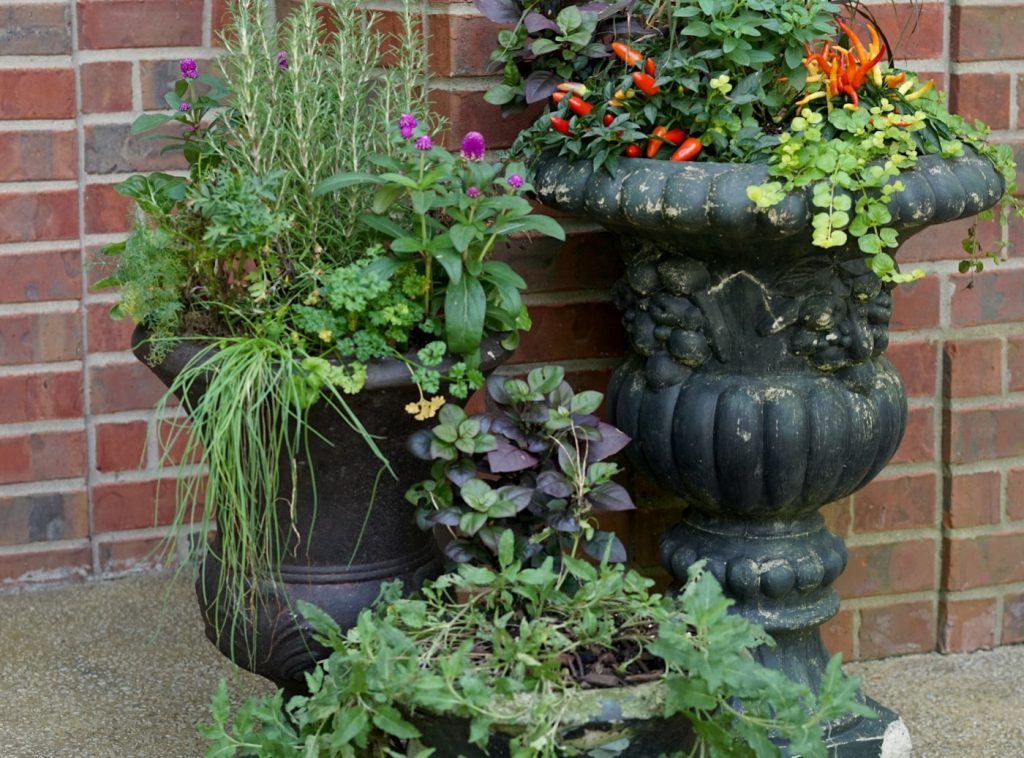
If you’ve ever looked at a large planter and wondered how to fill it with lush, thriving plants, you’re not alone. Planting in big containers can feel tricky, but with the right approach, your planter can become a stunning focal point in your space.
Imagine stepping outside and seeing vibrant flowers or healthy greenery that you’ve nurtured yourself. You’re just a few simple steps away from transforming your large planter into a beautiful garden statement. Keep reading, and you’ll discover easy tips to make your planting project a success every time.
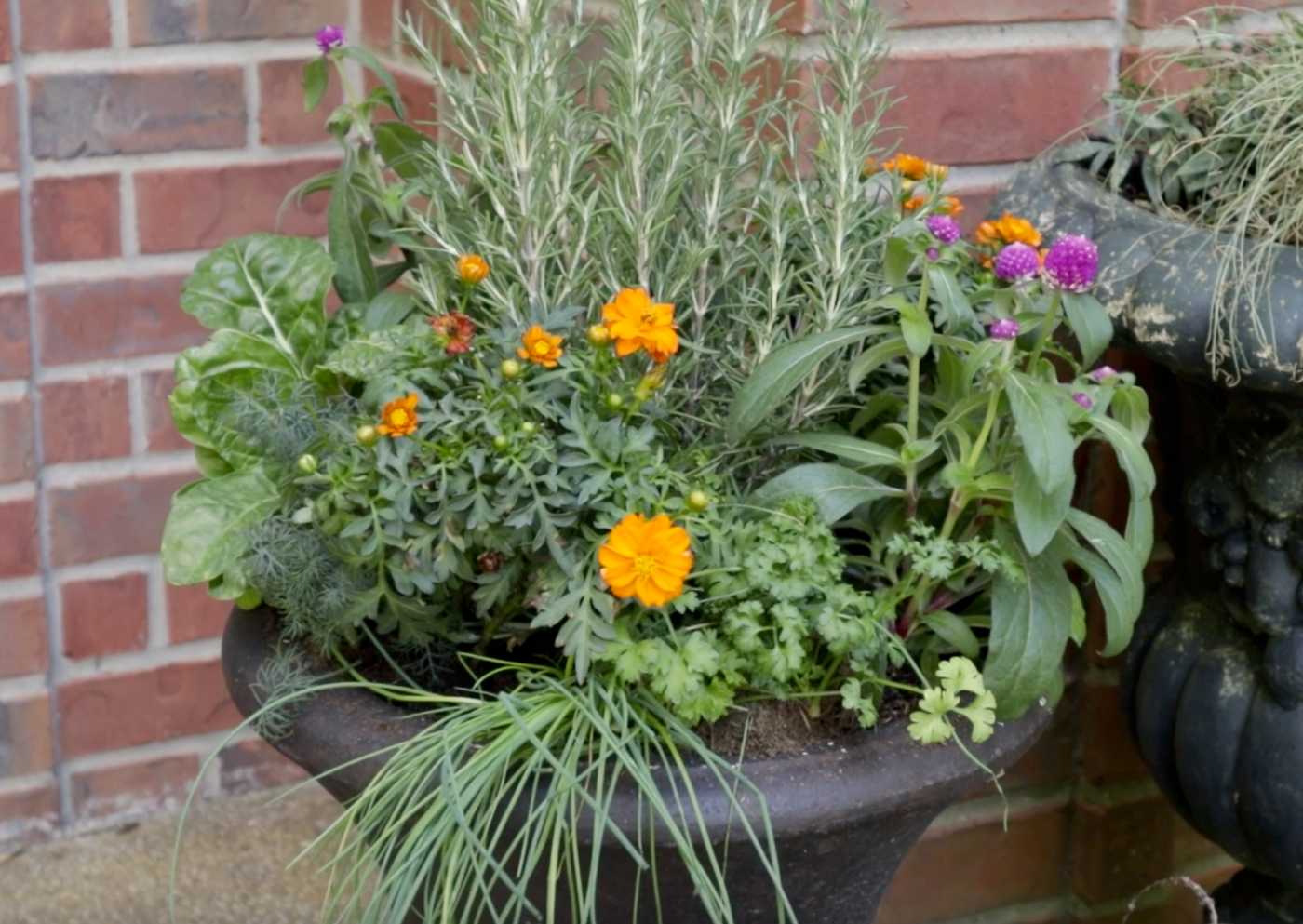
Credit: www.gardenary.com
Choosing The Right Planter
Selecting the right planter is key for healthy plants. Large planters need special care in choosing materials and size.
The right planter supports plant growth and fits your space well. Think about material, size, and drainage before buying.
Material Options
Planters come in many materials. Each type affects plant health and planter weight.
- Terracotta:Porous and breathable but can dry soil fast.
- Plastic:Lightweight and retains moisture well but less durable.
- Wood:Natural look and good insulation but may rot over time.
- Metal:Strong and sleek but can heat soil quickly in sun.
- Concrete:Very durable and heavy, good for stability.
Size Considerations
Choose planter size based on the plant’s root space and growth needs. Large plants need room to spread roots.
| Plant Type | Recommended Planter Size | Reason |
| Small Houseplants | 6-8 inches diameter | Enough space for root growth |
| Medium Shrubs | 12-16 inches diameter | Allows roots to expand |
| Large Trees | 18+ inches diameter | Supports heavy root systems |
Drainage Importance
Drainage prevents water buildup that harms roots. Planters must have holes or ways to let water escape.
Check these drainage tips:
- Ensure planter has at least one drainage hole.
- Use a layer of small rocks or gravel at the bottom.
- Place a mesh screen over holes to stop soil loss.
- Water plants slowly to avoid overflow.
Selecting Suitable Plants
Choosing the right plants for large planters is important for healthy growth. Consider climate, sunlight, and growth patterns when selecting plants.
Each factor affects plant survival and beauty. Make informed choices for best results.
Climate Compatibility
Plants must match the local climate to thrive. Tropical plants need warmth, while others prefer cooler weather.
- Check plant hardiness zones
- Consider temperature and humidity levels
- Select drought-resistant plants for dry areas
Sunlight Needs
Sunlight is vital for plant growth. Some plants love full sun, others prefer shade.
Place planters where they get the right amount of light each day.
- Full sun plants need 6+ hours of direct light
- Partial sun plants need 3-6 hours of light
- Shade plants need less than 3 hours of light
Plant Growth Patterns
Understanding growth patterns helps in proper spacing and arrangement. Some plants spread wide, others grow tall.
Choose plants that fit the space and complement each other.
- Climbing plants need support structures
- Bushy plants fill space quickly
- Compact plants are ideal for small areas
Preparing The Planter
Planting large planters needs proper preparation. This helps plants grow healthy and strong.
Start by cleaning the planter and checking its condition. Then, add drainage and select the right soil mix.
Cleaning And Inspection
Remove old soil and plant debris from the planter. Wash it with water to clear dirt and salt buildup.
Check for cracks or holes. Fix or replace the planter if it has damage that could cause leaks.
Adding Drainage Layers
Good drainage stops water from sitting at the bottom. This keeps roots healthy and prevents rot.
- Place a layer of gravel or small stones at the bottom.
- Cover the stones with a piece of landscape fabric to stop soil from clogging holes.
- Ensure drainage holes are open and not blocked.
Soil Mix Selection
Choose soil that holds water but drains well. A mix of potting soil, compost, and sand works best.
| Soil Component | Purpose |
| Potting Soil | Holds nutrients and moisture |
| Compost | Adds nutrients and improves texture |
| Sand | Improves drainage |
Planting Techniques
Planting large planters can brighten any space. Using the right techniques helps plants grow strong.
Good planting methods improve soil, water use, and plant health. Let’s explore key tips.
Arranging Plants
Start by choosing plants with different heights and shapes. Place taller plants in the center or back.
Fill gaps with smaller plants around the edges. This creates a balanced and full look.
- Use a mix of colors and textures
- Place trailing plants near edges
- Group plants with similar light needs
Depth And Spacing
Plant roots need space to grow. Dig holes twice as wide as the root ball.
Give each plant enough room to avoid crowding. This prevents disease and helps air flow.
- Check plant tag for spacing guidelines
- Use loose soil to ease root growth
- Keep top of root ball level with soil surface
Watering Tips
Water plants deeply after planting. This helps roots settle into the soil.
Keep soil moist but not soggy. Check moisture by feeling the soil surface daily.
- Water early in the morning or late afternoon
- Use a watering can or hose with a gentle spray
- Avoid watering leaves to reduce disease risk
Maintaining Large Planters
Large planters need regular care to keep plants healthy. Proper maintenance helps plants grow well and look good.
Focus on feeding, protecting from pests, and adjusting care with the seasons. This keeps your planter thriving all year.
Fertilizing Schedule
Plants in large planters need nutrients often because soil can lose food fast. Use a balanced fertilizer to feed them.
Feed your plants every 4 to 6 weeks during the growing season. Stop fertilizing in winter when plants rest.
- Use slow-release fertilizer for steady feeding
- Water plants before applying fertilizer
- Follow package instructions for the right amount
- Check plant leaves for signs of nutrient needs
Pest Control
Large planters can attract bugs that harm plants. Check your plants often to catch pests early.
Use natural pest control methods to protect plants safely. Remove insects by hand or use insecticidal soap if needed.
- Inspect leaves and stems weekly
- Remove dead leaves to avoid pests
- Use neem oil or insecticidal soap for pests
- Encourage beneficial insects like ladybugs
Seasonal Care
Plants in large planters need different care each season. Change watering and feeding to match the weather.
Prepare your planter for cold weather by protecting roots. In hot weather, water more often and provide shade if possible.
- Spring: Refresh soil and start fertilizing
- Summer: Water deeply and check for pests
- Fall: Reduce feeding and prune dead parts
- Winter: Move planters to sheltered spots if cold
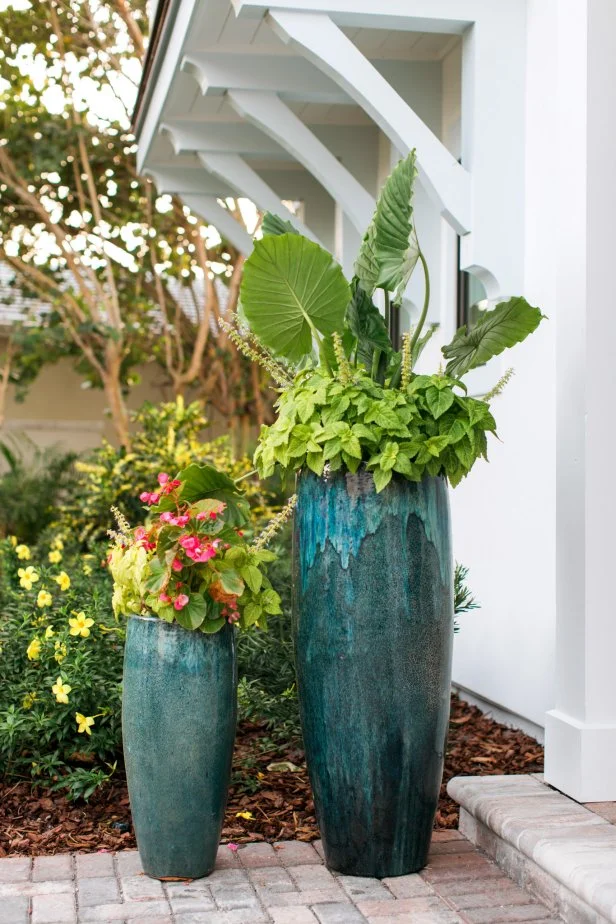
Credit: www.hgtv.com
Creative Design Ideas
Large planters give you space to try fun and bold plant designs. You can make your outdoor or indoor spaces look lively and unique.
Using different plants and styles can create beautiful and eye-catching arrangements. This guide helps you explore ideas for planting large planters.
Color Combinations
Choose colors that look good together to make your planter stand out. Use bright and soft colors for a balanced look.
Try mixing cool colors like blue and purple with warm colors like red and orange. Green leaves add a fresh background.
- Pair yellow flowers with purple leaves for contrast
- Mix pink and white blooms for a soft look
- Use all green plants with different shades for texture
- Bright reds with dark greens create drama
Texture And Height
Different plant textures and heights add interest to large planters. Use tall, spiky plants with soft, round leaves.
Layer plants by height. Put tall plants in the center or back. Add medium and short plants around them.
- Tall grasses or dracaena create height
- Medium plants like ferns add fullness
- Trailing plants hang over edges for softness
- Mix rough and smooth leaves for texture
Themed Arrangements
Themes help you create a focused look. Pick a style like tropical, desert, or classic garden for your planter.
Use plants that fit your theme. Add small decorations or stones to match the theme better.
- Tropical: Use palms, ferns, and bright flowers
- Desert: Choose succulents, cacti, and sand
- Classic garden: Mix roses, ivy, and boxwood
- Herb garden: Plant basil, rosemary, and thyme
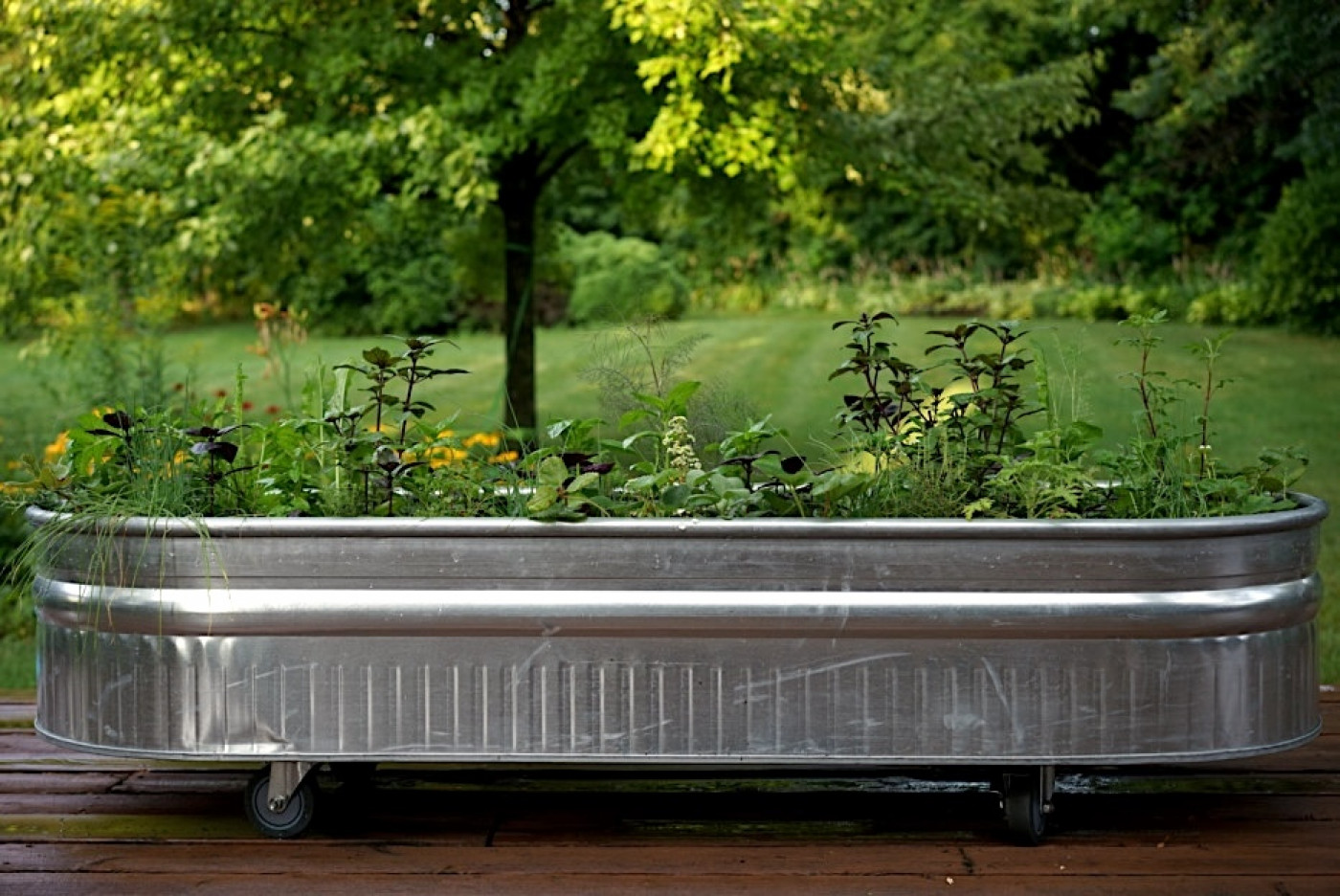
Credit: www.gardenary.com
Frequently Asked Questions
What Soil Is Best For Large Planters?
Use well-draining potting mix with organic matter. Avoid garden soil as it compacts easily and limits root growth.
How Deep Should Large Planters Be?
Choose planters at least 12-18 inches deep. This depth supports strong root systems and healthy plant growth.
How Often Should Large Planters Be Watered?
Water large planters when the top 1-2 inches of soil feel dry. Frequency depends on weather and plant type.
Can I Grow Vegetables In Large Planters?
Yes, large planters are ideal for many vegetables. Ensure proper soil, sunlight, and regular watering for best yields.
Conclusion
Planting large planters can brighten any space quickly. Choose the right soil and plants carefully. Water your plants regularly to keep them healthy. Place planters where they get enough sunlight. Watch your plants grow and enjoy your work. Big planters add beauty and life to your home.
Start planting today and see the difference!