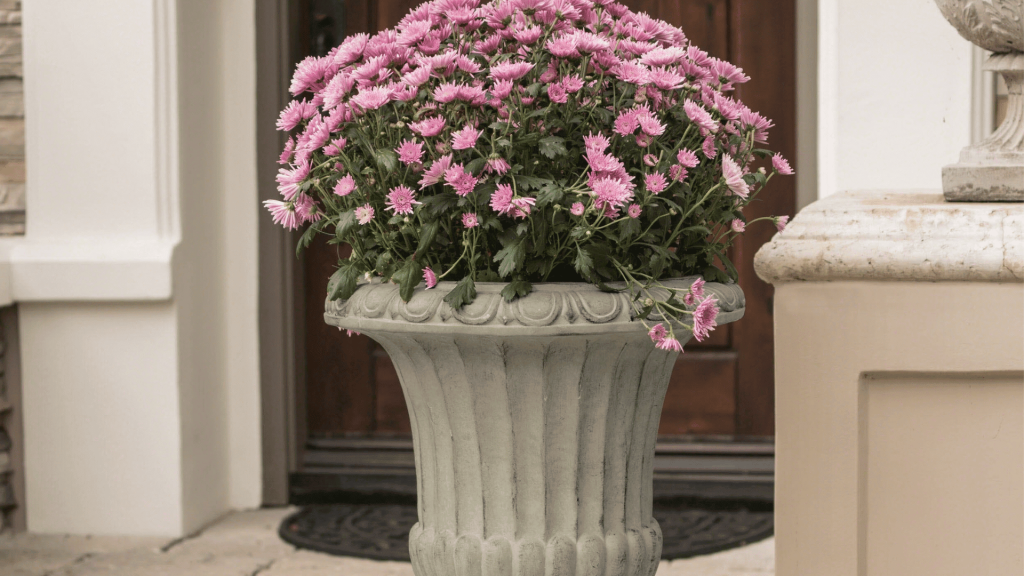
Are you ready to transform your space with tall planters but unsure where to start? Planting in tall planters can seem tricky at first, but with the right tips, you can create stunning greenery that stands out.
Imagine your porch, balcony, or living room filled with vibrant plants that add height and style. In this guide, you’ll discover simple steps to plant tall planters successfully and keep your plants thriving. Keep reading to unlock easy tricks that will make your tall planters the highlight of your home or garden!
Credit: momcrieff.com
Choosing The Right Tall Planters
Tall planters add height and style to your garden or home. Picking the right one helps your plants grow well.
Think about materials, size, and drainage before buying a tall planter. These factors affect plant health and planter life.
Material Options And Durability
Tall planters come in many materials. Each type lasts different lengths of time and suits different needs.
Choose a material that fits your climate and style. Some materials are light, others are heavy but strong.
- Plastic:Lightweight and affordable. Good for indoor use.
- Ceramic:Stylish but can crack in cold weather.
- Metal:Durable but may rust outside.
- Wood:Natural look but needs sealing to avoid rot.
- Fiberglass:Strong, light, and weather-resistant.
Size And Shape Considerations
Pick a size that fits the space and the plant’s root system. Too small pots limit plant growth.
Shapes vary from round to square and tall to narrow. Choose one that matches your style and plant type.
- Tall and narrow planters save floor space.
- Wide planters hold more soil and water.
- Square planters fit well in corners or tight spots.
- Round planters look good with many plant types.
Drainage Features
Good drainage keeps plants healthy. Water must flow out to stop root rot and overwatering.
Check if the planter has holes or a built-in drainage system. You can add holes if needed.
- Drainage holes let excess water escape easily.
- Some planters have saucers to catch extra water.
- Layering gravel at the bottom helps water flow.
- Use mesh or fabric to keep soil from washing out.
Selecting Plants For Tall Planters
Planting tall planters can add dimension and beauty to your garden. The right plant choices are important for creating a striking look. Consider plant height, color, and season when selecting plants.
Choose plants that complement each other and thrive in your environment. This guide will help you pick the best plants for tall planters.
Best Plants For Height And Impact
Tall planters need plants that stand out and draw attention. Here are some options that can make a big impact.
- Bamboo: Adds height and a tropical feel.
- Fountain Grass: Offers movement and texture.
- Canna Lilies: Provide bold colors and tall stems.
Combining Colors And Textures
Combining different colors and textures can create a stunning visual effect. Choose plants that contrast well with each other.
Consider using a combination of spiky and round leaf plants. This adds variety and interest to your planter.
Seasonal Plant Choices
Selecting plants that thrive in their season can ensure your tall planters look their best throughout the year.
| Season | Recommended Plants |
| Spring | Tulips, Daffodils |
| Summer | Lantana, Petunias |
| Fall | Chrysanthemums, Ornamental Cabbage |
| Winter | Pansies, Evergreen Shrubs |
Preparing The Planter For Planting
Preparing your tall planter correctly helps plants grow well. It creates a healthy space for roots to spread.
This guide covers soil mix, drainage, and where to place the planter. These steps make planting easier and better.
Soil Mix And Fertilizer
Choose soil that drains well and holds moisture. A mix of potting soil and compost works great.
Add fertilizer to give plants nutrients. Use slow-release fertilizer to feed plants over time.
- Use 70% potting soil and 30% compost
- Add slow-release fertilizer according to package instructions
- Avoid heavy garden soil that can compact
Layering For Proper Drainage
Drainage keeps water from pooling at the bottom. This stops roots from rotting.
Start with a layer of small stones or broken pottery pieces. Then add a layer of coarse sand before soil.
- Place 1-2 inches of stones or broken pots at the bottom
- Add 1 inch of coarse sand on top
- Fill the rest with soil mix
Positioning The Planter
Pick a spot with the right sunlight for your plants. Tall planters often suit balconies or patios.
Make sure the planter sits on a level surface. This helps water drain evenly and prevents tipping.
- Check sunlight needs of your plants
- Place planter where it gets enough light
- Ensure the surface is flat and stable
Credit: www.outdoorartpros.com
Planting Techniques For Tall Planters
Tall planters add height and style to your garden or patio. They need special care to help plants grow well.
Using the right planting techniques keeps plants healthy and looking good. Let’s explore how to plant in tall planters.
Arranging Plants For Balance
Place taller plants in the center or back of the planter. Put shorter plants near the edges. This helps the planter look full and balanced.
Mix plants with different leaf shapes and colors to create interest. Avoid crowding one side too much.
- Center tall plants for height
- Short plants around edges
- Mix leaf shapes and colors
- Keep even spacing for balance
Spacing And Depth Tips
Give plants enough room to grow by spacing them properly. Overcrowding stops roots from spreading and blocks sunlight.
Plant deeper for tall planters to keep roots cool and moist. Check plant labels for exact depth needs.
- Space plants to avoid crowding
- Plant at the right depth
- Use loose soil for root growth
- Fill gaps with mulch to retain moisture
Watering Right After Planting
Water plants well right after planting to help roots settle. Use enough water to soak the soil deeply.
Check the soil often to keep it moist but not soggy. Tall planters dry out faster than ground soil.
- Water thoroughly after planting
- Keep soil moist, not wet
- Check moisture daily at first
- Use a watering can or hose with gentle flow
Maintaining Tall Planters
Tall planters add height and style to your garden or patio. They need regular care to stay healthy and beautiful.
Proper maintenance helps plants grow strong and prevents problems. Follow simple steps to keep your tall planters thriving.
Watering And Feeding Schedule
Tall planters dry out faster than ground soil. Check soil moisture often and water when the top feels dry.
Feed plants regularly with a balanced fertilizer. This helps them get the nutrients they need to grow well.
- Water early in the morning or late in the afternoon
- Use a slow-release or liquid fertilizer every 2-4 weeks
- Avoid overwatering to prevent root rot
- Adjust watering frequency in hot or cold weather
Pruning And Deadheading
Prune tall plants to keep their shape and size balanced. Remove old or damaged stems to encourage new growth.
Deadhead flowers by cutting off faded blooms. This helps plants produce more flowers and look tidy.
- Use clean, sharp scissors or pruners
- Cut back leggy or overgrown branches
- Remove dead leaves and stems regularly
- Deadhead weekly during flowering seasons
Pest And Disease Control
Check tall planters often for signs of pests or diseases. Early detection helps protect your plants.
Use natural or mild treatments to control pests. Keep planters clean and remove sick leaves to stop disease spread.
- Look for holes, spots, or sticky residue on leaves
- Wash pests off with water or insecticidal soap
- Remove and dispose of badly infected plant parts
- Keep planters in good air circulation areas

Credit: manuals.plus
Creative Styling Ideas
Tall planters add height and style to your garden or patio. You can use them in many creative ways. This guide shows simple ideas to make your tall planters look great.
Try new arrangements and decorations to highlight your plants. These tips help you style tall planters with ease and beauty.
Grouping Planters For Visual Impact
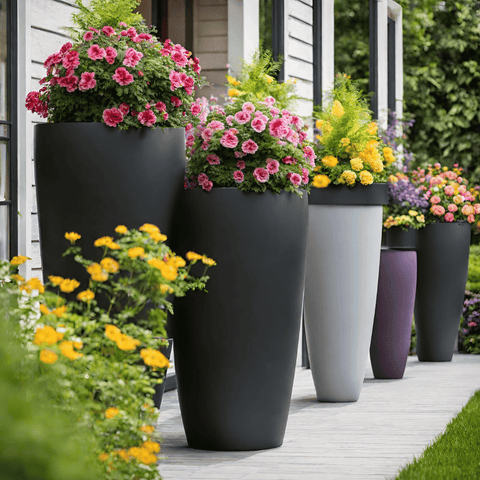
Place several tall planters close together to create a strong visual effect. Grouping planters of different sizes or colors adds interest and draws attention.
Use odd numbers like three or five to make the group look balanced. Mixing plant types with varied heights adds texture and depth.
- Choose planters with similar colors or styles
- Mix tall and short plants for contrast
- Arrange planters in a cluster or line
- Leave space between planters to avoid crowding
Using Planters As Focal Points
Use a tall planter to create a focal point in your space. Place it where it can stand out, like near an entrance or in a corner.
Pick eye-catching plants with bold colors or interesting shapes. A tall planter with a bright plant becomes a natural centerpiece.
- Place planters at key spots in your garden or patio
- Use bright flowers or unique plants
- Choose planters with striking designs or colors
- Keep the area around the planter clear for focus
Incorporating Decorative Elements
Add decorative items to your tall planters to enhance their look. Use stones, moss, or small figurines to create a unique style.
Decorations can reflect your personal taste and the theme of your outdoor space. Choose items that match your planter and plants.
- Cover soil with colorful pebbles or bark
- Add fairy lights around the planter for evening glow
- Place small statues or garden ornaments inside
- Wrap planter with natural rope or fabric for texture
Frequently Asked Questions
What Soil Is Best For Tall Planters?
Use lightweight, well-draining potting soil for tall planters. Avoid heavy garden soil, which can compact and hinder root growth. Adding perlite or vermiculite improves aeration and drainage, ensuring healthy plants in tall containers.
How Deep Should Tall Planters Be?
Tall planters should be at least 12-24 inches deep. This depth provides sufficient room for root growth and moisture retention. Deeper planters support larger plants and prevent tipping over in windy conditions.
How Often Should Tall Planters Be Watered?
Water tall planters when the top inch of soil feels dry. Due to better drainage, they may need more frequent watering than ground gardens. Monitor soil moisture regularly to keep plants healthy without overwatering.
Can I Use Tall Planters Indoors?
Yes, tall planters work well indoors with proper lighting. Choose plants suited for indoor environments and ensure drainage holes to prevent waterlogging. Indoor tall planters add style and greenery to your living space.
Conclusion
Planting tall planters brings beauty and height to any space. Choose good soil and strong plants for best results. Water your plants regularly and watch them grow. Place planters where they get enough sunlight each day. Remember to check for drainage to keep roots healthy.
Tall planters can brighten patios, balconies, and gardens alike. Enjoy the fresh look and easy care they provide. Simple steps lead to a lush and vibrant display. Start planting today and see your space transform.