Are you ready to save time and make meals that taste amazing? Learning how to pressure cook in your Instant Pot can change the way you cook forever.
Imagine preparing dinner faster, locking in flavors, and cleaning up with ease. This guide will show you simple steps to master your Instant Pot, even if you’ve never used one before. Keep reading, and you’ll discover tips that make cooking stress-free and delicious every time.
Credit: www.engadget.com
Getting Started With Instant Pot
Pressure cooking with an Instant Pot saves time and cooks food evenly. It uses steam and high pressure to cook meals quickly.
Before you start, it is important to know the parts, safety features, and how to set up the Instant Pot properly.
Parts And Functions
The Instant Pot has several key parts that work together to cook food fast. Knowing these helps you use it well.
- Inner Pot:The removable stainless steel pot where you place food and liquids.
- Lid:Closes the pot tightly and has a sealing ring to keep pressure inside.
- Sealing Ring:A silicone ring that ensures the pot seals properly during cooking.
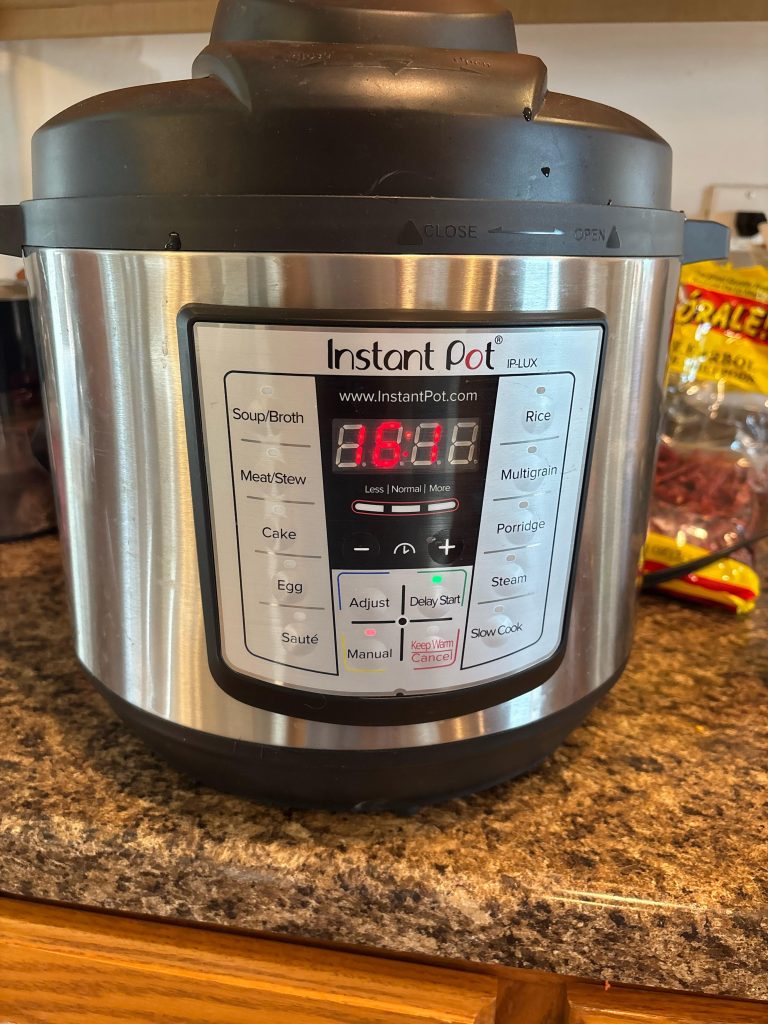
- Control Panel:Buttons and a screen to select cooking modes and times.
- Pressure Release Valve:Lets steam out when cooking is done or to release pressure safely.
- Steam Release Handle:Moves the valve to release pressure manually.
Safety Features
Instant Pot has built-in safety features to prevent accidents. These keep you and your kitchen safe during use.
- Locking Lid:The lid locks in place and will not open under pressure.
- Pressure Sensors:Monitor pressure and temperature to avoid overheating.
- Automatic Pressure Control:Adjusts pressure to safe levels during cooking.
- Steam Release Protection:Prevents steam from releasing accidentally.
- Overheat Protection:Turns off the pot if it gets too hot.
Setting Up
Setting up the Instant Pot is easy. Follow these steps to get ready for cooking.
- Place the Instant Pot on a flat, stable surface near an electrical outlet.
- Insert the inner pot firmly inside the outer housing.
- Check the sealing ring and place it inside the lid securely.
- Make sure the pressure release valve is set to “Sealing” before cooking.
- Plug in the Instant Pot and press the “Cancel” button to start fresh.

Credit: m.youtube.com
Choosing The Right Pressure Cooking Settings
Using the Instant Pot means picking the right settings for your food. Different foods need different pressure levels and cooking times.
This guide explains pressure levels, cooking modes, and how to adjust time. Knowing these helps you cook safely and get tasty results.
Pressure Levels
Instant Pot offers mainly two pressure levels: low and high. High pressure cooks food faster, while low pressure is gentler.
- High Pressure: Best for meats, beans, and tough vegetables.
- Low Pressure: Good for delicate foods like fish and soft vegetables.
- Choosing the right pressure level keeps food texture perfect.
Cooking Modes
Your Instant Pot has many cooking modes. Each mode uses different heat and pressure settings for specific foods.
| Mode | Use For | Description |
|---|---|---|
| Manual/Pressure Cook | All types | Set custom time and pressure. |
| Soup/Broth | Soups, stocks | Longer cooking at high pressure. |
| Rice | Rice, grains | Auto adjusts pressure and time. |
| Steam | Vegetables, seafood | Uses high pressure and short time. |
| Sauté | Brown food | No pressure, just heat. |
Adjusting Time
Cooking time depends on food type and amount. Too little time leaves food raw. Too much makes it mushy.
- Check recipes for suggested cooking times.
- Use less time for soft vegetables.
- Increase time for large or dense foods.
- Remember, the Instant Pot takes time to reach pressure before cooking starts.
Preparing Ingredients For Pressure Cooking
Preparing ingredients correctly helps your Instant Pot cook food evenly. It also keeps flavors balanced.
Follow simple steps before adding ingredients. This makes your pressure cooking safer and tastier.
Chopping And Portioning
Cut ingredients into similar sizes. This helps food cook at the same speed.
Use small or medium pieces for vegetables. Large chunks work better for meat.
- Chop vegetables into 1-2 inch pieces
- Cut meat into 2-3 inch portions
- Trim fat for better cooking
- Slice herbs finely for even flavor
Liquid Requirements
Pressure cooking needs liquid to create steam. The Instant Pot must have enough liquid to build pressure.
Use broth, water, or sauces as liquid. Avoid thick liquids for better pressure build-up.
- Always add at least 1 cup of liquid
- Use thin liquids like water or broth
- Thick sauces should be added after cooking
- Check your Instant Pot manual for exact liquid needs
Layering Tips
Place ingredients carefully inside the pot. This helps steam circulate and food cook evenly.
Put dense or hard foods at the bottom. Softer foods go on top to avoid overcooking.
- Place root vegetables and meat at the bottom
- Layer softer vegetables on top
- Do not stir before cooking
- Keep ingredients loose for better steam flow
Step-by-step Pressure Cooking Process
Using an Instant Pot makes cooking faster and easier. Pressure cooking helps cook food quickly by trapping steam inside.
This guide shows you how to pressure cook in your Instant Pot safely and efficiently.
Sealing The Lid
Place the lid on the Instant Pot. Turn it clockwise until it locks in place. Make sure the sealing ring is inside the lid.
Check that the steam release valve is set to “Sealing” before you start cooking.
Selecting Pressure Cook Mode
Press the “Pressure Cook” or “Manual” button on your Instant Pot. Choose the cooking time by using the “+” or “-” buttons.
Select the pressure level if your recipe asks for it. Most recipes use “High Pressure” for faster cooking.
Starting And Monitoring
After setting the time and pressure, the Instant Pot will start heating. The display shows “On” while it builds pressure.
Once pressure is reached, the timer will count down. Avoid opening the lid or moving the pot during this time.
Releasing Pressure
When cooking ends, release pressure before opening the lid. There are two ways: Natural Release and Quick Release.
- Natural Release:Let pressure drop on its own. This takes 10 to 30 minutes.
- Quick Release:Turn the steam release valve to “Venting” carefully. Steam will escape fast.
Only open the lid when the pressure indicator drops and no steam escapes.
Common Mistakes To Avoid
Using an Instant Pot can save time and effort in cooking. Still, some mistakes can cause problems or even damage your device.
Knowing what not to do helps you cook safely and get better results. Here are common errors to avoid when pressure cooking.
Overfilling The Pot
Filling the Instant Pot too full can block the pressure valve. This can cause steam to escape or stop pressure from building.
Always keep the food and liquid below the maximum fill line inside the pot. For foods that expand, like rice or beans, fill less than half.
Ignoring Liquid Levels
Pressure cooking needs enough liquid to create steam. Not adding enough liquid can cause burning or stop the pot from pressurizing.
- Check the recipe for the minimum liquid amount.
- Use water, broth, or sauces as the liquid base.
- Do not reduce liquid amounts unless you know the pot’s needs.
Incorrect Pressure Release
Releasing pressure too fast or too slow can affect food texture and safety. The Instant Pot has natural and quick release methods.
| Release Method | When to Use | How to Do It |
| Natural Release | For soups, meats, and dishes that need resting | Let pressure drop on its own, do not open lid until the float valve drops |
| Quick Release | For vegetables and quick-cooking foods | Turn the steam release handle carefully to vent steam fast |

Credit: www.pressurecookingtoday.com
Cleaning And Maintenance
Keeping your Instant Pot clean is important for safe cooking. Regular maintenance helps the pot last longer.
Follow simple cleaning steps to keep all parts working well and avoid odors or damage.
Removing And Cleaning Parts
Remove the inner pot, sealing ring, and lid carefully after use. Wash them with warm, soapy water.
Use a soft cloth or sponge to clean. Avoid harsh scrubbers that can scratch the surface.
- Clean the inner pot and lid after every use
- Remove the sealing ring and wash it separately
- Check the steam release valve and clean it if blocked
- Dry all parts before reassembling
Descaling Tips
Descaling removes mineral build-up inside the pot. Use white vinegar for safe descaling.
Fill the pot with equal parts water and vinegar. Run the steam program for 2 minutes, then cool and rinse.
- Mix 1 cup water and 1 cup white vinegar
- Run steam program for 2 minutes
- Let the pot cool naturally
- Rinse the inner pot well with clean water
Storage Advice
Store your Instant Pot with the lid off or upside down. This stops smells and moisture build-up.
Keep the sealing ring separate if you won’t use the pot for a long time. Store in a dry, cool place.
- Store with lid off or upside down
- Keep sealing ring apart from the pot
- Wipe the pot dry before storing
- Store in a dry and cool area
Frequently Asked Questions
How Do I Set Pressure Cooking Time In Instant Pot?
To set time, select the “Pressure Cook” or “Manual” button. Adjust cooking time using the “+” or “-” buttons. The Instant Pot will start once the lid is sealed and pressure builds up.
What Safety Tips Should I Follow When Pressure Cooking?
Always check the sealing ring and vent for blockages. Never open the lid until pressure fully releases. Use proper liquid amounts to avoid burning or overheating.
Can I Cook Frozen Food Directly In Instant Pot?
Yes, Instant Pot can cook frozen food safely. Increase cooking time by about 50% compared to fresh food. Ensure there is enough liquid to create steam and pressure.
How Do I Release Pressure Safely From Instant Pot?
Use natural release by letting pressure drop over time or quick release by turning the valve. Quick release is faster but may cause splatter; use carefully.
Conclusion
Pressure cooking with an Instant Pot saves time and effort. It cooks food quickly while keeping flavors strong. You just need to follow basic steps and safety tips. Experiment with different recipes to find what you like best. The Instant Pot can make meals easier and faster every day.
Enjoy cooking with confidence and simplicity. Practice will make you comfortable and skilled soon. Try it today and see the difference yourself.