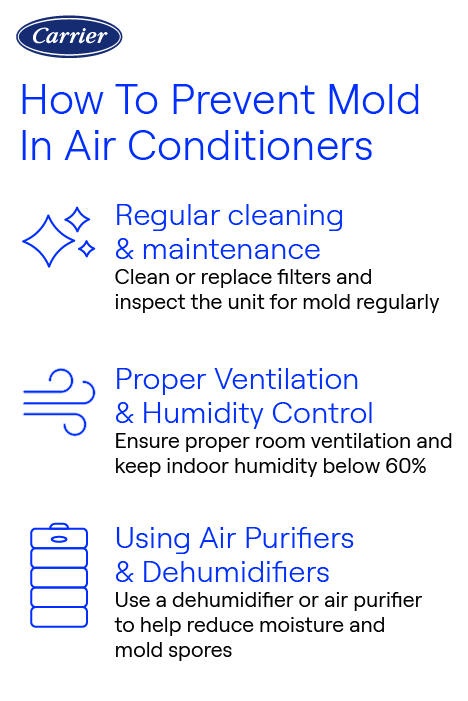
Mold in your air conditioner is more than just a nuisance—it can affect your health and lower the air quality in your home. If you want to keep your space fresh and safe, preventing mold is a must.
But how do you stop it before it starts? You’ll discover simple, effective steps you can take right now to keep mold out of your AC system. Keep reading to protect your home and breathe easier all year round.
Causes Of Mold In Air Conditioners
Mold grows in air conditioners when conditions are right. It can cause bad smells and health problems. Understanding the causes helps prevent mold buildup.
Three main causes of mold in air conditioners are moisture buildup, poor airflow, and dirty filters. Each factor creates a space where mold can grow.
Moisture Buildup
Moisture forms inside the air conditioner during cooling. If water does not drain properly, it stays inside and causes mold growth. Leaks and clogged drain lines add to moisture buildup.
- Clogged or broken drain pans
- Leaking pipes or fittings
- High humidity levels indoors
- Condensation on cold surfaces
Poor Airflow
When air does not flow well, it creates damp areas inside the AC system. This dampness helps mold spores to settle and grow. Blocked vents and dirty coils reduce airflow.
- Blocked air vents or registers
- Closed or blocked return air ducts
- Dirty evaporator coils
- Improperly sized or placed AC units
Dirty Filters
Filters catch dust and dirt but they can also trap moisture. Dirty filters stay wet longer, which creates a perfect place for mold. Changing filters on time is important to keep mold away.
| Effect | Cause |
| Filter blockage | Dust and dirt buildup |
| Moisture retention | Wet or clogged filters |
| Mold growth | Wet and dirty filter surface |
| Reduced airflow | Dirty filters |

Credit: www.cardinalplumbingva.com
Signs Of Mold Growth
Mold can grow inside your air conditioner if it stays wet or dirty. It is important to spot mold early. This helps keep your air clean and safe.
Look for certain signs that show mold is growing. These signs help you act fast to stop mold from spreading.
Musty Odors
A strong, musty smell is a common sign of mold. This odor often comes from inside the air conditioner vents. It can fill the room with a bad smell.
If you smell something damp or earthy when the AC runs, mold might be inside. Check and clean the unit to remove the smell and mold.
Visible Mold Spots
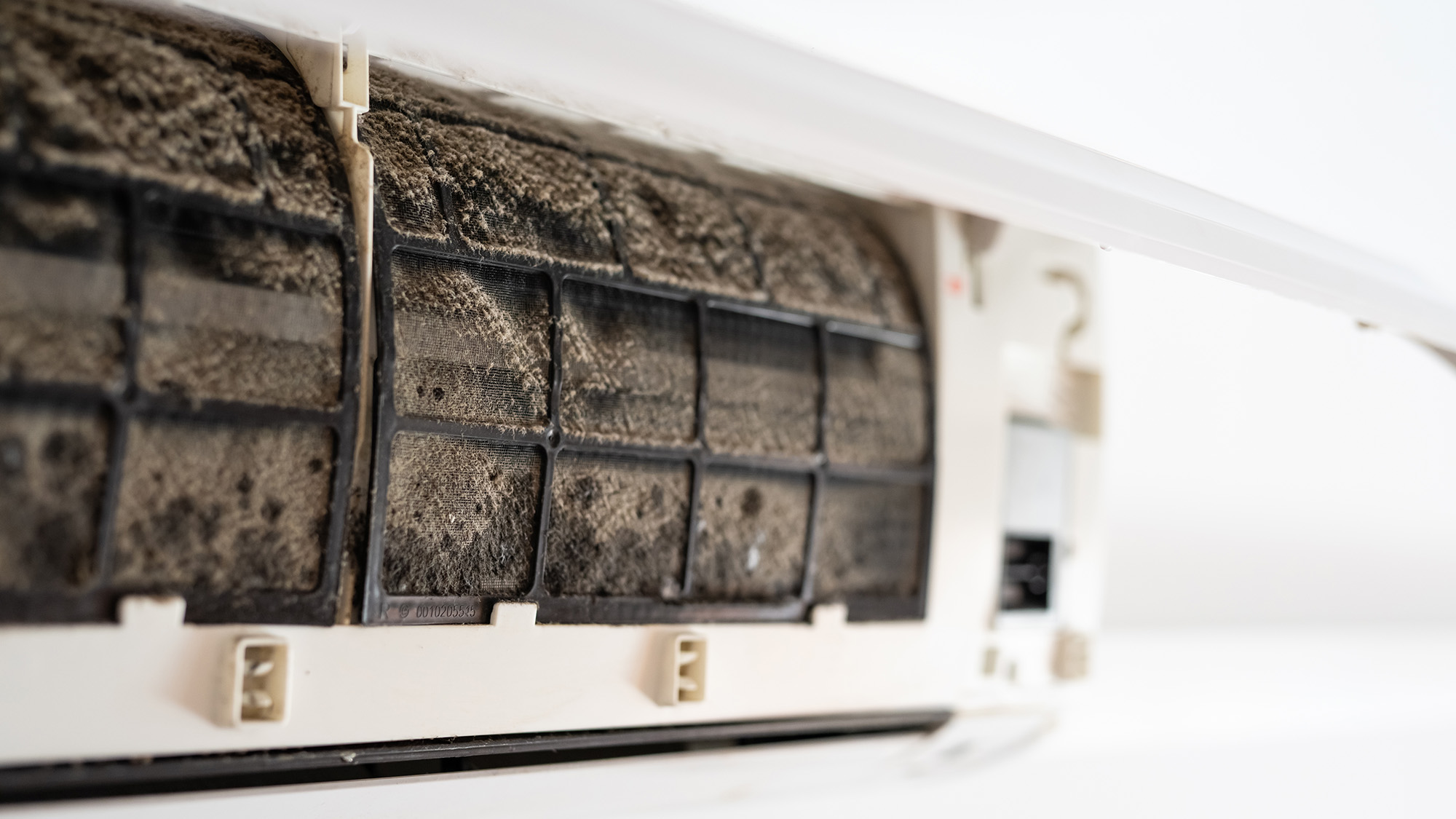
Look closely at the AC vents, filters, and drip pans. Mold often appears as black, green, or white spots. These spots may look fuzzy or slimy.
Visible mold means you should clean the AC immediately. Use a brush or a cloth with mild cleaner to remove mold spots safely.
- Check air filters for dark spots
- Inspect vents and grills carefully
- Look inside drip pans and drain lines
Allergy Symptoms
Mold can cause allergy symptoms for people in your home. Watch for sneezing, coughing, or itchy eyes after the AC runs.
Other symptoms include a runny nose, sore throat, or skin rash. These signs may mean mold is growing inside the air conditioner.
- Sneezing and coughing
- Runny or stuffy nose
- Itchy or watery eyes
- Skin irritation or rash
Regular Cleaning Techniques
Keeping your air conditioner clean helps stop mold growth. Mold can cause bad smells and health problems. Regular cleaning keeps the air fresh and safe.
Focus on cleaning filters, coils, and drains. Use mold-killing solutions to remove any mold that appears. These steps keep your AC working well.
Cleaning Filters
Filters catch dust and dirt from the air. Dirty filters make mold grow faster. Clean the filters every month to stop mold.
Remove the filter carefully. Rinse it with warm water. Let it dry completely before putting it back.
Wiping Coils And Drains
Coils and drains hold moisture that mold likes. Wipe the coils gently with a soft cloth. Check the drain for any blockages.
Use a damp cloth to clean the drain pan. Clear any standing water to keep mold away.
- Turn off the AC before cleaning
- Use a soft brush or cloth for coils
- Remove debris from drain lines
Using Mold-killing Solutions
Use safe mold-killing sprays on filters, coils, and drains. These solutions stop mold from growing back. Follow instructions on the product label.
Choose natural or mild cleaning agents if possible. Avoid harsh chemicals that may harm your AC parts.
- Spray solution evenly on affected areas
- Let it sit for the recommended time
- Wipe or rinse off as directed

Credit: health.yahoo.com
Humidity Control Tips
Keeping humidity low helps stop mold from growing in your air conditioner. Mold grows well in damp and wet places. Controlling humidity is key to a clean and healthy AC system.
This guide shows simple ways to control humidity and avoid mold in your air conditioner. Use these tips to keep your home fresh and safe.
Using Dehumidifiers
Dehumidifiers remove extra moisture from the air. Using one near your air conditioner can reduce humidity. This stops mold from forming inside the unit and ducts.
- Choose a dehumidifier that fits the room size.
- Empty the water tank regularly to keep it working well.
- Keep doors and windows closed to make the dehumidifier more effective.
- Clean the dehumidifier filter monthly to avoid dust buildup.
Proper Ventilation
Good airflow helps dry wet air fast. Ventilate rooms with your air conditioner to lower humidity. Use fans and open vents for better air movement.
| Ventilation Method | Benefit |
| Exhaust Fans | Push moist air outside |
| Window Vents | Bring fresh air in |
| Ceiling Fans | Improve air circulation |
| Open Doors | Allow airflow between rooms |
Setting The Right Temperature
Set your air conditioner to a temperature that controls moisture well. Too cold causes condensation. Too warm lets humidity stay high. Find a balance for comfort and dryness.
- Keep temperature between 72°F and 78°F (22°C to 26°C).
- Use a thermostat with a humidity sensor if possible.
- Adjust settings during humid days to lower moisture.
- Avoid sudden temperature changes that cause water droplets.
Maintenance Practices To Prevent Mold
Mold grows in air conditioners if moisture builds up. Regular maintenance stops this problem. Clean and check your system often.
Good care keeps air quality high and extends your AC’s life. Follow these key maintenance tips to avoid mold growth.
Scheduling Professional Inspections
Hire a professional to inspect your AC once or twice a year. They can find mold and moisture issues early. Experts also clean hard-to-reach parts.
- Check air filters and replace if dirty
- Inspect coils and drain pans for mold
- Test airflow to ensure proper ventilation
- Clean or replace parts that hold moisture
Replacing Old Components
Old parts can trap moisture and cause mold. Replace worn filters, drain pans, and insulation. This prevents damp areas inside your AC.
| Component | Replacement Frequency |
| Air Filter | Every 3 months |
| Drain Pan | Every 2 years |
| Insulation | When damaged |
Ensuring Proper Drainage
Drainage keeps water from staying inside your AC. Clear drain lines and check for blockages. Make sure water flows outside freely.
- Clean drain lines monthly
- Use a wet/dry vacuum if clogged
- Check slope of drainage pipes
- Fix leaks immediately
Choosing Mold-resistant Air Conditioners
Air conditioners can sometimes cause mold if not chosen carefully. Picking a mold-resistant model helps keep the air clean. It also protects your home from mold growth.
This guide shows what features to look for in air conditioners. It also explains the benefits of using advanced filters to stop mold.
Features To Look For
Choose air conditioners with parts that resist moisture and mold. Look for easy-to-clean designs and materials that do not trap water. These features reduce mold risks.
- Anti-microbial coatings on coils and surfaces
- Drainage systems that prevent water buildup
- Sealed and insulated components to limit moisture
- Removable and washable air filters
- Humidity control settings to keep air dry
Benefits Of Advanced Filters
Advanced filters trap dust, mold spores, and other tiny particles. They improve air quality and help stop mold from growing inside the unit.
| Filter Type | Purpose | Benefit |
|---|---|---|
| HEPA Filter | Removes 99.97% of particles | Reduces mold spores and allergens |
| Activated Carbon | Absorbs odors and gases | Improves air freshness |
| Electrostatic Filter | Attracts dust and allergens | Easy to clean and reuse |
Credit: www.tomsguide.com
Frequently Asked Questions
How Can I Stop Mold Growth In My Air Conditioner?
To prevent mold, regularly clean filters and drain pans. Keep the unit dry and use a dehumidifier if needed. Schedule professional AC maintenance annually to ensure mold-free operation.
What Causes Mold In Air Conditioner Units?
Mold grows due to moisture buildup from clogged drains, dirty filters, or high humidity. Poor ventilation and warm temperatures also encourage mold growth inside AC units.
How Often Should I Clean My Ac To Prevent Mold?
Clean AC filters every 1-3 months and drain pans monthly. Regular cleaning reduces moisture and stops mold spores from spreading inside your air conditioner.
Can Using A Dehumidifier Reduce Ac Mold Risk?
Yes, a dehumidifier lowers indoor humidity, which limits moisture buildup in your AC. This reduces the chances of mold growth and improves air quality.
Conclusion
Keeping your air conditioner mold-free is essential. Regular cleaning helps prevent mold growth. Check filters often and replace them when needed. Ensure proper ventilation for your unit. Dry areas around the AC to reduce moisture. Avoid leaving windows open during humid weather.
Routine maintenance keeps your system healthy. Remember, a clean AC means fresh, healthy air. Simple steps make a big difference. Stay proactive and enjoy a mold-free environment.