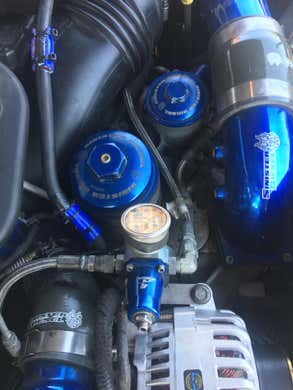
If you own a 6.7 Powerstroke, you know how important a smooth-running fuel system is. But what happens when air gets trapped inside?
Your engine can struggle to start or lose power. Knowing how to prime your 6. 7 Powerstroke fuel system can save you time, frustration, and costly repairs. In this guide, you’ll learn clear, simple steps to get your fuel system working perfectly again.
Keep reading—you’ll be back on the road faster than you think.
Signs Of Fuel System Issues
The 6.7 Powerstroke engine uses a complex fuel system to run well. Problems in the fuel system can cause engine trouble.
Knowing the signs of fuel system issues helps you fix problems early. This keeps your engine strong and reliable.
Common Symptoms
You may notice several symptoms if the fuel system has problems. These signs warn you to check the system.
- Hard starting or no start at all
- Engine stalling during driving
- Rough idling or uneven engine run
- Loss of power when accelerating
- Fuel smell near the engine or fuel tank
- Black or white smoke from the exhaust
- Check engine light turning on
Impact On Engine Performance
Fuel system issues reduce engine power and efficiency. The engine may use more fuel or run poorly.
Poor fuel delivery can cause misfires and damage engine parts. This leads to higher repair costs and downtime.
- Reduced fuel economy
- Lower engine power output
- Increased exhaust emissions
- Frequent engine hesitation or stalls
- Possible damage to fuel injectors and pumps

Credit: greenhandlemedia.com
Tools Needed For Priming
Priming the 6.7 Powerstroke fuel system is important before starting the engine. Using the right tools helps make the process safe and easy.
This guide covers the essential equipment and safety gear you need to prime the fuel system properly.
Essential Equipment
You will need some basic tools to prime the fuel system. These tools help remove air and fill the fuel lines correctly.
- Fuel hand primer pump
- Socket wrench set
- Clean rags or towels
- Replacement fuel filter (if needed)
- Fuel line connector tools
Safety Gear
Using safety gear protects you from fuel spills and harmful fumes during priming.
| Safety Item | Purpose |
| Safety glasses | Protect eyes from fuel splashes |
| Rubber gloves | Keep hands safe from chemicals |
| Long sleeves | Protect skin from contact |
| Fire extinguisher | Handle any small fires |
| Well-ventilated area | Prevent inhaling fumes |
Locate The Fuel Filter Housing
The fuel filter housing is a key part of the 6.7 Powerstroke fuel system. Finding it helps you prime the system correctly. This guide shows where to look and how to prepare the area.
Knowing the exact location of the housing makes the job easier and safer. Follow the instructions below to identify and get ready around the fuel filter housing.
Identifying The Housing
The fuel filter housing is usually near the engine’s front or side. It looks like a round canister with fuel lines attached. The housing holds the fuel filter inside.
- Look near the fuel injection pump.
- Check for a black or metal round container.
- Find fuel lines going in and out of the housing.
- It may have a clear or plastic bowl at the bottom for water separation.
Preparing The Area
Before you work on the fuel filter housing, clear the space around it. This prevents dirt and debris from entering the fuel system. Also, prepare tools and safety gear.
| Task | Details |
| Clean Area | Wipe around the housing with a clean cloth |
| Gather Tools | Fuel line wrench, gloves, rags |
| Safety | Wear gloves and eye protection |
| Engine | Turn off engine and cool down before starting |
Release Air From The System
Air in the fuel system of a 6.7 Powerstroke engine can cause running problems. It stops fuel from reaching the engine properly. Releasing air is important to keep the engine working well.
This guide shows how to release air using the primer pump and how to bleed air properly from the system.
Using The Primer Pump
The primer pump helps push fuel through the system and remove trapped air. It is usually located near the fuel filter or fuel lines.
Press the primer pump slowly several times. You will feel resistance as fuel moves through. Keep pumping until the pump feels firm and no air bubbles appear.
- Locate the primer pump near the fuel filter.
- Press the pump gently several times.
- Watch for air bubbles in the fuel line.
- Keep pumping until the pump feels firm.
- Stop when no air bubbles appear.
Bleeding Air Properly
Bleeding air means removing trapped air from fuel lines or injectors. This prevents engine issues like hard starting or stalling.
To bleed air, loosen the bleed screws on the fuel filter or injectors. Let fuel flow until no air escapes. Tighten screws before starting the engine.
- Locate bleed screws on the fuel filter or injectors.
- Use a wrench to loosen the screws slightly.
- Allow fuel and air to escape carefully.
- Wait until only fuel flows out without bubbles.
- Tighten the screws securely before use.
Manual Priming Steps
Priming the fuel system on a 6.7 Powerstroke ensures the engine gets fuel quickly. This helps the engine start and run smoothly.
Manual priming is important after fuel filter changes or when the fuel system loses pressure. Follow these steps carefully for best results.
Step-by-step Guide
Start by locating the manual primer pump on the fuel filter housing. This pump moves fuel and removes air from the system.
Press the primer pump slowly and firmly until you feel resistance. This means the fuel lines are full and air is pushed out.
- Turn off the engine and open the hood.
- Find the manual primer pump near the fuel filter.
- Press the primer pump slowly multiple times.
- Stop pumping when it feels hard to press.
- Try starting the engine.
- If it does not start, repeat pumping and try again.
Tips For Efficiency
Use clean hands or gloves to avoid dirt in the fuel system. Dirt can cause damage or clog the fuel filter.
Perform priming in a well-lit area to see the primer pump clearly. This helps avoid mistakes.
- Press the primer pump slowly to avoid air bubbles.
- Check for fuel leaks before starting the engine.
- Repeat priming if the engine struggles to start.
- Use a rag to catch any spilled fuel during priming.
Electronic Priming Method
Priming the fuel system in a 6.7 Powerstroke is important to remove air. This helps the engine start and run smoothly. The electronic priming method uses the truck’s controls to do this.
This method is easy and does not need special tools. It uses the vehicle’s built-in systems to pump fuel and clear air from the lines.
Using The Vehicle’s Controls
First, turn the ignition key to the “on” position, but do not start the engine. This powers the fuel system and activates the electric fuel pump.
The pump will run for about 30 seconds to push fuel through the lines. You may hear the pump working during this time. Repeat this process if needed until the fuel system is fully primed.
- Turn ignition to “on” without starting engine
- Listen for the fuel pump running
- Wait 30 seconds for fuel to flow
- Turn ignition off and repeat if air remains
When To Use This Method
Use the electronic priming method after changing fuel filters. It also helps if the fuel system loses pressure or air gets in the lines.
This method works well for most routine maintenance and minor fuel system issues. It is safe and avoids the need to manually pump fuel.
- After replacing fuel filters
- If engine cranks but won’t start
- When air enters the fuel system
- Before starting engine after fuel system work
Post-priming Checks
After priming the 6.7 Powerstroke fuel system, it is important to check for any problems. These checks help ensure the engine runs well and safely.
This guide covers inspecting for leaks and starting the engine safely. Follow these steps carefully to avoid damage.
Inspecting For Leaks
Look over all fuel lines, connections, and seals for signs of leaks. Fuel leaks can cause engine problems and safety risks.
- Check fuel lines for cracks or damage.
- Inspect connections to ensure they are tight.
- Look under the engine for any fuel drips or puddles.
- Smell for fuel odors around the engine area.
- Use a clean cloth to wipe around fittings to spot wetness.
Starting The Engine Safely
After no leaks are found, prepare to start the engine. Starting safely helps avoid damage to the fuel system and engine.
- Turn the ignition key to the ON position but do not start the engine yet.
- Wait about 10 seconds to let the fuel pump build pressure.
- Look for any warning lights on the dashboard.
- If no warnings appear, start the engine.
- Let the engine run at idle for a few minutes to stabilize.
- Listen for unusual noises or rough running.
| Action | What to Check | Reason |
|---|---|---|
| Ignition ON delay | Fuel system pressure build-up | Ensures fuel reaches the engine |
| Dashboard lights | No warning lights on | Confirms no system faults |
| Idle running | Steady engine sound | Shows proper fuel flow and engine health |
Credit: www.powerstroke.org
Maintenance Tips For Fuel System
Keeping the fuel system in good shape helps the 6.7 Powerstroke run well. Regular care prevents problems and saves money on repairs.
This guide shows key steps to check and protect your fuel system. Following these tips keeps your engine strong and efficient.
Regular Inspection
Check the fuel system parts often to catch issues early. Look for leaks, cracks, or damaged hoses around the fuel lines and connections.
- Inspect fuel lines for cracks or wear.
- Check fuel filters for clogging or dirt.
- Look for leaks near the fuel pump and injectors.
- Listen for unusual sounds from the fuel pump.
- Test fuel pressure with proper tools.
Preventative Measures
Use clean fuel and replace parts on time to avoid damage. Keep the system dry and free from dirt and water.
| Preventative Action | Frequency | Reason |
| Replace fuel filter | Every 20,000 miles | Stops dirt from clogging injectors |
| Use fuel additives | Every tank fill | Keeps fuel system clean and dry |
| Drain water separator | Weekly or after wet conditions | Prevents water from reaching engine |
| Check fuel lines | Monthly | Find leaks or cracks early |
| Keep fuel tank full | Regularly | Reduces air and moisture build-up |

Credit: www.fleeceperformance.com
Frequently Asked Questions
What Is The Purpose Of Priming A 6.7 Powerstroke Fuel System?
Priming the 6. 7 Powerstroke fuel system ensures that the fuel lines are free of air. This process improves engine performance and prevents potential issues related to air pockets. Proper priming is essential for maintaining the longevity and efficiency of your vehicle’s engine.
How Often Should I Prime My 6.7 Powerstroke?
Priming is necessary after replacing fuel system components or when the system runs dry. Routine priming isn’t typically required. However, if you notice performance issues, priming might help. Always follow the manufacturer’s guidelines for maintenance.
Can I Prime The Fuel System Myself?
Yes, you can prime the 6. 7 Powerstroke fuel system yourself. The process requires basic mechanical skills and a few tools. Always refer to your vehicle’s manual for specific instructions. Priming ensures your vehicle runs smoothly and efficiently.
What Tools Are Needed For Priming The Fuel System?
To prime the 6. 7 Powerstroke fuel system, you need a wrench and a priming pump. These tools help you release air from the system efficiently. Always ensure you have the correct tools before starting the priming process to avoid any mishaps.
Conclusion
Priming the 6. 7 Powerstroke fuel system is essential for smooth engine start. Follow the steps carefully to avoid air pockets. Check all connections for leaks before starting the engine. Take your time and be patient during the process. Proper priming helps prevent engine damage and ensures good performance.
Keep this guide handy for future reference. Trust your skills and stay safe while working on your vehicle. Regular maintenance will keep your Powerstroke running strong.