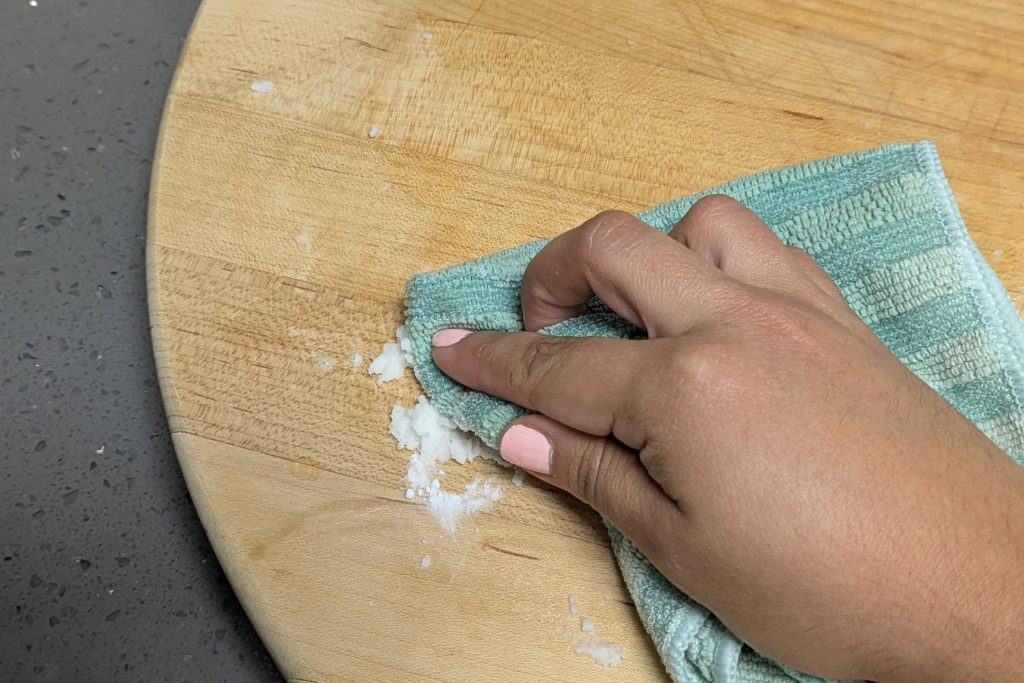
Your wood cutting board is more than just a kitchen tool—it’s where you prepare meals for yourself and your loved ones. But if it’s not cleaned properly, it can harbor bacteria and odors that affect the taste and safety of your food.
You might think rinsing it with water is enough, but there’s a smarter, more effective way to keep your board fresh and lasting longer. You’ll discover simple, practical steps to clean your wood cutting board the right way. Keep reading to protect your health and make your kitchen routine easier.
Choosing The Right Wood Board
Picking the right wood cutting board helps keep your kitchen safe and clean. The wood type and size affect how well the board lasts and how easy it is to clean.
Different woods have unique qualities. Size and thickness also matter for durability and storage. Learn more about choosing the best wood board for your needs.
Types Of Wood
Some woods work better for cutting boards. Hardwoods resist cuts and do not absorb water easily. Softwoods may get damaged fast and hold germs.
- Maple: Very hard and smooth, great for food safety.
- Walnut: Dark wood, strong and durable.
- Cherry: Hard with a warm color, good for knives.
- Bamboo: Technically grass but hard and eco-friendly.
- Pine: Soft and cheap, but not very durable.
Size And Thickness Considerations
Choose a board size that fits your kitchen space and cooking style. Thickness adds strength and affects weight.
| Size | Best Use | Note |
| Small (8×10 inches) | Quick tasks, small kitchens | Easy to store but less cutting space |
| Medium (12×18 inches) | Most cooking needs | Good balance of space and storage |
| Large (18×24 inches+) | Big meals, multiple ingredients | Heavy and needs more storage room |
| Thickness (1-1.5 inches) | Standard strength | Lightweight and easy to clean |
| Thickness (1.5-2 inches) | Extra durable | Heavier but lasts longer |

Credit: ca.style.yahoo.com
Daily Cleaning Steps
Keeping your wood cutting board clean is important for safety and hygiene. Daily cleaning stops germs from growing.
Use simple steps to wash and dry your board after every use. This helps keep it in good shape.
Washing With Soap And Water
Start by rinsing the board with warm water. Use a mild dish soap to clean all surfaces well.
Scrub gently with a soft sponge or brush. Avoid harsh scrubbing that can damage the wood.
- Use warm water, not hot, to protect the wood
- Apply a small amount of mild soap
- Scrub both sides of the board
- Rinse thoroughly to remove all soap
Drying Techniques
After washing, dry the board quickly. Use a clean towel to remove extra water from the surface.
Stand the board upright or place it on a rack. Let air flow around it to dry completely before storing.
- Wipe dry immediately with a towel
- Store in a vertical position for air drying
- Avoid leaving the board flat when wet
- Do not put wood boards in a dishwasher
Removing Stains And Odors
Wood cutting boards can absorb stains and smells from food. Cleaning them well keeps them fresh and safe to use.
Using natural cleaners and deodorizing methods helps remove marks and odors without damaging the wood.
Using Natural Cleaners
Natural cleaners are gentle and effective for wood boards. They remove stains without harsh chemicals.
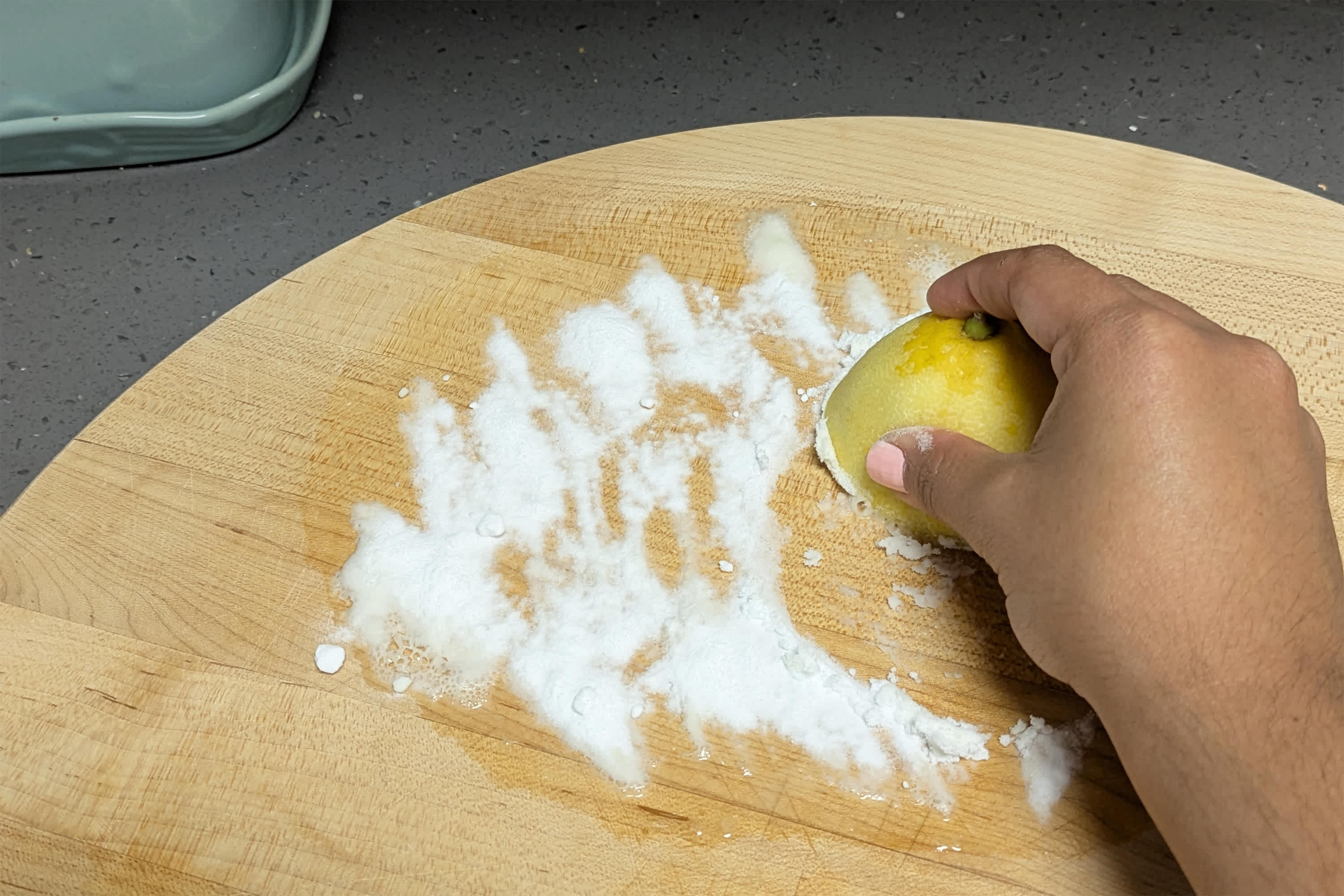
- Rub the board with coarse salt and half a lemon. Let it sit for 5 minutes, then rinse.
- Use white vinegar to wipe the surface. It kills bacteria and removes stains.
- Make a paste with baking soda and water. Apply it to stains and scrub gently.
- Rinse the board with warm water after cleaning and dry it well.
Deodorizing Methods
Odors can linger in wood cutting boards. Deodorizing helps keep the board smelling clean.
| Method | How to Use | Effect |
| Baking Soda | Sprinkle on the board, leave 15 minutes, then wipe off | Absorbs and neutralizes odors |
| Lemon Juice | Rub with lemon halves, let dry, rinse | Removes odors and freshens the wood |
| Vinegar Spray | Spray white vinegar, wait 10 minutes, wipe clean | Kills odor-causing bacteria |
Credit: www.thekitchn.com
Deep Cleaning Methods
Wood cutting boards need special care to stay clean and safe. Deep cleaning removes germs and stains. Using natural ingredients can help protect the wood.
This guide explains two easy methods to clean your wood cutting board deeply using household items.
Salt And Lemon Treatment
Salt and lemon work well together to clean and freshen wood boards. Salt acts as a scrub, and lemon adds natural acid to kill bacteria.
- Sprinkle coarse salt evenly over the board.
- Cut a lemon in half and rub it on the salted surface.
- Let the mixture sit for 5 to 10 minutes.
- Scrub the board gently with the lemon halves.
- Rinse the board with warm water and dry it well.
Vinegar And Baking Soda
Vinegar and baking soda remove stains and odors from wood cutting boards safely. They also help kill germs without harsh chemicals.
| Ingredient | Use | Instructions |
| White Vinegar | Disinfectant | Spray or wipe on the board, then let sit 5 minutes |
| Baking Soda | Deodorizer and mild scrub | Sprinkle on board, scrub with a damp cloth |
Maintaining Wood Quality
Keeping your wood cutting board clean helps it last longer. Proper care protects the wood from damage.
Good maintenance stops cracks and warping. It keeps the board safe and smooth for cutting.
Oiling The Board
Oiling your wood board stops it from drying out. It keeps the wood strong and shiny.
Use food-safe mineral oil or beeswax oil. Apply a thin layer and let it soak in overnight.
- Clean the board before oiling
- Use a soft cloth to spread oil evenly
- Let the board absorb oil for several hours
- Wipe off extra oil with a dry cloth
- Oil the board once a month or more
Sanding For Smoothness
Sanding removes rough spots and deep cuts. It makes the surface smooth and safe for food.
Use fine-grit sandpaper and sand along the wood grain. Clean the dust before oiling the board.
- Start with 120-grit sandpaper for deep scratches
- Use 220-grit sandpaper for a smooth finish
- Sand evenly across the entire surface
- Wipe off all sanding dust before oiling
- Sanding once or twice a year is enough
Avoiding Common Mistakes
Cleaning a wood cutting board the right way keeps it safe and lasts longer. Many people make mistakes that damage the board.
Learn how to avoid these errors to keep your board in good shape. This guide covers two important topics.
No Soaking Or Dishwasher Use
Do not soak your wood cutting board in water. Soaking can cause the wood to swell and weaken.
Avoid using a dishwasher. The heat and water pressure can crack and warp the board.
- Wash the board with warm, soapy water after use.
- Rinse quickly and dry with a towel right away.
- Do not leave the board in water or let it air dry standing up.
- Keep the board away from direct heat sources like ovens or heaters.
Preventing Cracks And Warping
Cracks and warping happen when the wood dries unevenly or too fast. Proper care helps keep the board smooth.
| Cause | Effect | Prevention |
| Excess water exposure | Wood swells and weakens | Dry board immediately after washing |
| Rapid drying | Wood cracks | Air dry flat in a cool place |
| Heat exposure | Board warps | Keep away from ovens and direct sunlight |
| Not oiling | Wood dries and splits | Apply food-safe oil regularly |
Storage Tips For Longevity
Keeping your wood cutting board in good shape needs the right storage. Proper care helps it last longer and stay safe to use.
Two key points to focus on are air flow and the moisture in the storage area. Both affect the wood’s condition.
Proper Air Circulation
Good air flow around your wood cutting board stops it from holding moisture. This prevents mold and warping.
- Store the board standing up on its edge, not flat.
- Keep it in a place with open air, not inside a closed cabinet.
- Avoid stacking it under heavy items that block air flow.
- Use a rack or a stand to allow air to reach all sides.
Avoiding Humid Environments
High humidity can cause wood to absorb water. This leads to cracks and bacteria growth.
| Storage Location | Humidity Level | Effect on Wood |
|---|---|---|
| Dry kitchen shelf | Low (30-50%) | Keeps wood stable and dry |
| Closed cabinet near sink | High (60%+) | May cause warping and mold |
| Open countertop away from water | Moderate (40-55%) | Good for drying and use |

Credit: ca.style.yahoo.com
Frequently Asked Questions
How Often Should You Clean A Wood Cutting Board?
Clean your wood cutting board after every use to prevent bacteria. Wash it with hot, soapy water and dry immediately. Regular cleaning maintains hygiene and extends the board’s lifespan. For a deeper clean, use vinegar or lemon and salt weekly.
Proper maintenance ensures your board stays in excellent condition.
Can You Use Bleach On Wood Cutting Boards?
Avoid using bleach on wood cutting boards as it can damage the wood. Instead, use natural cleaners like vinegar or lemon. These are effective and safe. They clean without harming the wood’s surface. Regular cleaning with these alternatives ensures your board remains safe and long-lasting.
What Is The Best Oil For Wood Cutting Boards?
Food-grade mineral oil is the best for wood cutting boards. It prevents drying and cracking. Apply it monthly to keep the board in good condition. This oil is odorless, tasteless, and safe. Regular oiling extends the life of your cutting board, keeping it functional and beautiful.
How Do You Remove Stains From Wood Cutting Boards?
To remove stains, sprinkle salt and rub with a lemon half. This natural method effectively lifts stains without damaging the wood. Rinse with water and dry thoroughly afterward. Regular treatment prevents deep stains, maintaining your board’s appearance and functionality.
Conclusion
Cleaning your wood cutting board keeps it safe and lasts longer. Use warm water and mild soap right after use. Avoid soaking or harsh chemicals to protect the wood. Dry it well to stop cracks and warping. Regular oiling helps maintain its surface and stops drying.
These simple steps keep your board fresh and strong. A clean board makes cooking safer and more enjoyable. Take care of your wood cutting board every day. It pays off with better food and less worry.