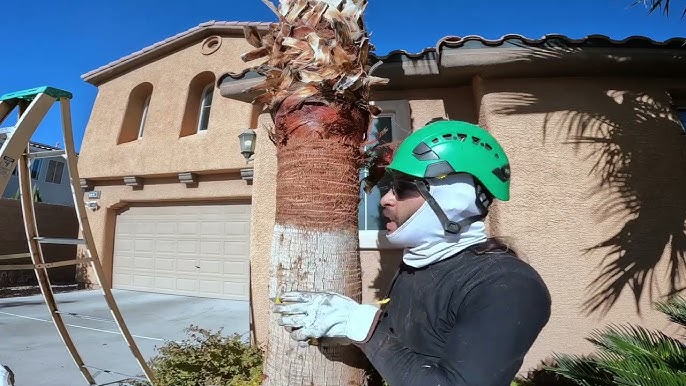
Imagine waking up to a winter wonderland, only to find your beloved palm trees shivering under a blanket of frost. As a palm tree enthusiast, you know how crucial it is to safeguard these tropical beauties from the harsh bite of winter.
But how exactly do you ensure their survival through unexpected freezes? This is where you can make a difference with some simple yet effective strategies. In this guide, you’ll uncover practical tips and tricks to shield your palms from the cold, ensuring they remain vibrant and healthy year-round.
Keep reading to discover how you can become the guardian of your garden’s tropical oasis.
Signs Of Freeze Damage On Palms
Freeze damage on palms can be subtle at first. Early signs help you act quickly to save your tree. Watch for changes in color and texture on leaves and trunk. Understanding these signs prevents further harm.
Identifying Frostbite Symptoms
Frostbite on palms shows as dark, water-soaked spots on leaves. Leaves may become soft and limp instead of firm. Edges of leaves turn brown or black and curl inward. New growth may stop or look weak. Roots might feel mushy if cold affects them deeply.
Assessing Leaf And Trunk Damage
Leaves turn yellow or brown after freezing nights. Dead leaves hang limp, unable to stand upright. The trunk can crack or peel due to ice inside cells. Look for dark, sunken areas on the trunk surface. Soft spots or oozing sap also signal freeze damage. Check the base of the palm for discoloration or rot signs.

Credit: www.amazon.com
Preparing Palms Before Winter
Preparing palms before winter is vital for their survival through cold months. Taking steps early helps palms handle frost and freezing temperatures better. Healthy palms have stronger resistance to cold damage and recover faster in spring.
Start by choosing the right palm types. Careful watering and root care also build cold tolerance. These simple preparations improve your palms’ chances against freezing weather.
Selecting Cold-hardy Palm Varieties
Choose palms known to withstand cold. Some varieties can survive temperatures below freezing. Examples include:
- Windmill Palm (Trachycarpus fortunei)
- Pindo Palm (Butia capitata)
- Needle Palm (Rhapidophyllum hystrix)
- European Fan Palm (Chamaerops humilis)
These palms have natural resistance to cold. Planting them reduces freeze damage risk.
Proper Watering Techniques
Water palms well before the first frost. Moist soil holds heat better than dry soil. Avoid overwatering, which can harm roots. Keep soil damp but not soggy. Stop watering during freezing weather to prevent ice damage.
Applying Mulch For Root Protection
Apply mulch around the palm’s base to protect roots. Use organic materials like wood chips or straw. Mulch insulates soil, keeping roots warmer. Spread mulch 3 to 4 inches thick. Keep mulch a few inches away from the trunk to prevent rot.
Methods To Shield Palms From Freeze
Shielding palms from freeze damage requires simple and effective methods. Protecting these tropical plants helps them survive cold snaps. Using covers, windbreaks, and heat sources can keep palms safe. Each method offers unique benefits to reduce frost harm.
Using Frost Cloths And Covers
Frost cloths trap heat around palm leaves. Use lightweight fabric designed to block frost. Avoid plastic sheets that can cause moisture buildup. Secure covers tightly to prevent cold air entry. Remove covers during the day to allow sunlight. This method keeps palms warmer during chilly nights.
Constructing Windbreaks
Windbreaks reduce cold wind that can dry and chill palms. Build barriers using wood, burlap, or dense shrubs. Position windbreaks on the side facing prevailing cold winds. They help maintain a warmer microclimate near the palm. This method lowers the risk of freeze damage from harsh gusts.
Employing Heat Sources Safely
Heat sources can raise the temperature around palms. Use string lights or outdoor-safe heaters designed for plants. Keep heat sources at a safe distance to avoid burning leaves. Monitor temperature closely to prevent overheating. Controlled heat provides extra warmth during freezing nights.
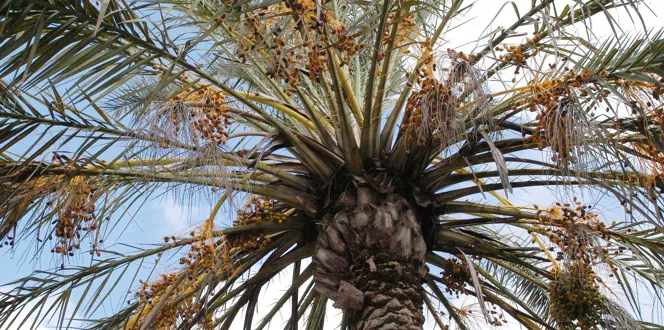
Credit: blog.davey.com
Indoor And Container Palm Care
Taking care of indoor and container palms during freeze periods requires a bit of planning and attention. These palms, often more vulnerable than those planted in the ground, need a controlled environment to thrive when temperatures drop. Keeping them healthy indoors is not just about moving them inside but also about creating the right conditions that mimic their natural habitat.
Moving Palms Indoors
Before the first frost hits, prepare to move your container palms inside. Choose a spot with plenty of natural light, such as near a south-facing window, to keep your palm happy and green.
Handle the pots carefully to avoid damaging roots, and check for pests before bringing plants indoors. This helps prevent infestations in your home environment.
Have you noticed how some palms seem to adjust faster indoors than others? It often depends on the species and how well you transition them, so make the move gradual if possible.
Controlling Indoor Humidity And Temperature
Palms prefer humidity levels around 40-60%, which can be tricky during winter when indoor air tends to get dry. Using a humidifier or placing a tray of water near your palm can boost moisture in the air effectively.
Keep your indoor temperature steady, ideally between 65°F and 75°F (18°C to 24°C). Avoid placing palms near heaters or cold drafts, as sudden temperature changes stress the plant.
Have you tried misting your palm leaves regularly? It’s a simple habit that can make a big difference in preventing leaf browning and keeping your palm vibrant.
Post-freeze Recovery Tips
After a freeze, palms need extra care to bounce back strong. The right steps help palms heal and grow healthy again. Focus on gentle pruning, feeding the tree, and watching for problems. These actions support your palm’s natural recovery.
Pruning Damaged Fronds
Remove fronds that look brown or dead. Cut them close to the trunk but avoid hurting the green parts. Do not remove too many fronds at once. Let the palm keep some leaves to stay healthy. Clean your tools before and after pruning to stop germs.
Fertilizing For Regrowth
Use a balanced fertilizer made for palms. It gives the tree the nutrients needed to grow new fronds. Apply fertilizer in small amounts to avoid burning roots. Water the palm well after feeding to help nutrients soak in. Repeat feeding every 6 to 8 weeks in growing season.
Monitoring For Disease And Pests
Check the palm often for signs of disease or bugs. Look for spots, sticky residue, or holes on leaves. Treat problems early with safe, palm-friendly sprays or natural remedies. Keep the area clean and remove fallen leaves to reduce pests. Healthy palms resist diseases better.

Credit: www.epicgardening.com
Frequently Asked Questions
How Can I Protect Palms From Freeze Damage?
Cover palms with frost cloths or blankets during freeze warnings. Use mulch around the base to retain soil warmth. Avoid watering late at night to prevent ice formation on leaves.
What Materials Are Best To Cover Palms In Freezing Weather?
Use breathable frost cloths or burlap to cover palms. Avoid plastic as it traps moisture and causes damage. Secure covers tightly to prevent wind exposure and heat loss.
When Should I Start Protecting Palms From Freezing Temperatures?
Begin protection when temperatures drop below 40°F (4°C). Monitor weather forecasts for freeze warnings. Early preparation helps reduce cold stress and prevents permanent palm damage.
Can I Use Heat Lamps To Protect Palms From Freezing?
Yes, heat lamps can help maintain warmth around palms. Position lamps safely to avoid fire hazards. Use low wattage bulbs and keep lamps off the ground.
Conclusion
Protecting your palms from freeze keeps them healthy and strong. Covering palms with blankets or burlap helps stop cold damage. Watering the soil before a freeze adds warmth to roots. Removing frost-damaged leaves prevents further harm. Regular care during cold months makes palms last longer.
Simple steps can save your palms from winter chill. Stay alert to weather changes and act quickly. Your palms will thank you with green, vibrant leaves. Keep these tips handy for every cold season.