Rain can quickly turn your camping trip into a soggy mess if your tent isn’t properly protected. You don’t want to spend your time inside a wet, uncomfortable shelter or wake up to a flooded tent floor.
The good news is, with a few simple steps, you can keep your tent dry and cozy no matter how hard the rain pours. You’ll discover practical tips and easy tricks to shield your tent from rain, so you can focus on enjoying your outdoor adventure without worrying about the weather.
Keep reading to learn how to protect your tent and stay dry every time you camp.
Choose Waterproof Tents
Protecting your tent from rain starts with choosing the right tent. Waterproof tents keep you dry during wet weather. These tents use special materials and designs to stop water from entering.
A waterproof tent saves you from discomfort and potential damage. It is important to know what makes a tent waterproof before buying one.
Materials That Repel Water
Tent fabrics that repel water stop rain from soaking through. Common waterproof materials include polyester and nylon. These fabrics often have a special coating that blocks water.
The coatings can be polyurethane or silicone. These coatings make the fabric shiny and water-resistant. This helps drops slide off instead of soaking in.
- Polyester: strong and resists water well
- Nylon: light and dries quickly
- Polyurethane coating: adds water resistance
- Silicone coating: improves durability and water repellency
Seam Sealing Techniques
Seams are weak points where water can enter tents. Sealing these seams keeps rain out. Manufacturers use tape or liquid sealants to cover the stitches.
Seam taping uses strong waterproof tape on the inside of seams. Liquid sealants are painted on and fill small holes. Both methods stop water from leaking through needle holes.
- Seam taping: applies waterproof tape inside seams
- Liquid sealant: paints over stitches to fill gaps
- Regular resealing keeps seams waterproof over time

Credit: www.reddit.com
Set Up On Elevated Ground
Choosing the right spot for your tent can keep you dry. Setting up on elevated ground is key to avoiding rainwater pooling.
When you camp on higher ground, you reduce the risk of waking up in a puddle. Let’s explore how to select the best spot for your tent.
Avoid Low-lying Areas
Low-lying areas collect water during rain. Avoid these spots to stay dry.
- Look for slopes or hills to pitch your tent.
- Avoid valleys or depressions in the ground.
- Stay clear of dry riverbeds as they can flood.
Spot Selection Tips
Selecting the right spot is crucial for a dry camping experience. Here are some tips to help you choose wisely.
| Tip | Description |
| Check the Weather | Know the forecast to avoid stormy areas. |
| Ground Firmness | Choose solid ground to prevent sinking. |
| Natural Shelter | Look for trees or rocks to block wind and rain. |
Use A Rainfly Properly
Using a rainfly is the best way to keep your tent dry in rain. It acts as a shield to stop water from reaching the tent fabric. Knowing how to place and secure it correctly helps you stay dry and comfortable.
Below are key tips on placing the rainfly and keeping it tight to protect your tent well.
Rainfly Positioning
Place the rainfly so it covers the entire roof of the tent. Make sure it extends beyond the edges to catch rainwater and direct it away from the tent floor. Avoid gaps between the rainfly and tent body to stop leaks.
- Align the rainfly with tent poles or loops designed for attachment.
- Check that the rainfly vents are open to allow air circulation.
- Keep the rainfly taut to prevent water pooling on top.
- Adjust the rainfly after strong winds to maintain coverage.
Securing The Rainfly
Secure the rainfly tightly using the tent’s clips, hooks, or straps. Fasten all corners and sides to keep the rainfly stable in wind and rain. A loose rainfly can flap and cause noise or let water seep in.
| Securing Method | Purpose |
| Clips | Attach rainfly to tent poles firmly |
| Straps | Tighten rainfly around tent edges |
| Guy Lines | Hold rainfly away from tent and add stability |
| Stakes | Anchor guy lines into the ground |

Credit: hot-tent.com
Create Effective Drainage
Protecting your tent from rain means keeping water away. Good drainage helps stop water from pooling around your tent. This guide shows how to create drainage using simple methods.
Two effective ways to manage water flow are digging drainage trenches and using natural slopes. Both help move rainwater away from your tent site.
Digging Drainage Trenches
Drainage trenches channel rainwater away from your tent. Dig a shallow trench around the tent’s perimeter. This stops water from collecting near your tent floor.
- Dig trenches about 6 inches deep and 6 inches wide.
- Make sure trenches slope away from the tent.
- Clear leaves and debris from trenches regularly.
- Use rocks or gravel in trenches to improve water flow.
Using Natural Slopes
Choose a tent spot on a natural slope. Water flows downhill, so slopes help keep rainwater from pooling. Set up your tent at the top or side of the slope.
| Tip | Why It Helps |
| Pick a slope with gentle angle | Prevents water rushing and soil erosion |
| Face tent door downhill | Keeps water from entering tent |
| Avoid low spots | Stops water from pooling under tent |
Apply Tent Footprint
A tent footprint is a protective layer placed under your tent. It helps keep your tent floor clean and dry. Using a footprint can extend the life of your tent.
This guide explains how a footprint protects from ground moisture and how to choose the right size for your tent.
Protection From Ground Moisture
The footprint acts as a barrier between the tent floor and wet ground. It stops water from seeping inside your tent. It also protects the tent fabric from sharp stones and dirt.
- Reduces water absorption by the tent floor
- Prevents damage from rough or rocky surfaces
- Keeps the bottom of the tent clean and dry
- Improves tent stability by providing a smooth base
Correct Footprint Size
Choosing the right size footprint is important. A footprint too large can collect water under your tent. One too small will not protect the edges.
| Footprint Size | Effect |
| Smaller than tent floor | Leaves edges exposed to moisture |
| Matches tent floor size | Provides full protection without water pooling |
| Larger than tent floor | Water can collect between footprint and tent |
Enhance Tent Ventilation
Good ventilation helps keep your tent dry during rain. It allows air to flow and reduces moisture inside.
Proper airflow stops dampness and keeps you comfortable while camping in wet weather.
Preventing Condensation
Condensation forms when warm air meets cold surfaces inside the tent. This causes water droplets to appear.
Ventilation reduces condensation by letting moist air escape and fresh air enter the tent.
- Open tent vents or windows slightly during rain.
- Use tents with mesh panels for better airflow.
- Avoid cooking or breathing heavily inside the tent.
- Keep wet clothes outside or in a separate area.
Vent Placement Tips
Place vents where air moves freely and does not bring rain inside. High vents release hot air.
Low vents let cool air enter. This creates a steady flow that dries the tent interior.
- Keep vents away from direct rain or wind direction.
- Use rain flaps or covers to protect vents.
- Open vents on opposite sides for cross ventilation.
- Clear any blockages like leaves or dirt from vents.
Use Tarp For Extra Shield
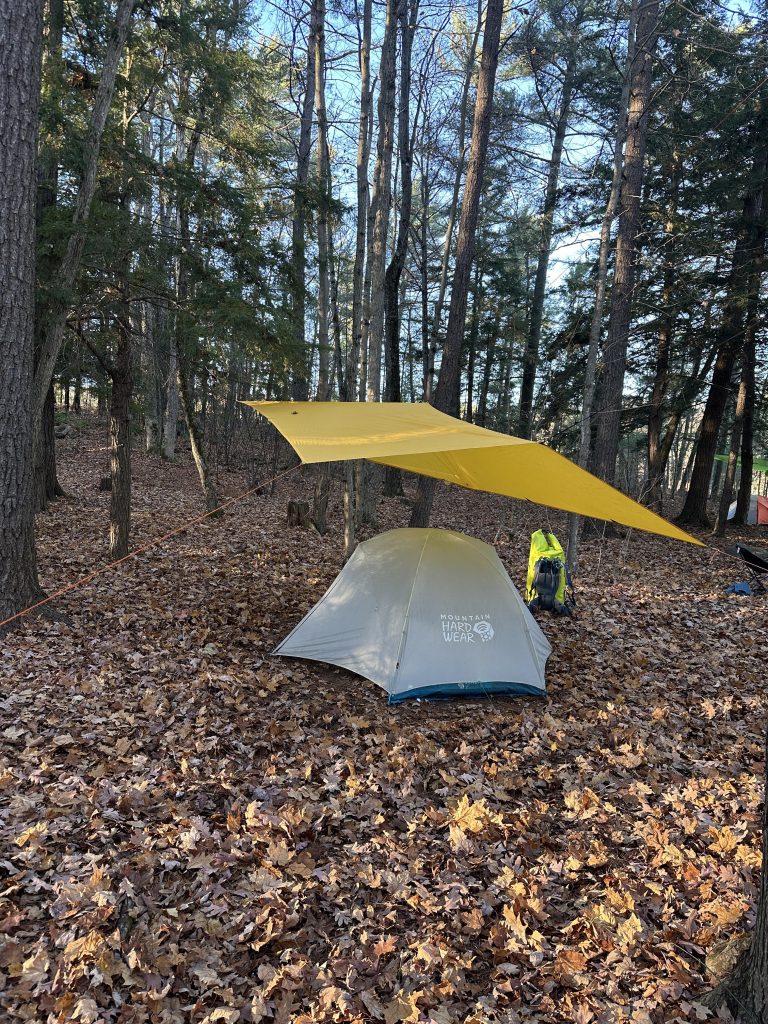
A tarp adds an extra layer of protection for your tent during rain. It helps keep water from soaking through the tent fabric.
Using a tarp correctly can make your camping experience dry and comfortable. It also protects the ground under your tent.
Tarp Setup Methods
You can set up a tarp in many ways depending on the weather and space. A simple setup keeps rain away and allows air to flow.
- Lay the tarp flat under your tent for ground protection.
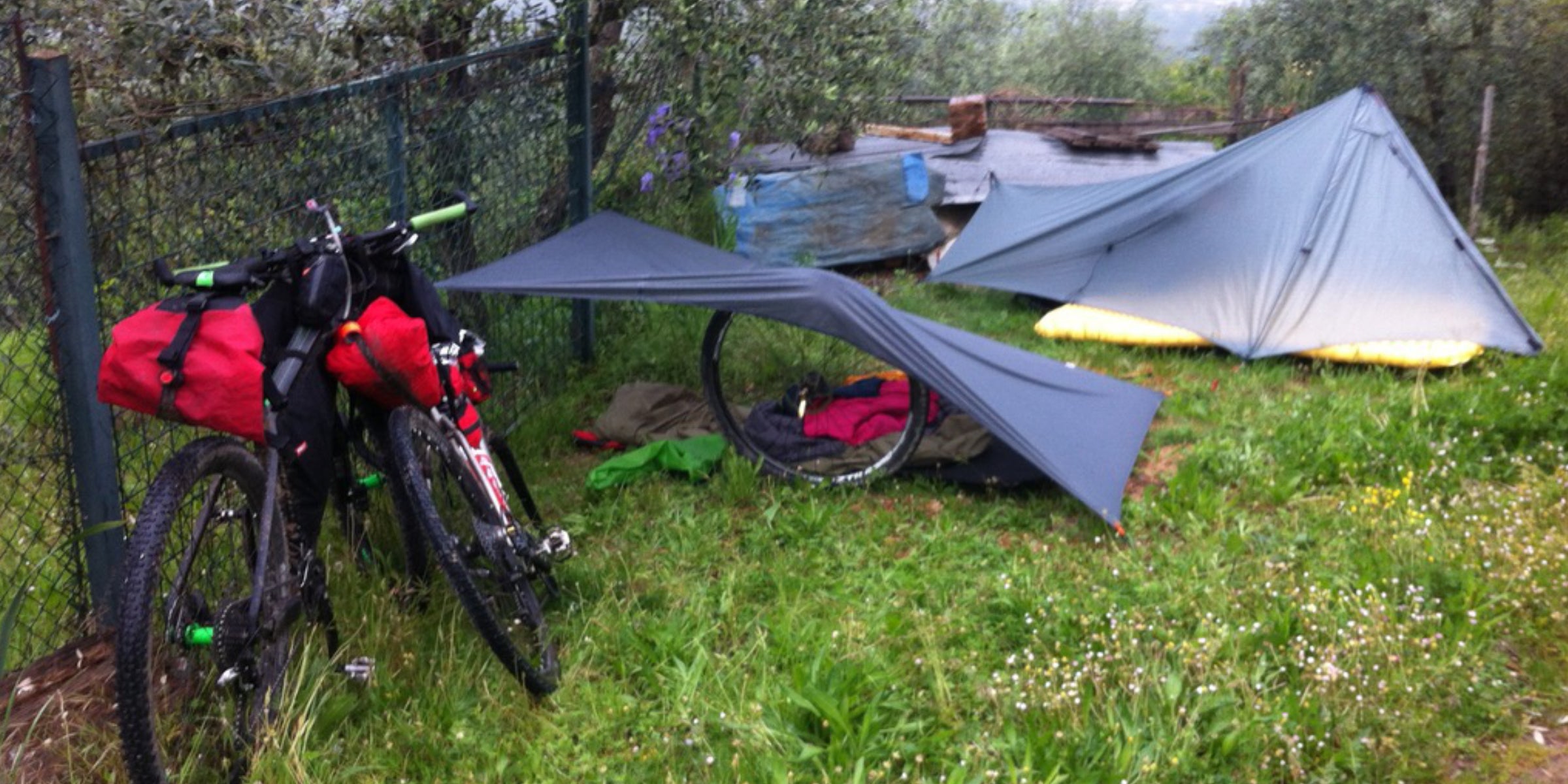
- Raise the tarp above the tent as a rainfly using ropes or poles.
- Create a lean-to shelter next to your tent for extra cover.
- Use the tarp as a canopy over the tent entrance.
Angle And Positioning
Place the tarp at an angle to let rainwater run off easily. Avoid flat setups that collect water.
Position the tarp so wind blows rain away from your tent. Secure edges tightly to stop flapping and leaks.
- Pitch tarp with one side higher to create a slope.
- Face the tarp opening away from the wind.
- Extend tarp edges beyond the tent footprint.
- Tighten all cords and stakes firmly.
Secure Tent With Proper Stakes
Protecting your tent from rain starts with securing it firmly to the ground. Proper stakes keep the tent stable during wet weather.
Choosing the right stakes and using strong anchoring methods help prevent the tent from shifting or collapsing.
Types Of Stakes For Wet Ground
Different stakes work better in wet or soft soil. Metal stakes hold tightly in muddy ground. Plastic stakes may not be strong enough.
- Steel or aluminum stakes resist bending and hold well in wet soil.
- V-shaped stakes provide extra grip on soft ground.
- Longer stakes give better anchoring in loose dirt.
- Spiral stakes screw into the ground and hold firm in mud.
Anchoring Techniques
Use strong anchoring techniques to keep your tent secure during rain. Proper angles and tension help stakes hold better.
| Technique | Description | Benefit |
|---|---|---|
| Angle Stakes Away | Drive stakes at a 45-degree angle away from the tent. | Increases holding power in wet soil. |
| Tighten Guy Lines | Keep guy lines taut to reduce movement. | Prevents tent fabric from sagging or flapping. |
| Use Extra Stakes | Add more stakes on each side of the tent. | Distributes tension and improves stability. |
| Check and Re-tighten | Regularly check stakes and lines during rain. | Maintains secure setup as ground softens. |
Maintain Tent During Rain
Keeping your tent safe during rain helps it last longer. Proper care stops water damage and leaks.
Check your tent often during rain to fix any issues fast. This keeps you dry and comfortable.
Managing Water Pools
Water can collect on your tent roof and cause damage. Remove water pools quickly to avoid stress on fabric.
Use a soft cloth or sponge to soak up water. Avoid sharp tools that can tear the tent.
- Check the tent roof for water buildup often
- Gently press or lift the tent fabric to move water off
- Keep tent rainfly tight to help water run off
- Use poles or sticks to create a slope for better drainage
Regular Checks And Adjustments
Check tent seams and zippers during rain to find leaks early. Fix small problems before they get worse.
Adjust tent stakes and guy lines if the tent sags or moves. Tight tents stay dry and stable.
- Look for holes or tears in fabric and patch them
- Make sure rainfly covers the tent fully
- Tighten loose guy lines to keep tent stable
- Reposition tent stakes if ground shifts or softens
Pack Rainproof Gear
When camping in rainy weather, protecting your gear is important. Packing rainproof gear keeps your belongings dry and safe. This guide shows simple ways to pack and protect your items.
Focus on using waterproof bags and covers for your gear. Also, protect your essentials from moisture. These tips help you stay dry and comfortable outdoors.
Waterproof Bags And Covers
Use waterproof bags to store clothes and electronics. Waterproof covers protect your backpack and tent from rain. These items stop water from soaking your gear.
- Choose dry bags or waterproof sacks
- Wrap your backpack with rain covers
- Use plastic liners inside bags for extra protection
- Keep your sleeping bag in waterproof stuff sacks
- Seal all bags tightly to prevent leaks
Protecting Your Essentials
Keep important items like phones, wallets, and maps dry. Store them in waterproof pouches or small dry bags. This prevents damage and keeps your essentials ready to use.
| Essential Item | Recommended Protection |
| Phone | Waterproof pouch or case |
| Wallet | Zip-sealed plastic bag |
| Maps | Laminated or waterproof sleeve |
| Keys | Small dry bag or sealed container |
Credit: alpkit.com
Frequently Asked Questions
How Can I Waterproof My Tent Effectively?
Use a waterproof spray or seam sealer on your tent fabric and seams. Regularly apply a durable water repellent (DWR) coating to maintain water resistance. Ensure the rainfly is properly installed and covers the tent fully to prevent water entry during rain.
What Ground Protection Prevents Tent Flooding?
Use a tent footprint or groundsheet under your tent. It acts as a moisture barrier and protects the tent floor from water seepage. Avoid placing your tent in low-lying or uneven areas where water can collect and cause flooding inside.
How To Set Up A Tent To Avoid Rainwater Pooling?
Pitch your tent on a slight slope for natural water drainage. Tighten all guy lines and stakes to keep the tent taut. Proper tension prevents sagging, which can cause water to pool on the tent surface and leak inside.
Is A Rainfly Necessary For Rain Protection?
Yes, a rainfly is essential. It provides an extra waterproof layer that shields the tent from direct rainfall. Always use a rainfly, especially in heavy rain, to keep the interior dry and enhance overall tent durability.
Conclusion
Protecting your tent from rain keeps you dry and comfortable outdoors. Use a rainfly and set it up tightly to stop water. Make sure the tent floor stays off wet ground. Seal all zippers and seams well. Clear away leaves and dirt around the tent.
These simple steps help you enjoy camping, even in rain. Stay prepared, stay dry, and enjoy nature safely.