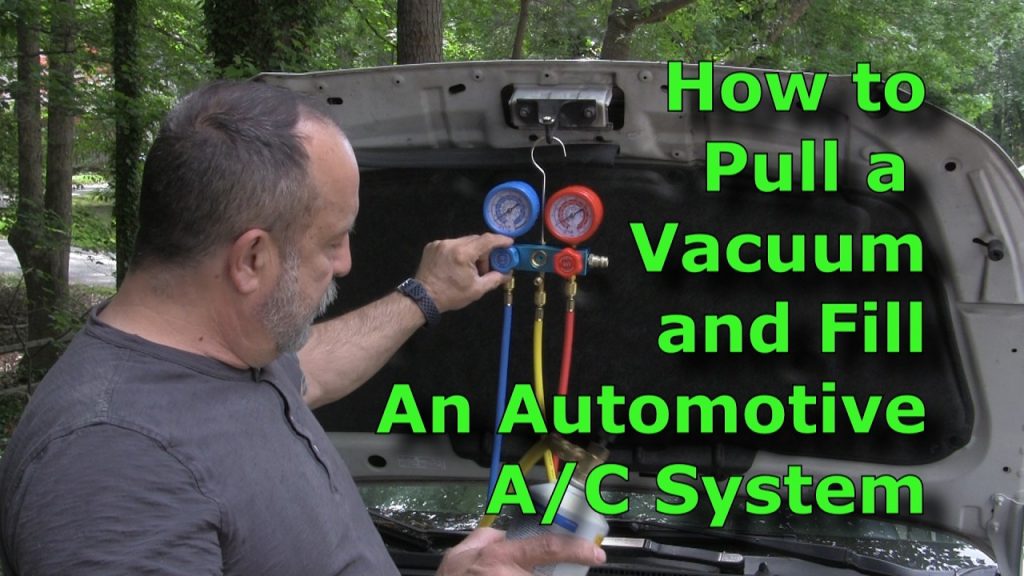
If your car’s air conditioner isn’t cooling like it used to, pulling a vacuum might be the fix you need. You might be wondering, “What does pulling a vacuum even mean, and why is it important for my car’s AC?” Don’t worry—this simple step helps remove moisture and air from your AC system, making it work better and last longer.
In this guide, you’ll learn exactly how to pull a vacuum on your car air conditioner safely and effectively. By the end, you’ll feel confident tackling this task yourself, saving time and money on repairs. Ready to get your AC blowing cold again?
Let’s dive in.
Tools And Materials Needed
Vacuum Pump Selection:Choose a vacuum pump with enough power for your car’s AC system. A 3 CFM (cubic feet per minute) pump works well for most vehicles. Check the pump’s oil level before use to ensure smooth operation.
Manifold Gauge Set:Use a manifold gauge set to monitor pressure during vacuuming. It connects to the AC system and vacuum pump. Make sure the gauges are clean and calibrated for accurate readings.
Safety Equipment:Wear safety glasses and gloves to protect yourself. AC systems contain refrigerants that can harm your skin and eyes. Work in a well-ventilated area to avoid inhaling harmful gases.
Additional Supplies:
- Refrigerant hoses compatible with your manifold gauges
- Leak detector to find any system leaks
- Rags or paper towels for cleanup
- Wrenches to tighten fittings

Credit: www.youtube.com
Preparing The Car Air Conditioner
Car air conditioners have two main service ports: the low-pressure and high-pressure ports. These ports are usually located on the larger and smaller diameter pipes near the compressor. Identifying these ports is key to connecting your vacuum pump correctly.
Before pulling a vacuum, it is important to remove old refrigerantsafely. Use a recovery machine to extract the refrigerant. This step protects the environment and prevents damage to the system.
Checking for leaksis essential. Use a leak detector or apply soapy water to joints and connections. Look for bubbles that indicate leaks. Fix leaks before vacuuming to ensure proper system performance.
Setting Up The Vacuum Pump
Connect the vacuum pump to the air conditioner’s service ports securely. Ensure all valves are closed before turning on the pump to start pulling a vacuum. Check for leaks by watching the gauge after the pump runs.
Connecting The Manifold Gauges
Attach the manifold gauges to the car’s low and high-pressure ports. Make sure the connections are tight and secure. This helps prevent air from entering the system. Check the gauge hoses for any cracks or leaks before starting.
Attaching The Vacuum Pump
Connect the vacuum pump hose to the center port of the manifold gauge set. Ensure the connection is firm. The pump removes air and moisture from the air conditioner system. Keep the pump on a flat surface to avoid spills or damage.
Ensuring Proper Seals
Check all connections for tight seals. Use wrenches to tighten any loose fittings gently. Do not overtighten to avoid damage. Proper sealing stops air from entering during the vacuum process. Run the pump and watch the gauges for pressure drop.

Credit: www.youtube.com
Pulling The Vacuum
Start the vacuum pump by connecting it to the car’s A/C service ports. Make sure all valves are closed before turning on the pump. The pump will begin removing air and moisture from the system.
Keep an eye on the vacuum gauge while the pump runs. The gauge shows how much air and moisture are left inside. A good vacuum level is below 500 microns.
Run the pump for at least 30 minutes to ensure the system is fully evacuated. Longer times may be needed if the system had a leak or was open for repairs. This removes all moisture that can damage the A/C system.
Releasing The Vacuum And Testing
Close the valves on the vacuum pump and manifold gauge set. This action traps the vacuum inside the system. Wait for a few minutes to see if the pressure rises. A rising pressure means there could be a leak.
Check the gauge for any pressure increase. The pressure should stay steady if the system is sealed well. If it drops or rises quickly, inspect all connections and seals carefully.
Prepare to add refrigerant once the vacuum holds steady. Make sure the system is clean and dry. Attach the refrigerant canister to the service port. Slowly open the valve to let refrigerant enter the system.
Safety Tips And Best Practices
Handling refrigerantsrequires care. Wear gloves and eye protection. Work in a well-ventilated area. Avoid inhaling fumes as they can be harmful. Use approved containers for storing refrigerants. Never release refrigerants into the air. Proper disposal keeps the environment safe.
Common mistakes can cause damage or injury. Avoid over-tightening connections to prevent leaks. Check hoses and gauges for cracks or wear before use. Never mix different refrigerants. Always double-check vacuum pump connections to ensure a tight seal.
Maintaining equipment is key for safe operation. Clean filters and replace them regularly. Inspect vacuum pumps for oil levels and leaks. Store tools in a dry, cool place to extend their life. Regular maintenance helps keep the system running smoothly.

Credit: www.youtube.com
Frequently Asked Questions
What Is The Purpose Of Pulling A Vacuum On Car A/c?
Pulling a vacuum removes air and moisture from the A/C system. This prevents corrosion and ensures proper refrigerant flow. It also helps in detecting leaks before charging the system.
How Long Should I Pull A Vacuum On My Car A/c?
Typically, you should pull a vacuum for at least 30 minutes. This time ensures all moisture and air are removed. Longer vacuum times may be needed for larger systems or after repairs.
Can I Pull A Vacuum Without Special Tools?
No, you need a vacuum pump and manifold gauge set. These tools create the vacuum and monitor system pressure. Attempting without proper tools can damage the A/C system.
When Should I Pull A Vacuum During A/c Service?
Always pull a vacuum after evacuating old refrigerant and before adding new refrigerant. This step is essential after repairs or component replacements to ensure system integrity.
Conclusion
Pulling a vacuum on a car air conditioner is crucial. It ensures efficient cooling. Follow simple steps to get it right. Gather necessary tools first. Then, remove moisture and air from the system. This prevents damage and improves performance. Regular checks keep the air conditioner running smoothly.
Don’t skip this essential maintenance task. Your car will thank you with better air quality. Save on costly repairs by doing it yourself. Enjoy cooler, fresher rides every time. Stay cool and confident on the road. Your car’s air conditioning will work efficiently.
Happy driving!