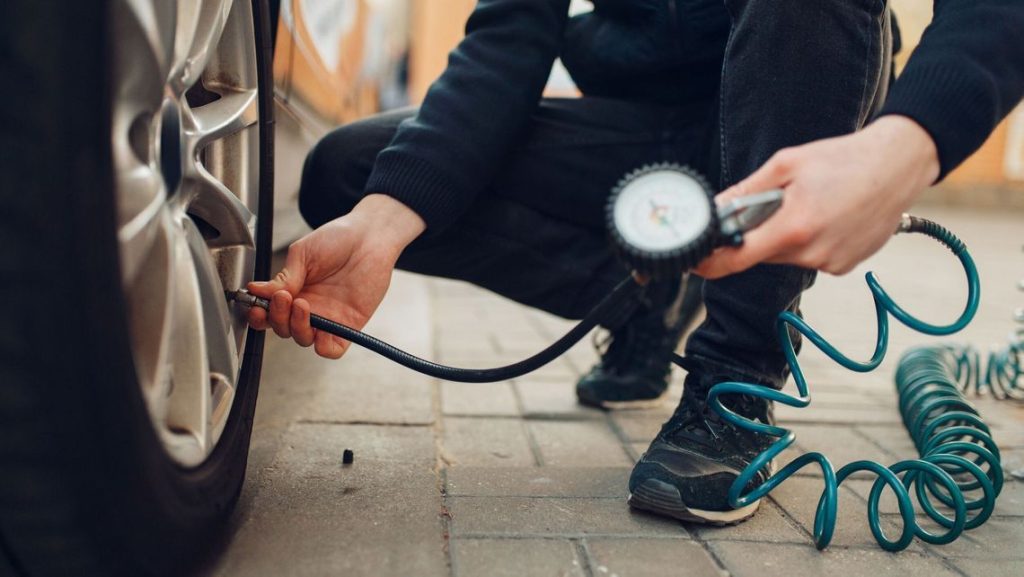
Have you ever pulled up to a gas station, ready to fill your car’s tires with air, only to feel unsure about what to do next? Knowing how to pump your car tire correctly is a simple skill that can save you time, money, and even keep you safe on the road.
In this guide, you’ll learn step-by-step how to use those air pumps like a pro—no confusion, no mistakes. By the end, you’ll feel confident handling your tire pressure anytime, anywhere. Keep reading to make sure your tires are always ready for the road ahead.
Choosing The Right Gas Station
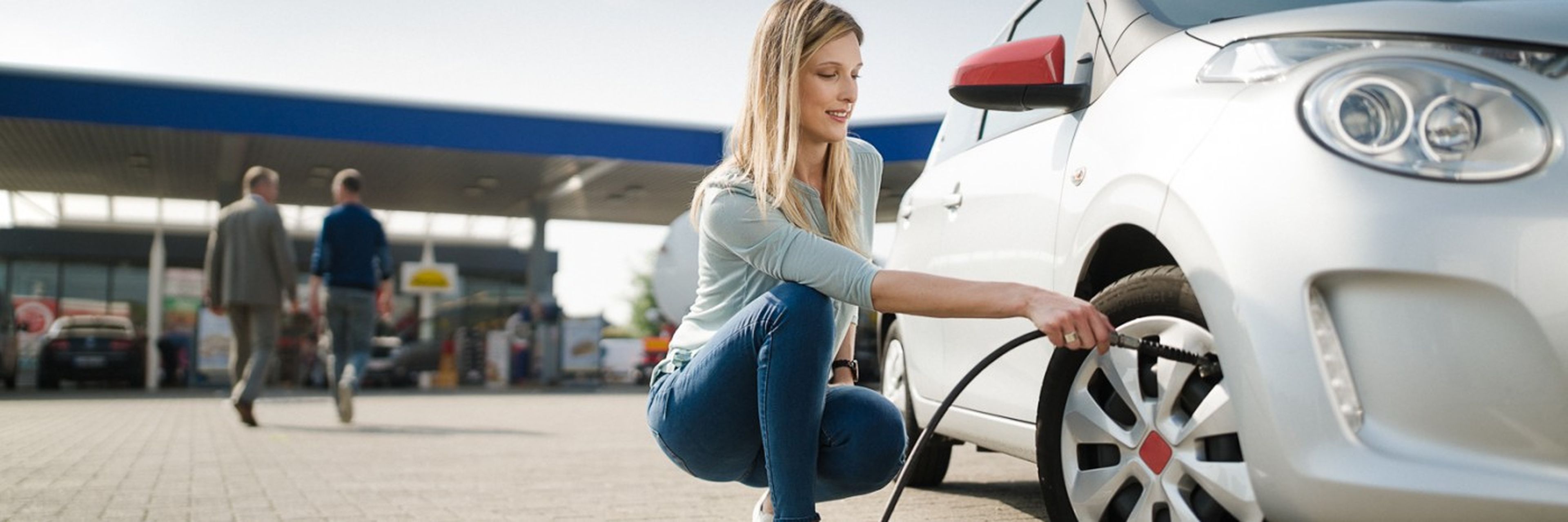
Finding the right gas station is important for pumping your car tire safely. It helps you save time and get the best service.
Not all gas stations have good air pumps or easy access. You should check some key points before stopping.
Location And Convenience
Choose a gas station near your route or home. It saves time and makes it easier to stop.
Look for a station with enough space to park your car safely. It should be easy to reach the air pump area without blocking traffic.
- Near your daily route or home
- Easy to enter and exit
- Safe parking space
- Well-lit area for night use
Availability Of Air Pump
Check if the gas station has an air pump. Some stations do not provide this service.
Make sure the air pump is working well and easy to use. Some pumps require coins or cards, so know the payment method.
- Confirm presence of air pump
- Check if the pump is functional
- Know payment type: free, coin, or card
- Look for clear instructions on the pump

Credit: www.carhub.ca
Pre-check Before Pumping
Before pumping air into your car tire at a gas station, it is important to perform a quick pre-check. This helps ensure safety and proper tire inflation.
Two main things to check are the condition of the tire and the recommended air pressure. These checks save time and prevent damage.
Inspect Tire Condition
Look closely at your tire before pumping air. Check for cracks, cuts, or objects stuck in the tire. Also, inspect the tread depth to ensure it is safe to drive.
- Check for visible damage like cuts or bulges
- Look for nails or sharp objects stuck in the tire
- Examine tread depth for wear and tear
- Make sure the tire is not flat or severely underinflated
Know The Recommended Pressure
Find the correct tire pressure for your car before pumping air. This information is usually inside the driver’s door frame or in the owner’s manual.
| Location | Details |
|---|---|
| Driver’s Side Door Frame | Sticker with recommended tire pressure in PSI |
| Owner’s Manual | Detailed tire pressure information for all tires |
| Fuel Door | Sometimes listed on inside of fuel door |
Using The Air Pump
Pumping a car tire at a gas station is simple and quick. You only need to know how to use the air pump properly.
This guide helps you position your car and prepare the air hose for safe tire inflation.
Positioning The Car
Park your car close to the air pump to reach the tire easily. Make sure the tire valve is near the pump hose.
- Pull your car next to the air pump station.
- Turn off the engine for safety.
- Set the parking brake to keep the car still.
- Check that the tire valve is facing the pump.
Preparing The Air Hose
Before pumping, get the air hose ready. This ensures you can inflate the tire without trouble.
| Action | Details |
|---|---|
| Remove Valve Cap | Unscrew the cap from the tire’s valve stem. |
| Check Hose | Inspect the air hose for damage or dirt. |
| Attach Hose | Press the hose nozzle firmly onto the valve stem. |
| Lock Nozzle | Use the lever or clip to secure the hose on the valve. |
| Set Pressure | Adjust the pump to the recommended tire pressure. |
Inflating The Tire
Inflating your car tire at a gas station is simple and important for safety. Proper tire pressure helps your car run smoothly and saves fuel.
Follow these steps carefully to add air to your tire correctly. Use the air pump available at most gas stations.
Attaching The Hose To The Valve
First, find the valve stem on your tire. It looks like a small metal or rubber tube sticking out. Remove the valve cap and keep it safe.
Next, take the air hose from the pump. Press the hose nozzle firmly onto the valve stem. You may hear a slight hiss of air as you connect it.
- Hold the hose nozzle tightly to prevent air leaks
- Make sure the connection is secure before inflating
- If the nozzle has a lever, push it down to lock in place
Adjusting The Pressure
Check the recommended tire pressure for your car. You can find this on the driver’s door frame or in your owner’s manual.
| Car Type | Recommended Pressure (psi) |
|---|---|
| Small Cars | 30–35 |
| SUVs | 35–40 |
| Trucks | 40–45 |
Use the pump’s gauge to watch the pressure level. Add air slowly and stop when you reach the correct pressure.
After inflating, remove the hose carefully. Replace the valve cap tightly to keep dirt out.
Post-inflation Steps
After pumping your car tires at the gas station, some important steps ensure safety and performance. Properly checking the tire pressure and securing the valve cap are key tasks.
Following these steps helps keep your tires in good condition and prevents air leaks.
Checking Tire Pressure
Use a tire pressure gauge to check each tire. Compare the reading with the recommended pressure in your car manual or on the driver’s door frame.
- Remove the valve stem cap from the tire.
- Press the gauge onto the valve stem firmly.
- Read the pressure level from the gauge display.
- Add or release air to reach the correct pressure.
- Repeat for all tires, including the spare if available.
Securing The Valve Cap
After checking and adjusting the pressure, always replace the valve cap. This prevents dirt and moisture from entering the valve.
| Reason | Importance |
|---|---|
| Protects valve from dust | Prevents clogging |
| Stops moisture entry | Reduces corrosion risk |
| Keeps air inside tire | Maintains correct pressure |

Credit: www.reddit.com
Safety Tips
Checking and pumping your car tire at a gas station is simple. Safety is very important during this task.
Use safe practices to avoid accidents and keep your car tires in good shape.
Avoiding Over-inflation
Do not pump your tire too much. Over-inflation can cause tire damage or bursting.
Check the recommended tire pressure on your car’s door or manual before pumping.
- Use the pressure gauge on the pump to check pressure often.
- Stop pumping once the recommended pressure is reached.
- If unsure, ask for help from the gas station staff.
Regular Tire Maintenance
Keep your tires in good condition with regular checks. This helps prevent accidents.
Inspect tires for cuts, cracks, or worn tread before pumping air.
- Check tire pressure monthly, even when tires feel fine.
- Rotate tires every 5,000 to 7,000 miles for even wear.
- Replace tires if tread is too low or tires are damaged.
Credit: www.q8.be
Frequently Asked Questions
How Do I Use A Gas Station Tire Pump?
First, remove the valve cap from your tire. Attach the pump nozzle firmly to the valve stem. Press the lever to start inflating. Monitor the pressure gauge and stop at the recommended PSI. Replace the valve cap when finished.
What Is The Ideal Tire Pressure For My Car?
Check your car’s manual or the sticker inside the driver’s door. Ideal tire pressure usually ranges from 30 to 35 PSI. Maintaining correct pressure improves safety, fuel efficiency, and tire life.
Can I Pump My Tire If It’s Flat?
Yes, you can pump a flat tire, but it may take longer. Inflate to the recommended pressure. If the tire doesn’t hold air, check for punctures or leaks before driving.
How Much Does It Cost To Pump Tires At Gas Stations?
Many gas stations offer free tire inflation. Some may charge between $0. 50 to $2. 00. Always check the payment method before using the air pump.
Conclusion
Pumping your car tire at a gas station is simple and quick. Always check the tire pressure before you start. Use the gauge to fill the tire to the right level. Avoid overfilling to keep the tire safe. Regular tire checks help your car run better and last longer.
A little care goes a long way in driving safely. Next time you stop at a gas station, try pumping your tire yourself. It saves time and keeps your car ready for the road. Easy steps make a big difference.