
If you love fishing, knowing how to put a fishing line on a reel is a skill you can’t afford to miss. Whether you’re a beginner or just need a quick refresher, this simple step can make a huge difference in your fishing experience.
Imagine spending hours on the water without worrying about tangled lines or lost catches. In this guide, you’ll discover easy, clear steps that anyone can follow. By the end, you’ll feel confident and ready to cast your line like a pro.
Ready to get started? Let’s dive in!

Credit: www.youtube.com
Choosing The Right Fishing Line
Selecting the right fishing line is important for a good fishing experience. The line must match the type of fish and the reel.
This guide explains types of fishing lines, line strength and thickness, and tips for picking a line for your reel.
Types Of Fishing Lines
There are three main types of fishing lines: monofilament, fluorocarbon, and braided. Each has unique features.
- Monofilament:Made of a single nylon strand. It is flexible and easy to handle.
- Fluorocarbon:Nearly invisible underwater. It sinks faster and resists abrasion well.
- Braided:Made of woven fibers. It is very strong and has little stretch.
Line Strength And Thickness
Line strength is measured in pounds and shows how much weight the line can hold. Thickness affects casting and fish detection.
| Line Type | Strength Range (lbs) | Thickness (mm) |
| Monofilament | 2 – 30 | 0.10 – 0.40 |
| Fluorocarbon | 4 – 25 | 0.09 – 0.35 |
| Braided | 10 – 65 | 0.08 – 0.50 |
Selecting Line For Your Reel
Choose a line that fits the reel’s capacity and your fishing needs. Check the reel’s label for recommended line strength and length.
- Match the line type to your fishing style.
- Pick strength that can handle the fish you want to catch.
- Use thinner lines for longer casts and better sensitivity.
- Make sure the line fits the reel spool without overfilling.
Preparing Your Reel
Putting a fishing line on a reel starts with preparing the reel correctly. This helps the line go on smoothly.
Clean and organize the reel before adding the line. This keeps your fishing gear working well.
Cleaning The Reel
Remove dirt and old line from the reel. Use a soft cloth or brush to clean all parts.
Cleaning helps the reel work better and last longer. Check for rust or damage too.
Opening The Spool
Unlock the spool so you can add the new line. Most reels have a button or knob for this.
Carefully remove the spool to avoid dropping or damaging it. Keep it steady while working.
Securing The Reel
Attach the reel firmly to your fishing rod. Tighten the reel seat so it does not move.
Check that the reel is stable before adding the line. A loose reel can cause problems while fishing.
Attaching The Line To The Spool
Putting fishing line on a reel starts with attaching the line to the spool. This step is important for smooth casting and reeling. A strong connection keeps the line from slipping off.
Use a simple knot to secure the line tightly. Taking time here saves frustration later while fishing.
Tying The Arbor Knot
The arbor knot is a common way to tie fishing line to the spool. It holds the line firmly and is easy to tie. Start by wrapping the line around the spool’s center.
Then, tie a simple overhand knot around the main line. Pull the tag end through the loop. Tighten the knot close to the spool surface.
- Wrap line around spool
- Tie overhand knot around main line
- Pass tag end through loop
- Pull knot tight near spool
Ensuring A Tight Knot
A loose knot can cause the line to slip when you cast. After tying, pull the main line and tag end firmly. Check that the knot sits snug against the spool.
If the knot moves or feels loose, retie it. A secure knot helps the line wind evenly on the reel and prevents tangles.
- Pull main line and tag end firmly
- Make sure knot is tight on spool
- Retie if knot slips or moves
- Keep knot snug for smooth winding
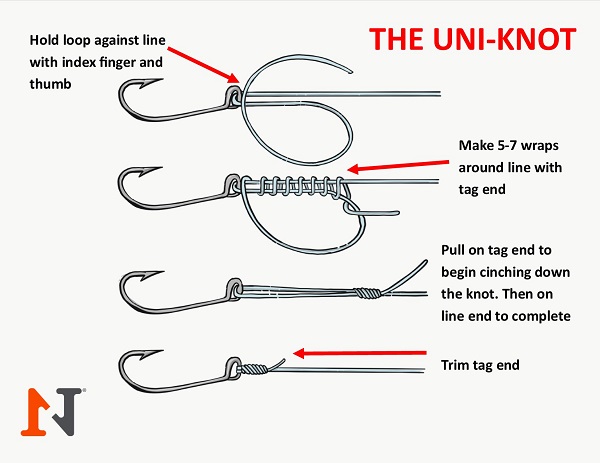
Credit: n1outdoors.com
Spooling The Line
Putting a fishing line on a reel is called spooling. It helps your reel work well and avoid problems.
Spooling the line right makes fishing easier and stops line damage.
Maintaining Line Tension
Keep the fishing line tight while spooling. This stops loose loops and tangles on the reel.
You can hold the line between your fingers or use a cloth to keep steady pressure.
- Hold the line firmly but do not pull too hard
- Ask someone to help by holding the spool
- Keep a steady speed when winding the line
Winding The Line Evenly
Wind the line evenly across the reel spool. This helps the line come off smoothly when casting.
Move the line side to side while winding to cover the spool evenly.
- Start slowly to place the line correctly
- Guide the line with your fingers to spread it
- Check often to avoid piling in one spot
Avoiding Line Twists
Line twists cause tangles and knots. Prevent twists while spooling for smooth fishing.
Make sure the line comes off the spool the same way it goes onto your reel spool.
- Let the spool spin freely or have someone hold it
- Keep the line straight as it goes on the reel
- Check for twists by letting the line hang freely
Finishing Touches
After attaching the fishing line to the reel, some final steps ensure your setup works well. These finishing touches help prevent line problems while fishing.
Check each part carefully to avoid future issues and to get the best fishing experience.
Cutting The Line
Trim the fishing line close to the knot on the reel. Leave a small tail to stop the knot from slipping. Use sharp scissors or line cutters for a clean cut.
- Hold the line steady near the knot.
- Cut the line about ¼ inch from the knot.
- Check the knot for tightness after cutting.
Threading The Line Through Guides
Pass the line through each guide on the fishing rod. Start from the bottom near the reel and go to the top guide. This keeps the line aligned for smooth casting.
| Guide Position | Line Direction | Tip |
|---|---|---|
| First guide (closest to reel) | Thread line through the inside | Make sure line is not twisted |
| Middle guides | Pass line straight through center | Keep tension on the line |
| Top guide (tip) | Final threading point | Check for smooth line flow |
Testing The Setup
Test the reel and line before fishing. Pull the line to ensure the knot holds and the reel spins smoothly. Fix any slack or snags found during testing.
- Pull line gently to check knot security.
- Turn the reel handle to test smoothness.
- Look for any twists or tangles in the line.
- Tighten drag system as needed.
Common Mistakes To Avoid
Putting fishing line on a reel looks easy but can be tricky. Avoiding common mistakes helps your line work better and last longer.
Many anglers face problems because of small errors. Knowing what to avoid saves time and frustration on the water.
Overfilling The Spool
Overfilling your reel spool causes tangles and knots. It also makes casting harder and can damage the line.
Leave some space on the spool. Filling it to about 80% is best for smooth casting and less line twist.
- Too much line causes bird nests when casting
- Spooling tightly helps prevent line slipping
- Check the spool size and fill accordingly
Using Incorrect Knots
Wrong knots can slip or break easily. This causes losing fish or tangled line on your reel.
Use strong, tested knots like the Arbor knot to attach line to the spool. Practice tying knots neatly.
- Weak knots can come undone under tension
- Knots should be tight and trimmed close
- Test your knots before fishing
Ignoring Line Tension
Not keeping line tension when spooling causes loose wraps. This leads to tangles and line damage.
Keep steady tension on the line while winding it onto the reel. This keeps line smooth and tight.
- Loose line slips off the spool easily
- Tight winding prevents line gaps and snarls
- Use fingers or a cloth to hold tension

Credit: windrider.com
Frequently Asked Questions
How Do I Attach Fishing Line To A Reel Spool?
Start by threading the line through the reel’s guides. Tie a secure knot around the spool. Tighten it firmly to avoid slipping. Begin winding the line evenly onto the spool, maintaining tension for a smooth, tangle-free setup.
What Type Of Fishing Line Is Best For Reels?
Monofilament lines are versatile and easy to handle, ideal for beginners. Fluorocarbon lines are less visible underwater, perfect for clear water. Braided lines offer superior strength and sensitivity, best for heavy cover and deep water fishing.
How Much Fishing Line Should I Put On My Reel?
Fill the spool up to 1/8 inch below the spool’s rim. This prevents overfilling and reduces line tangles. Check your reel’s specifications for exact capacity. Proper line amount ensures better casting performance and fewer snags.
Can I Use Any Fishing Line With My Reel?
Not all lines suit every reel type. Match line strength to your reel’s capacity and fishing style. Spinning reels work best with lighter lines, while baitcasting reels handle heavier lines. Always check manufacturer recommendations for optimal performance.
Conclusion
Putting a fishing line on a reel is easier than it seems. Take your time and follow each step carefully. Make sure the line is tight and even on the spool. Check for knots and twists before you start fishing.
Practice this skill to feel more confident next time. Enjoy your fishing trip with a well-prepared reel. Simple steps lead to a better fishing experience. You are ready to catch some fish!