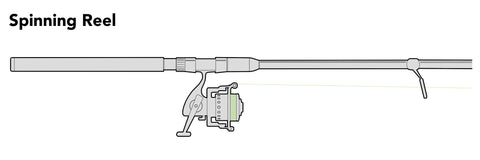
Are you ready to get your fishing rod ready for your next big catch? Knowing how to put a line on your fishing rod is one of the most important skills every angler needs.
Whether you’re a beginner or just need a quick refresher, this simple step can make all the difference between a smooth fishing experience and a frustrating day by the water. In this guide, you’ll learn easy, clear steps to set up your fishing line correctly—so you can focus on what really matters: catching fish.
Keep reading, and you’ll be ready to cast like a pro in no time!
Choosing The Right Fishing Line
Choosing the right fishing line is important for a good fishing experience. The line connects your rod and reel to the fish. It must be strong and suitable for the type of fishing you do.
There are different types and strengths of fishing lines. You should pick one that fits your rod and reel. This guide will help you learn about the main options.
Types Of Fishing Lines
Fishing lines come in several types. Each type has its own benefits and uses. Choose the type that matches your fishing style and water conditions.
- Monofilament:A single strand of nylon, flexible and easy to use.
- Fluorocarbon:Less visible in water and more resistant to abrasion.
- Braid:Made from woven fibers, very strong and thin.
Line Strength And Diameter
The strength of a fishing line is called its pound test. It shows how much weight the line can hold before breaking. The diameter affects how the line moves through water and guides.
| Line Type | Common Strength (lb) | Diameter (inches) |
|---|---|---|
| Monofilament | 6-20 | 0.008-0.020 |
| Fluorocarbon | 8-25 | 0.007-0.018 |
| Braid | 10-50 | 0.005-0.015 |
Matching Line To Rod And Reel
Match your fishing line to your rod and reel for the best performance. Use the rod’s recommended line strength. The reel should hold enough line for your fishing needs.
- Check the rod’s label for line strength limits.
- Choose a reel that fits the line type and strength.
- Consider the fish size and water type you will fish in.
- Pick a line with the right diameter for smooth casting.

Credit: www.youtube.com
Preparing Your Fishing Rod
Before putting a line on your fishing rod, prepare it carefully. This helps avoid problems while fishing.
Check the rod and reel to make sure everything works well. Clean and inspect all parts.
Cleaning The Rod Guides
Rod guides help the fishing line move smoothly. Dirt or debris can cause damage or tangles.
- Use a soft cloth or brush to clean each guide.
- Check for cracks or bends in the guides.
- Remove any old line or fishing debris stuck inside.
- Use mild soapy water if needed, then dry thoroughly.
Checking The Reel And Spool
The reel and spool hold your fishing line. Check them to avoid issues during casting.
| Part | What to Check | Action |
| Reel Handle | Turns smoothly | Oil if stiff |
| Spool | Free of dirt and damage | Clean and replace if cracked |
| Drag System | Works smoothly | Adjust and test |
| Line Roller | Rolls without sticking | Clean and lubricate |
Attaching The Line To The Reel
Attaching the fishing line to the reel is the first step in putting a line on your fishing rod. Doing this correctly helps avoid tangles and line slippage.
We will look at how to spool the line correctly and the common knots used to secure the line to the reel.
Spooling The Line Correctly
Start by threading the line through the rod guides from the tip to the reel. Then attach the line to the reel spool before winding it.
- Open the bail arm on the spinning reel.
- Tie the line to the spool using an arbor knot.
- Close the bail arm.
- Hold the line tight and begin to turn the reel handle slowly.
- Keep slight tension on the line to avoid loose coils.
- Fill the spool until it is about 1/8 inch from full.
Common Knots For Securing Line
Using the right knot ensures the line stays firmly attached to the reel spool. Some knots are better for this task because they hold tight and are easy to tie.
| Knot Name | Description | Best Use |
| Arbor Knot | Simple knot that secures line to reel spool. | Attaching line to spool |
| Improved Clinch Knot | Strong knot for tying hooks and lures. | Securing terminal tackle |
| Palisade Knot | Easy to tie and holds well under pressure. | Attaching line to reel spool |

Credit: n1outdoors.com
Winding The Line Onto The Reel
Putting line on a fishing rod is an important step. Winding the line onto the reel must be done carefully.
Proper winding helps the line stay strong and ready for fishing. It also prevents problems like tangles and twists.
Maintaining Tension
Keep the line tight while winding it on the reel. This stops the line from loosening or looping.
You can hold the line between your fingers to keep pressure. This helps the line lay evenly on the spool.
- Start by threading the line through the rod guides
- Hold the line firmly but do not pull too hard
- Turn the reel slowly to wind the line evenly
- Keep checking the line tension as you wind
Avoiding Line Twist
Line twist causes knots and weak spots. Avoid twist by letting the line uncoil naturally from the spool.
Use a swivel if needed to stop the line from spinning. Make sure the spool sits correctly on the reel.
- Check that the line spool spins the same way as the reel
- Use a swivel to prevent twists during casting
- Keep the line straight and avoid letting it loop
- Rewind line if you notice any twists forming
Finishing The Setup
After attaching the fishing line to your rod, the final steps ensure it works well. These steps help you prepare the line for smooth fishing.
Focus on trimming the extra line and testing the setup for easy casting. Both are important for a good fishing experience.
Trimming Excess Line
Cut off the extra fishing line that extends beyond the knot. Leaving too much line can cause tangles or snagging.
- Use sharp scissors or a line cutter for a clean cut.
- Leave about 1/8 inch of line after the knot to avoid slipping.
- Check the knot to make sure it is tight before trimming.
- Trim carefully to keep the line neat and ready for fishing.
Testing The Line For Smooth Casting
Testing helps you find any problems with the line before fishing. Smooth casting is key to catching fish easily.
| Test | What to Check | Fix If Needed |
| Pull Line | Line moves smoothly without sticking | Adjust reel tension or lubricate guides |
| Cast Short | Line flows out evenly and straight | Check line alignment on rod guides |
| Cast Long | Line does not tangle or knot in air | Re-spool line or reduce casting force |
| Reel In | Line winds smoothly without slipping | Tighten drag or fix reel mechanism |
Tips For Perfect Casting
Putting a line on your fishing rod correctly helps you cast smoothly. Good casting lets your bait reach the right spot. This guide covers key tips to improve your casting skills.
Follow the instructions to adjust your drag settings and take care of your fishing line. These tips keep your gear working well for better fishing results.
Adjusting Drag Settings
Drag controls how much resistance a fish feels when it pulls the line. Set the drag to avoid breaking the line but still tire the fish out. Adjusting drag depends on the fish size and your line strength.
- Start by tightening the drag knob all the way.
- Slowly loosen it until the line pulls out smoothly.
- Test by pulling the line with your hand to feel the resistance.
- Fine-tune the drag during fishing as needed.
Line Maintenance And Storage
Proper care of your fishing line keeps it strong and ready for use. Store it away from sunlight and dirt to prevent damage. Clean your line regularly to remove salt and debris.
| Maintenance Task | How to Do It |
| Cleaning | Rinse with fresh water and dry before storing |
| Storage | Keep in a cool, dark place inside a sealed container |
| Inspection | Check for nicks or frays before each use |

Credit: www.youtube.com
Frequently Asked Questions
How Do You Start Threading A Fishing Line?
To start threading a fishing line, begin by opening the bail arm. Insert the line through the rod’s guides, starting from the closest to the reel. Ensure the line is taut and evenly wound on the spool to avoid tangles.
What Type Of Fishing Line Is Best?
The best fishing line depends on your needs. Monofilament is versatile and affordable. Braided lines offer strength and sensitivity. Fluorocarbon is nearly invisible underwater, ideal for clear waters. Choose based on your fishing environment and target species.
How Do You Tie A Fishing Knot?
To tie a fishing knot, use the improved clinch knot. Thread the line through the hook eye, wrap it around itself five times, then feed the end back through the loop near the eye and pull tight.
Why Is My Fishing Line Tangling?
Fishing line tangles often due to improper spooling or twisting. Ensure your line is evenly spooled and avoid overfilling the reel. Regularly check for twists and use swivels to reduce line twist.
Conclusion
Putting a line on your fishing rod is simple with practice. Follow the steps carefully and take your time. A well-spooled line helps you cast better and catch more fish. Check your knot tightness and make sure the line is smooth.
Keep your gear ready and enjoy your fishing trips. Practice often to build confidence and skill. Soon, you will feel comfortable preparing your rod anytime. Fishing becomes more fun when your line is set right. Try it today and see the difference yourself.