Putting fishing line on a baitcaster might seem tricky at first, but it’s easier than you think. If you’ve ever struggled with tangled lines or poor casting, this guide is for you.
By following simple steps, you’ll get your baitcaster ready quickly and smoothly. Imagine casting with confidence, knowing your line won’t snap or tangle. Keep reading to learn how to master this essential skill and improve your fishing experience every time you hit the water.

Credit: www.youtube.com
Choosing The Right Line
Picking the right fishing line is important for baitcaster reels. The line affects casting, control, and catch success.
This guide helps you choose the best line for your baitcaster fishing setup.
Types Of Fishing Lines
There are three main types of fishing lines: monofilament, fluorocarbon, and braided. Each has strengths and weaknesses.
- Monofilament:Flexible and easy to handle. Good for beginners.
- Fluorocarbon:Hard to see underwater. Great for clear water fishing.
- Braided:Very strong and thin. It casts far but can be visible in water.
Selecting Line Strength
Line strength, or test, shows how much weight the line can hold. Choose strength based on the fish you want to catch.
| Fish Type | Recommended Line Strength (lbs) |
| Small fish (panfish, trout) | 4-8 |
| Medium fish (bass, walleye) | 8-14 |
| Large fish (pike, catfish) | 14-20+ |
Considerations For Baitcasters
Baitcasters need smooth lines that spool well. Line type and strength affect casting distance and control.
- Use braided line for long casts and heavy cover.
- Monofilament is good for beginners due to easy handling.
- Match line strength to reel capacity to avoid jams.
- Check line memory; less memory means fewer tangles.
Preparing Your Reel
Getting your baitcaster ready is important for a smooth fishing trip. Proper preparation helps avoid tangles and ensures easy casting.
Learn how to clean, check, and adjust your baitcaster for the best performance. Follow these steps to make sure your reel is ready to go.
Cleaning The Baitcaster
Cleaning your baitcaster keeps it in good condition. Dirt and debris can cause problems if not removed.
Use a soft cloth to wipe the exterior. Clean the spool and handle carefully to remove any dirt or grime.
Checking The Spool
Check the spool for any damage. A damaged spool can affect your casting distance and accuracy.
Make sure the line is wound evenly. Uneven line can cause tangles and knots while casting.
Adjusting The Tension
Adjusting the tension is key for smooth casting. Proper tension helps control the speed of the spool.
Turn the tension knob until the lure falls slowly. This will help prevent backlash and improve casting accuracy.
- Check tension regularly
- Adjust for different lure weights
- Ensure smooth spool rotation
Spooling The Line
Putting fishing line on a baitcaster reel is an important task. Spooling the line correctly helps you cast smoothly and avoid tangles.
Focus on attaching the line well, keeping tension steady, and winding the line evenly on the spool.
Attaching The Line To The Spool
Start by threading the line through the rod guides. Then tie it to the spool using a strong knot.
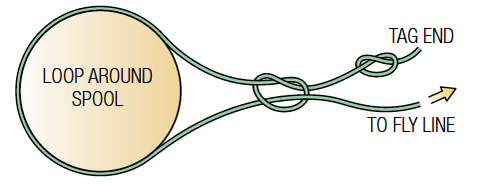
The Arbor knot works well because it holds tight and is easy to tie.
- Pass the line around the spool
- Tie the Arbor knot to secure it
- Pull the knot tight to prevent slipping
Maintaining Line Tension
Keep steady tension on the line while spooling. This stops loose loops and line twists.
You can pinch the line between your fingers or use a cloth to add friction.
- Hold the line tight but not too hard
- Keep consistent pressure during winding
- Check for slack often and adjust
Winding The Line Properly
Turn the reel handle smoothly to wind the line. Make sure the line lays evenly across the spool.
Fill the spool to about 1/8 inch from the edge to avoid overfilling.
- Rotate the handle slowly and steadily
- Guide the line with your finger to spread it
- Stop filling when the spool is nearly full
Final Adjustments
After spooling the fishing line onto your baitcaster, you need to make some final checks. These steps help ensure your setup works smoothly. Small adjustments improve your casting experience and prevent line problems.
Focus on trimming the extra line, testing the whole setup, and avoiding common mistakes. These tasks keep your fishing gear ready for action.
Trimming Excess Line
Cut off any extra fishing line from the spool. Leaving too much line can cause tangles and affect casting distance. Use sharp scissors or a line clipper for a clean cut. Leave about a quarter inch of line outside the reel to tie your lure or hook easily.
Testing The Line Setup
Check if the line feeds out smoothly without sticking or snapping. Hold the rod and cast a few times in an open area. Watch for any line twists or bird nests. Adjust the spool tension knob and brake system if needed. Proper tension helps control the line during casting and retrieving.
- Set spool tension so the lure drops slowly when released.
- Adjust the brake system to prevent backlash.
- Practice casting to feel the reel’s balance and control.
- Make small tweaks based on your casting results.
Common Mistakes To Avoid
| Mistake | Effect | How to Fix |
|---|---|---|
| Overfilling the spool | Causes line to tangle or bird nest | Leave 1/8 inch space from spool edge |
| Incorrect spool tension | Leads to backlash or poor casting | Adjust tension knob to control line flow |
| Ignoring brake settings | Can cause line overruns or casting errors | Set brakes according to lure weight |
| Using damaged line | Increases risk of line breakage | Replace line if frayed or old |
Tips For Better Casting
Putting fishing line on a baitcaster reel can improve your casting distance and accuracy.
Use the right techniques to avoid common issues like backlashes and line tangles.
Optimizing Line Management
Keep the line tight on the spool to reduce slack. This helps your casts fly straight and far.
- Fill the spool to about 1/8 inch from the edge
- Use the correct line weight for your reel
- Tie a strong knot to secure the line
- Check the line for any damage before spooling
Preventing Backlashes
Backlashes happen when the spool spins faster than the line is released. You can avoid this with good control.
| Cause | Prevention |
| Too much spool tension | Adjust the tension knob properly |
| Releasing the line too fast | Use thumb pressure on the spool |
| Wrong braking system setting | Set brakes according to lure weight |
Regular Maintenance
Keep your baitcaster clean and well-oiled. This helps it work smoothly for every cast.
Follow this simple routine:
- Rinse your reel with fresh water after use
- Dry it completely to avoid rust
- Apply reel oil to moving parts monthly
- Check line condition and replace if needed

Credit: www.youtube.com
Credit: monsterbass.com
Frequently Asked Questions
How Do I Spool Fishing Line On A Baitcaster?
Start by threading the line through the rod guides. Attach it to the spool with an arbor knot. Tighten the drag and slowly reel the line onto the spool evenly, keeping tension to avoid tangles or loose coils.
What Type Of Fishing Line Suits Baitcasters Best?
Monofilament and braided lines work well on baitcasters. Monofilament offers stretch and ease, while braided line provides strength and sensitivity. Choose based on your fishing needs and target species for optimal performance.
How Much Line Should I Put On A Baitcaster Spool?
Fill the spool until it’s about 1/8 inch below the rim. Overfilling causes backlash, while underfilling reduces casting distance. This level ensures smooth casting and prevents line tangles.
Why Is Line Tension Important When Spooling Baitcasters?
Maintaining tension prevents loose loops and tangles during casting. It ensures the line winds tightly and evenly on the spool, which improves casting distance and reduces backlash.
Conclusion
Putting fishing line on a baitcaster is simple with practice. Take your time and follow each step carefully. This helps prevent tangles and improves casting. Check your line often for wear or damage. A well-spooled baitcaster makes fishing more fun and effective.
Keep your gear clean and ready for your next trip. Practice makes perfect, so don’t get discouraged. Enjoy the process and happy fishing!