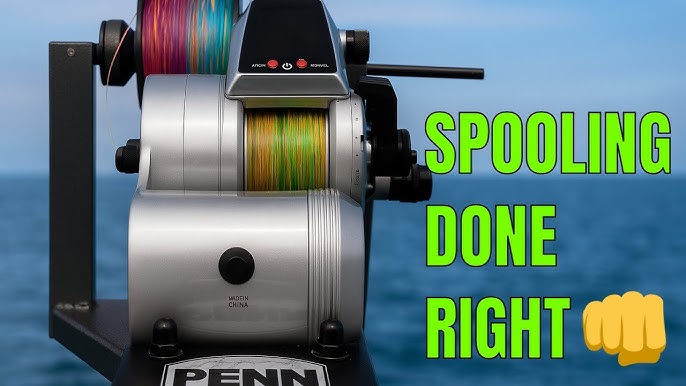
Are you tired of your fishing line slipping or tangling every time you cast? Learning how to put line on a fishing reel the right way can make a huge difference in your fishing experience.
Whether you’re a beginner or just need a quick refresher, this simple skill will save you time and frustration on the water. In this guide, you’ll discover easy steps to spool your reel smoothly and correctly. Get ready to improve your casts, catch more fish, and enjoy every moment by the water.
Keep reading, and let’s get your reel ready for action!
Choosing The Right Fishing Line
Choosing the right fishing line is important for a good fishing experience. It affects casting, hooking, and landing fish.
You need to know about different types of lines, their strength, and how they fit your reel and rod.
Types Of Fishing Lines
There are three main types of fishing lines: monofilament, fluorocarbon, and braided. Each has its own features and uses.
- Monofilament: Stretchy and easy to handle. Good for beginners and general fishing.
- Fluorocarbon: Nearly invisible underwater. Great for clear water and wary fish.
- Braided: Very strong and thin. It lasts long and works well for heavy cover fishing.
Line Strength And Diameter
Line strength shows how much weight the line can hold before breaking. Diameter is the thickness of the line.
| Line Type | Strength Range (lbs) | Diameter Range (inches) |
| Monofilament | 2 to 30 | 0.008 to 0.035 |
| Fluorocarbon | 4 to 40 | 0.009 to 0.040 |
| Braided | 10 to 80+ | 0.006 to 0.025 |
Matching Line To Reel And Rod
Choose a line that fits your reel’s capacity and rod’s strength. This keeps your gear balanced and working well.
- Check the reel spool size to see how much line it can hold.
- Match the line strength with the rod’s recommended test weight.
- Use thinner lines on light rods for better sensitivity.
- Use stronger lines on heavy rods for big fish or tough conditions.

Credit: www.youtube.com
Preparing The Reel
Putting line on a fishing reel needs careful preparation. A clean and ready reel helps the line spool smoothly.
Follow these steps to get your reel ready before spooling new line.
Cleaning The Reel
Clean the reel to remove dirt, salt, and old grease. Use a soft cloth and mild soap with water. Dry it well after cleaning.
Lubricate moving parts with reel oil to keep them smooth. This helps the reel work better and last longer.
Removing Old Line
Take off the old fishing line before putting on new line. Cut the line near the spool and pull it off carefully.
- Cut the old line close to the spool.
- Pull the line slowly until all is removed.
- Check the spool for any leftover pieces and clean them out.
Setting Up The Reel For Spooling
Attach the reel to your fishing rod. This makes spooling easier and more stable. Lock the reel in place tightly.
| Tip | Why It Helps |
|---|---|
| Tighten the drag | Stops the line from loosening while spooling |
| Keep tension on the line | Prevents tangles and loose wraps |
| Use a line conditioner | Makes the line smoother and easier to handle |
Attaching The Line To The Reel
Putting line on a fishing reel is easy with the right steps. Start by attaching the line securely to your reel.
This ensures you have a solid base for casting and reeling. Follow these steps to get started.
Securing The Line With A Knot
Tying the line to the reel is the first step. Use a knot that is strong and secure.
The Arbor knot is a popular choice. It holds well and is simple to tie.
- Wrap the line around the reel spool.
- Tie an overhand knot around the main line.
- Tie a second overhand knot in the tag end.
- Pull both knots tight against the reel.
Ensuring A Tight Connection
After tying the knot, ensure the line is tight. This prevents slippage during use.
Hold the line taut and begin winding it onto the spool. Keep tension for a smooth, tight wrap.

Credit: www.youtube.com
Spooling The Line Correctly
Putting line on a fishing reel is an important skill. Spooling the line correctly helps you catch fish and avoid problems.
If the line is not spooled well, it can cause tangles and reduce casting distance. Follow some simple tips to spool the line right.
Maintaining Proper Tension
Keep the line tight as you spool it onto the reel. Loose line can create loops and knots later.
You can hold the line between your fingers or use a cloth to apply gentle pressure. This keeps the line snug on the spool.
Avoiding Twists And Loops
Line twists happen when the line spins as it goes on the spool. It can cause loops and tangles when fishing.
To avoid twists, make sure the line comes off the filler spool in the same direction as the reel spool. Check the reel instructions for guidance.
Filling The Spool Evenly
Put the line evenly across the spool. Don’t put too much line in one spot or it will cause problems when casting.
Move the line back and forth by hand as you spool. Stop filling when the line is about 1/8 inch below the spool edge.
Final Checks And Maintenance Tips
After spooling your fishing reel with line, it is important to do final checks. These checks help avoid problems while fishing. Maintenance keeps your reel working well for a long time.
Follow some simple steps to trim, test, and care for your fishing line. This will improve your fishing experience and protect your gear.
Trimming Excess Line
Cut off any extra line beyond the reel spool. Leaving too much line can cause tangles and reduce casting distance. Use sharp scissors or line cutters to make a clean cut. Leave a small amount of line to tie your lure or hook easily.
Testing The Line For Smooth Operation
Test the line by turning the reel handle slowly. The line should come off the spool smoothly without jumping or sticking. Check for any unusual noises or resistance. If you find issues, rewind the line carefully or adjust the reel tension.
- Turn the reel handle slowly and watch the line movement.
- Listen for any grinding or unusual sounds.
- Feel for smooth rotation without jerks.
- Adjust drag or spool tension if needed.
Regular Line Care
| Care Tip | Why It Matters | How to Do It |
|---|---|---|
| Rinse with Fresh Water | Removes salt and dirt | After fishing, rinse the line gently |
| Check for Damage | Prevents breaks and snags | Look for nicks or frays before use |
| Store Properly | Keeps line from aging | Keep reel in a cool, dry place |
| Replace Old Line | Maintains strength and performance | Change line yearly or after heavy use |
Credit: letsgobassfishing.com
Frequently Asked Questions
How Do I Start Putting Line On A Fishing Reel?
Begin by threading the line through the rod guides. Tie it securely to the reel spool with an arbor knot. Wind the line evenly onto the spool, maintaining tension to avoid tangles or loose loops.
What Type Of Fishing Line Suits Spinning Reels?
Monofilament or braided lines work best on spinning reels. Monofilament offers stretch and ease, while braided line provides strength and sensitivity. Choose based on fishing conditions and target species.
How Much Fishing Line Should I Spool On A Reel?
Fill the spool up to about 1/8 inch below the spool’s edge. This prevents overfilling, which can cause line tangles and casting issues. Adjust amount based on fishing style and line thickness.
How Do I Avoid Line Tangles While Spooling A Reel?
Keep tension on the line while winding it onto the spool. Avoid loose loops by winding evenly and smoothly. Using a line conditioner or having a partner hold the line spool helps reduce twists and tangles.
Conclusion
Putting line on a fishing reel is simple with practice. Follow the steps carefully and take your time. A well-spooled reel helps your fishing go smoothly. Check the line for knots or twists often. Keep your reel clean to avoid problems later.
With patience, you will get better each time. Enjoy your fishing trips with confidence and ease. Remember, good preparation makes fishing more fun and successful.