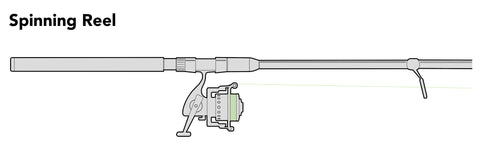
Are you struggling with how to put line on your fishing pole the right way? Getting this step right is key to having a smooth and successful fishing experience.
If your line is tangled, too loose, or improperly wound, it can ruin your cast and cost you a great catch. But don’t worry—this guide will show you simple, clear steps to fix that. By the end, you’ll know exactly how to set up your fishing line so you can focus on what really matters: enjoying your time on the water and reeling in the big one.
Keep reading, and let’s make your fishing pole ready for action!

Credit: sportfishinghub.medium.com
Choosing The Right Fishing Line
Picking the right fishing line is key to a good fishing experience. It affects how you cast and catch fish.
Different lines work best for different fish and water conditions. Learn the basics to choose well.
Types Of Fishing Lines
Fishing lines come in many types. Each type has unique features and uses.
- Monofilament:Good stretch, easy to handle, and affordable.
- Fluorocarbon:Nearly invisible underwater and resistant to abrasion.
- Braid:Very strong and thin, with little stretch.
Line Strength And Thickness
Strength is measured in pounds and shows how much weight the line can hold.
| Strength (lb) | Thickness (mm) | Use |
| 2-6 | 0.10-0.20 | Small fish and light tackle |
| 8-12 | 0.20-0.30 | Medium fish and general use |
| 14-30 | 0.30-0.50 | Large fish and heavy cover |
Matching Line To Fishing Conditions
Choose line based on water type, fish size, and fishing style.
- Use clear lines like fluorocarbon in clear water.
- Use stronger braid in thick weeds or heavy cover.
- Match line strength to the fish you want to catch.
- Thin lines cast farther and are better for light lures.

Credit: www.youtube.com
Preparing The Fishing Pole
Before putting line on your fishing pole, you need to prepare it well. This helps the fishing line last longer and work better.
Preparing includes cleaning the reel, checking the guides, and setting up the reel properly. These steps keep your pole in good shape.
Cleaning The Reel
Clean the reel before adding new line. Dirt and salt can damage the reel over time. Use a soft cloth to wipe it down.
If the reel is very dirty, use a little water and mild soap. Dry it completely before you start putting the line on.
Inspecting The Guides
Look at the guides on your fishing pole. These are the small rings that the line runs through. Make sure they are not cracked or bent.
Damaged guides can cut the fishing line. Replace any broken guides before putting on new line to avoid problems later.
Setting Up The Reel
Attach the reel firmly to the fishing pole. Tighten the reel seat so it does not move. Check that the reel handle turns smoothly.
Adjust the drag system on the reel. Set it so the line can pull out when a fish is strong but will not break easily.
- Secure reel tightly to the pole
- Test handle for smooth turning
- Set drag to medium resistance
Attaching The Line To The Reel
Attaching the fishing line to the reel is a key step before you start fishing. It keeps the line secure and ready for casting.
Using the right knot and tying it properly ensures your line will not slip or break easily.
Selecting The Attachment Knot
Choose a knot that fits your reel type and fishing line. Some knots work better with braided lines, others with monofilament.
- Improved clinch knot
- Palomar knot
- Bunny ear knot
- Arbor knot
Tying The Line Securely
Follow these simple steps to tie the knot tightly and neatly to your reel spool.
- Thread the line through the reel’s spool eye.
- Wrap the line around itself to create loops.
- Pass the line end through the loops carefully.
- Moisten the knot to reduce friction.
- Pull both ends firmly to tighten the knot.
- Trim the excess line close to the knot.
Testing The Knot
| Test Method | Purpose |
|---|---|
| Pull Test | Apply steady pressure to check if knot slips |
| Visual Check | Look for loose loops or uneven tightening |
| Water Test | Wet the knot and retighten to ensure strength |
Always test your knot before casting. This prevents losing fish due to line failure.
Spooling The Line Properly
Putting the line on a fishing pole correctly is important for good fishing. Spooling the line right helps avoid problems on the water.
This guide explains how to spool your line with care. Follow these tips to keep your line strong and ready.
Maintaining Tension
Keep steady tension on the line while spooling. This stops the line from being loose or tangled. Use your fingers or a cloth to hold the line tight as you spool.
Too little tension causes slack, which leads to knots. Too much tension can stretch or break the line. Aim for firm but gentle pressure.
Avoiding Line Twists
Line twists cause problems when casting or reeling. To avoid twists, make sure the line comes off the filler spool in the same direction as your reel spins.
- Check the spool direction before starting.
- Keep the filler spool level and steady.
- Use a swivel if needed to prevent twisting.
- Let the line flow freely without catching.
Filling The Spool Correctly
Fill the spool up to about 1/8 inch from the edge. Too little line limits casting distance. Too much line may cause tangles or backlashes.
| Spool Filling Tips | Details |
| Fill Level | Leave 1/8 inch from spool edge |
| Line Type | Match line strength with reel size |
| Check Often | Stop and check line placement frequently |
| Even Layers | Distribute line evenly across spool |
Threading The Line Through Guides
Putting line on a fishing pole means threading it through the guides. Guides help the line flow smoothly while casting and reeling.
Careful threading keeps the line from tangling or breaking. This guide explains how to thread starting from the bottom guide and how to ensure smooth line flow.
Starting From The Bottom Guide
Begin threading at the bottom guide near the reel. This helps control the line and makes threading easier. Hold the line firmly and pass it through each guide moving toward the tip of the pole.
- Pull enough line from the spool to reach the top guide.
- Thread the line through the bottom guide closest to the reel.
- Continue threading through each guide up to the tip.
- Make sure the line sits inside each guide ring without twisting.
- Tighten the line on the reel once all guides are threaded.
Ensuring Smooth Line Flow
Check the line for smoothness to avoid snags and damage. Proper flow makes casting easier and protects the line from wear.
| Tip | Action |
| Line Position | Make sure line is centered in each guide |
| Guide Condition | Inspect guides for cracks or rough edges |
| Line Tension | Keep line taut but not too tight during threading |
| Reel Setup | Ensure reel spool is secure and spins freely |
Final Checks And Adjustments
After putting the line on your fishing pole, it is important to do some final checks. These steps help make sure everything works smoothly on your next fishing trip.
Check the line length, drag settings, and test how the pole casts. This will avoid problems while fishing and keep your gear ready.
Trimming Excess Line
Remove any extra fishing line that extends past the tip of your pole. Too much line can cause tangles or snagging when casting or reeling.
- Use sharp scissors or line clippers to cut cleanly.
- Leave about 1/8 inch (3 mm) of line beyond the tip-top guide.
- Check for any rough or frayed ends and trim them off.
Adjusting Drag Settings
The drag controls how much resistance a fish feels when pulling line from the reel. Proper drag settings help avoid line breakage and lost fish.
| Drag Setting | Purpose |
| Light Drag | For small fish or light line |
| Medium Drag | Good for general fishing |
| Heavy Drag | Used for large or strong fish |
Turn the drag knob on your reel to adjust. Test it by pulling line with your hand until you find the right tension.
Performing A Test Cast
Try casting your fishing pole in an open area to check the line flow and distance. This helps spot any issues with the line or reel.
- Hold the rod firmly and release the line smoothly.
- Watch the line as it leaves the reel and pole guides.
- Check for snags, twists, or uneven line release.
- Reel the line back slowly and feel for smooth drag.
- Make small drag or line adjustments if needed.

Credit: fishingbooker.com
Frequently Asked Questions
How Do I Choose The Right Fishing Line For My Pole?
Select a fishing line based on fish type, water conditions, and pole strength. Monofilament suits beginners. Braided lines offer durability, while fluorocarbon is nearly invisible underwater.
What Is The Best Way To Spool Line On A Fishing Reel?
Attach the line securely to the reel spool. Keep tension while winding evenly. Avoid overlaps and loose coils to prevent tangles during casting.
How Much Fishing Line Should I Put On My Pole?
Fill the spool about 1/8 inch below the reel’s edge. Overfilling causes tangles; underfilling reduces casting distance. Adjust based on fishing conditions and target species.
How Do I Prevent Line Twisting When Putting On A Fishing Pole?
Use swivel connectors to reduce twisting. Maintain consistent tension while spooling. Avoid letting the line twist freely during the process for smooth casting.
Conclusion
Mastering how to put line on a fishing pole is easy. Follow these steps, and soon you’ll be ready to fish. Always ensure your line is tight and secure. Practice makes perfect, so don’t rush. Check your knots; they are crucial for success.
With time, you’ll gain confidence in your skills. Fishing becomes more enjoyable with the right setup. Now, grab your pole and head to the water. Enjoy the peace and excitement fishing offers. Happy fishing!