If you love fishing, you know how important it is to have your reel ready to go. Putting new line on a fishing reel might seem tricky at first, but once you learn the right steps, it becomes quick and easy.
Imagine casting smoothly without worrying about tangled or weak lines. In this guide, you’ll discover simple tips that save you time and frustration. Keep reading, and you’ll be ready for your next fishing trip with confidence and the perfect setup.
Choosing The Right Fishing Line
Putting new line on a fishing reel starts with picking the best fishing line. The right line helps you catch fish and avoid problems.
Different fishing situations need different lines. Learn about types, strength, and materials to choose well.
Types Of Fishing Lines
There are three main types of fishing lines: monofilament, fluorocarbon, and braided. Each type works best in certain conditions.
- Monofilament:Easy to handle and stretch. Good for beginners.
- Fluorocarbon:Almost invisible underwater. Ideal for clear water.
- Braided:Very strong and thin. Great for heavy cover fishing.
Line Weight And Strength
Line weight shows how much force the line can handle before breaking. Choose weight based on fish size and fishing style.
Stronger lines handle big fish but may be harder to cast. Lighter lines cast easier but break faster.
| Line Weight (lbs) | Best For |
|---|---|
| 2-6 | Small fish like trout or panfish |
| 8-12 | Medium fish like bass or walleye |
| 15+ | Large fish like pike or catfish |
Line Material Considerations
Material affects line durability, stretch, and visibility. Pick a material that fits your fishing needs.
- Monofilament:Stretches well but wears out faster.
- Fluorocarbon:Resists water and sun damage. Sinks faster.
- Braided:No stretch and very strong. Can be visible in water.
Preparing The Reel
Before putting new line on your fishing reel, you need to prepare it carefully. This ensures the reel works well and lasts longer.
Preparing the reel includes removing the old line, cleaning the spool, and inspecting the reel for damage. Each step is important.
Removing Old Line
Start by taking off the old fishing line from the spool. This clears space for the new line.
Cut the old line near the spool. Then, pull it off slowly until the spool is empty.
Cleaning The Spool
Cleaning the spool removes dirt and salt that can cause damage or poor performance.
- Use a soft cloth to wipe the spool surface.
- Apply mild soap with water if the spool is very dirty.
- Dry the spool completely with a clean towel.
- Check for any sticky spots or leftover debris.
Inspecting The Reel For Damage
Look closely at the reel parts to find cracks, rust, or broken pieces. Fixing these helps avoid problems later.
| Part | What to Check | Action |
| Spool | Cracks or dents | Replace if damaged |
| Handle | Loose or stiff movement | Tighten or lubricate |
| Bail Arm | Spring tension | Adjust or replace spring |
| Drag System | Smooth operation | Clean or repair if rough |
Attaching The New Line
Attaching new line to a fishing reel is important for smooth fishing. The line must be fixed tightly to avoid slipping.
This guide explains how to attach the new line properly on your reel spool.
Starting The Line On The Spool
First, thread the new line through the reel’s line guide. Pull about 6 inches of line past the spool.
Hold the line tightly against the spool with your fingers to keep it steady.
Securing The Line Knot
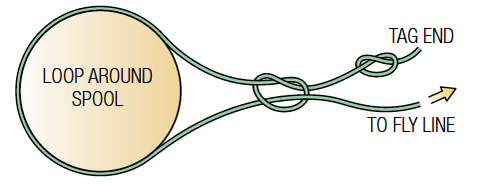
Use a strong knot to tie the line to the spool’s arbor. The Arbor knot is a popular choice.
- Wrap the line around the spool arbor.
- Tie an overhand knot around the standing line.
- Tie a second overhand knot at the tag end.
- Pull both knots tight against the spool.
- Trim the excess tag end close to the knot.
Ensuring Proper Tension
Keep firm tension on the line as you wind it onto the spool. This stops the line from tangling.
| Tip | Why It Matters |
|---|---|
| Maintain tight line hold | Prevents loose coils and tangles |
| Wind evenly | Distributes line for smooth casting |
| Avoid overfilling | Stops line from spilling off spool |

Credit: www.youtube.com
Spooling Techniques
Putting new line on a fishing reel needs care and the right technique. Spooling keeps the line tight and ready for fishing.
This guide covers the main spooling methods and tips to avoid common problems like tangles and twists.
Manual Vs. Powered Spooling
Manual spooling uses your hand to control the line tension. It works well for small reels and is easy to do anywhere.
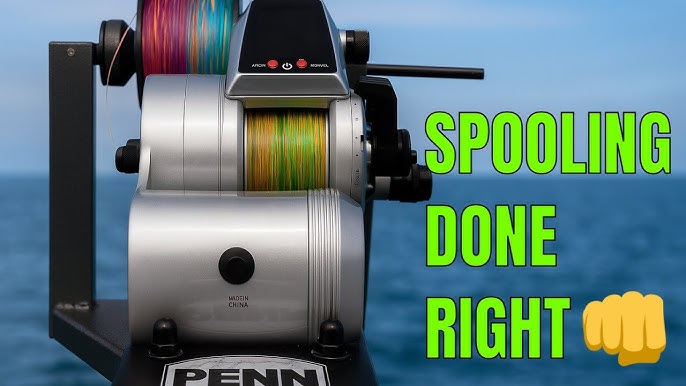
Powered spooling uses a machine to keep steady tension and speed. It is faster and good for large reels or heavy lines.
- Manual spooling is simple and needs no extra tools.
- Powered spooling gives more even line tension.
- Manual spooling risks uneven line if not careful.
- Powered spooling requires equipment and power source.
- Both methods need attention to avoid line damage.
Maintaining Even Line Distribution
Even line distribution keeps the spool balanced. It prevents line clumps and improves casting distance.
| Tip | How to Do It |
|---|---|
| Keep tension | Hold the line firmly as you spool it onto the reel. |
| Guide line | Use the reel’s line guide to spread line evenly. |
| Slow winding | Turn the handle slowly to lay the line tightly. |
| Check often | Stop and adjust the line if it piles up on one side. |
Avoiding Line Twist And Tangles
Line twist causes knots and weak spots. It happens if the line spins or loops during spooling.
To reduce twist and tangles, try these tips:
- Let the spool spin freely on the floor or a spool holder.
- Keep the line tight with your fingers during spooling.
- Do not overfill the reel spool.
- Pull line from the spool in the same direction as the reel spins.
- After spooling, run the line through your fingers to find twists.
Finishing Up
After putting new line on your fishing reel, you need to finish the job carefully. This part ensures your line stays secure and ready for fishing.
Follow the final steps to cut, test, and store your reel properly. These steps help keep your fishing gear in good shape.
Cutting And Securing The Line End
Trim the excess fishing line close to the knot. Leave a small tail to avoid slipping. Use sharp scissors for a clean cut.
- Cut about 1/8 inch of line beyond the knot
- Make sure the knot is tight and secure
- Check the line end for any frays or damage
- Use a lighter or line sealant to prevent fraying if needed
Testing The Line
Test the line to ensure it is firmly attached and will not slip. Pull the line gently but firmly by hand.
| Test Action | What to Look For |
| Pull line near the knot | No slippage or loosening |
| Spin reel handle slowly | Line moves smoothly without catching |
| Check line tension | Line feels tight and responsive |
Storing The Reel Properly
Store the reel in a dry and cool place. Avoid direct sunlight and moisture to protect the line and reel parts.
- Loosen the drag to reduce pressure on the line
- Keep the reel covered or in a protective case
- Check the reel regularly for dirt or damage
- Re-spool the line if it looks worn before the next use
Credit: monsterbass.com
Common Mistakes To Avoid
Putting new line on a fishing reel seems simple. Yet many anglers make mistakes that reduce performance. Avoiding these errors helps your line last longer and cast better.
Read about common errors and learn how to fix them. This guide covers overfilling, loose line attachment, and ignoring line memory.
Overfilling The Spool
Putting too much line on the spool causes problems. It can lead to tangles and line breakage during casting. Overfilled spools also make the reel work harder.
- Fill the spool to about 1/8 inch below the edge.
- Avoid topping off the line to the very rim.
- Check the reel’s instructions for recommended capacity.
- Use the right line weight for your reel size.
Loose Line Attachment
Attaching the line loosely to the spool causes slipping. This makes the line bunch up or come off unevenly. It also wastes line and causes frustration.
| Common Signs | Fix |
|---|---|
| Line slips during casting | Tie a secure knot like the arbor knot |
| Line bunches up on spool | Pull line tight when attaching |
| Line comes off spool unevenly | Check knot before loading line |
Ignoring Line Memory
Line memory causes the line to hold coils from the spool. This leads to tangles and poor casting distance. Ignoring this problem makes fishing less fun.
- Use fresh line without old coils.
- Stretch new line before spooling.
- Store line properly to avoid tight loops.
- Replace line regularly to reduce memory effects.

Credit: windrider.com
Frequently Asked Questions
How Do I Prepare My Fishing Reel For New Line?
Start by removing the old line from the reel. Clean the reel thoroughly using a soft cloth and a mild detergent. Ensure the reel is dry before installing the new line. This preparation ensures smooth and tangle-free fishing experiences.
What Type Of Line Should I Use?
Choose a line based on your fishing needs. Monofilament is versatile and affordable, while braided lines offer strength and sensitivity. Fluorocarbon is nearly invisible underwater. Consider water conditions and target species for the best choice.
How Much Line Should I Put On A Reel?
Fill the spool to about 1/8 inch from the rim. Overfilling can cause tangles, while underfilling reduces casting distance. Check the reel’s manual for specific capacity recommendations to ensure optimal performance.
Can I Put New Line On An Old Reel?
Yes, you can put new line on an old reel. Ensure the reel is in good condition and clean it thoroughly. Replacing the line regularly maintains performance and prevents fishing mishaps.
Conclusion
Putting new line on a fishing reel is simple and quick. Follow the steps carefully for best results. Make sure the line is tight and even on the spool. Check your reel before each fishing trip to avoid problems. Taking care of your reel helps your fishing last longer.
Practice a few times to get comfortable with the process. Soon, changing your fishing line will feel easy and natural. Keep your gear ready, and enjoy your time on the water.