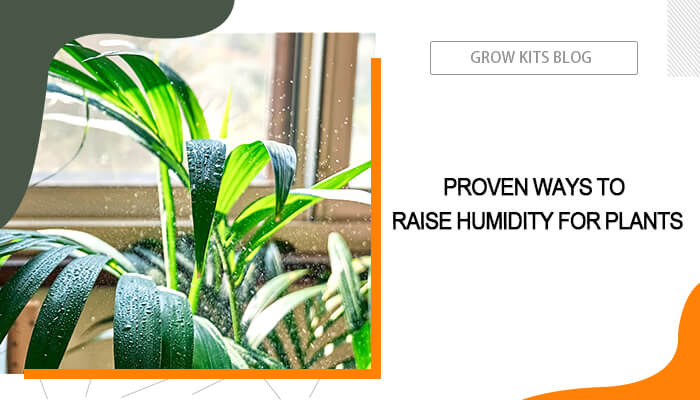
Are you struggling with dry air inside your grow tent? Low humidity can stunt your plants’ growth and reduce your harvest.
But don’t worry—you can fix this. You’ll discover simple, effective ways to raise humidity in your grow tent. Whether you’re growing herbs, veggies, or flowers, these tips will help your plants thrive. Keep reading to learn how to create the perfect environment your plants need to grow healthy and strong.
Credit: blimburnseeds.com
Causes Of Low Humidity In Grow Tents
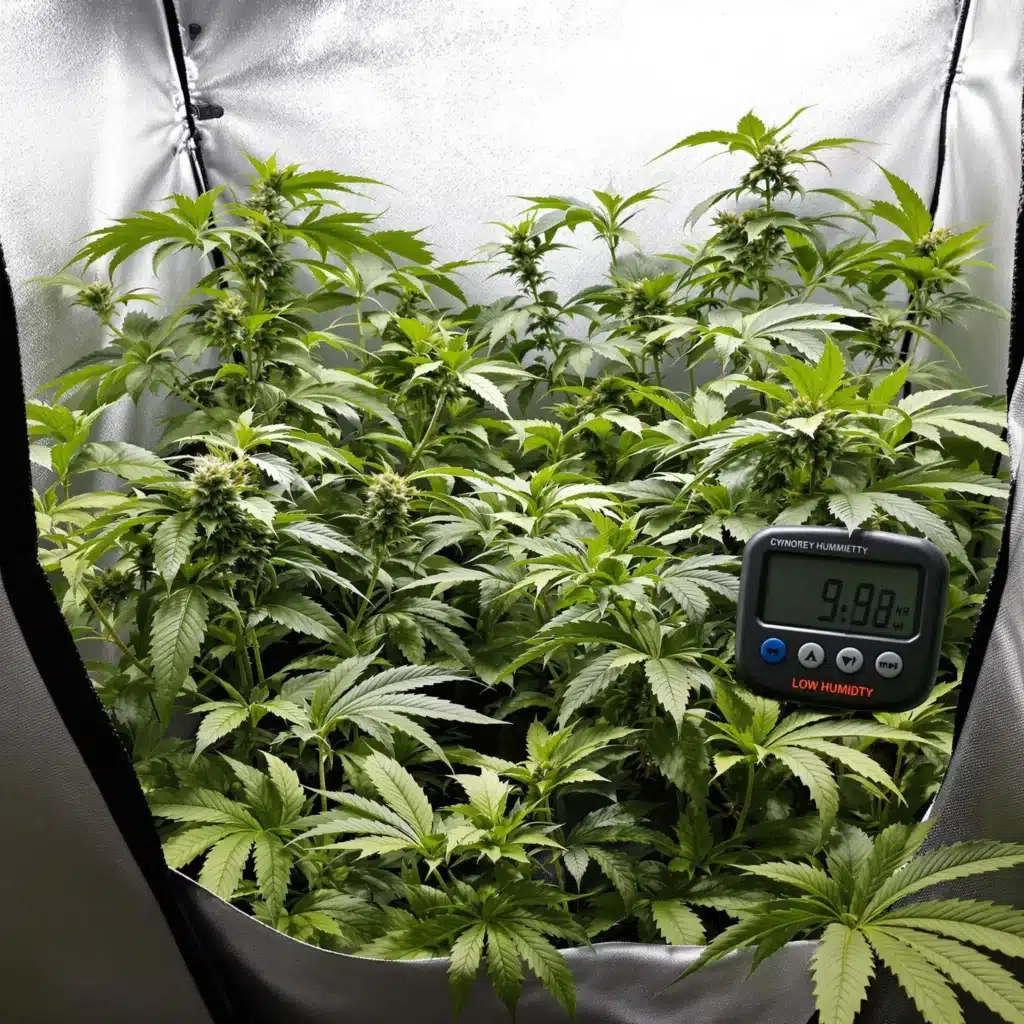
Maintaining the right humidity level in a grow tent is important for plant health. Low humidity can slow growth and cause stress. Understanding what causes low humidity helps you fix the problem.
Several factors inside and outside the grow tent can lower humidity. These include the environment, equipment, and plant behavior. Let’s look at each cause to see how it affects humidity.
Common Environmental Factors
Outside weather and room conditions can change humidity inside a grow tent. Dry air, heat, and lack of water in the air all lower humidity. Cold air can also hold less moisture, making humidity drop.
Grow tents placed in dry rooms or near heaters face low humidity. Air leaks or gaps in the tent let dry air enter. This causes moisture to escape and the humidity to fall.
- Dry outside air reduces moisture inside the tent
- Heat sources dry out the air quickly
- Leaks allow dry air to enter and moisture to leave
- Cold air holds less moisture, lowering humidity
Impact Of Ventilation Systems
Ventilation helps control temperature and fresh air but can lower humidity. Fans and exhausts pull moist air out of the tent. If the fresh air is dry, humidity will drop even more.
Strong or constant ventilation can dry the grow tent too much. Balancing airflow with humidity needs is key. Too much airflow means moisture leaves faster than plants add it back.
- Exhaust fans remove moist air from the tent
- Intake air may be dry, lowering humidity inside
- High airflow speeds up moisture loss
- Ventilation needs to balance fresh air and humidity
Role Of Plant Transpiration
Plants release water vapor through transpiration. This process adds moisture to the air inside the grow tent. Healthy, growing plants increase humidity naturally.
If plants are small or stressed, they release less moisture. This lowers humidity levels. Proper plant care helps maintain good transpiration and humidity inside the tent.
- Plants release water vapor through their leaves
- More leaves mean more moisture in the air
- Stressed or small plants release less moisture
- Good plant health supports higher humidity

Credit: www.spider-farmer.com
Choosing The Right Humidifier
Maintaining proper humidity is important for plant growth in a grow tent. Choosing the right humidifier helps keep the air moist and plants healthy.
Different humidifiers work better for different grow tent sizes and needs. Pick one that fits your space and plant type.
Types Of Humidifiers For Grow Tents
There are several humidifier types to choose from. Each has pros and cons for grow tents.
- Ultrasonic humidifiers:Use vibrations to create fine mist. They are quiet and energy efficient.
- Evaporative humidifiers:Use a fan to blow air through a wet filter. They are simple and natural.
- Warm mist humidifiers:Boil water to release warm steam. They can raise temperature slightly.
- Impeller humidifiers:Use a rotating disk to produce cool mist. They are less common but effective.
Capacity And Coverage Considerations
Choose a humidifier with enough capacity for your grow tent size. Small units may not cover large tents well.
Check the water tank size and how long it can run before refilling. Larger tanks need less frequent refills.
- Measure your grow tent volume in cubic feet
- Look for humidifiers rated for that space or larger
- Consider how often you want to refill the water tank
- Account for how dry the air is in your environment
Maintenance Tips
Regular maintenance keeps humidifiers working well and prevents mold or bacteria growth.
Clean the water tank and parts often. Use vinegar or mild soap to remove mineral buildup.
- Empty and dry the tank daily if possible
- Replace filters as the manufacturer recommends
- Use distilled water to reduce mineral deposits
- Check for leaks or damage regularly
Natural Methods To Boost Humidity
Keeping the right humidity in a grow tent helps plants grow well. Using natural methods can make this easy and cost-effective.
Explore simple ways to increase humidity without expensive equipment. These methods use items you may already have at home.
Water Trays And Wet Towels
Water trays and wet towels are simple tools to add moisture to the air. Place trays of water around the tent. The water will evaporate and raise the humidity.
- Fill shallow trays with water.
- Position them near air vents.
- Use wet towels over the trays for extra effect.
Using Live Plants And Moss
Live plants and moss naturally release moisture. Adding them to your grow tent boosts humidity and improves air quality.
- Choose moisture-loving plants like ferns.
- Place moss on the ground or in pots.
- Regularly mist the plants and moss.
Benefits Of Pebble Trays
Pebble trays are another easy way to increase humidity. They also keep plant pots elevated, preventing waterlogging.
| Materials Needed | Steps |
| Pebbles | Fill a tray with pebbles. |
| Water | Add water until it reaches the top of the pebbles. |
| Plant Pot | Place the plant pot on top of the pebbles. |
Controlling Ventilation For Humidity
Maintaining the right humidity is important for plants in a grow tent. Ventilation plays a big role in controlling humidity levels. Adjusting fans and airflow helps keep the environment healthy.
Good ventilation prevents mold and keeps plants happy. You can raise humidity by managing how air moves in and out of the tent.
Adjusting Intake And Exhaust Fans
Intake and exhaust fans control air movement inside the tent. Slowing down exhaust fans can raise humidity by keeping moist air inside. You can also reduce intake fan speed to limit dry air entering.
Make small changes to fan speeds and watch how humidity changes. Use a hygrometer to track levels and keep them steady.
- Lower exhaust fan speed to keep moisture inside
- Slow intake fans to reduce dry air intake
- Check humidity often to avoid too much moisture
Balancing Airflow And Moisture
Good airflow stops air from getting too wet or dry. Balance helps plants breathe while keeping humidity right. Too much airflow lowers humidity fast.
Use fans to gently move air without drying the tent. Keep air moving near plants but avoid strong drafts. This balance helps keep moisture levels steady.
- Use small fans for gentle air movement
- Position fans to avoid direct wind on plants
- Watch humidity and adjust fan speed as needed
Using Passive Ventilation Techniques
Passive ventilation means air moves without fans. You can open vents or flaps to let fresh air in slowly. This helps keep humidity without drying the tent.
Seal gaps to stop too much air from escaping. Use damp cloths or trays of water to add moisture. Passive methods work well with controlled fan settings.
- Open intake vents slightly for slow fresh air
- Close exhaust vents partially to keep humidity
- Place water trays inside to boost moisture
Monitoring Humidity Levels
Keeping the right humidity in your grow tent helps plants grow well. You need to watch humidity levels closely. This will help you know when to add or reduce moisture.
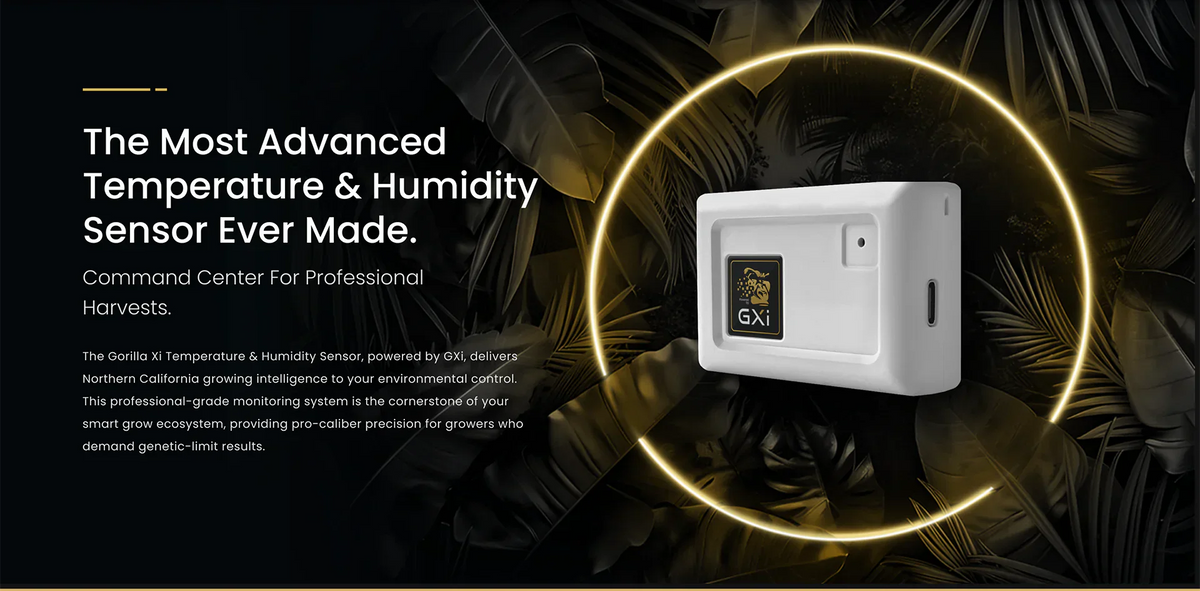
Tools and methods exist to track humidity easily. Using the best tools makes your work simple and accurate. Let’s look at how to monitor humidity correctly.
Choosing The Right Hygrometer
A hygrometer measures humidity in the air. Pick one that is easy to read and reliable. Digital models often show exact numbers and some have alerts.
- Look for models with a clear display
- Choose devices with a fast response time
- Consider a hygrometer with memory to track past levels
- Check if the device is easy to calibrate
Optimal Humidity Ranges For Different Plants
Different plants need different humidity levels to thrive. Knowing these ranges helps you set the right environment. Too dry or too wet air can harm plants.
| Plant Type | Optimal Humidity Range |
| Seedlings | 65% – 75% |
| Leafy greens | 50% – 70% |
| Flowering plants | 40% – 60% |
| Succulents | 30% – 50% |
Automated Humidity Control Systems
Automated systems keep humidity steady without constant checking. They adjust moisture using sensors and controls. This saves time and keeps plants safe.
- Use humidifiers that turn on and off automatically
- Install dehumidifiers for excess moisture control
- Choose controllers that connect to your hygrometer
- Set alarms for humidity outside safe ranges
Credit: www.gorillagrowtent.com
Additional Tips For Consistent Humidity
Keeping steady humidity in a grow tent helps plants grow well. Sudden changes can stress plants and slow growth.
These tips help you keep humidity at the right level every day. Small changes make a big difference.
Sealing Leaks And Gaps
Leaks and gaps let dry air enter the grow tent. This lowers humidity and makes it hard to control.
Use tape or weather stripping to close holes and gaps. Check corners, zippers, and vents regularly.
- Inspect the tent edges and seams
- Seal small holes with duct tape
- Replace damaged zippers or covers
- Make sure vents close tightly
Timing Watering Schedules
Watering plants adds moisture to the air. Timing watering can help keep humidity steady.
Water plants in the morning or early afternoon. This gives water time to evaporate and raise humidity.
- Water plants once a day or as needed
- Avoid overwatering to prevent mold
- Use a spray bottle to mist leaves lightly
- Monitor humidity levels after watering
Using Humidifying Sprays
Humidifying sprays add moisture quickly to the air. They are good for short-term humidity boosts.
Spray the air or plant leaves lightly. Do this a few times a day for best results.
- Use clean water in the spray bottle
- Spray for a few seconds at a time
- Do not soak leaves to avoid mold
- Combine sprays with other humidity methods
Frequently Asked Questions
How Can I Increase Humidity In A Grow Tent Naturally?
You can raise humidity by placing water trays inside the tent. Misting plants regularly and using damp sponges also helps. Adding live plants increases moisture through transpiration, naturally boosting humidity.
What Devices Help Raise Humidity In Grow Tents?
Humidifiers are the most effective devices to increase humidity. Ultrasonic and evaporative humidifiers work well. They release fine water mist, maintaining consistent humidity levels in your grow tent.
How Often Should I Monitor Humidity Levels In My Grow Tent?
Check humidity at least twice daily. Morning and evening measurements help maintain ideal conditions. Consistent monitoring prevents stress on plants and ensures optimal growth.
Can Ventilation Affect Humidity In A Grow Tent?
Yes, strong ventilation can lower humidity by removing moist air. Adjust fan speed or vent settings to balance airflow while maintaining desired humidity. Proper ventilation prevents mold but requires humidity management.
Conclusion
Raising humidity in a grow tent helps plants grow strong. Simple steps like adding water trays or using a humidifier work well. Keep checking the humidity levels often to keep them steady. Avoid too much moisture to stop mold and pests.
Small changes make a big difference over time. Your plants will thank you with healthy leaves and flowers. Stay patient and consistent for the best results. Growing success starts with good care and the right environment.