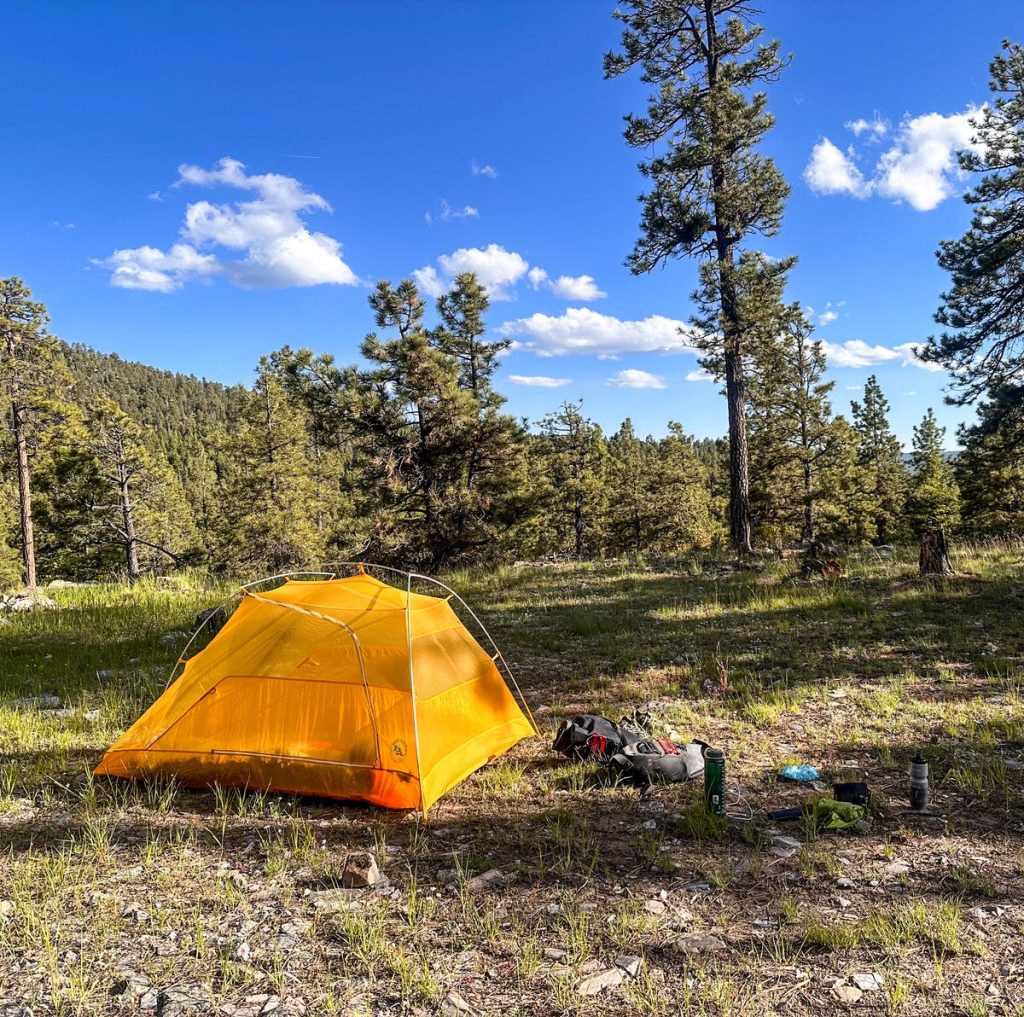
Your tent is your shelter, your safe space when you’re out in the wild. But what happens when it starts to leak?
A wet tent can ruin your entire trip and leave you uncomfortable and cold. The good news is, you don’t have to buy a new one. Re-waterproofing your tent is easier than you think, and it can bring your gear back to life.
In this guide, you’ll discover simple, effective steps to restore your tent’s waterproofing. Keep reading, and you’ll learn how to protect your tent—and yourself—from the next rainstorm.
Signs Your Tent Needs Re Waterproofing
Tents protect you from rain and wind. Over time, their waterproof coating can wear off. It is important to know when your tent needs re waterproofing.
Look for clear signs on your tent fabric and seams. These signs tell you when water might start leaking inside.
Leaks And Water Spots
Water leaking inside your tent is the most obvious sign. You may see wet spots or feel dampness on the inside walls. Even small leaks can get worse over time.
- Water droplets on the tent ceiling or walls
- Wet sleeping bags or gear inside the tent
- Visible water stains on the fabric
- Pooling water around the tent floor
Fabric Wear And Tear
Old or damaged fabric loses its water resistance. Look closely at your tent’s surface for signs of wear. Thin or rough areas let water soak through easily.
| Fabric Condition | Effect on Waterproofing |
| Shiny and smooth | Good water resistance |
| Faded or dull | Less water resistant |
| Cracked or rough | Water can penetrate |
| Holes or tears | Needs repair and re waterproofing |
Deterioration Of Seam Tape
Seam tape keeps water from entering through stitched areas. When tape peels or cracks, water can leak in. Check all seams carefully for damage.
Common signs of seam tape damage:
- Tape peeling away from seams
- Cracks or holes in the tape
- Water stains along stitched lines
- Loose or frayed stitching
Credit: www.battlbox.com
Choosing The Right Waterproofing Products
Re waterproofing your tent helps keep it dry and lasts longer. Picking the right product is key for good protection.
Different products work best for different materials and uses. Learn about the types to find the best fit.
Spray-on Vs. Wash-in Treatments
Spray-on treatments go directly on the tent fabric. They create a water barrier on the surface.
Wash-in treatments mix with water and soak into the fabric. They protect the fibers from inside.
- Spray-on is quick and easy to apply.
- Wash-in covers all fabric areas evenly.
- Spray-on suits spot treatments and seams.
- Wash-in works well for full tent waterproofing.
Types Of Waterproof Coatings
Waterproof coatings come in many forms. Some add a thin layer, while others soak in deeply.
Common types include silicone, polyurethane, and fluorocarbon coatings. Each has pros and cons.
- Silicone:Flexible and durable, good for many fabrics.
- Polyurethane:Affordable and strong, but less flexible.
- Fluorocarbon:Repels water well but may harm the environment.
Eco-friendly Options
Choose eco-friendly products to reduce harm to nature. They use safer chemicals and break down faster.
Many eco options use natural oils or water-based formulas. These keep tents dry without toxic effects.
- Water-based sprays avoid harmful solvents.
- Natural oil treatments use plant extracts.
- Look for biodegradable and non-toxic labels.
Preparing Your Tent For Waterproofing
Waterproofing your tent is vital for a dry camping experience. Prepare your tent properly for effective waterproofing.
Follow these steps to ensure your tent is ready to repel water and keep you comfortable.
Cleaning The Tent Fabric
Before you waterproof, clean the tent fabric thoroughly. Dirt and grime can prevent waterproofing solutions from adhering properly.
- Use mild soap and water to wash the fabric.
- Rinse completely to remove any soap residue.
- Avoid harsh chemicals that can damage the tent material.
Drying And Inspection
Ensure the tent is completely dry before applying any waterproofing treatment. Moisture can hinder the effectiveness of the waterproofing agents.
| Inspection Step | Description |
| Check Seams | Look for loose threads or gaps in the seams. |
| Examine Zippers | Ensure zippers are functioning smoothly without gaps. |
| Inspect Fabric | Look for holes or thin spots that need repair. |
Repairing Damages
Repair any damages to your tent before waterproofing. This ensures that your tent remains fully functional and protective.
Common repairs include:
- Patching holes with repair kits
- Re-sewing loose seams
- Replacing damaged zippers
Credit: alpkit.com
Step-by-step Waterproofing Process
Keeping your tent waterproof is important for staying dry in wet weather. Over time, the waterproof coating can wear off. You can fix this by re-waterproofing the tent. Follow these simple steps to protect your tent from water damage.
This guide shows how to use waterproof spray, seam sealer, and proper drying to make your tent water-resistant again.
Applying Waterproof Spray
Start by cleaning your tent. Make sure the fabric is dry and free of dirt. Shake the waterproof spray well before use. Hold the spray about 6 to 8 inches from the fabric.
Spray evenly across the entire tent surface. Pay close attention to areas that face rain directly. Avoid soaking the fabric; use a light, even coat.
- Clean tent fabric before spraying
- Spray from 6-8 inches away
- Cover all outer surfaces evenly
- Use light, multiple coats if needed
Using Seam Sealer On Stitching
Tent seams can leak water through the stitching holes. Use seam sealer to block these leaks. Apply seam sealer carefully along all stitched areas.
Use a small brush or applicator to spread the sealer. Make sure it covers the thread and fabric around the seams. Let the sealer dry before folding or packing the tent.
- Apply seam sealer on all stitched seams
- Use a brush for even coverage
- Cover thread and fabric near seams
- Let dry fully before use
Drying And Curing Time
After applying waterproof spray and seam sealer, the tent needs time to dry. Place the tent in a well-ventilated area away from direct sunlight. Avoid packing the tent until it is fully dry.
Drying usually takes 24 to 48 hours. Check the product labels for exact curing times. Proper drying helps the waterproof layers bond well to the fabric.
- Dry tent in a ventilated, shaded spot
- Allow 24-48 hours to cure
- Do not fold or pack when wet
- Check product instructions for timing
Maintaining Tent Waterproofing Over Time
Keeping your tent waterproof is important for a dry and safe camping trip. Over time, the waterproof coating can wear off. You need to maintain it regularly to keep your tent in good condition.
This guide will help you clean, store, and reapply waterproofing to your tent. These simple steps will extend the life of your tent fabric.
Regular Cleaning Tips
Clean your tent gently to protect the waterproof coating. Dirt and debris can damage the fabric and reduce waterproofing. Use mild soap and cold water for cleaning.
Avoid harsh chemicals or machine washing. Always let the tent dry fully before storing it to stop mold and mildew growth.
- Use a soft brush or sponge to remove dirt
- Wash with mild soap and cold water
- Rinse thoroughly to remove all soap
- Dry the tent completely in shade
- Do not use bleach or strong detergents
Storage Best Practices
Proper storage keeps your tent waterproof for longer. Always store the tent dry and in a cool place. Avoid direct sunlight during storage because UV rays weaken the fabric.
Do not store your tent in a compressed stuff sack. Use a large, breathable bag or hang it loosely to keep the fabric fresh.
- Make sure the tent is completely dry
- Store in a cool, dark, and dry area
- Use a large storage bag or hang the tent
- Avoid places with high humidity
- Keep away from sharp objects and pests
Periodic Reapplication Schedule
Waterproof coatings wear off with time and use. Plan to reapply waterproof spray or seam sealer every season or after heavy use. Check your tent for leaks and water absorption signs.
Follow the product instructions carefully for the best results. Make sure the tent is clean and dry before applying any treatment.
- Inspect the tent for worn or damaged areas
- Reapply waterproof spray every 6 to 12 months
- Use seam sealer on stitching and seams
- Allow the tent to dry fully after treatment
- Store the tent properly after reapplication
Common Mistakes To Avoid
Re waterproofing your tent protects it from rain and moisture. Many people make simple errors that reduce effectiveness. Avoid these common mistakes to keep your tent dry.
Understanding what not to do helps you get better results. Focus on surface prep, choosing the right products, and treating seams and zippers carefully.
Waterproofing Over Dirty Surfaces
Applying waterproofing spray or sealant over dirt can block proper adhesion. Dirt and dust create gaps where water can seep in. Always clean your tent before starting.
- Use mild soap and water to wash your tent.
- Remove all mud, dust, and debris.
- Let the fabric dry fully before waterproofing.
- Check for hidden dirt in folds and seams.
Using Wrong Products
Not all waterproofing products work for every tent fabric. Using the wrong type can damage the material or leave it sticky. Check product labels carefully before use.
| Product Type | Suitable Fabric | Not Recommended For |
|---|---|---|
| Silicone Spray | Nylon, Polyester | Cotton Canvas |
| Fluorocarbon Spray | All synthetic fabrics | Natural fibers |
| Wax-Based Sealant | Cotton Canvas | Synthetic fabrics |
Neglecting Seams And Zippers
Seams and zippers are weak spots where water enters easily. Many skip treating these areas and lose tent waterproofing fast. Always pay extra attention here.
- Apply seam sealer on all sewn seams.
- Use a brush or applicator for even coverage.
- Spray waterproofing on zippers carefully.
- Check zippers for damage and repair if needed.
Enhancing Tent Durability Beyond Waterproofing
Re waterproofing your tent helps keep water out. You can also improve its life by adding extra care steps.
Simple actions protect your tent from damage caused by sun, ground, and setup mistakes. This keeps your tent strong longer.
Protective Footprints And Covers
A footprint is a ground cover that sits under your tent. It stops sharp rocks and dirt from hurting the tent floor.
Using a cover over your tent protects it from rain and dust. It adds one more layer of defense.
- Choose a footprint that matches your tent size
- Use a tent cover to shield from rain and dust
- Keep footprints dry and clean to avoid mold
- Avoid letting footprints extend beyond tent edges
Uv Protection Measures
Sunlight can weaken tent fabric and cause colors to fade. Protect your tent by limiting sun exposure.
Use UV sprays made for tents. These sprays add a shield against sun damage and keep fabric strong.
- Set up your tent in shaded areas when possible
- Apply UV protection spray before camping trips
- Reapply sprays after several uses or washes
- Store tents away from direct sunlight when not used
Proper Tent Setup Techniques
Setting up your tent correctly stops damage to poles and fabric. It also helps keep the tent stable in wind and rain.
Use all stakes and guylines. Tighten the fabric evenly to avoid sagging or stress points.
- Clear the ground of rocks and sticks before pitching
- Stake down every corner firmly
- Keep guylines taut to reduce wind stress
- Do not over-tighten fabric to avoid tears

Credit: www.reddit.com
Frequently Asked Questions
How Often Should I Re-waterproof My Tent?
Re-waterproof your tent every 1 to 2 years. Frequent use and weather exposure reduce its waterproof effectiveness. Regular maintenance keeps your tent dry and protected.
What Materials Are Best For Tent Re-waterproofing?
Silicone-based sprays and polyurethane coatings work best. They provide durable water resistance without damaging fabric breathability. Choose products compatible with your tent’s material.
Can I Re-waterproof A Tent Myself?
Yes, re-waterproofing a tent is simple. Clean the tent, apply waterproof spray evenly, and let it dry fully. Follow product instructions for best results.
When Is The Best Time To Re-waterproof A Tent?
Re-waterproof tents during dry, mild weather. Avoid rainy or cold days to ensure proper drying. Spring or early summer is ideal for treatment.
Conclusion
Re waterproofing your tent keeps it dry and safe during trips. Clean the fabric first, then apply a good waterproof spray evenly. Let it dry completely in a shaded area. Repeat the process regularly for best results. Taking these simple steps extends your tent’s life and comfort.
Enjoy your outdoor adventures without worrying about leaks or rain. Keep your gear ready and reliable every time you camp. Small care makes a big difference in the wild.