If you’ve ever wondered how to check if your air conditioner is working properly, learning how to read air conditioner gauges is a skill you need. These gauges can tell you a lot about your system’s health—if you know what to look for.
Imagine being able to spot problems before they become costly repairs. You’ll discover simple, clear steps to understand these gauges and take control of your AC’s performance. Keep reading, and you’ll gain the confidence to keep your home cool and comfortable all year round.
Air Conditioner Gauge Basics
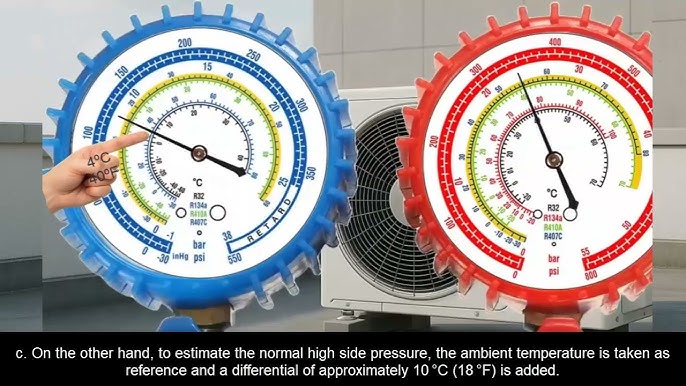
Air conditioner gaugesmeasure pressure in the cooling system. They help check if the system works well or needs repair. There are two main types: low-pressureand high-pressuregauges. The low-pressure gauge shows the pressure of the refrigerant coming back to the compressor. The high-pressure gauge shows the pressure of the refrigerant leaving the compressor.
Each gauge has parts like a dial face, needle, and hose connectors. The dial face shows numbers in PSI(pounds per square inch) or kPa(kilopascal). The needle moves to point at the current pressure. Hoses connect the gauge to the air conditioner.
| Scale Type | Purpose | Units |
|---|---|---|
| Low Pressure | Measures suction side pressure | PSI, kPa |
| High Pressure | Measures discharge side pressure | PSI, kPa |

Credit: www.youtube.com
Setting Up Your Gauges
Attach the gauge hoses to the correct service ports. The low-pressure hose connects to the larger port, and the high-pressure hose to the smaller port. Make sure the connections are tightto avoid leaks.
Wear glovesand safety glassesto protect yourself. Check that the area is well-ventilated. Never touch the gauges or hoses when the system is runningto avoid burns or frostbite.
| Gauge Type | Calibration Check |
|---|---|
| Low-pressure gauge | Zero reading at atmospheric pressure |
| High-pressure gauge | Zero reading at atmospheric pressure |
Make sure both gauges read zero before use. If not, adjust the calibration screws. Proper calibration ensures accurate pressure readings.
Interpreting Pressure Readings
The high sidegauge measures the pressure of the refrigerant after compression. It shows the pressure in the condenser and liquid lines. The low sidegauge reads pressure before compression, in the evaporator and suction lines. Both readings help check the AC system’s health.
| Pressure Side | Normal Pressure Range (PSI) |
|---|---|
| Low Side | 25 to 45 PSI |
| High Side | 200 to 250 PSI |
Common pressure issues include:
- Too low low-side pressure:May mean low refrigerant or a leak.
- Too high low-side pressure:Could indicate a blocked or dirty filter.
- High high-side pressure:Often caused by a dirty condenser or overcharge.
- Low high-side pressure:Might show undercharge or compressor problems.

Credit: www.reddit.com
Temperature And Superheat Checks
To measure temperature, place a thermometer on the suction line near the evaporator coil. Wait a few minutes for the reading to settle. Note the temperature in degrees Fahrenheit or Celsius.
Superheatis the difference between the suction line temperature and the refrigerant pressure converted to temperature. Use pressure gauge readings and refrigerant tables to find the saturation temperature. Then subtract it from the suction line temperature. This shows how much the refrigerant is heated above its boiling point.
| Term | How to Measure | Purpose |
|---|---|---|
| Temperature | Thermometer on suction line near coil | Check actual refrigerant line temperature |
| Superheat | Subtract saturation temp from suction line temp | Assess refrigerant vapor state and system load |
Diagnose system performance by comparing superheat to manufacturer specs. Low superheat may mean too much refrigerant or poor airflow. High superheat can indicate low refrigerant or blocked coils. These checks help find problems fast and keep the air conditioner running well.
Troubleshooting With Gauges
Refrigerant leakscause low pressure on the gauges. Look for a pressure reading below normal levels. This often means the system is losing refrigerant. Check hoses and connections for oily spots. These spots can signal leaks. A drop in pressure over time also points to leaks.
Blockagesshow as a pressure difference between the high and low sides. Gauges will show high pressure on one side and low on the other. This happens when the refrigerant flow is blocked. The system may run hot or cold unevenly. Look for dirt or ice buildup in the coils.
Compressor healthis seen by stable pressure readings. Fluctuating or very low pressure can mean the compressor is failing. Listen for unusual sounds like knocking. A weak compressor will struggle to keep the pressure steady. Gauges help check if the compressor pumps refrigerant well.
Credit: www.jeepforum.com
Maintaining Your Gauges
Keep gauges cleanto get accurate readings. Use a soft cloth to wipe off dust and dirt after each use. Avoid harsh chemicals that can damage the glass or seals.
Store gauges in a dry, cool place. Protect them from moisture and extreme temperatures to prevent rust and wear. Use a case or box designed for tools to keep gauges safe.
| Signs to Replace Gauges |
|---|
| Broken or cracked glass |
| Leaking connections or hoses |
| Needles that don’t move or stick |
| Inaccurate or inconsistent readings |
Frequently Asked Questions
What Are Air Conditioner Gauges Used For?
Air conditioner gauges measure refrigerant pressure in HVAC systems. They help diagnose issues and ensure proper system function. Gauges show high and low-pressure readings for accurate maintenance. Using them prevents damage and improves efficiency.
How Do I Read Low-pressure Gauge Correctly?
The low-pressure gauge shows suction pressure in PSI or inches of mercury. Read it when the AC is running. Compare readings to manufacturer specs for normal operation. Low readings may indicate leaks or low refrigerant levels.
What Does The High-pressure Gauge Indicate?
The high-pressure gauge measures refrigerant pressure in the condenser side. It helps detect blockages or overcharging in the system. Normal readings ensure the AC cools efficiently. Abnormally high pressure may signal system problems.
Can I Use Air Conditioner Gauges Without Training?
Using AC gauges requires basic HVAC knowledge for safe, accurate readings. Incorrect use can cause damage or injury. Beginners should consult professionals or manuals before handling gauges. Proper training ensures effective troubleshooting and maintenance.
Conclusion
Reading air conditioner gauges helps keep your system running well. Watch the pressure levels to spot any problems early. Know the normal range for your unit to avoid mistakes. Regular checks can save money on repairs later. Take your time and read the gauges carefully.
Understanding these basics makes maintenance easier and safer. Stay patient and practice often to build confidence. Good habits lead to a cooler, more efficient home.