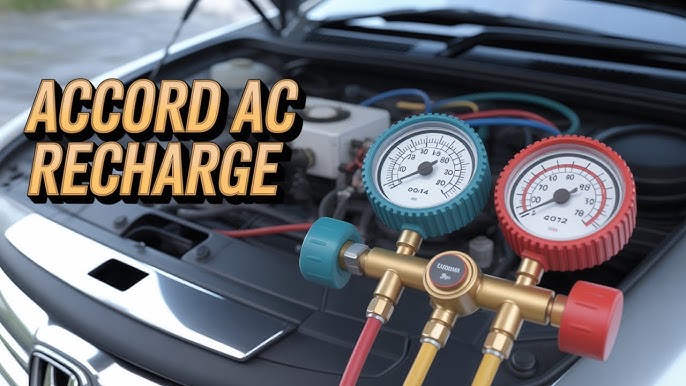
Is your car’s air conditioner not cooling like it used to? You’re not alone.
Over time, the cold air can fade, leaving you uncomfortable during hot drives. But here’s the good news: recharging your car air conditioner is easier than you think. In this guide, you’ll discover simple steps to bring back that refreshing chill without spending a fortune.
Keep reading to learn how to make your rides cool and comfortable again—fast and hassle-free.
Signs Your Car Ac Needs Recharging
Your car’s air conditioner cools the cabin during hot days. Over time, the AC may lose its cooling power. This usually happens because the refrigerant level is low.
Knowing the signs of low refrigerant helps you fix the problem early. This keeps your car comfortable and prevents bigger repairs.
Reduced Cooling Performance
If your AC blows warm or less cold air, it may need recharging. The cooling power drops when refrigerant leaks or runs low. You might notice the air feels weaker or the temperature does not drop as before.
- Air is not as cold as usual
- Cooling takes longer than before
- Fan runs but air feels warm
Unusual Noises From Ac
Strange sounds from your car’s AC can signal low refrigerant. The compressor may strain to work without enough refrigerant. You could hear hissing, clicking, or rattling noises when the AC is on.
| Noise Type | Possible Cause |
|---|---|
| Hissing | Refrigerant leak |
| Clicking | Compressor struggling |
| Rattling | Loose parts or low refrigerant |
Foul Odors Inside The Cabin
Bad smells from the AC vents can mean trouble. Low refrigerant can cause moisture build-up. This leads to mold or mildew inside the system. You may notice a musty or sour odor when the AC runs.
- Musty smell when AC is on
- Smell gets worse after using AC
- Odor disappears when AC is off
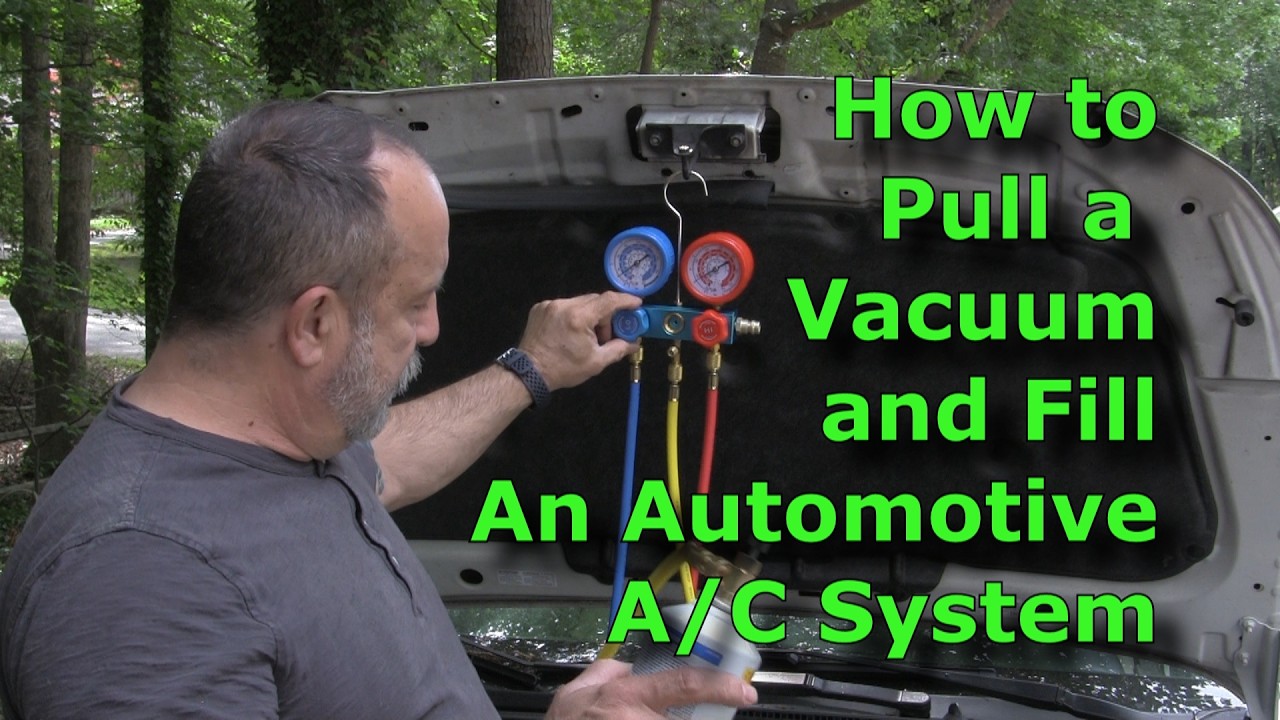
Credit: www.youtube.com
Tools And Materials Required
Recharging your car air conditioner needs the right tools and materials.
Using correct items keeps the process safe and effective.
Refrigerant Types
Choose the right refrigerant for your car’s AC system. Different cars use different types.
- R-134a: Common in most cars made before 2017.
- R-1234yf: Used in newer car models for better environment safety.
- Check your car manual to find the correct refrigerant type.
Recharge Kit Components
| Component | Purpose |
| Refrigerant Can | Contains the gas for recharging |
| Pressure Gauge | Measures system pressure |
| Hose with Valve | Connects can to AC system |
| Instruction Manual | Guides the recharge process |
Make sure the kit matches your car’s refrigerant type.
Safety Gear
- Safety glasses protect your eyes from gas and debris.
- Gloves keep your hands safe from cold refrigerant.
- Wear long sleeves to protect your skin.
- Work in a well-ventilated area to avoid inhaling fumes.
Preparing Your Car For Ac Recharge
Recharging your car’s air conditioner helps it blow cold air again. Before starting, you need to prepare your car properly. This ensures safety and better results.
Follow these simple steps to get your car ready for the AC recharge process.
Park In A Shaded Area
Find a shaded spot to park your car. Direct sunlight can make the car hot and affect the AC recharge process.
Parking in shade helps keep the engine and AC components cooler. This makes it safer and easier to work on your AC system.
Turn Off The Engine
Before you start, switch off your car’s engine. This prevents any accidents or damage during the AC recharge.
Allow the engine to cool down for a few minutes. This protects you from burns and helps get accurate pressure readings.
Locate The Low-pressure Port
Find the low-pressure port on your car’s AC system. This is where you will connect the recharge hose.
The low-pressure port is usually smaller and has a cap labeled with “L” or “Low.” Check your car manual if you are unsure.
- Look near the compressor or the larger AC lines.
- The port cap may be blue or black.
- Do not use the high-pressure port for recharge.

Credit: www.amazon.ca
Step-by-step Recharge Process
Recharging your car air conditioner helps it cool better. This guide shows you how to do it safely. Follow each step carefully to avoid damage.
Make sure you have the right tools before you start. This includes a recharge hose, refrigerant, and a pressure gauge.
Attach The Recharge Hose
First, find the low-pressure port on your car’s AC system. It is usually marked with an L or a blue cap. Attach the recharge hose securely to this port.
Start The Engine And Ac
Turn on your car engine and set the air conditioner to the highest cooling setting. Keep the fan speed high to help the system work efficiently while recharging.
Add Refrigerant Slowly
- Shake the refrigerant can well before use.
- Hold the can upright to prevent liquid from entering the system.
- Press the valve on the recharge hose gently to add refrigerant.
- Pause often to check the system and avoid overcharging.
Monitor Pressure Gauge
| Pressure Reading (PSI) | System Status |
|---|---|
| Below 25 | Low refrigerant, continue adding slowly |
| 25 – 45 | Normal pressure, stop adding refrigerant |
| Above 45 | High pressure, stop and check system |
Watch the pressure gauge closely while adding refrigerant. Stop if the pressure goes too high to avoid damage to your AC system.
Post-recharge Checks
After recharging your car air conditioner, it is important to check its performance. This ensures the system works correctly and safely. Follow these simple steps to confirm your AC is in good condition.
These checks help avoid future problems and keep your car cool during hot days. Pay attention to each step for the best results.
Test Cooling Efficiency
Start the car and turn on the air conditioner to the highest cool setting. Wait a few minutes to feel the air temperature from the vents. The air should be noticeably cold and steady. If the air is still warm or weak, the recharge may not be enough or there could be other issues.
Inspect For Leaks
Leaks can cause refrigerant loss and reduce AC performance. Look for oily spots or wet areas around hoses, connections, and the compressor. Use a flashlight to check hard-to-see places. If you find any leaks, repair them before recharging again.
- Check AC hoses for cracks or damage
- Inspect compressor seals for oil residue
- Look around fittings for signs of leaks
- Use soapy water to spot bubbles on joints
Dispose Of Materials Properly
Handle refrigerant and other materials with care. Improper disposal can harm the environment. Follow local rules for recycling or disposal of old refrigerant and used equipment. Use protective gloves and eyewear during cleanup.
| Material | Disposal Method |
| Used Refrigerant | Return to certified recycling center |
| Old AC Parts | Take to automotive waste facility |
| Empty Containers | Recycle if allowed by local laws |
Common Mistakes To Avoid
Recharging a car air conditioner needs care and the right steps. Many people make errors that can harm the system or reduce its life.
Knowing what to avoid helps keep the air conditioner working well. Here are some common mistakes to watch out for.
Overcharging The System
Adding too much refrigerant can cause high pressure in the AC system. This leads to leaks and damage to parts like the compressor.
- Check the car manual for the correct refrigerant amount.
- Use a gauge to monitor pressure during recharge.
- Stop adding refrigerant once the recommended level is reached.
Using Incorrect Refrigerant
Cars need specific types of refrigerant. Using the wrong kind can cause poor cooling and damage the system.
| Refrigerant Type | Common Use |
| R-134a | Most cars made before 2015 |
| R-1234yf | Newer car models |
| R-12 | Older classic cars (usually phased out) |
Always check the label on the recharge can and your car’s manual. Do not mix different refrigerants.
Ignoring Safety Precautions
Recharging an AC system involves pressure and chemicals. Ignoring safety rules can cause injuries or damage.
- Wear safety glasses and gloves to protect your eyes and skin.
- Work in a well-ventilated area to avoid inhaling fumes.
- Do not smoke or use open flames near refrigerant.
- Use proper tools designed for AC recharge.
- Follow instructions on the refrigerant can carefully.
When To Seek Professional Help
Recharging your car air conditioner can fix many cooling problems. Some issues need a professional mechanic’s attention. Knowing when to get help saves time and money.
This guide explains signs of trouble and when to call a pro for your car’s AC system.
Persistent Cooling Issues
If your air conditioner keeps failing to cool after recharging, a deeper problem exists. Persistent cooling issues often mean a leak or damaged parts.
- AC blows warm or only slightly cool air
- Cooling stops soon after recharge
- Unusual noises from the AC unit
- Foul smells coming through vents
Complex Ac System Problems
Modern car AC systems have complex parts like compressors, condensers, and sensors. Faults in these parts need expert diagnosis and repair.
| Problem | Possible Cause | Professional Action |
|---|---|---|
| Compressor not working | Electrical fault or mechanical failure | Repair or replace compressor |
| Refrigerant leaks | Damaged hoses or seals | Locate and fix leaks, recharge refrigerant |
| Sensor errors | Faulty temperature or pressure sensors | Test and replace sensors |
| Clogged condenser | Debris or dirt buildup | Clean or replace condenser |
Legal And Environmental Considerations
Handling car refrigerants requires care. Some chemicals harm the environment. Laws control their use and disposal.
Reasons to seek professional help for environmental and legal concerns:
- Proper handling of refrigerants prevents leaks.
- Certified technicians follow environmental laws.
- Incorrect disposal can lead to fines.
- Professionals use safe recovery and recycling methods.

Credit: www.youtube.com
Frequently Asked Questions
How Often Should I Recharge My Car Air Conditioner?
You should recharge your car AC every 1-2 years or when cooling weakens. Regular checks prevent leaks and maintain efficiency. Proper recharging ensures optimal cooling and extends system life.
What Tools Are Needed To Recharge A Car Air Conditioner?
You need a refrigerant recharge kit, pressure gauge, safety gloves, and eye protection. These tools help you safely add refrigerant and monitor system pressure during the process.
Can I Recharge My Car Ac Myself Safely?
Yes, you can recharge your car AC if you follow instructions carefully. Use the correct refrigerant type and avoid overcharging. Safety precautions are essential to prevent damage or injury.
How Do I Know When My Car Ac Needs Recharging?
Signs include weak airflow, warm air, or strange noises from the AC. Low refrigerant causes reduced cooling performance. Regular inspections help identify recharge needs early.
Conclusion
Recharging your car air conditioner is easy and cost-effective. Follow the steps carefully to ensure safety. Always wear protective gear when handling refrigerants. Make sure you have the right tools and supplies. Check for leaks before adding refrigerant. Proper maintenance extends the life of your AC system.
With regular checks, your car stays cool in hot weather. Remember, if unsure, consult a professional. They can offer expert advice and assistance. Your comfort on the road matters. Keep your car’s air conditioner in top shape. Enjoy a cool and pleasant drive every time.