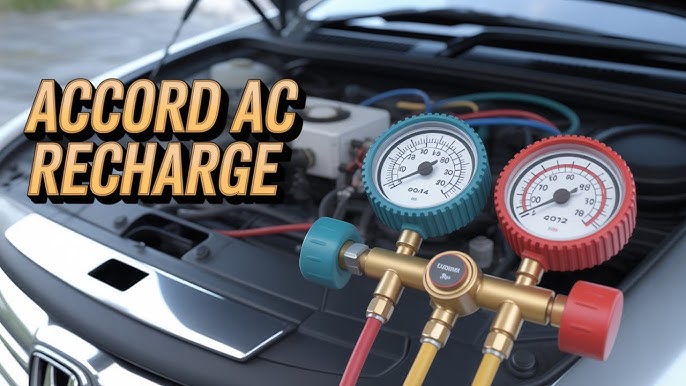
Is your car’s air conditioner not cooling like it used to? You’re not alone.
Many drivers struggle with a weak or warm AC, especially during hot days. The good news is, recharging your car’s air conditioner is something you can do yourself. Imagine stepping into your car and feeling that refreshing cool breeze again without having to pay for expensive repairs.
In this guide, you’ll learn simple, step-by-step tips to recharge your car’s AC quickly and safely. Keep reading, and you’ll be back to enjoying a comfortable ride in no time.

Credit: www.amazon.ca
Signs Your Ac Needs Recharging
Car air conditioners cool the cabin using a refrigerant. Over time, this refrigerant may leak or get used up. When this happens, the AC will not cool properly. It is important to know the signs that show your AC needs recharging.
Recognizing these signs early can help you fix the problem and stay comfortable. Here are some common signs your car AC needs recharging.
Reduced Cooling Performance
If your car AC blows warm or only slightly cool air, it may need more refrigerant. The cooling power weakens when the refrigerant level is low. You might notice the air takes longer to cool the cabin.
Check if the AC works better at high fan speeds but not at low speeds. This can also indicate low refrigerant. Reduced cooling is one of the first signs of a recharge need.
Unusual Noises
Strange sounds coming from the AC system can mean trouble. When refrigerant is low, the AC compressor may make clicking, hissing, or rattling noises. These sounds show the compressor struggles to work well.
Listen for noises especially when you turn on the AC. Noises are a warning to check the system and recharge the refrigerant if needed.
Foul Odors
Bad smells from the AC vents can happen if the system is low on refrigerant. A lack of refrigerant can cause moisture buildup inside the AC. This moisture leads to mold or mildew growth, which causes foul odors.
If you notice a musty or sour smell when you turn on your AC, the system may need cleaning and a recharge. Ignoring this can affect air quality inside your car.
Gathering Required Tools
Recharging your car’s air conditioner needs the right tools. Gathering these tools first saves time and avoids mistakes.
This guide helps you collect all tools to recharge the AC safely and correctly.
Ac Recharge Kit
The AC recharge kit includes everything to add refrigerant to your car’s AC system. It is designed for easy use by beginners.
Most kits come with a can of refrigerant, a pressure gauge, and a hose with a valve.
- Can of refrigerant (R134a is common)
- Pressure gauge to check AC pressure
- Hose with valve to connect to the car’s AC port
Safety Gear
Safety gear protects you from cold refrigerant and sharp parts inside the engine bay. Always use proper safety items.
Wear gloves and eye protection to avoid injuries during the recharge process.
- Protective gloves to keep hands safe
- Safety glasses to protect eyes from sprays
- Long sleeves to avoid skin contact
Basic Tools
Some basic tools help you find the right AC port and open the hood easily. These tools make the job smoother.
You may need a wrench or screwdriver to remove any covers or caps from the AC port.
- Wrench or pliers to open port caps
- Screwdriver to remove any panels if needed
- Flashlight to see clearly in the engine bay
Locating The Ac Service Port
To recharge your car’s air conditioner, you first need to find the AC service port. This is where you connect the recharge hose to add refrigerant.
Knowing the correct port helps prevent damage and ensures the AC works well. Let’s learn how to find the right port on your car.
High-pressure Vs Low-pressure Ports
Your car’s AC system has two main service ports. One is the high-pressure port, and the other is the low-pressure port.
The high-pressure port handles gas under high pressure. The low-pressure port handles gas under lower pressure. You must use the low-pressure port to recharge safely.
- The high-pressure port is smaller and harder to open.
- The low-pressure port is larger and easier to access.
- Use only the low-pressure port for adding refrigerant.
Finding The Low-pressure Port
The low-pressure port is usually on the larger aluminum tube between the compressor and the evaporator. It often has a black or blue cap.
Look near the firewall or the front of the engine bay. The cap may say “L” or have a snowflake symbol on it.
- Check the owner’s manual for port location details.
- Look for a plastic cap that is easy to remove.
- Do not confuse the low-pressure port with the high-pressure port.
Preparing The Vehicle
Before recharging your car’s air conditioner, you must prepare the vehicle properly. This helps ensure safety and better results.
Pay attention to the engine status and the AC controls. These details affect the recharging process.
Engine Off Vs On
Decide if the engine should be off or on before starting. Usually, keep the engine running for accurate pressure readings.
- Engine off: Safe for initial setup but no pressure reading.
- Engine on: Necessary for proper AC system pressure.
- Use gloves and safety glasses in both cases.
- Work in a well-ventilated area to avoid gas buildup.
Setting The Ac Controls
Set the AC controls to the correct settings before recharging. This ensures the system works during the process.
| Control | Recommended Setting |
| Temperature | Lowest (coldest) |
| Fan Speed | Highest |
| AC Mode | Recirculation |
Connecting The Recharge Kit
Recharging your car’s air conditioner starts with connecting the recharge kit properly. This ensures the refrigerant flows correctly into the system.
Make sure the engine is off and the AC is turned off before you begin. Follow each step carefully to avoid leaks or damage.
Attaching The Hose
Find the low-pressure port on your car’s AC system. It is usually marked with an L or a blue cap.
Connect the hose from the recharge kit to the low-pressure port. Push it on firmly until it snaps into place.
- Locate the low-pressure port under the hood
- Check that the hose valve is closed before attaching
- Push the hose connector onto the port firmly
- Ensure the connection is tight to prevent leaks
Reading The Pressure Gauge
Check the pressure gauge on the recharge kit before starting. It tells you the current pressure inside the AC system.
The ideal pressure depends on the outside temperature. Use the gauge to make sure you add the right amount of refrigerant.
| Outside Temperature | Recommended Pressure (psi) |
|---|---|
| Below 70°F (21°C) | 25-35 psi |
| 70°F – 85°F (21°C – 29°C) | 30-40 psi |
| Above 85°F (29°C) | 35-45 psi |
Adding Refrigerant Safely
Refilling your car’s air conditioner with refrigerant requires care. Using the right method helps avoid damage and ensures the system works well.
Follow safety steps and watch pressure levels closely. This guide shows how to add refrigerant safely and correctly.
Slow And Steady Filling
Fill the refrigerant tank slowly. Adding too fast can cause problems in the AC system.
- Wear safety glasses and gloves before starting.
- Attach the refrigerant can to the low-pressure port securely.
- Open the valve slightly to let refrigerant flow gradually.
- Check for leaks or hissing sounds while filling.
- Stop filling once the recommended amount is added.
Monitoring Pressure Levels
Pressure readings show if the system has the right amount of refrigerant. Use a gauge to monitor these levels.
| Pressure Level | Meaning |
|---|---|
| Low | System needs more refrigerant |
| Normal | Refrigerant is at the correct level |
| High | Too much refrigerant, risk of damage |
Testing The Ac System
Testing the air conditioner in a car helps find problems early. It shows if the system cools well and works safely.
Two simple tests are checking the temperature drop and listening for abnormal sounds. These checks help decide if the AC needs recharging.
Checking Temperature Drop
Turn on the car AC and set it to the coldest setting. Let it run for a few minutes to cool the air.
Measure the air temperature near the vents and the temperature inside the car. The difference shows how well the AC cools.
- Use a thermometer to check vent temperature
- Measure cabin temperature away from vents
- Look for a drop of at least 15°F (8°C)
- Smaller drops mean low refrigerant or leaks
Listening For Abnormal Sounds
Start the car and turn on the AC system. Listen carefully near the engine and inside the car.
Strange noises can mean problems. They may come from the compressor, fans, or belts.
- Clicking sounds can show compressor issues
- Hissing noises may indicate refrigerant leaks
- Squealing sounds often come from belts
- Rattling may mean loose parts
Post-recharge Tips
After recharging your car’s air conditioner, some care is needed. These tips help keep your AC working well.
Proper sealing and regular checks can extend the AC’s life and improve cooling.
Sealing The Service Port
It is important to seal the service port tightly after recharge. This stops refrigerant leaks and keeps dirt out.
- Use the correct cap designed for your car’s AC system.
- Check the O-ring for damage and replace if needed.
- Screw the cap on firmly but avoid over-tightening.
- Inspect the port for any signs of leaks or cracks.
Regular Maintenance Practices
Keep your AC system in good shape with regular care. This prevents future problems and keeps cooling strong.
| Maintenance Task | How Often | Purpose |
| Check refrigerant level | Every 6 months | Ensure enough coolant for cooling |
| Clean or replace air filters | Every 3 months | Improve air flow and reduce dust |
| Inspect hoses and belts | Every 6 months | Prevent leaks and mechanical failure |
| Run AC regularly | Weekly | Keep compressor lubricated |
When To Seek Professional Help
Recharging your car’s air conditioner can be simple. Sometimes, problems need expert care. Knowing when to get professional help saves time and money.
If your AC does not cool well after recharging, or if there are leaks, a mechanic should check your system. They have the right tools and skills.
Persistent Cooling Issues
If your car’s air conditioner still blows warm air after recharging, the problem may be bigger. The system might have low refrigerant or other faults.
Professional technicians can test the AC system pressure. They find hidden issues like a broken compressor or clogged condenser. Trying to fix these yourself can cause damage.
- AC does not cool properly after recharge
- Unusual noises when AC is on
- AC cycles on and off quickly
- Bad smells from vents
Leaks And Repairs
Leaks in the air conditioner system cause refrigerant loss. This reduces cooling and can harm the environment. Finding leaks needs special tools like UV dye or leak detectors.
Fixing leaks often means replacing parts like hoses, seals, or the compressor. Professionals have the right parts and experience to repair your AC safely and correctly.
- Visible oil or dye stains under the hood
- Hissing sounds from AC hoses or fittings
- AC pressure drops quickly after recharge
- AC system needs frequent recharging

Credit: www.youtube.com

Credit: www.youtube.com
Frequently Asked Questions
How Often Should I Recharge My Car’s Air Conditioner?
You should recharge your car’s air conditioner every 1-2 years. Regular checks help maintain cooling efficiency. Low refrigerant levels reduce performance and can damage the system.
What Tools Do I Need To Recharge A Car Ac?
You need a refrigerant recharge kit, including a pressure gauge and hose. Ensure you use the correct refrigerant type specified for your car model.
Can I Recharge My Car Ac Myself Safely?
Yes, recharging is safe if you follow instructions carefully. Wear safety goggles and gloves, work in a well-ventilated area, and avoid overcharging to prevent damage.
How Do I Know If My Car Ac Needs Recharging?
Signs include weak airflow, warm air from vents, or strange noises. If cooling is less effective, the refrigerant level might be low.
Conclusion
Recharging your car’s air conditioner keeps it cool and comfortable. Follow the right steps to avoid damage or leaks. Check your car manual for the correct refrigerant type. Use proper tools and safety gear during the process. Regular maintenance helps your AC work better and last longer.
Stay cool on every drive with a well-charged system. Small efforts now save big repair costs later. Keep your car’s air conditioner ready for hot days. Easy to do, and your comfort improves a lot.