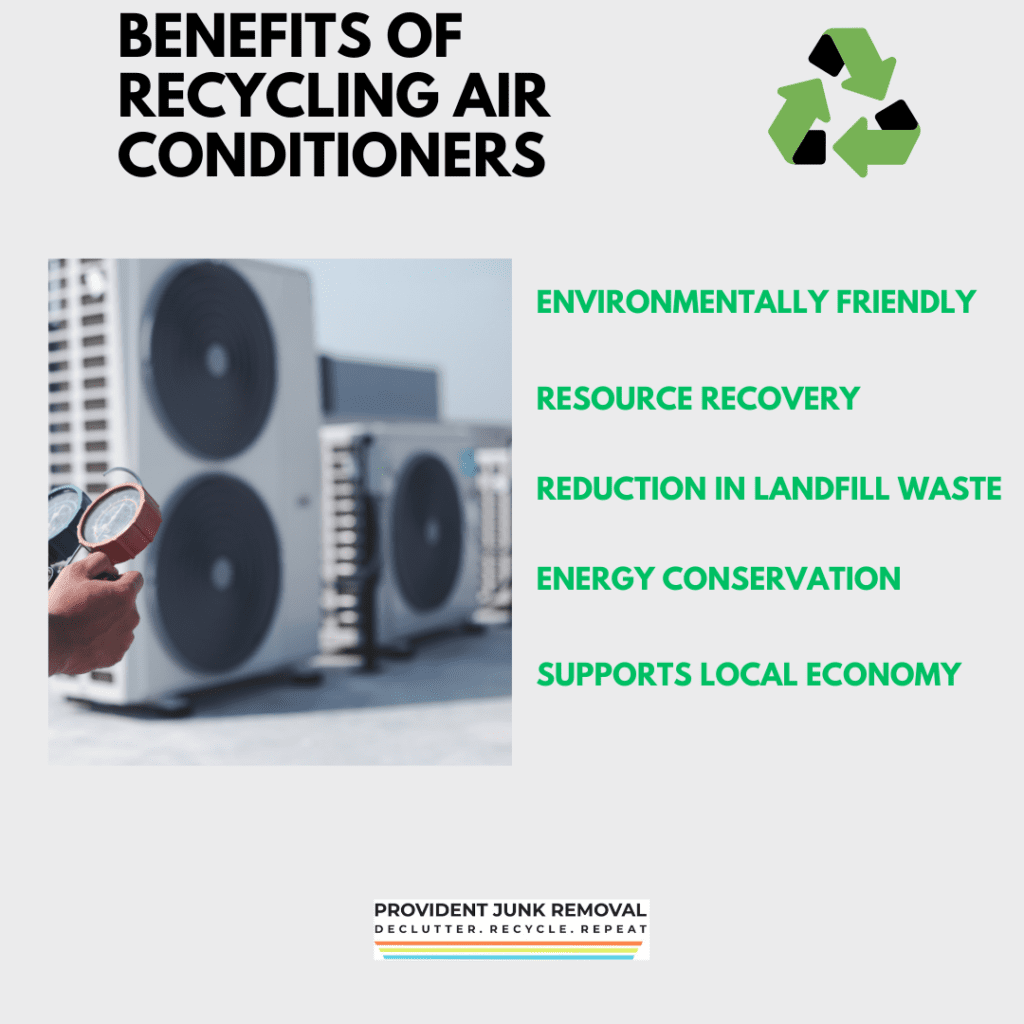
Are you wondering what to do with your old air conditioner? Instead of tossing it in the trash, you can recycle it—and that choice makes a big difference.
Recycling your air conditioner not only helps protect the environment but can also save you money and keep harmful chemicals out of the air. In this guide, you’ll discover simple, step-by-step ways to recycle your unit safely and effectively. Keep reading to learn how easy it is to turn your old AC into something good for the planet and your wallet.
Credit: nixxitjunk.com
Why Recycle Air Conditioners
Recycling air conditioners helps protect the environment. Old units contain harmful chemicals like freon, which can hurt the ozone layer. Proper recycling stops these chemicals from leaking into the air.
Many places have lawsthat say air conditioners must be recycled correctly. These ruleskeep people safe and protect nature. Following them avoids fines and legal problems.
Recycling air conditioners saves money. Parts like copper and aluminum can be reused. This lowers costs for making new products. Also, recycling reduces waste in landfills, saving space and resources.
Credit: www.vevor.ca
Preparing Your Ac For Recycling
Turn off and unplugyour air conditioner to ensure safety. This stops any electric flow and prevents accidents.
Remove hazardous componentscarefully. Parts like capacitors and circuit boards can be dangerous. Handle them with care or get a professional to do it.
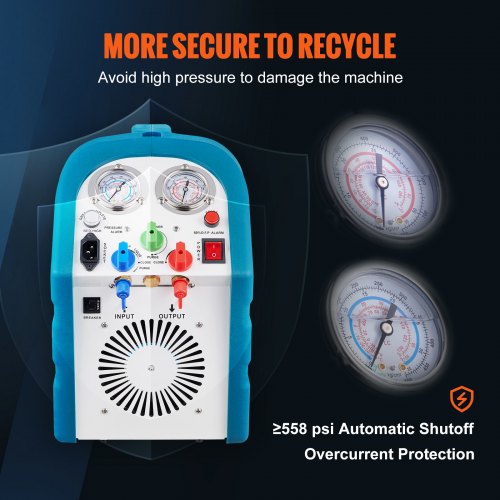
Drain refrigerants safely. These chemicals can harm the environment. Only certified technicians should remove refrigerants using special tools.
Finding A Recycling Center
Many places accept old air conditioners for recycling. Local recycling centersoften take them safely. They remove harmful parts like refrigerants.
- Authorized e-waste facilitieshandle electronic waste properly. They follow rules to protect the environment.
- Manufacturer take-back programslet you return old units. Some brands offer this service free or for a small fee.
Finding the right place helps keep harmful chemicals out of nature. It also recovers valuable materials for reuse.
Step-by-step Recycling Process
Transport the air conditioner carefully to avoid damage. Use a sturdy vehicle and secure the unit well. Keep harmful refrigerants from leaking by sealing the system tightly. This prevents pollution and health risks.
Sorting involves separating parts like metal, plastic, and glass. Disassembly removes these parts carefully to avoid breaking them. Tools like screwdrivers and pliers help in this process. Proper sorting helps in recycling materials better.
| Material | Recovery Process |
|---|---|
| Metal | Sent to smelting plants for reuse |
| Plastic | Cleaned and melted into new products |
| Glass | Crushed and reused in manufacturing |
| Refrigerant | Captured and safely destroyed or recycled |
Common Challenges And Solutions
Handling refrigerantsrequires care because they can harm the environment. Only licensed technicians should remove and recycle refrigerants. Special equipment captures gases without leaks. This step protects the ozone layer and keeps air clean.
Old or damaged unitsmay be hard to recycle. Some parts can be reused, like metal and plastic. Others need special disposal, such as electronic components and insulation materials. Breaking down units safely avoids pollution and saves resources.
| Costs and Fees | Description |
|---|---|
| Pickup Charges | May apply for collecting old units from homes |
| Recycling Fees | Costs for processing refrigerants and materials |
| Disposal Costs | Fees for handling hazardous parts safely |
| Potential Refunds | Some programs offer money back for recycling |
Credit: providentjunk.ca
Tips For Eco-friendly Disposal
Scheduling regular maintenance keeps your air conditioner working well. Clean filters and check refrigerant levels. This saves energy and lowers bills. It also helps stop damage to the unit.
Choosing energy-efficient models reduces power use. Look for units with a high SEER rating. These use less electricity and cool better. They help protect the planet and cut costs.
- Donate working air conditioners to charities or schools.
- Repurpose old units for parts or DIY projects.
- Recycle components like metal and plastic properly.
- Contact local recycling centers for safe disposal.
Frequently Asked Questions
How Do I Dispose Of An Old Air Conditioner?
To recycle an old air conditioner, contact your local waste management service. They often offer special collection days for appliances. Alternatively, find a certified recycling facility nearby. Many retailers also provide take-back programs when you purchase a new unit. Proper disposal prevents harmful refrigerants from damaging the environment.
Can I Recycle Air Conditioner Parts Myself?
Yes, you can recycle some parts yourself. Metal components, like copper and aluminum, are valuable and recyclable. Ensure that refrigerants are safely removed by professionals. This prevents environmental harm. Always check with local recycling facilities to understand what parts they accept.
DIY recycling reduces waste and supports sustainability.
Is It Illegal To Throw Away An Air Conditioner?
Yes, it’s illegal to dispose of air conditioners in regular trash. They contain refrigerants harmful to the environment. Proper disposal is required by law in many areas. Contact local waste management for guidance. Recycling ensures safe handling and environmental protection.
Always adhere to regulations to avoid penalties.
How Does Recycling Benefit The Environment?
Recycling air conditioners prevents harmful refrigerants from entering the atmosphere. It reduces landfill waste and conserves resources. Metal parts are reused, minimizing the need for new materials. This process lowers energy consumption and pollution. By recycling, you contribute to environmental sustainability and resource conservation.
Conclusion
Recycling your air conditioner helps protect the environment. It saves energy and reduces waste. You can keep harmful chemicals from polluting the air and water. Many recycling centers accept old AC units. Always check local rules for proper disposal. Taking a few simple steps makes a big difference.
It’s a smart way to handle old appliances safely. Start recycling today and help keep the planet clean. Small actions add up to a healthier world.