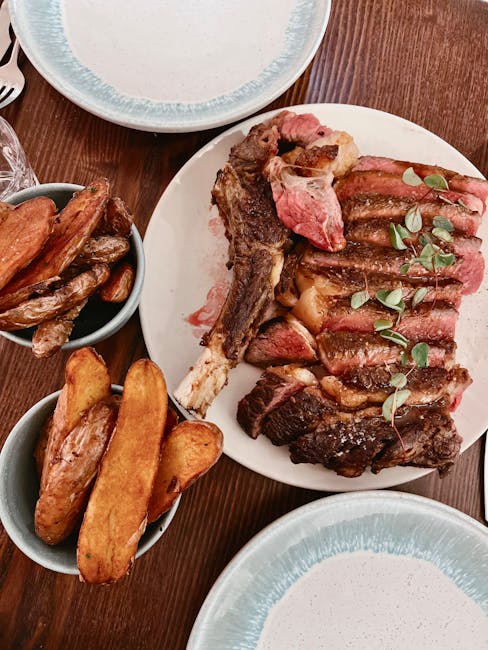
You’ve got a delicious steak waiting, but reheating it in the microwave can be tricky. You want it warm, juicy, and just as tasty as when it was fresh.
But without the right method, your steak can turn tough, dry, or unevenly heated. If you’ve ever wondered how to bring your steak back to life quickly and easily, this guide is for you. Keep reading, and you’ll learn simple steps to enjoy your steak exactly how you like it—right from your microwave.

Credit: steakrevolution.com
Choosing The Right Steak
Choosing a steak with good marbling helps keep it juicy when reheated. Thicker cuts hold heat better in the microwave, preserving flavor. Selecting tender steaks ensures a pleasant texture after warming.
Reheating steak in a microwave oven might sound like a culinary compromise, but choosing the right steak can make all the difference between a delicious meal and a rubbery disappointment. The type of steak you select for reheating plays a crucial role in maintaining flavor and texture. Not all cuts are created equal when facing the microwaves, and understanding this can elevate your dining experience.Best Cuts For Reheating
Not every steak cut holds up equally when reheated. Some cuts retain their juiciness and flavor better than others. Ribeye and strip steak are excellent choices because of their marbling, which helps keep the meat tender and flavorful even after a second heat. On the other hand, filet mignon, though a favorite for its tenderness, can dry out quickly and might not be the best candidate for microwaving. Consider what you have on hand. Does it have enough fat to stay juicy?Avoiding Overcooked Meat
Overcooking can turn your steak into a chewy disaster. Microwaves are notorious for heating unevenly, which makes this concern even more pressing. Use a lower power setting to warm your steak slowly, allowing the heat to distribute evenly without cooking it further. To avoid overcooking, check your steak frequently. A meat thermometer can be your best friend here. Aim for an internal temperature of around 110°F to 130°F, depending on your preferred doneness. Have you ever tasted a steak that was microwaved to perfection? It’s a game-changer, proving that a little attention goes a long way.Preparing Steak For Microwave
Preparing your steak properly before reheating it in the microwave makes all the difference between a dry, tough bite and a juicy, flavorful experience. The microwave can be tricky with steak because it heats unevenly and tends to dry out meat quickly. Taking a few simple steps can help you keep that just-cooked tenderness and taste.
Restoring Moisture
Steak loses moisture once it cools, so adding moisture back is key. You can sprinkle a little water or broth over the steak before heating. This prevents the meat from drying out and helps steam it gently inside the microwave.
Cover the steak with a microwave-safe lid or damp paper towel to trap steam. This creates a mini steam environment that keeps the meat tender. Have you noticed how leftover steak sometimes tastes like cardboard? This trick can stop that from happening.
Using Microwave-safe Containers
Choosing the right container affects how evenly your steak reheats. Use a shallow, microwave-safe dish to spread the steak out. This allows heat to reach every part without overcooking edges.
A glass or ceramic plate works well because it heats evenly and won’t react with your food. Avoid plastic containers that aren’t labeled microwave-safe since they can melt or release harmful chemicals. Do you have a favorite dish you always use for reheating? If not, try a glass plate next time and see the difference.
Microwave Settings And Timing
Reheating steak in a microwave requires the right settings and timing. Too high power or long heating can make the steak tough and dry. Choosing the correct microwave power level and heating time helps keep the steak juicy and flavorful. Follow these guidelines for best results.
Optimal Power Levels
Use medium or medium-low power to reheat steak gently. High power cooks too fast and unevenly. Low power lets the heat spread slowly, preserving texture and taste.
- Set microwave power to 50% or medium power.
- Avoid full power as it can overcook the edges.
- Use the defrost or reheat setting if available.
Recommended Heating Duration
Heat steak in short bursts to avoid overheating. Check the steak between intervals to control warmth and moisture.
- Start with 30 to 45 seconds per side.
- Flip the steak halfway through heating.
- Add 15 to 20 seconds if not warm enough.
- Use a microwave-safe cover to keep moisture in.
Techniques To Retain Juiciness
Keeping your steak juicy while reheating it in the microwave can be tricky. The microwave tends to dry out meat quickly, turning your perfectly cooked steak into a tough chew. However, with the right techniques, you can maintain moisture and enjoy a tender, flavorful steak even after reheating.
Covering And Wrapping Methods
Covering your steak properly is key to locking in moisture during microwaving. Use a microwave-safe lid or a damp paper towel to cover the steak. This traps steam, preventing the meat from drying out.
Wrapping the steak in microwave-safe plastic wrap or placing it in a microwave-safe container with a lid can also help retain juices. Make sure the wrap is not too tight to allow some steam circulation. This method creates a mini steam environment that keeps the steak moist.
Adding Moisture Before Heating
Adding a bit of moisture before heating can make a big difference. Try sprinkling a small amount of beef broth, water, or even a drizzle of olive oil over the steak. This adds extra liquid that will turn into steam and keep the meat juicy.
If you’ve got leftover steak juices or gravy, pour a tablespoon over the meat before microwaving. It’s a simple trick that keeps the steak tender and enhances flavor. Have you ever noticed how a splash of broth can completely change the texture of reheated meat?
Checking Steak Temperature
Checking the temperature of reheated steak is crucial for safety and taste. It helps avoid overcooking or eating underheated meat. Knowing the right temperature ensures the steak stays juicy and flavorful. Use simple tools and signs to verify the steak’s heat before serving.
Using A Food Thermometer
A food thermometer gives an accurate reading of the steak’s temperature. Insert the probe into the thickest part of the steak. Avoid touching bone or fat to get a true reading.
For reheated steak, aim for an internal temperature of 130°F to 140°F (54°C to 60°C). This range keeps the steak medium-rare to medium. Let the steak rest for a few minutes after microwaving. The heat will spread evenly inside.
Signs Of Properly Reheated Steak
- The steak feels warm but not hot to touch.
- Juices start to appear on the surface.
- The texture is tender, not tough or dry.
- The color inside is slightly pink or as preferred.
Check these signs along with temperature for best results. This way, the steak tastes fresh and safe to eat.

Credit: steakrevolution.com
Avoiding Common Mistakes
Reheating steak in a microwave can be tricky. Many people end up with dry, tough, or unevenly heated meat. Avoiding common mistakes can make your leftovers taste almost as good as fresh.
Overheating Risks
Microwaves heat food quickly, which can easily cause your steak to overcook. Overheating dries out the meat and makes it tough. Have you ever bitten into a reheated steak that felt like chewing leather? That’s the result of overheating.
To prevent this, heat your steak in short bursts of 20-30 seconds. Check the temperature between intervals to avoid going too far. Adding a small splash of water or covering the steak with a microwave-safe lid helps keep moisture in.
Uneven Heating Solutions
Microwaves don’t heat food evenly, so some parts of your steak might be hot while others remain cold. This can leave you with a disappointing meal and potential food safety issues.
Try these tips to solve uneven heating:
- Cut your steak into smaller pieces before reheating to allow heat to reach all parts evenly.
- Arrange the pieces in a single layer on a microwave-safe plate.
- Use a microwave-safe cover or damp paper towel to trap steam and promote even cooking.
- Pause the microwave halfway through reheating to flip or stir the pieces for consistent warmth.
Have you ever noticed cold spots in your reheated steak? Applying these techniques can make a noticeable difference.
Alternative Reheating Methods
Reheating steak in a microwave is fast but can dry out the meat. Alternative reheating methods keep the steak juicy and tender. These methods use gentle heat to warm the steak evenly without overcooking.
Oven Reheating
Oven reheating warms steak slowly and evenly. Preheat the oven to 250°F (120°C). Place the steak on a wire rack over a baking sheet. This setup lets air circulate around the meat. Heat the steak for about 20-30 minutes. Use a meat thermometer to check the temperature. Aim for 110°F to 130°F (43°C to 54°C) depending on your preference. The steak stays moist and cooks gently. Finish with a quick sear in a hot pan to restore the crust.
Stovetop Techniques
The stovetop method helps reheat steak quickly while keeping moisture. Use a heavy skillet and set it to medium-low heat. Add a small amount of oil or butter. Place the steak in the pan and cover it with a lid. The lid traps steam, heating the steak evenly. Flip the steak every minute or two. Heat until the steak reaches your desired temperature. This method keeps the outside from burning while warming the inside. A quick sear at the end improves texture and flavor.
Serving Suggestions After Reheating
After reheating your steak in the microwave, how you serve it can make a big difference in enjoying every bite. The right resting time and flavor enhancements can turn a simple meal into something memorable. Let’s look at some easy ways to elevate your reheated steak.
Resting Time
Let your steak rest for a couple of minutes after reheating. This helps the juices redistribute, keeping the meat tender and juicy rather than dry. Even a short pause can improve the texture and flavor noticeably.
Think about how a fresh steak feels when it rests before cutting. You want to give your reheated steak the same chance to settle. Have you noticed how cutting into a hot steak right away often leads to dry, uneven bites?
Enhancing Flavor With Sauces
Add a sauce to brighten or deepen the flavor of your steak after reheating. Simple choices like garlic butter, chimichurri, or a creamy peppercorn sauce can bring life back to the meat.
If you’re short on time, mix some herbs and olive oil to drizzle on top. This quick step boosts taste without extra cooking. What’s your favorite sauce to pair with steak?
- Garlic herb butter melts nicely on warm steak, adding richness.
- Chimichurri adds a fresh, zesty kick to balance reheated flavors.
- Mustard cream sauce offers a tangy, smooth contrast.

Credit: steakrevolution.com
Frequently Asked Questions
How Do You Reheat Steak In A Microwave Safely?
To reheat steak safely, place it on a microwave-safe plate. Cover with a damp paper towel to retain moisture. Use medium heat in short 30-second intervals. Let it rest between intervals to heat evenly and avoid overcooking.
Can Microwaving Steak Make It Tough Or Dry?
Yes, microwaving steak too long or on high heat can dry it out. Use medium power and short bursts. Cover steak to keep moisture. Resting steak after microwaving helps maintain tenderness and juiciness.
Should I Add Water Or Oil When Microwaving Steak?
Adding a splash of water or broth helps keep steak moist during reheating. Avoid oil as it can cause uneven heating. Cover steak with a damp paper towel to trap steam and prevent drying out.
How Long Does It Take To Microwave Reheat Steak?
Reheating steak in a microwave usually takes 1 to 2 minutes on medium power. Use 30-second intervals and check frequently. Rest steak a minute after heating for even temperature distribution.
Conclusion
Reheating steak in a microwave is quick and simple. Use low power to keep it tender and juicy. Cover the steak to trap moisture and avoid dryness. Cut the steak into smaller pieces for even heating. Let it rest a minute before eating to keep flavors.
Now, enjoy your warm steak without losing taste or texture. Easy steps, great results every time.