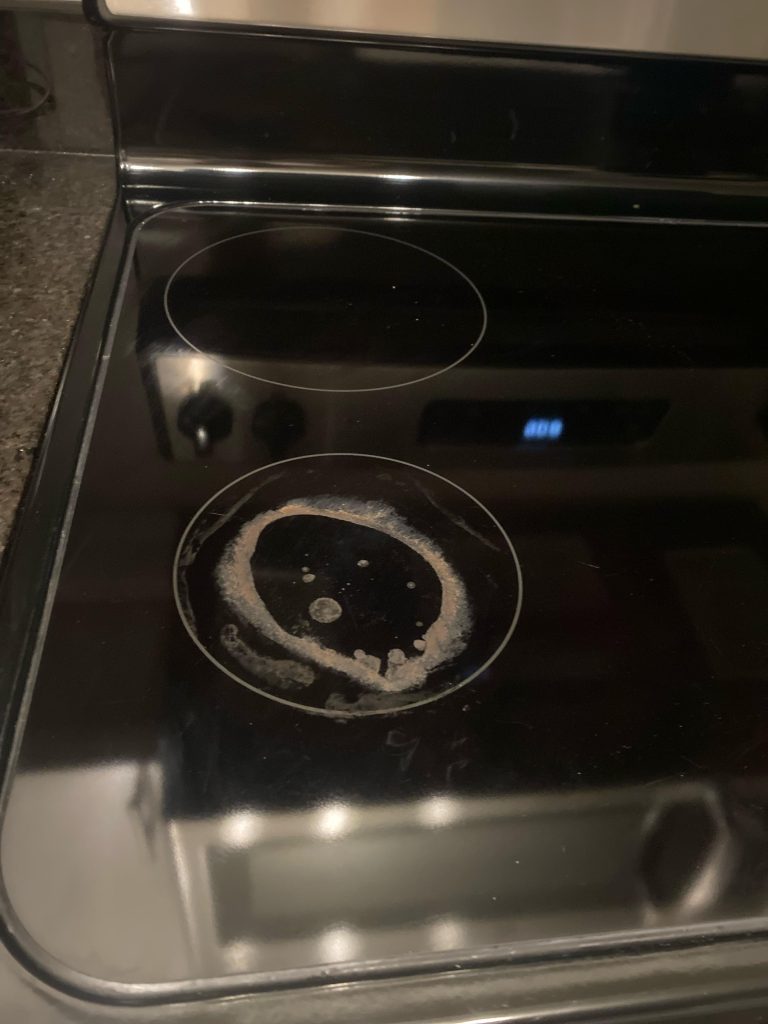
You’re preparing a delicious meal, and suddenly, disaster strikes—food burns onto your glass cooktop. It’s a common kitchen mishap that leaves you feeling frustrated and worried about damage to your sleek appliance.
But don’t panic! You can restore your cooktop to its sparkling glory without much hassle. Imagine the relief of seeing your cooktop shine as if nothing ever happened. In this guide, you’ll discover foolproof methods to remove burnt food from your glass cooktop safely and effectively.
Whether you’re dealing with a minor spill or a stubborn stain, we’ve got tips that will make this dreaded chore a breeze. Ready to see your cooktop gleam again? Let’s dive into the solutions that will make your cleaning routine quick and stress-free.
Common Causes Of Burnt Food On Glass Cooktops
Burnt food on your glass cooktop can be frustrating and tough to clean. Understanding why food burns can help you prevent those stubborn stains. Let’s look at some common causes that lead to burnt food on your glass cooking surface.
Using High Heat For Too Long
Many people turn the heat up too high, thinking it cooks food faster. But high heat can quickly burn food, especially if left unattended. Have you ever started cooking and got distracted? That’s often when the food burns and sticks to the glass.
Not Stirring Or Moving Food Regularly
Food that sits in one spot without stirring tends to overcook and burn. This is especially true for sauces, soups, or dishes with sugar content. When you forget to stir, burnt spots form, making clean-up harder.
Using Cookware With Rough Or Damaged Bottoms
Cookware with scratched or rough bottoms can cause food to burn unevenly and stick to the cooktop. Glass cooktops need smooth-bottomed pots and pans to distribute heat evenly. Ever noticed burnt marks under a pan with a rough base? That’s a key reason.
Spills Left On The Cooktop During Cooking
Spills like sugary sauces or syrups can burn quickly on a hot glass surface. If these spills aren’t wiped away immediately, they harden and become tough stains. Do you clean spills as soon as they happen, or wait until after cooking?
Using Incorrect Cookware Sizes
Using pots or pans smaller than the burner can cause uneven heating. The exposed burner heats the glass surface directly, leading to burnt spots. Matching your cookware size to the burner helps avoid this problem.
Cooking Sticky Or Sugary Foods Without Care
Sticky foods like caramel or sugary glazes burn easily and leave stubborn residues. Cooking these foods requires close attention and lower heat settings. Have you tried cleaning burnt caramel off glass? It’s a tough lesson in patience!

Credit: 911servicetoday.com
Safety Precautions Before Cleaning
Cleaning burnt food from a glass cooktop requires care. Safety is the top priority. Taking the right precautions protects you and your appliance. It also ensures the cleaning process goes smoothly.
Before starting, check that the cooktop is completely cool. Hot surfaces can cause burns. Avoid using harsh tools that may scratch the glass. Use gentle, safe materials instead. Protect your hands with gloves to avoid irritation from cleaning agents.
Ensure The Cooktop Is Completely Cool
Wait until the glass surface feels cool to touch. Never clean a hot cooktop. Hot glass can crack or cause burns. Patience helps prevent accidents and damage.
Unplug Or Turn Off The Power
Cut off electricity to the cooktop. This stops accidental activation. It also lowers the risk of electric shock. Safety first, always.
Wear Protective Gloves
Gloves protect your skin from chemicals and sharp edges. Use rubber or latex gloves for cleaning. They keep your hands safe and clean.
Use Non-abrasive Cleaning Tools
Choose soft sponges or cloths. Avoid steel wool or rough scrubbers. These can scratch the glass surface. Gentle cleaning tools keep your cooktop smooth and shiny.
Read Product Labels Carefully
Check cleaning product instructions and warnings. Use only those meant for glass cooktops. Some chemicals can damage the surface or harm you. Follow label advice for safe use.
Essential Tools For Cleaning Glass Cooktops
Cleaning burnt food off a glass cooktop can seem daunting, but having the right tools makes a huge difference. The right equipment not only protects your cooktop but also makes the cleaning process quicker and less frustrating. Let’s break down the essential tools you need to tackle burnt food effectively.
Glass Cooktop Scraper
A glass cooktop scraper is a must-have for removing stubborn burnt-on food. It has a razor-sharp blade designed specifically to glide smoothly without scratching the surface.
Using a scraper carefully can lift off tough residues that regular sponges can’t handle. Have you ever tried scraping with a knife? It’s risky and can damage your cooktop.
Non-abrasive Cleaning Pads
Non-abrasive pads are gentle yet effective for scrubbing away burnt spots. Unlike steel wool or rough sponges, these pads won’t scratch your glass surface.
They work well with your cleaner of choice, helping you avoid extra damage. You’ll want to keep a few on hand for regular maintenance after scraping.
Specialized Glass Cooktop Cleaner
Using a cleaner made for glass cooktops is key. These formulas dissolve burnt food and grease without harsh chemicals that could dull your cooktop’s finish.
They often contain ingredients that add shine and create a protective layer, reducing future buildup. Could a generic kitchen cleaner harm your cooktop? It’s better to stay safe with a specialized product.
Microfiber Cloths
Microfiber cloths are perfect for wiping down your cooktop after cleaning. They trap dirt and moisture effectively and won’t leave lint behind.
Using a microfiber cloth helps you achieve a streak-free shine easily. Have you noticed how regular towels sometimes smear dirt instead of removing it?
Spray Bottle With Vinegar Solution
A spray bottle filled with a mix of vinegar and water is a natural option that can loosen burnt food. The acidity in vinegar helps break down grime without chemicals.
Spray it on, let it sit for a few minutes, then wipe away with a cloth or pad. This simple tool often surprises people with how effective it is.

Credit: www.reddit.com
Step-by-step Removal Process
Removing burnt food from a glass cooktop requires care and patience. This step-by-step process helps protect the surface while removing tough residue. Follow these simple actions to restore your cooktop’s shine safely and effectively.
Soften Burnt Residue
Start by cooling the cooktop completely. Place a wet cloth over the burnt area. Let it sit for 10 to 15 minutes. This softens the burnt food and makes removal easier.
Scrape Gently Without Scratching
Use a plastic scraper or a spatula with a flat edge. Hold it at a low angle to the cooktop. Gently scrape the softened residue. Avoid using metal tools to prevent scratches.
Use A Cleaning Solution
Apply a cooktop cleaner or make a paste from baking soda and water. Spread it over the burnt area. Let it sit for 5 minutes to break down grime. Wipe with a soft cloth or sponge in circular motions.
Wipe And Polish
Remove all cleaner and residue with a damp cloth. Dry the surface with a clean microfiber cloth. Buff the glass cooktop to restore its shine. Regular cleaning keeps the surface smooth and scratch-free.
Natural Remedies For Tough Stains
Natural remedies offer gentle yet effective ways to clean burnt food from glass cooktops. These solutions use common household ingredients that are safe and eco-friendly. They help loosen tough stains without scratching the glass surface. Regular use can keep your cooktop looking new.
Baking Soda Paste
Baking soda is mildly abrasive and great for scrubbing stains. Make a thick paste by mixing baking soda with a little water. Spread the paste over the burnt spots. Let it sit for 15 to 20 minutes to soften the residue. Use a soft cloth or sponge to wipe away the paste and stains. Rinse the area with clean water and dry with a towel.
Vinegar Spray
Vinegar is acidic and helps dissolve burnt food particles. Pour white vinegar into a spray bottle. Spray the vinegar directly on the stained areas. Let it sit for about 10 minutes. The acid breaks down the burnt food, making it easier to remove. Wipe the cooktop with a damp cloth or sponge. Repeat if needed for stubborn spots.
Lemon Juice Application
Lemon juice contains natural acids that cut through grease and stains. Squeeze fresh lemon juice onto the burnt areas. Allow it to sit for 10 to 15 minutes. The citric acid softens the burnt food and lightens marks. Use a soft cloth to scrub gently in circular motions. Rinse with water and dry thoroughly to prevent streaks.

Credit: www.reddit.com
Avoiding Damage To Your Glass Cooktop
Protecting your glass cooktop during cleaning is essential. Burnt food can be tough to remove. Yet, harsh scrubbing or wrong tools cause scratches or cracks. Taking care prevents costly repairs and keeps the surface smooth and shiny.
Use gentle cleaning methods and correct products. Avoid abrasive pads or sharp knives that damage the glass. Patience and the right approach lead to a clean cooktop without harm.
Choose The Right Cleaning Tools
- Use soft cloths or microfiber towels.
- Try non-abrasive sponges designed for glass.
- A scraper made for glass cooktops helps remove stuck bits.
- Stay away from steel wool or rough scrubbers.
Use Safe Cleaning Products
- Pick cleaners made for glass cooktops.
- Avoid harsh chemicals like bleach or ammonia.
- Natural solutions like vinegar and baking soda work well.
- Always test a small area first.
Apply Gentle Pressure
- Press lightly while scrubbing to avoid scratches.
- Do not force stubborn burnt spots.
- Let cleaning solutions sit to loosen burnt food.
- Repeat gently if needed instead of harsh scrubbing.
Clean When Cooktop Is Cool
- Wait until the surface is completely cool.
- Cleaning hot glass risks burns and damage.
- Cool glass allows cleaning products to work better.
- Wipe spills soon after cooking to prevent burns.
Regular Maintenance Tips
Keeping a glass cooktop clean helps prevent burnt food buildup. Regular care saves effort and protects the surface. Follow these simple tips to maintain a spotless cooktop every day.
Clean Spills Immediately
Wipe spills as soon as the cooktop cools. This stops food from hardening and sticking. Use a soft cloth or sponge with warm water.
Use The Right Cleaner
Choose cleaners made for glass cooktops. Avoid abrasive scrubs that can scratch the surface. A gentle cleaner removes grease without damage.
Use A Razor Scraper Safely
For tough burnt spots, use a razor scraper carefully. Hold it at a 45-degree angle to avoid scratching. Scrape gently to lift burnt food.
Dry The Surface Thoroughly
After cleaning, dry the cooktop with a soft towel. Water spots can leave marks. Drying also keeps the cooktop shiny.
Check Cookware Bottoms
Use smooth-bottom pots and pans to avoid scratches. Rough bottoms can damage the glass. Clean cookware bottoms regularly to remove debris.
Perform Weekly Deep Cleaning
Once a week, give your cooktop a deeper clean. Use a specialized glass cooktop cleaner and a soft cloth. This removes buildup that daily cleaning misses.
Frequently Asked Questions
How To Safely Remove Burnt Food From Glass Cooktop?
Use a scraper designed for glass cooktops to gently lift burnt food. Avoid harsh tools to prevent scratches. Apply a cooktop cleaner and wipe with a soft cloth for best results.
What Household Items Clean Burnt Residue On Glass Cooktops?
Baking soda and white vinegar effectively remove burnt residue. Sprinkle baking soda, spray vinegar, let sit, then gently scrub and wipe clean.
Can I Use A Razor Blade On A Glass Cooktop?
Yes, but only use a razor blade scraper at a 45-degree angle. Be gentle to avoid scratching the glass surface.
How Often Should I Clean My Glass Cooktop To Avoid Burns?
Clean your cooktop after every use to prevent burnt food buildup. Regular cleaning keeps the surface smooth and easy to maintain.
Conclusion
Removing burnt food from a glass cooktop does not have to be hard. Use gentle cleaners and soft tools to protect the surface. Take your time and clean regularly to avoid tough stains. Small steps keep your cooktop shiny and ready to use.
A clean cooktop makes cooking safer and more enjoyable. Try these simple tips and see the difference yourself. Keep your kitchen clean and your cooking smooth.