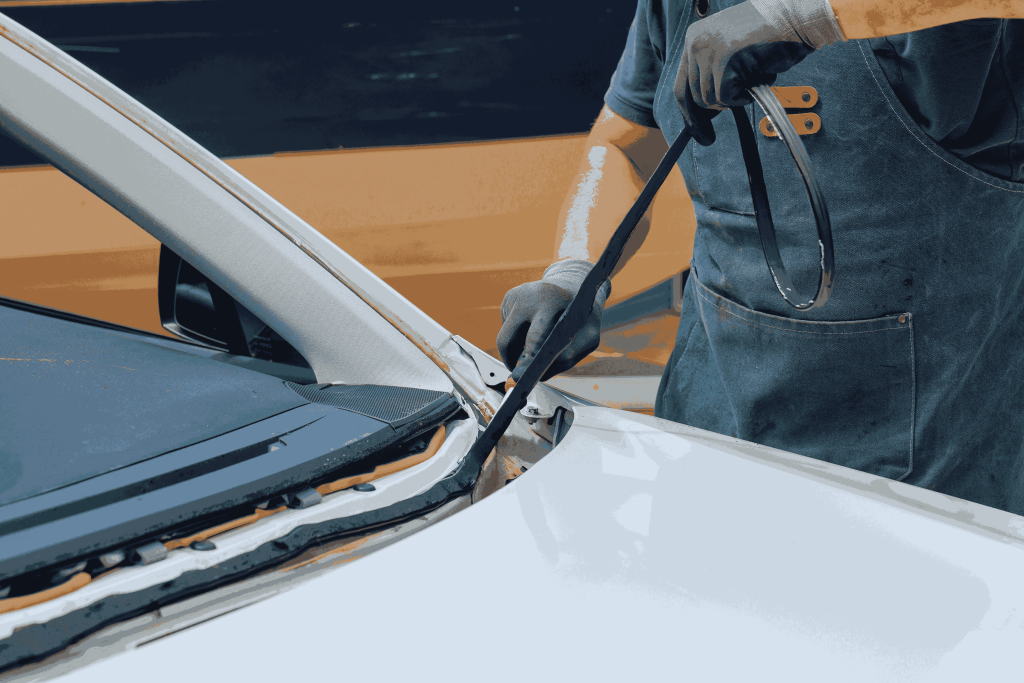
Have you ever struggled to get stubborn dirt, sap, or stickers off your auto glass? It can be frustrating when no matter how hard you try, those tough spots just won’t budge.
But don’t worry—you’re not alone, and there are simple tricks you can use to make your windshield and windows crystal clear again. Keep reading, and you’ll discover easy, effective ways to remove even the most difficult grime from your auto glass.
Say goodbye to frustration and hello to a spotless view every time you hit the road!

Credit: omniautoglass.com
Common Stubborn Substances
Auto glass often collects stubborn substances that are hard to clean. These substances stick tightly and can damage the glass if removed roughly. Knowing what these common stubborn substances are helps in choosing the right cleaning method. Careful removal keeps your windshield clear and safe for driving.
Tree Sap
Tree sap is sticky and hardens quickly on auto glass. It appears as small, shiny spots or blobs. Use warm soapy water to soften the sap. A plastic scraper can help lift it gently. Avoid metal tools to prevent scratches.
Bug Residue
Bug residue is often tough and crusty after drying. It can block your view and damage glass over time. Spray a bug remover or a vinegar-water mix. Let it sit for a few minutes. Wipe with a soft cloth to remove the residue easily.
Paint Spots
Paint spots from nearby work or road debris can stick to glass. Use a razor blade at a low angle to scrape off spots carefully. Soften paint with rubbing alcohol or a commercial cleaner first. Clean the glass after removal to avoid streaks.
Water Spots
Water spots form from mineral deposits left by rain or sprinklers. They look like white, cloudy marks on glass. Use a vinegar solution to dissolve minerals. Wipe with a microfiber cloth to avoid scratching. Regular cleaning helps prevent buildup.

Credit: www.youtube.com
Tools You’ll Need
Removing tough stains or debris from auto glass requires the right tools. Using proper equipment makes the job easier and prevents damage. Collecting quality tools ensures a smooth cleaning process.
Here are the essential tools you will need for removing difficult things from your auto glass.
Scrapers And Blades
Scrapers and blades help remove sticky substances like paint or stickers. Choose plastic scrapers to avoid scratching the glass. For stubborn spots, use a razor blade carefully at a low angle. Always keep blades sharp and clean for best results.
Cleaning Solutions
Cleaning solutions dissolve grime and loosen dirt on the glass surface. Use a glass cleaner with no ammonia to protect tint films. For tough residues, a mixture of water and vinegar works well. Avoid harsh chemicals that could damage the glass or surrounding seals.
Microfiber Cloths
Microfiber cloths provide gentle, scratch-free wiping. They absorb liquids without leaving lint behind. Use separate cloths for scrubbing and drying to improve effectiveness. Wash the cloths regularly to keep them clean and soft.
Safe Removal Techniques
Removing tough stains or debris from auto glass requires care and the right approach. Safe removal techniques protect your glass from scratches and damage. These methods help keep your windshield clear without costly repairs.
Using Razor Blades Correctly
Use a new, sharp razor blade to avoid scratches. Hold the blade at a 45-degree angle. Gently scrape the glass surface with light pressure. Keep the blade flat, not angled steeply. Clean the blade often to remove debris. Avoid using dull or rusty blades to prevent damage.
Applying Solvents Carefully
Choose a solvent safe for auto glass, like rubbing alcohol or specialized glass cleaner. Apply the solvent to a soft cloth, not directly on the glass. Test the solvent on a small area first. Let it sit a few minutes to soften stubborn spots. Wipe gently and avoid harsh scrubbing. Use solvents sparingly to protect windshield coatings.
Avoiding Damage To Glass
Work in a shaded area to prevent quick drying of solvents. Do not use metal tools other than razor blades. Avoid hard scrubbing or scraping on heated glass. Check for cracks or chips before starting. Stop if you see any damage forming. Use only soft, clean cloths for wiping.
Diy Cleaning Solutions
Removing tough stains and residues from your auto glass doesn’t always require expensive tools or professional help. With a few simple ingredients and the right approach, you can restore clarity to your windows using solutions you likely already have at home. These DIY cleaning solutions are not only cost-effective but also gentle enough to protect your glass while tackling stubborn grime.
Vinegar Mixtures
Vinegar is a powerful natural cleaner that breaks down mineral deposits and smudges on your auto glass. Mix equal parts of white vinegar and water in a spray bottle for an easy-to-use solution.
Spray the mixture onto the glass and let it sit for a minute before wiping with a microfiber cloth. This method has helped me remove hard water spots without scratching the surface, and it leaves your windows streak-free.
Rubbing Alcohol
Rubbing alcohol works wonders on sticky residues like sap or adhesive tape marks. Combine one part rubbing alcohol with one part water in a spray bottle for an effective cleaner.
Apply it sparingly to avoid over-drying, then wipe gently with a soft cloth. Have you ever struggled to remove stubborn stickers from your windshield? Rubbing alcohol might just be the quick fix you need.
Commercial Cleaners
Sometimes, tough stains require a stronger approach. Look for commercial auto glass cleaners specifically formulated to tackle road grime, bug splatters, and oily residues.
Choose a product that is ammonia-free to protect window tint and seals. Using commercial cleaners as part of your routine maintenance can save you time and prevent buildup that’s harder to remove later.
Step-by-step Cleaning Process
Cleaning tough stains or sticky substances from your auto glass might seem like a hassle. However, following a clear process can make the task straightforward and even satisfying. Let’s break down the step-by-step cleaning process that will leave your windshield spotless and safe to drive with.
Preparing The Glass Surface
Start by inspecting the glass carefully. Identify the spots that need special attention and clear away loose dirt or dust using a soft brush or a dry microfiber cloth.
Next, spray a gentle glass cleaner over the surface. Avoid harsh chemicals that could damage the tint or seals. Let the cleaner sit for a minute to loosen grime, but don’t let it dry out.
Have you ever tried scraping stuck debris without prepping the surface first? It often makes things worse, causing scratches or smears. Preparing properly sets you up for success.
Removing The Substance
For sticky residues like sap, adhesive, or paint splatters, use a plastic scraper or an old credit card to gently lift the material without scratching the glass.
If the substance resists, apply a small amount of rubbing alcohol or a specialized adhesive remover on a clean cloth. Dab it onto the spot and allow it to soften the residue.
Never rush this step. Patience pays off. Rubbing too hard or using metal tools can damage your glass, leading to costly repairs.
Final Wiping And Polishing
Once the tough spots are removed, wipe down the entire glass with a clean microfiber cloth dampened with water or glass cleaner.
Buff the surface in circular motions until it’s streak-free and clear. Check from different angles to catch any missed spots.
Do you notice the difference a polished windshield makes in your driving experience? Clear glass improves visibility and safety, making this final step worth the effort.
Preventing Future Build-up
Preventing future build-up on your auto glass is key to keeping your windshield clear and safe. Once you know how to remove tough stains and grime, the next step is making sure they don’t come back quickly. Small changes in your routine can save you time and protect your glass from damage.
Regular Cleaning Habits
Cleaning your auto glass regularly stops dirt and debris from settling in. Try wiping your windshield at least once a week using a soft microfiber cloth and a gentle glass cleaner.
Don’t forget the edges and corners where dirt likes to hide. Regular cleaning helps avoid stubborn stains that require heavy scrubbing later on.
Protective Coatings
Applying a protective coating can make a big difference in preventing dirt build-up. Products like rain repellents or ceramic coatings create a barrier that stops grime from sticking easily.
I once tried a ceramic coating, and it made cleaning my windshield almost effortless. Water and dirt just slide off, reducing the need for harsh scrubbing.
Parking Tips
Where you park your car impacts how quickly your glass gets dirty. Avoid parking under trees or near construction sites where sap, dust, or debris can fall on your windshield.
If you can’t avoid these spots, try using a windshield cover to shield your glass. This simple step can protect your windshield from buildup and save you a lot of cleaning effort later.
When To Seek Professional Help
Knowing when to call in the experts for your auto glass issues can save you time, money, and frustration. Some problems go beyond simple DIY fixes and require professional tools and skills. Recognizing these moments helps protect your vehicle and your safety on the road.
Severe Damage Cases
If your auto glass has large cracks, deep chips, or shattered areas, it’s time to seek professional help. Trying to remove or repair severe damage yourself can cause the glass to break further or even injure you. Professionals have the right equipment to safely handle and replace badly damaged glass without compromising the structure of your vehicle.
Have you ever tried to fix a big crack only to make it worse? That frustration is common, and it’s a clear sign that a trained technician should step in.
Specialized Removal Services
Some substances stuck on your auto glass require specialized removal techniques that only professionals offer. This includes industrial adhesives, stubborn sap, or paint overspray that won’t come off with household cleaners. Experts use specific solvents and tools that protect your glass while removing difficult residues.
Think about the last time you used a scraper or chemical and ended up scratching or fogging your windshield. Professional services prevent these risks and ensure your glass remains clear and safe.
Credit: omniautoglass.com
Frequently Asked Questions
What Materials Can Remove Auto Glass Stains?
Common materials like vinegar, baking soda, and glass cleaner can effectively remove stains. Use a microfiber cloth for gentle cleaning. For tough stains, consider a commercial glass polish. Always test a small area first to ensure no damage occurs.
How Do I Safely Clean Auto Glass?
To clean auto glass safely, use a microfiber cloth and a quality glass cleaner. Avoid ammonia-based products as they can damage tint. Spray cleaner on the cloth, not directly on the glass, to prevent streaks.
Can Scratches Be Removed From Auto Glass?
Yes, minor scratches can often be polished out with glass polish. Use a fine-grade polish and a soft cloth. For deeper scratches, professional repair or replacement may be necessary. Always follow product instructions carefully.
How Do I Remove Tree Sap From Auto Glass?
To remove tree sap, use rubbing alcohol or a commercial sap remover. Apply with a soft cloth, rubbing gently. Rinse thoroughly with water afterwards. Avoid using sharp objects to scrape off the sap as it can scratch the glass.
Conclusion
Removing tough stains from auto glass takes care and patience. Use gentle tools and safe cleaners to protect your glass. Avoid sharp objects that can cause scratches or cracks. Clean regularly to prevent dirt buildup and save time later. Small efforts keep your windshield clear and safe for driving.
Remember, careful cleaning helps maintain good visibility on the road. Keep these tips in mind for a spotless and clear auto glass every time. Simple steps make a big difference.