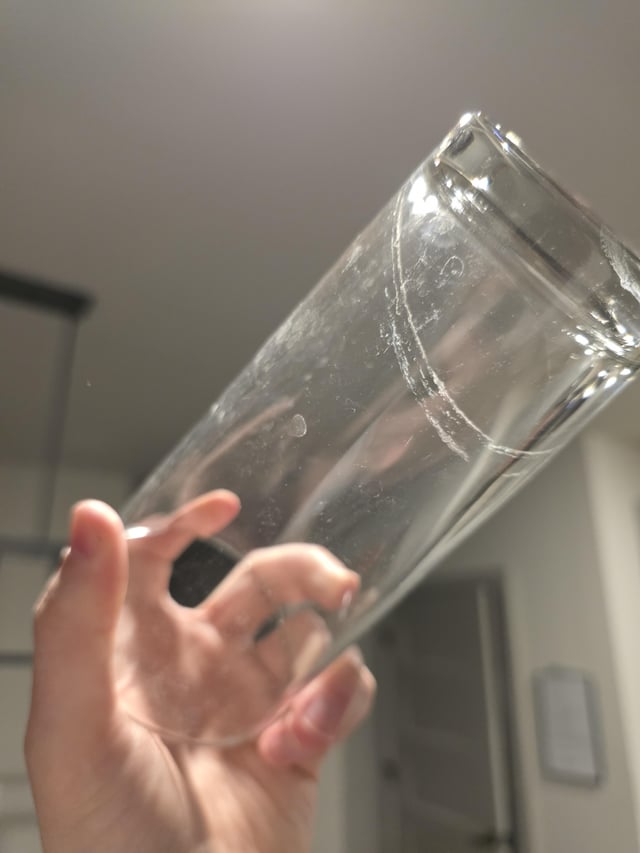
Have you ever pulled your favorite glassware out of the dishwasher, only to find that it’s marred by a mysterious, cloudy haze? This frustrating problem is known as dishwasher etching, and it’s more common than you might think.
Those once-clear glasses can lose their sparkle due to factors lurking in your dishwasher routine. But don’t worry—you’re not alone, and there is a solution. In this guide, you’ll discover simple, effective ways to restore the clarity of your glassware and prevent future etching.
With just a few tweaks to your dishwashing habits, you can bring back that shine and make your glassware look as good as new. Ready to see your glasses sparkle again? Let’s dive in and explore how you can tackle this pesky problem once and for all.

Credit: smol.com
Causes Of Dishwasher Etching
Understanding the causes of dishwasher etching is key to preventing further damage to your glassware. Etching happens when the surface of the glass becomes dull or frosted, often looking like tiny scratches. Knowing why this occurs can help you protect your favorite glasses and keep them looking clear and shiny.
Hard Water Effects
Hard water contains high levels of minerals like calcium and magnesium. These minerals can leave deposits on your glassware, which sometimes look like etching. Over time, the minerals react with the glass surface during washing, causing tiny pits and a cloudy appearance.
If you notice your glasses developing white spots or a rough texture, hard water might be the culprit. Using a water softener or a rinse aid designed for hard water can reduce this problem. Have you checked the water hardness in your home recently?
Detergent Impact
Not all dishwasher detergents are created equal. Harsh or overly alkaline detergents can erode the glass surface, especially if you use too much. This erosion creates a permanent frosted look that no amount of rinsing will fix.
Choosing a mild detergent and measuring it carefully can protect your glassware. Pay attention to detergent ingredients—some contain phosphates or bleach, which are more aggressive on delicate glasses. What detergent do you currently use in your dishwasher?
High Temperature Damage
Dishwashers often use very hot water to clean thoroughly, but high temperatures can weaken glass over time. When combined with detergent and hard water, heat speeds up the etching process. Glassware exposed to consistently high temperatures may become fragile and lose its shine.
Lowering your dishwasher’s heat setting or using a gentle cycle can help. Some glass types are more sensitive, so consider hand washing valuable pieces. Have you tried adjusting the temperature settings on your dishwasher to protect your glassware?
Identifying Etching On Glassware
Identifying etching on glassware is key to treating it properly. Etching looks like a foggy or frosted area on glass surfaces. It often appears after several dishwasher cycles. Unlike dirt or stains, etching is permanent damage to the glass.
Spotting etching early helps protect your glassware from further harm. Knowing the difference between etching and other marks saves time and effort. Below are clear signs to recognize etching on your glassware.
Signs Of Etching
- Dull, cloudy patches that do not wash off
- Surface feels rough or scratched to the touch
- Frosty or matte appearance on clear glass
- Visible damage mainly on rims and bottoms
- Marks become more obvious after drying
Difference Between Etching And Stains
| Feature | Etching | Stains |
|---|---|---|
| Appearance | Frosty, dull, or cloudy | Colored spots or streaks |
| Texture | Rough or etched surface | Smooth, no texture change |
| Removal | Cannot be cleaned off | Usually cleans with scrub or detergent |
| Cause | Permanent glass damage from dishwasher | Food, mineral deposits, or hard water |
Home Remedies To Remove Etching
Etching on glassware happens after many dishwasher cycles. It looks like cloudy or frosted spots. These marks are hard to remove but home remedies can help.
Simple ingredients found at home can reduce the appearance of etching. These methods are gentle and safe for most glass types. Try these easy solutions to restore your glassware’s shine.
Using Baking Soda Paste
Baking soda acts as a mild abrasive. It helps polish away dull spots on glass surfaces.
- Mix baking soda with a small amount of water to form a thick paste.
- Apply the paste to the etched areas using a soft cloth.
- Rub gently in circular motions for a few minutes.
- Rinse the glass with warm water and dry with a clean towel.
Vinegar Soak Method
White vinegar dissolves mineral deposits and grime. It can brighten etched glass slightly.
- Fill a container with equal parts white vinegar and warm water.
- Place the glassware in the solution and soak for 15 to 30 minutes.
- Remove the glass and wipe it with a soft cloth.
- Rinse thoroughly with clean water and dry.
Lemon Juice Application
Lemon juice contains natural acids that help clean glass surfaces. It works well to reduce cloudiness.
- Squeeze fresh lemon juice onto a soft cloth or sponge.
- Rub the lemon juice onto the etched spots gently.
- Let it sit for 10 minutes to break down the marks.
- Rinse with warm water and dry with a towel.

Credit: www.reddit.com
Commercial Products For Etching
Commercial products offer practical solutions to reduce or remove etching from glassware. These products focus on smoothing out the glass surface and restoring its clarity. Choosing the right product depends on the severity of the etching and the type of glass.
Glass Polishing Kits
Glass polishing kits contain abrasive compounds to buff away minor etching. They usually include polishing pads and compounds safe for glass surfaces. These kits help restore shine and smoothness to affected glassware.
Using a polishing kit requires patience and gentle pressure. Follow the instructions carefully to avoid further damage. Polishing kits work best on light etching and small areas.
Specialized Cleaners
Specialized cleaners target mineral deposits and residues that mimic etching. These cleaners use mild acids or chelating agents to dissolve buildup without scratching glass. They can improve the glass appearance by removing surface film.
Apply cleaners with a soft cloth and rinse thoroughly. Avoid harsh chemicals that can worsen the etching. These products support regular maintenance to keep glassware clear and bright.
Preventing Future Etching
Preventing future etching on glassware keeps your items clear and sparkling. Etching happens when glass reacts with harsh dishwasher conditions. Simple changes can protect your glassware from damage and extend its life.
Adjusting Dishwasher Settings
Lower the water temperature to avoid harsh heat on glass. Use a gentle or glassware cycle when available. Reduce drying time or turn off heated drying to prevent water spots. Avoid overloading the dishwasher to ensure proper water flow and cleaning.
Choosing The Right Detergent
Select detergents made for glassware or labeled as gentle. Avoid powders and gels with high alkaline content. Use smaller amounts of detergent to reduce chemical buildup. Check for phosphate-free options to protect glass and the environment.
Using Water Softeners
Hard water causes etching by leaving mineral deposits on glass. Install a water softener to reduce minerals in your water supply. Use dishwasher additives designed to soften water during the wash cycle. Regularly clean your dishwasher to remove mineral buildup and improve performance.

Credit: www.reddit.com
When To Replace Glassware
Knowing when to replace glassware is key after dishwasher etching occurs. Etching weakens the glass and changes its appearance. At some point, the damage becomes permanent and unsafe. This section helps you decide the right time to let go of worn-out glassware.
Glassware that is heavily etched loses its shine and clarity. It may look cloudy or frosted, and scrubbing won’t fix this. The surface becomes rough and can harbor bacteria or stains. These signs suggest the glassware is no longer suitable for use.
Sometimes, etching causes tiny cracks or chips. These flaws are a risk during use. Cracked glass can break suddenly, causing injury. If you notice these defects, replacement is the safest choice.
Assessing The Depth Of Etching
Light surface etching can sometimes be tolerated, but deep etching means damage. Run your fingers over the glass surface. If it feels rough or dull, the etching is severe. This type of etching cannot be repaired.
Evaluating Glassware Safety
Check for cracks, chips, or sharp edges. These issues make glassware unsafe for drinking or serving. Safety must come first. Damaged glass can cause cuts or break easily.
Considering Aesthetic Value
Glassware often holds sentimental or decorative value. If etching ruins the look, replacing may be best. Clear and bright glass enhances any table setting.
Cost Vs. Replacement
Sometimes repairing etched glass is not worth the effort. Replacement glassware can be affordable and long-lasting. Think about the cost of repair versus buying new.
Frequently Asked Questions
What Causes Dishwasher Etching On Glassware?
Dishwasher etching occurs when harsh detergents and high heat react with glass surfaces. This reaction creates tiny scratches and dull spots, damaging the glassware’s clarity and shine over time.
Can Dishwasher Etching Be Removed From Glassware?
Unfortunately, dishwasher etching is permanent and cannot be fully removed. However, gentle polishing can reduce its appearance and restore some shine to your glassware.
How To Prevent Dishwasher Etching On Glassware?
Use mild detergents, lower wash temperatures, and avoid overloading the dishwasher. Hand-washing delicate glassware also helps prevent etching and prolongs their lifespan.
Is Vinegar Effective For Removing Dishwasher Etching?
Vinegar cleans mineral deposits but does not remove dishwasher etching. It helps maintain glass clarity but won’t fix etching damage caused by detergents and heat.
Conclusion
Removing dishwasher etching from glassware takes patience and care. Use gentle methods and avoid harsh scrubbing. Regular cleaning helps keep your glassware clear and bright. Try mild solutions like baking soda or vinegar for best results. Remember, some etching may be permanent and hard to fix.
Protect your glassware by adjusting dishwasher settings and using the right detergents. Clean glassware looks beautiful and lasts longer. Keep these tips in mind for sparkling dishes every day. Small steps make a big difference in glass care.