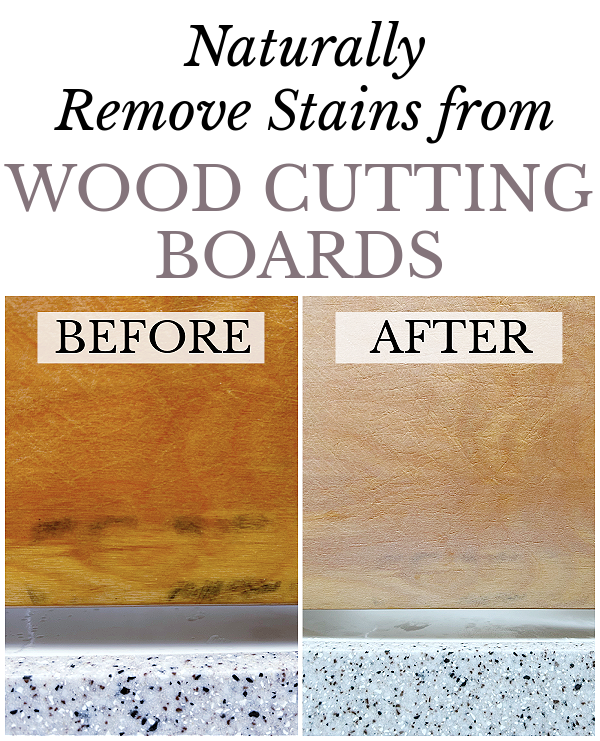
Have you ever noticed that strong onion smell lingering on your wooden cutting board, even after washing it? That stubborn odor can be frustrating and make your next meal preparation less enjoyable.
But don’t worry—getting rid of that smell is easier than you think. You’ll discover simple and effective ways to freshen up your wooden cutting board, so it smells clean and ready for your next cooking adventure. Keep reading, and say goodbye to that unwanted onion scent for good!
Causes Of Onion Smell On Wood
Wooden cutting boards can hold strong odors after cutting onions. The smell can be hard to remove because wood is porous.
Understanding why onion smell sticks to wood helps in cleaning it properly. The smell comes from natural oils and compounds in onions.
Porous Nature Of Wood
Wood has tiny holes and fibers that absorb liquids and odors. When you cut onions, their juices soak into the wood.
The absorbed onion juice contains sulfur compounds that cause the strong smell.
Sulfur Compounds In Onions
Onions release sulfur compounds when cut or crushed. These compounds are the source of the sharp smell.
- Sulfur compounds easily stick to porous surfaces like wood
- They react with air, making the smell stronger over time
- The compounds can penetrate deep into the wood fibers
Moisture Absorption And Retention
Wood absorbs moisture from onions and water used during cutting. This moisture keeps the odor trapped inside.
| Factor | Effect on Smell |
|---|---|
| Wood Porosity | Absorbs onion juice and odor molecules |
| Sulfur Compounds | Cause strong, lasting smell |
| Moisture | Keeps smell trapped and active |
Immediate Cleaning Steps
Onion smell can linger on wooden cutting boards after use. It is important to clean the board quickly to stop the odor from setting in. Quick action helps keep your board fresh and ready for the next use.
Follow these steps right after cutting onions to remove the smell effectively. Using simple household items can help remove the odor without damaging your wooden board.
Rinse With Cold Water
Start by rinsing the cutting board under cold running water. This removes onion particles and juice that cause the smell. Avoid using hot water as it may open the wood pores and trap odor.
Scrub With Salt And Lemon
Use coarse salt and a lemon half to scrub the board. The salt acts as a mild abrasive, and the lemon juice neutralizes the onion odor. This natural method cleans and refreshes the wood surface.
- Sprinkle a generous amount of coarse salt on the board.
- Cut a lemon in half and rub it over the salt.
- Scrub the entire surface with the lemon and salt.
- Let it sit for 5 minutes to absorb odors.
- Rinse off with cold water and dry immediately.
Dry Thoroughly
After cleaning, wipe the board dry with a clean towel. Stand it upright to air dry completely. A dry board prevents bacteria growth and stops odors from returning.
Use Baking Soda Paste For Strong Odors
For stubborn onion smells, apply a baking soda paste. Baking soda absorbs odors and cleans the wood gently. This step works well if the smell remains after salt and lemon treatment.
| Ingredients | Instructions |
| 2 tablespoons baking soda | Mix with a little water to form a paste |
| Wooden cutting board | Spread paste over the surface and scrub gently |
| Time | Let sit for 15 minutes, then rinse with cold water |
Natural Deodorizing Methods
Wooden cutting boards can absorb strong smells like onion. These odors can be hard to remove with just soap and water. Natural deodorizing methods help get rid of these smells safely.
Using simple household ingredients keeps your board clean and fresh. Here are three easy ways to remove onion smell naturally.
Lemon And Salt Scrub
Lemon juice works well to neutralize bad odors. Salt acts as a scrub to remove leftover onion bits.
Cut a lemon in half and sprinkle coarse salt on the board. Rub the lemon over the salted surface for a few minutes. Let it sit for five minutes before rinsing with warm water.
- Lemon juice breaks down odor molecules
- Salt scrubs away residue from the wood
- This method also helps clean the board naturally
Baking Soda Paste
Baking soda is a natural deodorizer. It absorbs smells without damaging the wood.
Mix baking soda with a little water to form a thick paste. Spread the paste over the cutting board and let it sit for 15 minutes. Then scrub gently and rinse with warm water.
- Baking soda neutralizes strong onion odors
- Paste form helps it stick to the wood
- Safe to use on all wooden cutting boards
Vinegar Rinse
White vinegar is an effective natural cleaner. It kills bacteria and removes smells.
Mix equal parts white vinegar and water. Wipe the board with this solution using a clean cloth. Let it air dry completely before using it again.
- Vinegar eliminates odor-causing bacteria
- It is safe and non-toxic for wooden boards
- Regular use keeps the board fresh and clean
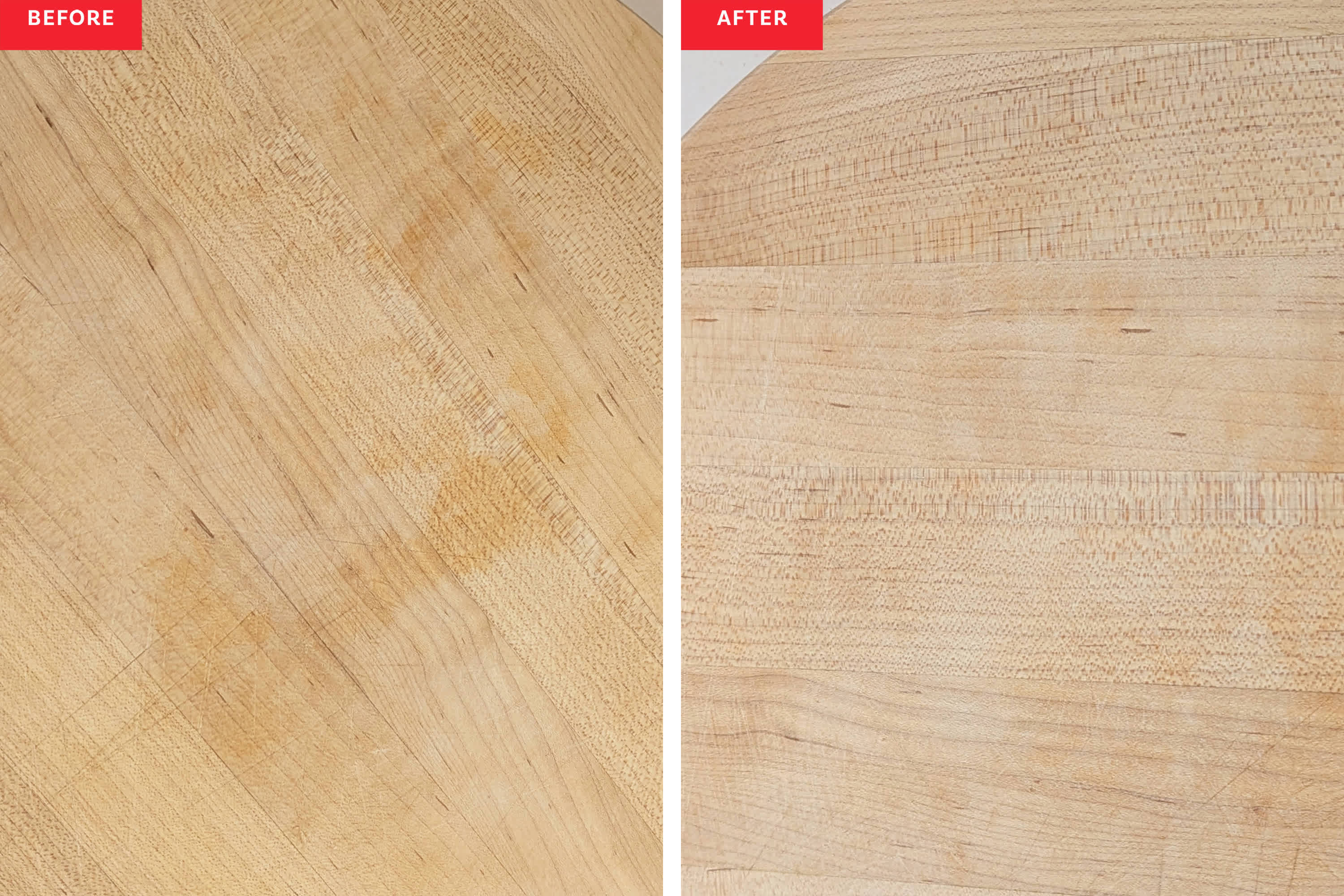
Credit: www.thekitchn.com
Deep Cleaning Techniques
Removing onion smell from a wooden cutting board takes deep cleaning. Simple washing is not enough. Special treatments can help remove odors trapped in the wood.
Two effective methods for deep cleaning are using hydrogen peroxide and activated charcoal. Both break down the smell and refresh your cutting board.
Hydrogen Peroxide Treatment
Hydrogen peroxide is a safe and natural way to remove odors. It works by breaking down the onion smell molecules inside the wood pores.
- Pour 3% hydrogen peroxide on the cutting board surface.
- Spread it evenly with a clean cloth or sponge.
- Let it sit for 5 to 10 minutes to work on the smell.
- Rinse the board well with warm water.
- Dry the board completely with a towel or air dry.
This method also helps sanitize the board. Repeat if the smell remains strong after the first treatment.
Activated Charcoal Application
Activated charcoal absorbs odors from wood. It pulls out the onion smell deep inside the cutting board.
Follow these tips for using activated charcoal:
- Place a few charcoal briquettes or powder in a shallow dish.
- Put the dish on the cutting board or inside a container with the board.
- Leave it for 24 to 48 hours to absorb the smells.
- Remove the charcoal and wipe the board clean.
Keep your board dry after treatment to prevent new odors and stains.
Preventing Odors In Future
Wooden cutting boards can keep smells from sticking if cared for properly. Preventing onion smell starts with good drying and regular care.
These simple habits help keep your board fresh and free of odors after each use.
Proper Drying
Drying your wooden board correctly stops bacteria growth and odor buildup. Always dry it right after washing.
- Use a clean towel to wipe off excess water.
- Stand the board upright to allow air to circulate on all sides.
- Avoid stacking boards or placing them flat on wet surfaces.
- Let the board dry completely before storing it away.
Regular Oil Treatment
Oiling your wooden board keeps it sealed and less likely to absorb smells. Use food-safe oils for best results.
| Oil Type | Benefits |
|---|---|
| Mineral Oil | Seals wood, safe for food contact, easy to apply |
| Coconut Oil | Natural scent, prevents drying, antibacterial properties |
| Walnut Oil | Penetrates deeply, enhances wood grain, natural finish |
Apply oil once a month or when the board looks dry. Rub oil evenly and let it soak in overnight.

Credit: www.kitchenknifeforums.com
When To Replace Your Cutting Board
Wooden cutting boards can last a long time with good care. Still, they wear out and need replacing.
Knowing when to replace your board helps keep your kitchen safe and clean.
Deep Cracks And Splits
Cracks and splits can trap food and bacteria inside the wood. These areas are hard to clean well.
If your board has deep cracks, it is time to get a new one to avoid germs.
Persistent Odors
Onion smell can stick to wood even after cleaning. If the smell stays strong, the board may be too old.
Replacing the board helps keep your food tasting fresh and free from odors.
Deep Stains That Don’t Fade
Dark stains can mean bacteria buildup or damage. Some stains do not come out with regular cleaning.
A new board will ensure a clean surface for your food preparation.
Warping Or Warping
If your board bends or warps, it becomes unstable and unsafe to use. It may cause knives to slip.
Replace warped boards to keep your cutting area safe and flat.
Excessive Wear And Tear
Over time, wooden boards get worn down and thin. The surface may become rough or uneven.
When wear affects how you use the board, it is best to replace it.

Credit: www.woodcuttingboardstore.com
Frequently Asked Questions
How Do I Eliminate Onion Smell From Wood?
To remove onion smell, sprinkle baking soda on the board. Rub it gently and rinse with water. For extra freshness, rub with lemon juice. Let it dry completely before storing. This method is effective and preserves the board’s quality.
Can Vinegar Help Remove Onion Odor?
Yes, vinegar is effective for removing onion odor. Mix equal parts of vinegar and water. Wipe the board with the solution and rinse thoroughly. This neutralizes the smell and disinfects the surface. Dry it completely to prevent moisture damage.
How Often Should I Clean My Cutting Board?
Clean your cutting board after each use to prevent odors. Regular cleaning with soap and water is essential. Deep clean with baking soda or vinegar weekly. This routine maintains hygiene and prolongs the board’s life. Always ensure the board is dry before storing.
Is Lemon Effective For Removing Onion Smell?
Lemon is great for removing onion smell. Cut a lemon in half and rub it on the board. Its natural acidity neutralizes odors and leaves a fresh scent. Rinse and dry the board thoroughly. This method is natural and safe for wood surfaces.
Conclusion
Removing onion smell from your wooden cutting board is simple and quick. Use natural ingredients like lemon, baking soda, or vinegar for best results. Clean the board right after use to stop odors from sticking. Regular care keeps your cutting board fresh and safe.
A clean board means better food taste and hygiene. Try these easy steps and enjoy cooking without worrying about smells. Keep your kitchen smelling fresh every day.